
Events
Ludwig van Beethoven
Bonn, Germanyclassical · romantic
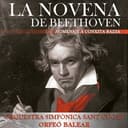
Ludwig van Beethoven (1770–1827), born in Bonn, is one of the most celebrated composers in the history of Western music. The son of a court musician, he displayed extraordinary talent early on, giving his first public concert at the age of eight. In 1792 he moved to Vienna, where he studied under Joseph Haydn and quickly established himself as a virtuoso pianist. His first opus-numbered works, the three Piano Trios Op. 1, appeared in 1795. Beethoven defined the transition from the Classical to the Romantic era: his nine symphonies – including the Eroica (No. 3, 1805) and the Fifth (1808) – alongside works such as the Moonlight Sonata and the opera Fidelio rank among the most performed compositions of all time. Remarkably, he produced much of his mature output despite progressive deafness. As a freelance composer, independent of court patronage, he also laid the groundwork for modern music copyright. His works continue to be performed by orchestras worldwide and remain a cornerstone of the classical repertoire.
Ludwig van Beethoven live in Mallorca
Saturday, 3 October 2026
Frequently asked questions about Ludwig van Beethoven
What musical style does Ludwig van Beethoven represent?
Beethoven stands at the crossroads of Classicism and Romanticism. Building on the classical tradition of Haydn and Mozart, he developed a distinctive, expressive musical language that shaped both eras.
Where is Beethoven from and how did his career unfold?
Beethoven was born in Bonn in 1770 and moved to Vienna in 1792 to study with Joseph Haydn. There he established himself as the foremost pianist and composer of his time, continuing to compose even as he lost his hearing from the 1800s onward.
In what context is Beethoven's music performed today?
Beethoven's works – including his nine symphonies, piano sonatas, and chamber music – are a permanent fixture in the repertoire of major concert halls and orchestras worldwide, from the Dallas Symphony to the Vienna Philharmonic.