
Son Torrella near Alaró – How to Visit the Monument
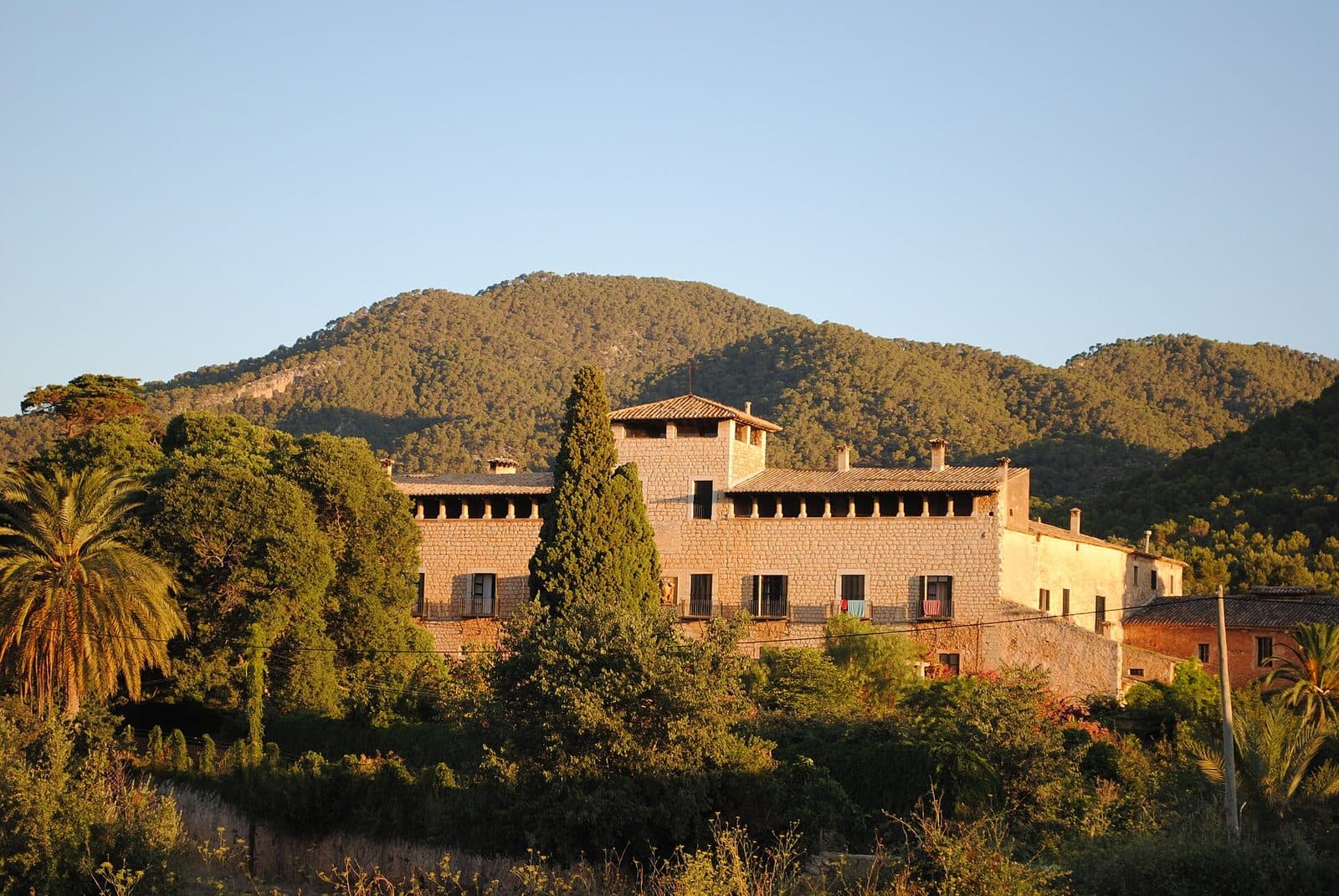

Son Torrella refers to a monument near Alaró in central Mallorca. When planning a visit, it is therefore essential to select the destination near Alaró explicitly. The appeal of this destination lies in its connection with Alaró’s historic surroundings. The village sits at the foot of the Serra de Tramuntana, surrounded by a landscape traditionally shaped by olive, almond, fig, and carob trees. Son Torrella is therefore best suited to travelers who do not want to tick off individual examples of Mallorcan cultural heritage in isolation, but instead wish to experience them in their rural context.
You should not expect a conventional attraction with a reliably documented tour, exhibition, or visitor center. Son Torrella is more of a carefully chosen cultural stop that requires preparation. Travelers who check the destination name, access, and current visiting options before departure can combine their visit meaningfully with Alaró.
Visiting Son Torrella
A visit to Son Torrella should ideally begin before arrival: by checking the exact destination. A confirmed location near Alaró makes planning easier.
Access to Son Torrella
Because no fixed visiting hours are recorded, current access should be checked before setting out. This is especially important if Son Torrella is the main reason for the journey. Its designation as a monument alone does not mean that the grounds may be entered freely at any time or that interiors, guided tours, or tourist facilities are available. A confirmed location is therefore more important than a tightly scheduled itinerary.
There is also no reliable current admission price on record. It is therefore inadvisable to plan based on older travel reports or automatically imported directory listings, as such information may be outdated. Obtaining up-to-date information not only helps avoid an unnecessary journey but also prevents private driveways or other people’s property from being mistaken for public access.
How much time to allow
No reliable fixed duration can be given for a visit to Son Torrella. The time required depends mainly on the access currently available and whether the monument can only be viewed from outside or explored more closely as part of a confirmed visit. For planning the day, it is therefore better to include Son Torrella in a stay in Alaró with sufficient extra time rather than assigning it a rigid time slot.
Anyone wishing to walk through Alaró afterward or continue toward the surrounding mountain landscape has a good alternative if access is restricted. The village is more than a place to wait: its old streets, location below the Tramuntana, and visible traces of its former economic and settlement history place the visit in a broader context.
Expectations and respect
Son Torrella should be understood as a monument, not automatically as a museum-style attraction. Signs, restrooms, places to eat, supervision, or an organized visitor route should not be expected without current confirmation. It is equally important to treat driveways, gates, and property boundaries with restraint. Where a path is not clearly public or access has not been explicitly granted, the visit must remain within the permitted area.
The same principle applies to photography: a historic destination can be interesting without every viewpoint being accessible. At rural monuments in particular, keeping a respectful distance preserves the character of the place and prevents conflicts with residents or owners. The most rewarding visit here is not the longest one, but the one that begins with the correct destination and realistic expectations.
Getting There and Parking
The stated distances and driving times lead to Alaró, not directly to Son Torrella. A destination position checked in advance is therefore needed for the final section. Before setting off, the place name and destination marker should be checked together.
From Palma Airport
The road distance from Palma Airport to Alaró is 27 kilometers. The drive takes around 48 minutes and follows the Ma-30, then the Ma-13, and finally the Ma-13A. The broad main route initially takes travelers out of the Palma area; only afterward does the route approach the more rural surroundings of Alaró.
This travel time ends in the village of Alaró. The final section to Son Torrella, which depends on the selected destination position, must be added. Because no confirmed road route directly to the monument is recorded, navigation should not rely on the name alone. The exact destination position should be confirmed before departure.
From Central Palma
The road distance from central Palma to Alaró is 24 kilometers. The drive takes around 53 minutes and follows the Ma-13 and Ma-13A. Although the distance is shorter than from the airport, the driving time is longer. The same applies here: the distance and travel time refer to Alaró, and the final section to the monument is not included.
Anyone combining Son Torrella with a stay in the village should park so that entrances and narrow streets remain unobstructed. A specific parking area directly at the monument is not included in the recorded visitor information. You should therefore not assume that dedicated parking is available at the destination, and you should pay close attention to local signs in Alaró and any access restrictions.
By Public Transport
No bus stop is recorded in the immediate vicinity of Son Torrella. A direct bus journey to the monument therefore cannot be planned. Travelers without a car should consider the connection to Alaró and the final section separately, checking in advance whether the route from their chosen arrival point is actually open to the public and suitable for their mobility needs. When planning a journey by bus, train, or taxi, you should therefore always specify “Son Torrella, Alaró” and confirm the destination position before departure.
Nearby Attractions
Alaró provides Son Torrella with an appropriate scenic and historical setting. The village lies at the foot of the Serra de Tramuntana, far from the large coastal resorts. Narrow streets, older houses, and the surrounding mountain slopes define a place whose history cannot be understood through a single building alone. Agriculture, mining, and shoemaking were among the industries that shaped Alaró over an extended period.
Alaró
The place name was documented as Oloron as early as the Middle Ages. There are different interpretations of its origin. One linguistic explanation traces it back to older name forms; another links it to the Arabic name Hisn Alarum and the mountain fortress visible from afar. For a walk through the village, this unresolved history of the name is more interesting than an apparently definitive translation, as it shows how many eras overlap in Alaró.
In the village itself, it is worth allowing time for a quiet walk through the older streets. Small shops, handicrafts, and local restaurants make Alaró a suitable starting or finishing point for the visit. Son Torrella therefore does not have to function as an isolated appointment. Even if access to the monument is limited, the journey to Alaró remains worthwhile when combined with a walk through the village.
Castell d’Alaró
Castell d’Alaró is the municipality’s best-known historic destination and can be linked thematically with Son Torrella, although the two attractions should not be confused. The elevated fortress represents the strategic importance of the location and several recorded episodes of resistance. An Arab account describes defenders who remained on the difficult-to-reach height for a long time following the conquest of Mallorca.
The castle later became a symbol of resistance again when the forces of Alfons III of Aragón fought the defenders of the Mallorcan kingdom. Anyone planning to visit Son Torrella and the Castell on the same day should, however, expect two very different experiences: one is a monument that must be sought out deliberately and whose access needs to be clarified in advance, while the other is an elevated excursion destination reached by a hike.
Landscape on the Edge of the Tramuntana
The southern mountain landscape of the Serra de Tramuntana begins around Alaró. Olive, almond, fig, and carob trees are part of the traditional appearance of the surrounding area. This cultural landscape explains why historic buildings and monuments here cannot be viewed separately from paths, fields, and agricultural land. A deliberate change of pace is therefore a good approach when planning the day: first, locate Son Torrella precisely, then walk through Alaró or take a separate excursion into the mountain landscape. This creates a well-rounded visit.
The place it belongs to
Alaró in the place guidePractical Visitor Information
The most important practical tip is unusually simple: the destination must say Alaró.
Preparation Rather Than a Spontaneous Detour
Before traveling, confirm the current access, exact position, and possible visiting conditions. This prevents an outdated marker from becoming the navigation destination. Because neither fixed hours nor a current admission price are recorded, it is also advisable to plan a day that still works without an extended stay at the monument.
Combining the visit with Alaró is the most obvious solution. Travelers who allow enough flexibility can respond to local information and then explore the village. A tight schedule with a reservation immediately afterward is less suitable because even the known driving times only extend as far as Alaró, and the final section must be considered separately.
Equipment and Conduct
Because no standardized visitor path is documented, equipment should be suited to a rural cultural stop. Practical footwear is more sensible than shoes intended only for smooth city streets. You should also bring everything you need rather than relying on tourist facilities being available directly at the monument.
For families, the deciding factor is not only the children’s age but also the access currently confirmed. Without a verified circular route, restrooms, or designated areas for visitors to spend time, Son Torrella should not be planned like a fully equipped family attraction. The village of Alaró provides a more reliable setting for breaks and for planning the rest of the day.
What Not to Expect
Photographs or descriptions of other properties create false expectations about the architecture and the course of a visit. Travelers who keep this in mind can approach the monument with the necessary precision. Son Torrella then becomes not a random result on a digital map, but a deliberately chosen destination in Alaró’s historic surroundings. Especially at places with less extensive tourist infrastructure, this careful preparation is an essential part of a successful visit.
Local insider tips
Check Alaró in the destination name
Before setting off, check not only “Son Torrella” but explicitly “Son Torrella, Alaró.” The historic estate of the same name near Santa Maria del Camí is a different attraction.
Driving times end in Alaró
The stated routes from Palma and the airport only lead as far as Alaró. For the final section to the monument, confirm the exact destination position separately and allow additional time.
Combine it with Alaró
Do not plan the visit as an isolated appointment. A walk through Alaró places the monument in its historical context and keeps the excursion worthwhile if access on arrival is restricted.
Connect two views of history
Son Torrella can be linked thematically with Castell d’Alaró: the monument stands in the village’s rural surroundings, while the elevated castle represents Alaró’s recorded history of resistance.