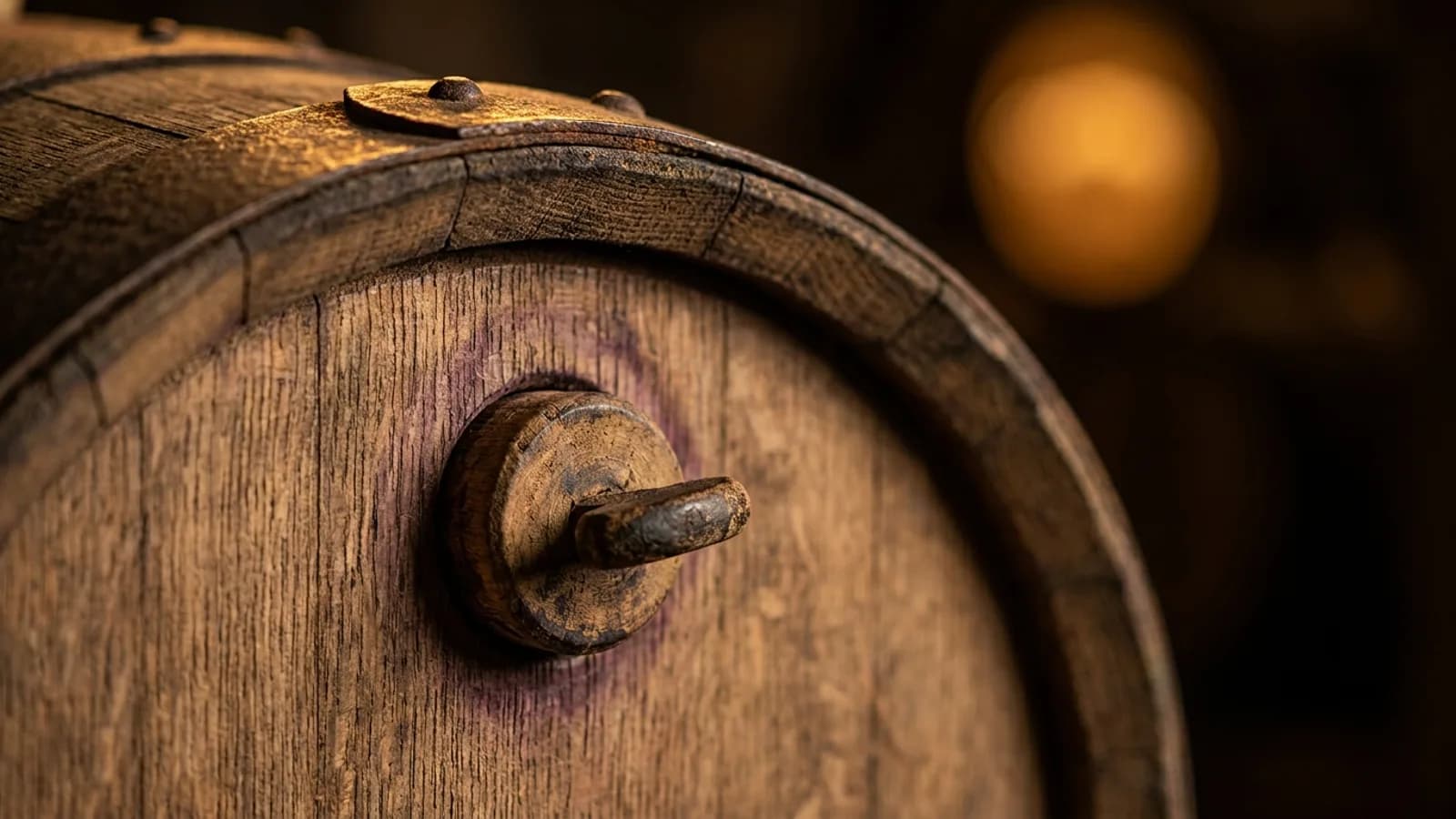
Bodega Biniagual sits in the heart of the Binissalem wine region, in the historic hamlet of Biniagual — a family-run winery on Mallorca whose heart is an entire small village: fourteen houses, a chapel and a historic cellar, framed by vines, olive and almond trees. Around 34 hectares of vineyards with more than 148,000 plants surround the place.
What makes Bodega Biniagual special
Here you don't simply buy wine — you step into a living landscape. The hamlet is part of an estate of roughly 170 hectares where vines grow alongside olives, almonds and seasonal fruit such as oranges and lemons. A flock of around 300 sheep keeps the soils naturally fertile, part of an integrated, sustainable approach that minimises chemicals.
Beyond the wines, the estate makes its own olive oil ("Oli Finca Biniagual") and homemade orange and lemon jams. In the Vinoteca you can pick all of it up at cellar-door prices.
Wines & grape varieties
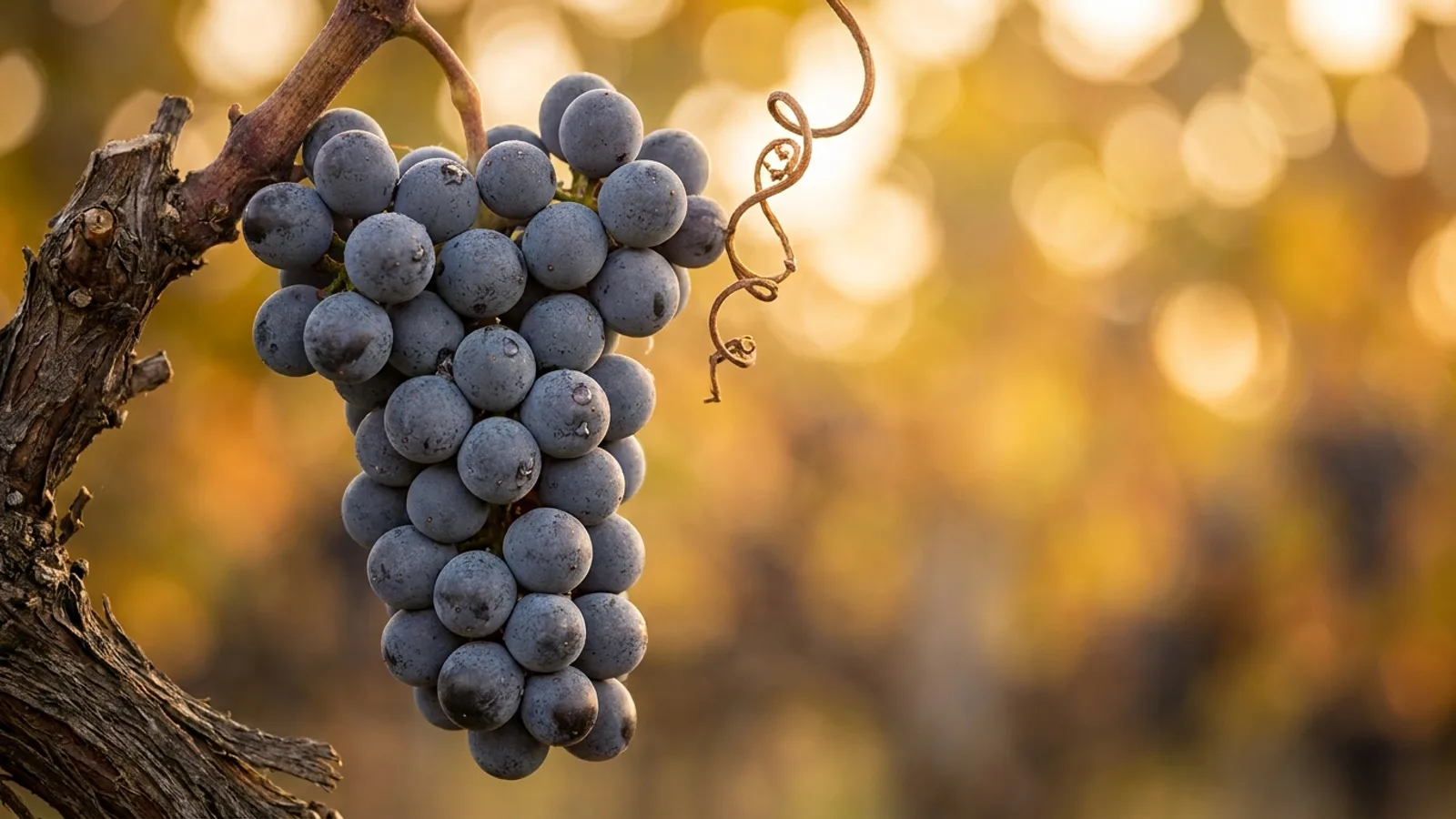
The focus is on indigenous varieties: the red Manto Negro is the basis of every red wine and the sole grape of the rosé, while the white Prensal shapes the Memòries de Biniagual Blanc. Cabernet Sauvignon, Syrah, Chardonnay, Viognier and Muscat round things out. Six characterful wines are made this way, among them the Verán and Gran Verán ranges and Memòries de Biniagual.
The Gran Verán is the flagship — a blend of roughly 45% Manto Negro and 55% Syrah, aged eighteen months in oak, with dark fruit and a peppery finish. The reds spend twelve to eighteen months mainly in French oak, then around a further year in bottle before release.
Tastings & tours
In the Vinoteca you taste the wines in a relaxed, almost club-like atmosphere, often paired with traditional tapas. A guided tour through village, cellar and vineyards lasts around two hours and offers real insight into the estate's philosophy; six wines are usually part of it.
The guided tasting is best arranged in advance (minimum four people), while à la carte drop-ins are also welcome. Special formats appear from time to time, such as a wine-and-cheese tasting led by the in-house sommelier.
History & terroir
Vines have grown in Biniagual since the 13th century, and the hamlet itself dates back to Moorish times; in 1264 it passed to the Jonqueres Monastery. After centuries and a plague that left it deserted, viticulture was resumed only in 1998, with the bodega pressing its first wine soon after.
Everything is harvested by hand, from winter pruning to a highly selective picking. An in-house grower's rule limits each vine to just 1.5 to 2 kilos of grapes — less quantity, more concentration. A quiet, elegant place that lets you dive deep into Mallorca's wine culture.