La Casa del Ramen sits on Carrer de Pere Llobera in Pere Garau, a densely built residential quarter east of Palma's old town, a few streets from the Mercat de Pere Garau. The name is slightly misleading: the cooking here is Chinese, not Japanese. That fits together better than it first sounds — behind the word ramen stands the Chinese lamian, which means nothing other than noodles pulled by hand.
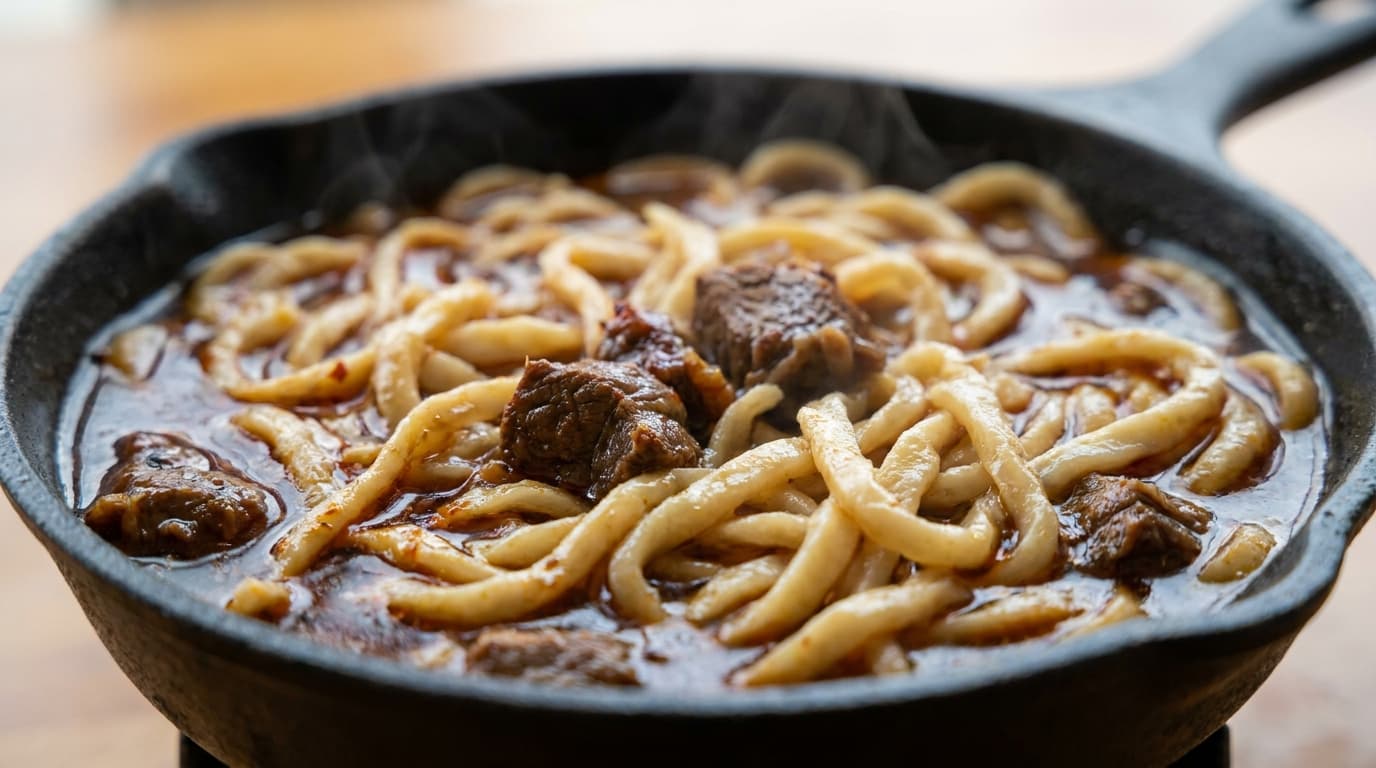
Those noodles are the discipline of the house. The dough is pulled rather than cut, and the finished strands go either into a robust broth or into the wok. Everything else on the menu arranges itself around that one thing.
The room itself is small and plainly fitted out. Anyone looking for a carefully composed setting is in the wrong place. What guests describe again and again instead: friendly service, very large portions, and a bill that comes out modest for what arrives.
La Casa del Ramen and the hand-pulled noodle
The noodle here is not a side matter but the reason the house exists. Hand-pulled dough gives a different texture from cut dough: more irregular, more elastic, and sturdy enough not to go soft in a heavy broth. The pulled noodles appear on the menu in several versions — in broth with beef, with beef from the wok, with pork ribs, and with pickled cabbage and strips of pork.
Beef is the workhorse. It arrives braised, both as a dish in its own right and as the filling of the spicy beef noodle soup. And anyone reading through what guests report keeps meeting the same two recommendations: the hand-pulled noodles with beef, and the fried rice noodles.
What is on the menu
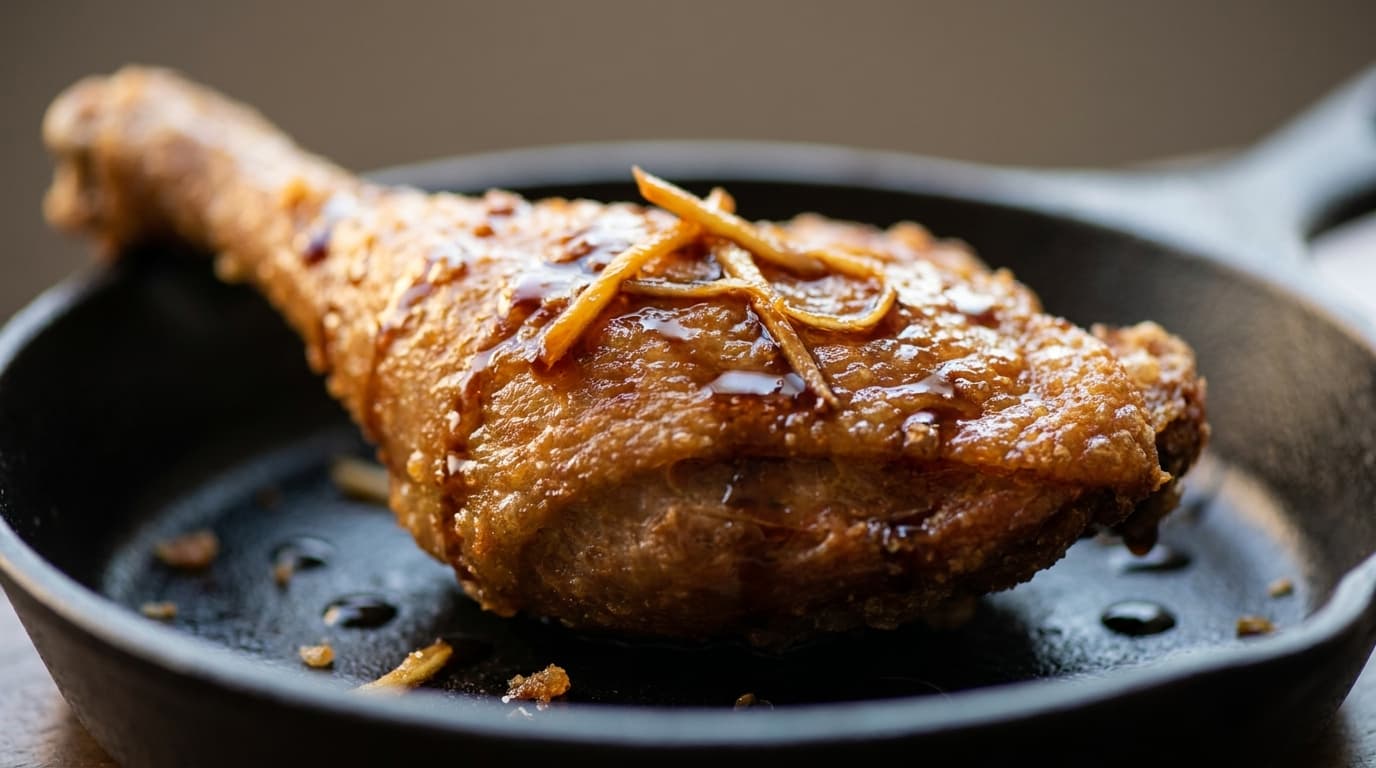
Alongside the noodle bowls, the house runs a wider secondary menu than you would credit a noodle specialist with. There are gyoza, stuffed flatbreads, lacquered duck, braised beef as a course of its own, and a cucumber salad as a light starter. Among the noodles themselves the choice runs from hot and sour noodles through egg noodles in the Qingtian style to the tallarines tres delicias.
That range is the real clue to how the house should be read: not as a ramen bar in the Japanese sense, where three broths are carefully varied, but as a Chinese noodle kitchen in which the pulled noodle forms the centre and wok, braising pot and stuffed flatbread stand beside it as equals.
Pere Garau, Palma's Asian quarter
Around the Mercat de Pere Garau the densest concentration of Asian restaurants in the city has formed — Chinese, Japanese and Indian houses within a few blocks. The association of the Chinese community in the Balearics counts La Casa del Ramen expressly among those tightly focused addresses that have taken their place beside the quarter's classic, broadly stocked Chinese restaurants.
For you that means: you are not arriving in a nightlife strip but in a residential and working quarter where people eat because it is good and inexpensive. The market is worth the walk in any case, and if one address is full, the next is rarely more than a street away.
Facilities & services
Parking
- Paid
- Street parking
- Free
Accessibility
- Entrance
- Seating
Payment
- Credit card
- Debit card
- Contactless
Service
- Delivery
- Takeout
- Dine-in
- Table service
Features
- Restroom
- Vegetarian
- Bar on site
- Vegan
Atmosphere
- Casual
- Cozy
- Trendy
Highlights
- Great coffee
- Great beer selection
Reservations
- Reservations accepted
- Reservation recommended
Good for
- Families with children
- Groups