Urbe sits halfway along Carrer de Blanquerna in Palma, on the stretch the island press describes as the city's gastronomic mile. The name fits: an urban dining room that openly offers calm in the middle of the city's noise. The kitchen cooks fusion — Japanese, Chinese, Italian, Peruvian, Mexican and Cuban influences resting on a Mediterranean base.
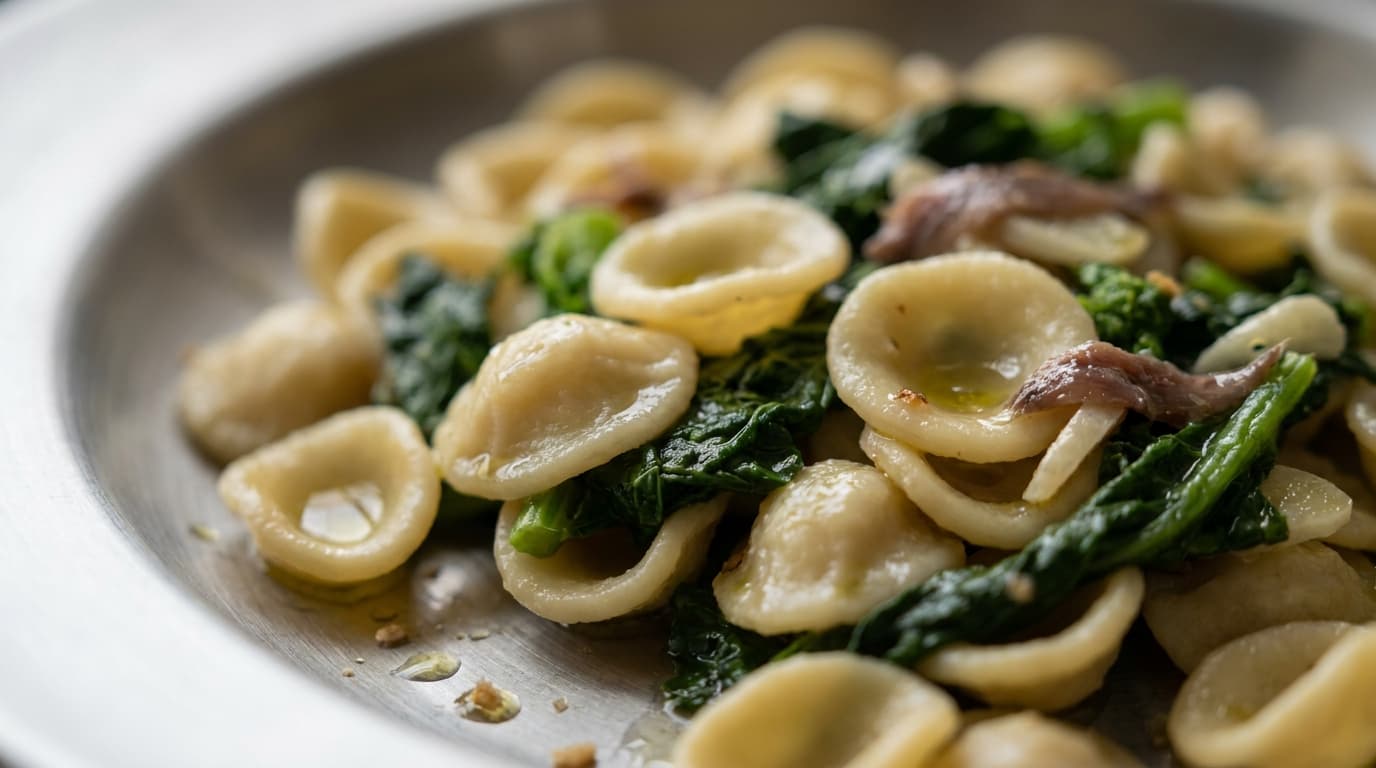
That could sound arbitrary and turns out to be the opposite. The menu is broad: tapas, ceviches, pasta, rice dishes and paellas, fish, burgers, meat from the grill and a vegan section of its own. Yet the plates carry a signature, and the portions are generous. If it is your first time here, order across the starters.
Ceviches, tataki and a taco made of seaweed
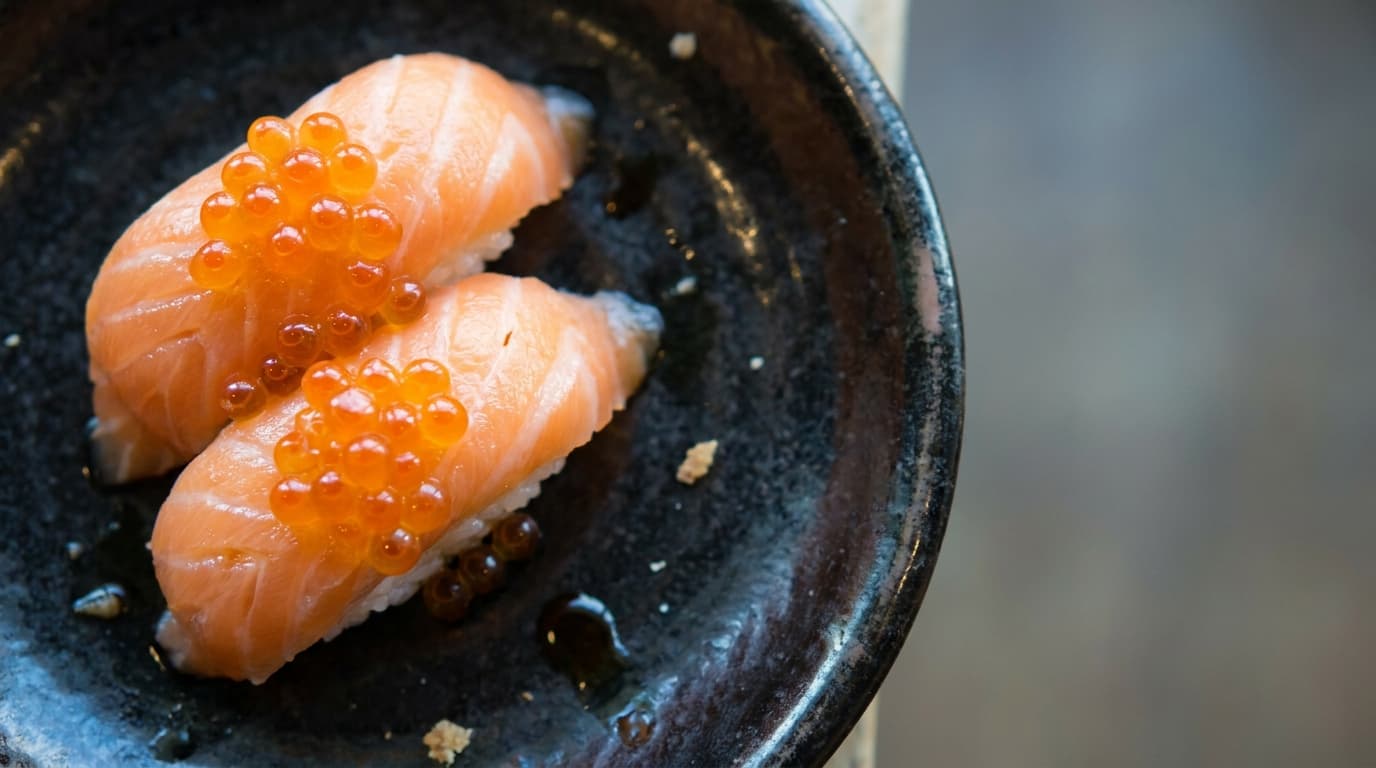
The best-known dish of the house is the taco de algas. A sheet of nori is fried in tempura batter and shaped into a crisp shell, filled with seasoned rice, wakame and a tartare of tuna or salmon, finished with a chojín sauce of Guatemalan origin. It is hard to sum up the idea of this house more briefly.
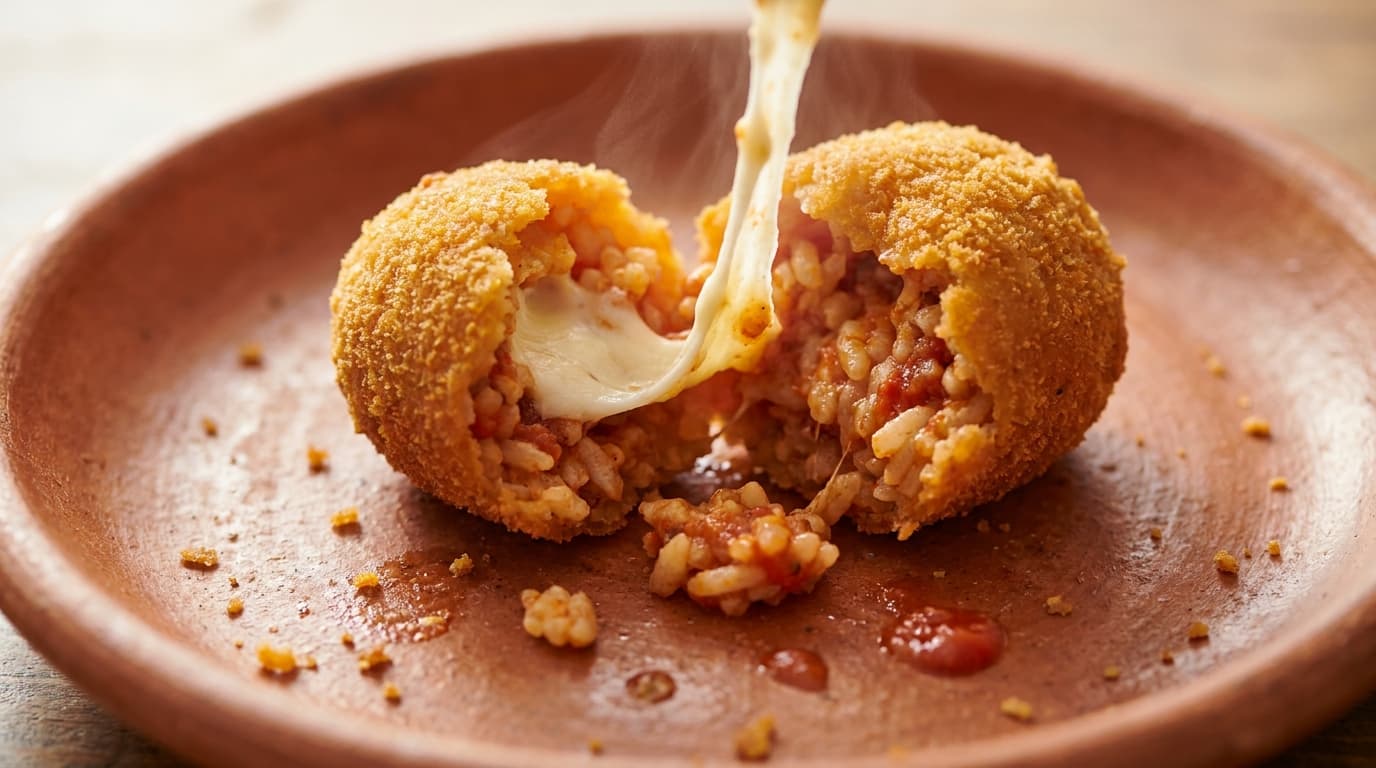
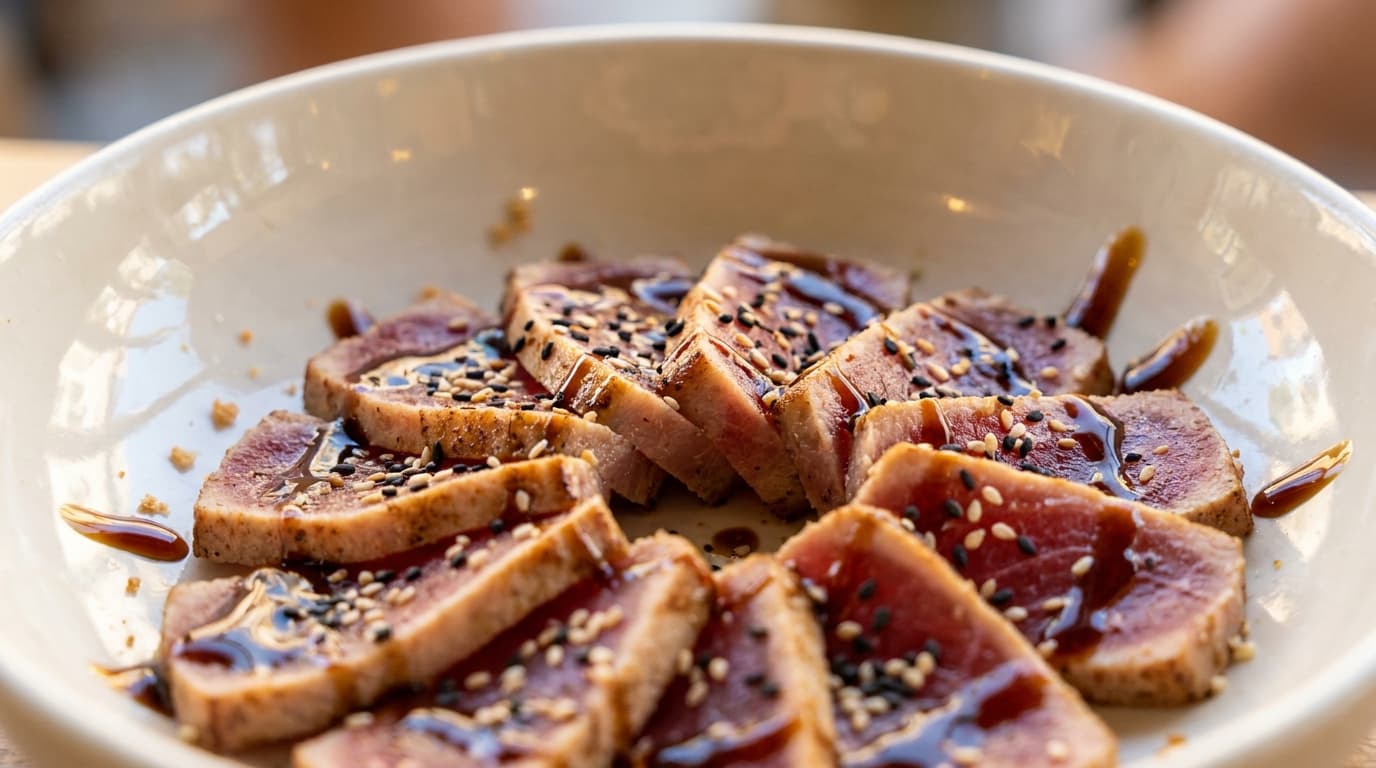
Among the ceviches the Machu Pichu is the classic: sea bass with fried quinoa, onion and coriander, the crisped skin of the fish alongside and a leche de tigre made to the house recipe. Next to it stand a Greek-minded version with feta and a third with octopus and prawn. The tuna tataki arrives with sesame and an eel sauce, the tuna tartare with avocado, pico de gallo and sharp guilin chilli. The Chibuya roll — named after the Tokyo district of Shibuya — comes wrapped in rice paper, with vegetable threads, prawn and ripe plantain. The croquettes are made in house too, one with pesto risotto and prawn, one with chicken, curry and coconut.
Paellas, the grill and a vegan menu
Urbe describes itself as specialising in paellas, and that is not a footnote. There is a mixed one, one with seafood, a black version and the traditional Valencian formula; several are listed as ciega, meaning shell-free. They are cooked from two people upwards, and the rice dishes are made on the premises.
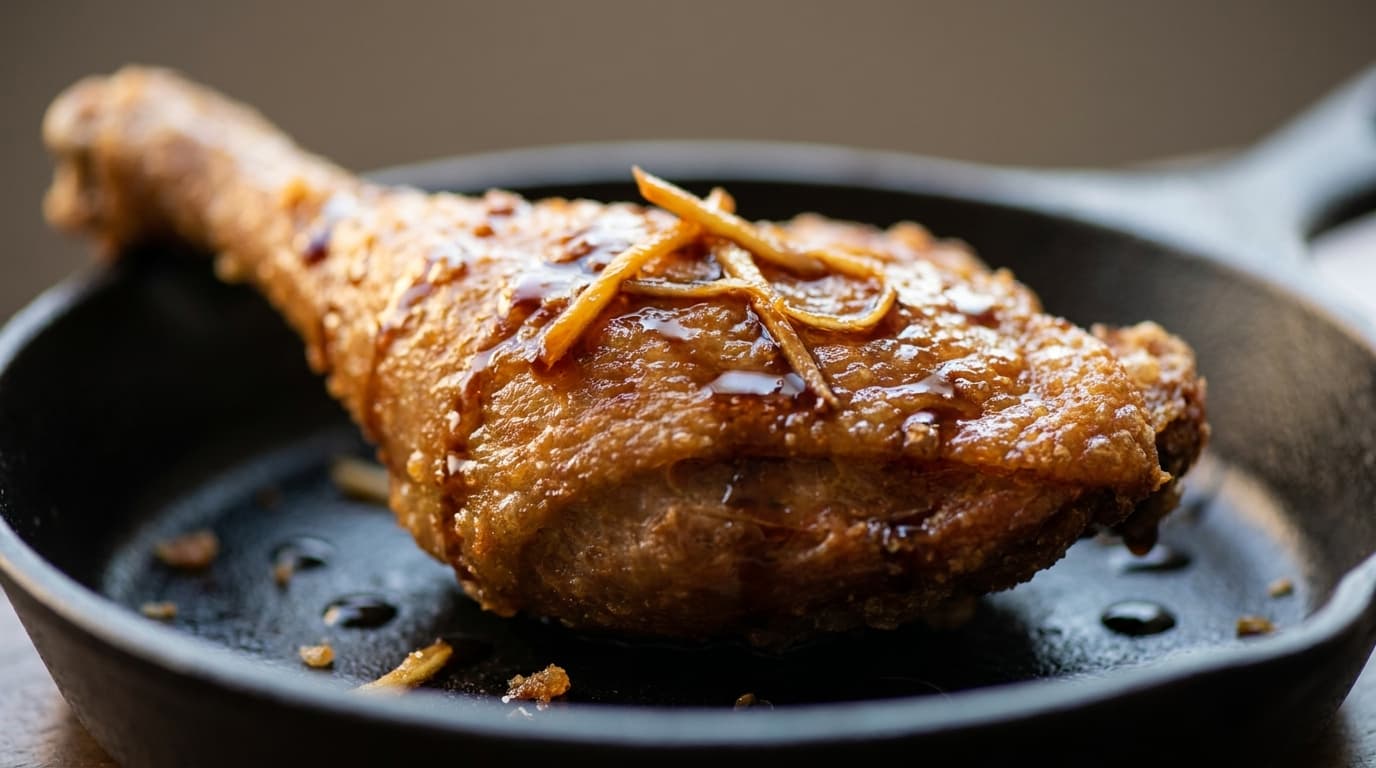
From the grill come entrecôte, beef fillet, a large steak for sharing and a pork chop wrapped in Iberian ham and cooked for hours at low temperature, alongside pork cheek. Five dishes on the menu are vegan, among them aubergine milanesas with chickpea hummus and a version of the seaweed tacos with guacamole.
Who is behind Urbe
Rubén Martínez, Cuban, runs the dining room, an open and talkative host. Samuel de la Paz, Dominican, runs the kitchen, quiet and methodical. The two met at the Moll Vell in Palma, where they worked in neighbouring restaurants; out of that came the decision to build something of their own. De la Paz learned his trade in the Dominican Republic and cooked there for a former head of state before the island drew him in. The operating circle also includes the Andalusian businessman José Miguel Campos, who found the premises.
Blanquerna, the terrace and the room behind
The terrace stands in the pedestrian zone of Blanquerna, and on mild evenings that is the best place to sit. From the front Urbe looks small; towards the back it opens into a distinctly larger room that suits bigger parties. The decor is kept in shades of green, carefully done and never pushing itself forward.
Booking is done by telephone, and it is worth doing. Because the front part is compact, that matters especially if you are coming as a group or want a paella.
Facilities & services
Parking
- Paid
- Street parking
- Free
Accessibility
- Entrance
- Restroom
- Seating
Payment
- Credit card
- Debit card
- Contactless
Service
- Takeout
- Dine-in
- Table service
Features
- Outdoor seating
- Wi-Fi
- Bar on site
- Vegetarian
- Vegan
Atmosphere
- Casual
- Cozy
- Trendy
- Quiet
Highlights
- Great wine list
- Great cocktails
- Great coffee
Reservations
- Reservations accepted
- Reservation recommended
Good for
- Families with children
- Groups