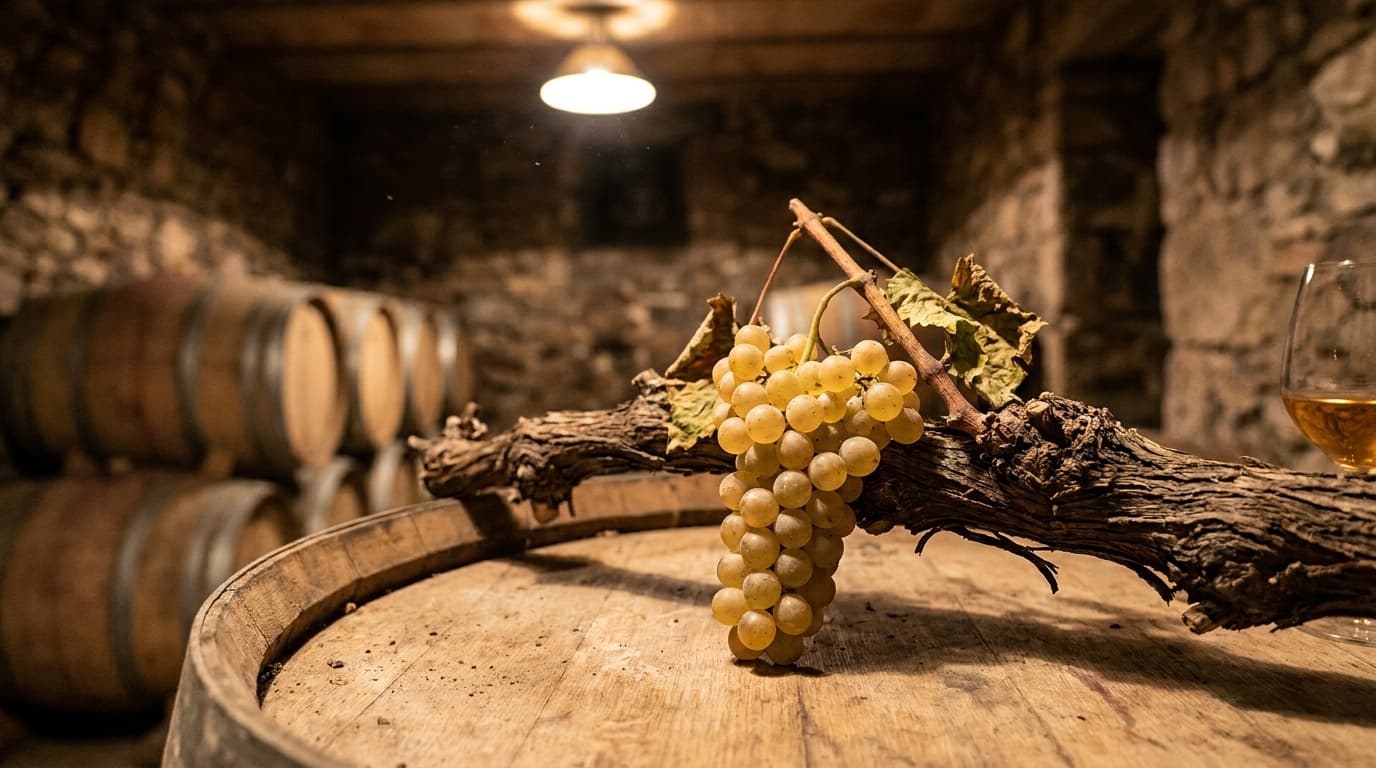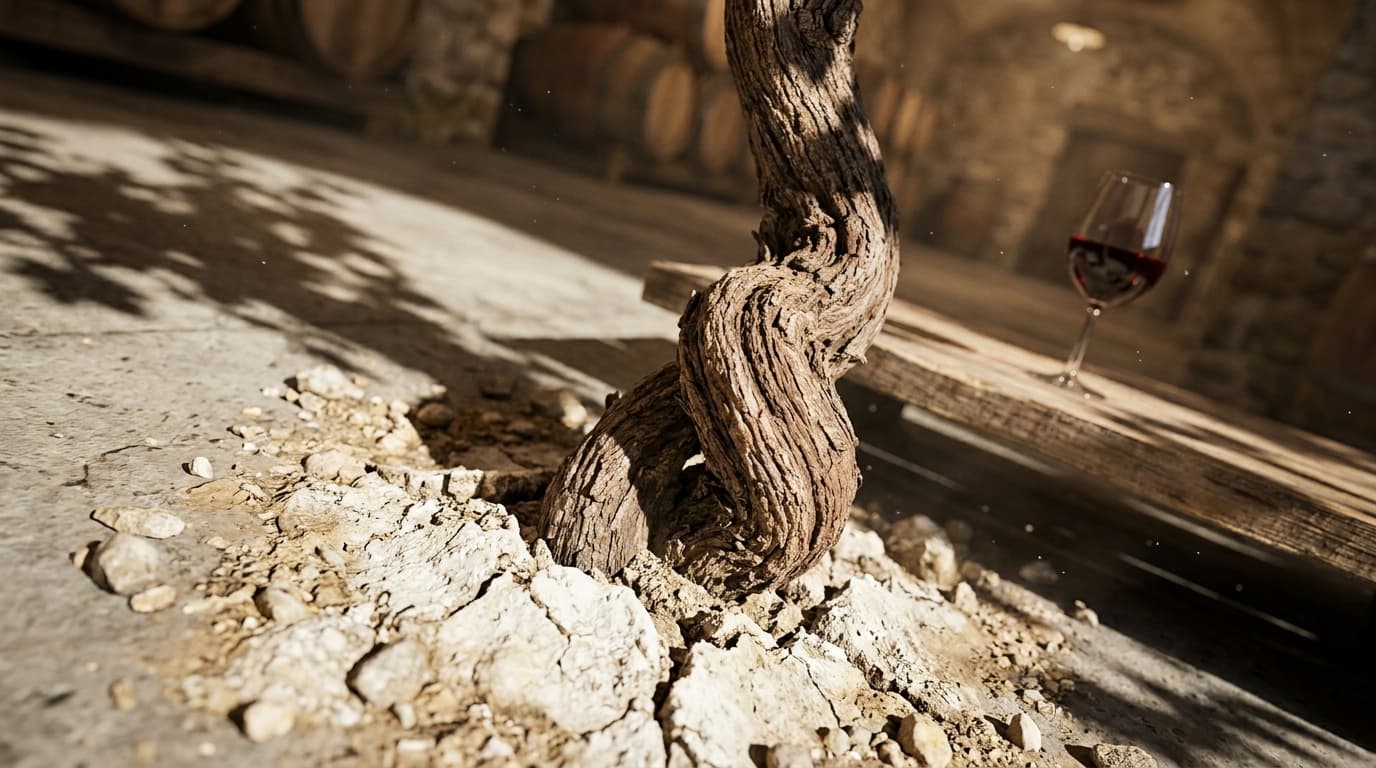
Soca-Rel micro celler is one of the smallest wineries on Mallorca, and one of the most single-minded. Behind the project stands Pep Rodríguez, who farms four and a half hectares of vines between Consell and Binissalem, spread across three small parcels. The cellar sits right at the edge of the vineyard: a plain, functional building in which one single person does everything, from the pruning to the bottling.
It all started with a rented finca halfway between the two villages. From there Rodríguez gradually took on abandoned parcels, leased against the promise of putting them back in order, and paid for in wine. Where others sold their vineyards or let them fall derelict, he brought them back.
He learned his craft not at a college but in the field: first as a farm hand on a Mallorcan possessió, later in the vineyards of José L. Ferrer, the largest bodega on the island. The name of the estate was his wife's idea. Soca-rel means roughly of pure stock in Mallorcan, and there is a dig in it at how fiercely the island guards what is its own: Rodríguez comes from the south-west and is still counted an outsider in Binissalem.
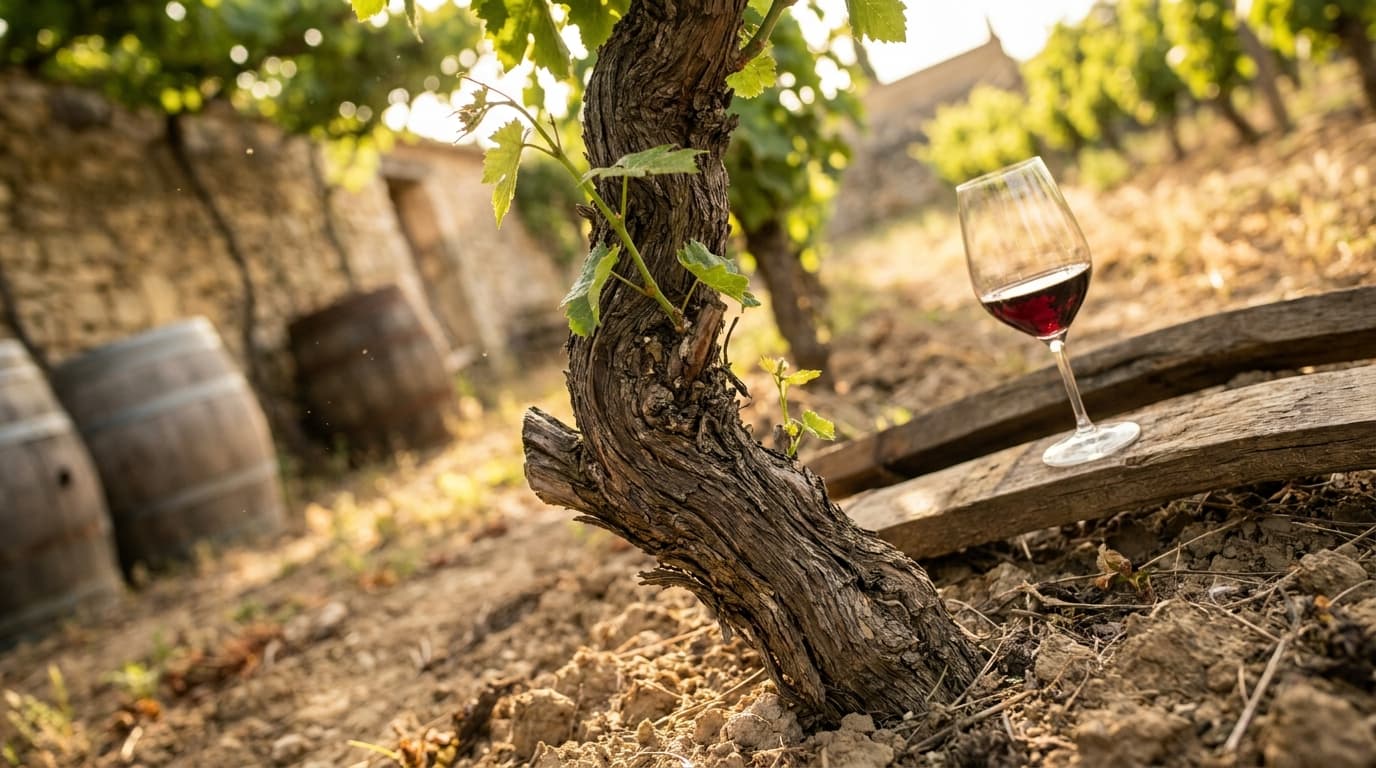
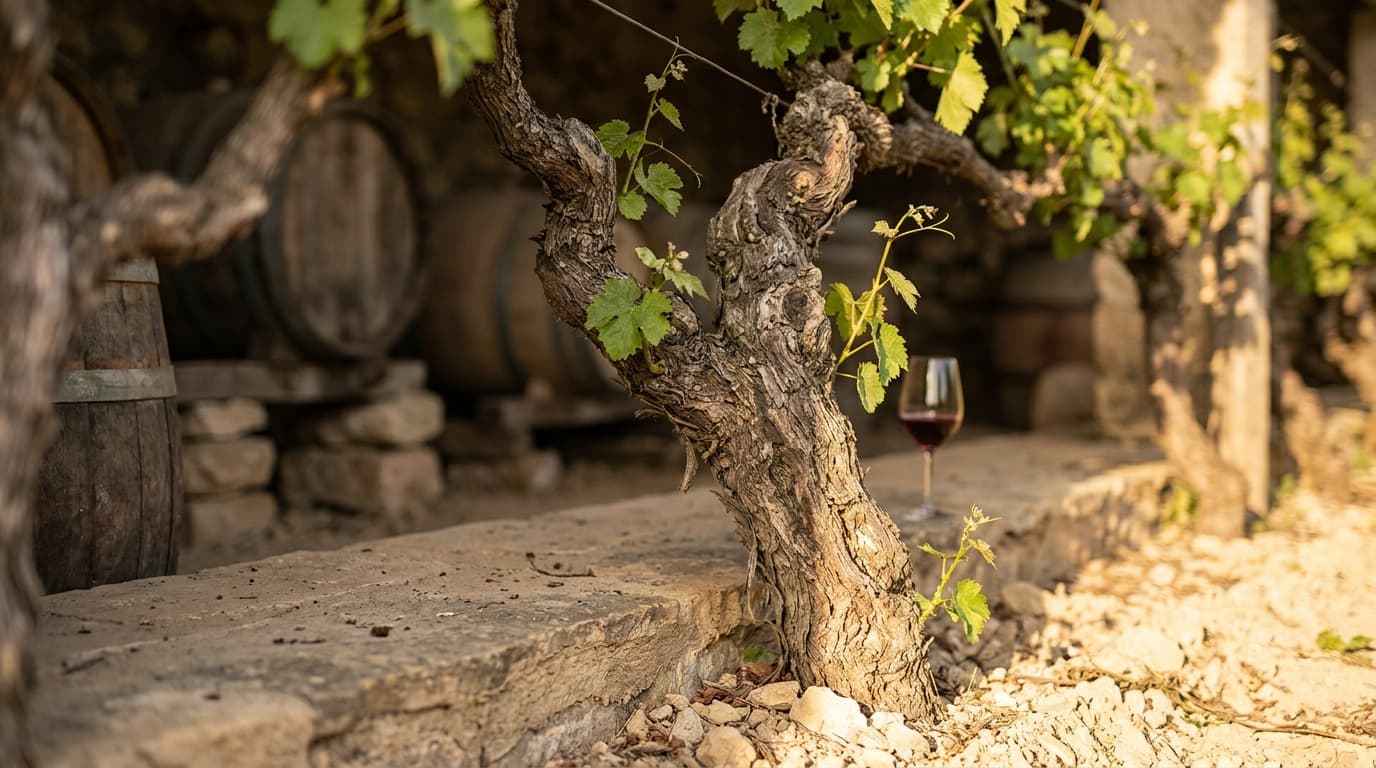
The vineyard of Soca-Rel micro celler
What grows here looks less like rows of vines than like a garden. Olive and fruit trees stand among the vine stocks, throwing shade and cooling the microclimate; sheep keep the grass down and manure it as they go. The farming is certified organic, and the harvest is picked by hand.
The soils are deep. Behind Binissalem rise the twin mountains of Alaró, the remains of a long-eroded range, and what has washed down from there onto the plain over millennia lets the roots reach as far as five metres down. For old vine stocks in a hot, dry summer that is the decisive advantage.
Thirteen native varieties
Rodríguez plants only varieties that are at home on Mallorca, thirteen of them in all. The backbone is Manto Negro, Escursac, Esperó de Gall, Fogoneu and Vinater Blanc, with Mancés de Tibús alongside. Vinater Blanc is still not an authorised wine grape; the procedure has not even begun, because virus-free planting material is next to impossible to find. White varieties were never part of the plan, the enthusiasm came at a tasting of minority varieties at the University of the Balearic Islands.
There is also a small experimental parcel with material from the university's research vineyard: Argamussa, Quigat and Valent Blanc among the whites, Callet Negrella, Giró Negre and Vinater Negre among the reds. Names that practically nobody outside the island knows, and that were long given up for lost here too.
Wines without an appellation
Little happens in the cellar: whole berries instead of crushed must, spontaneous fermentation with the yeasts from his own vineyard, and the cap kept submerged so that extraction stays gentle. Ageing is mostly in steel, a part in French oak. The core range is three reds: a single-variety Manto Negro, an Escursac, and the half-and-half blend of the two, which he ferments together so that each variety keeps its own voice. Beside them stand a Politxó from Esperó de Gall, a white Politxó, and a Manto Negro from the plot called Pla de Buc.
What is remarkable is what the bottles do not say. Consell and Binissalem are both among the five municipalities of the D.O. Binissalem, yet Soca-Rel belongs to no appellation at all: vintage and variety are certified, and nothing more. The natural-wine label that some merchants like to pin on him is one Rodríguez declines for himself.
Visiting and where to find the bottles
Soca-Rel is not set up for wine tourism: no tasting room, no farm shop, no programme for visitor groups. The cellar is a place of work, and the work hangs on a single pair of hands. If you want to taste the wines, you are more likely to find them in the island's wine shops and on the lists of ambitious restaurants; part of the good fifteen thousand bottles made here each year goes abroad through importers.
Facilities & services
Payment
- Credit card