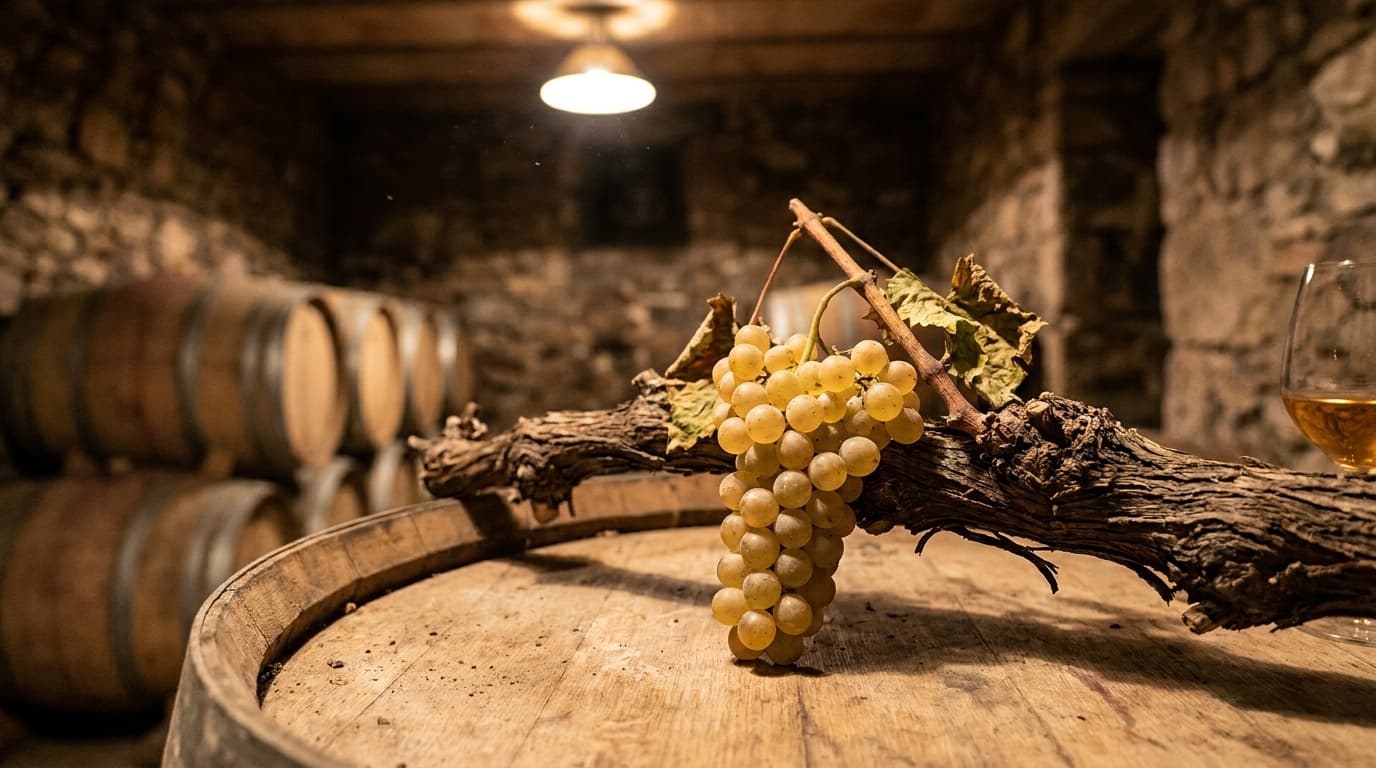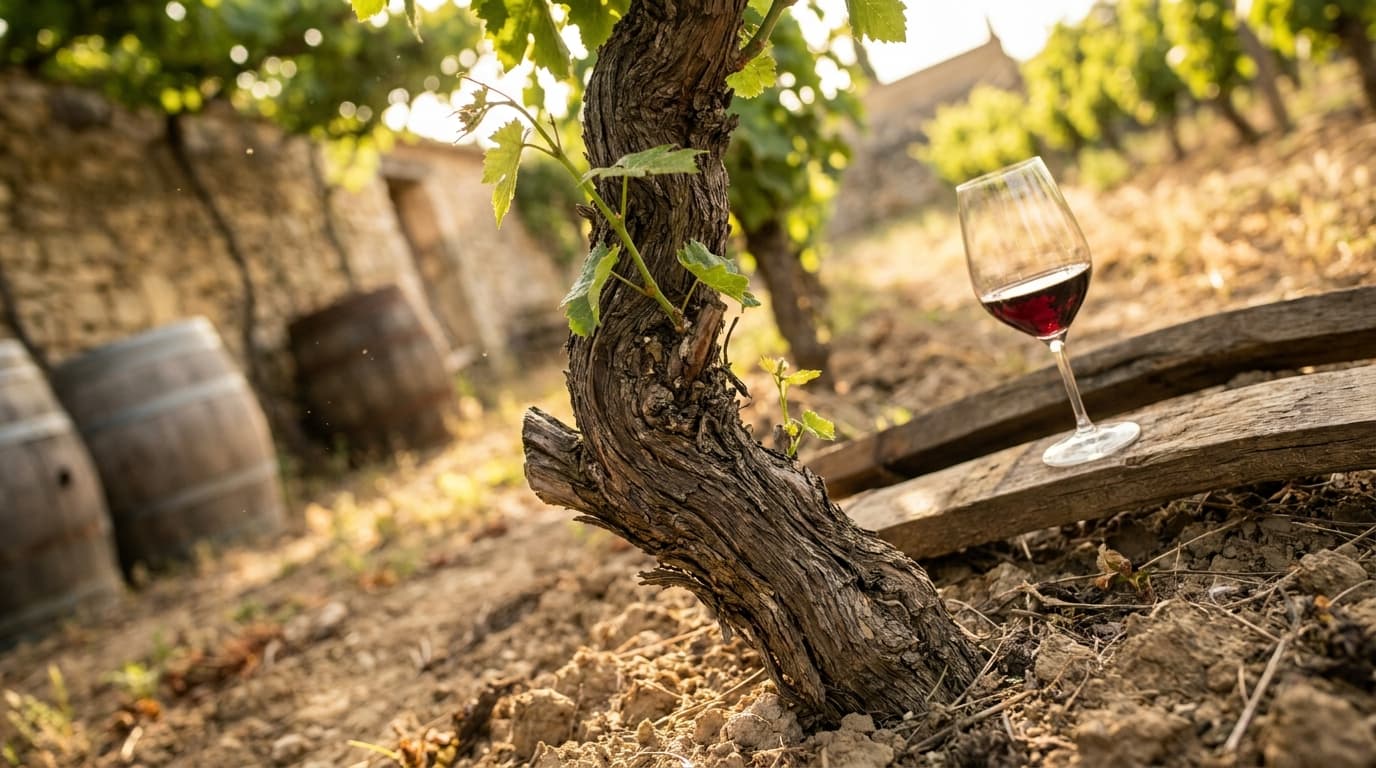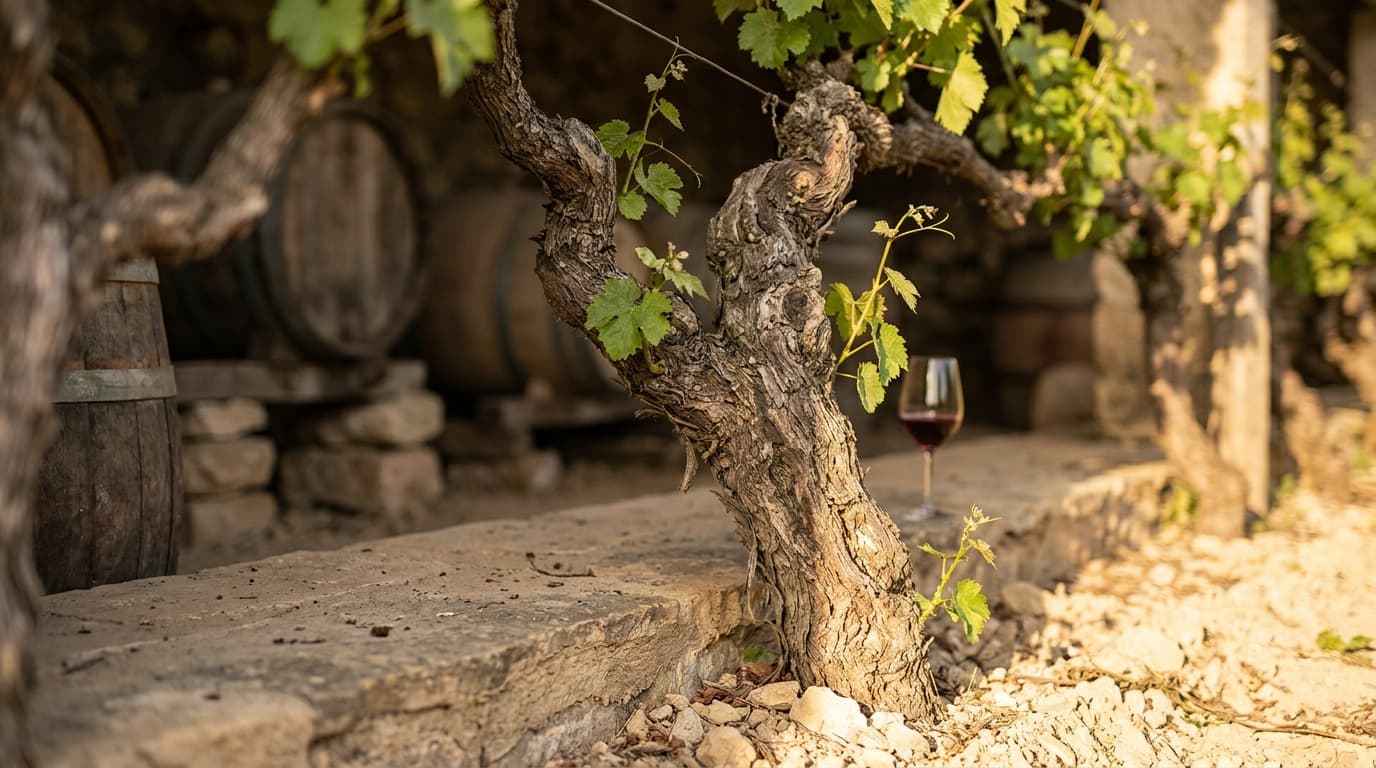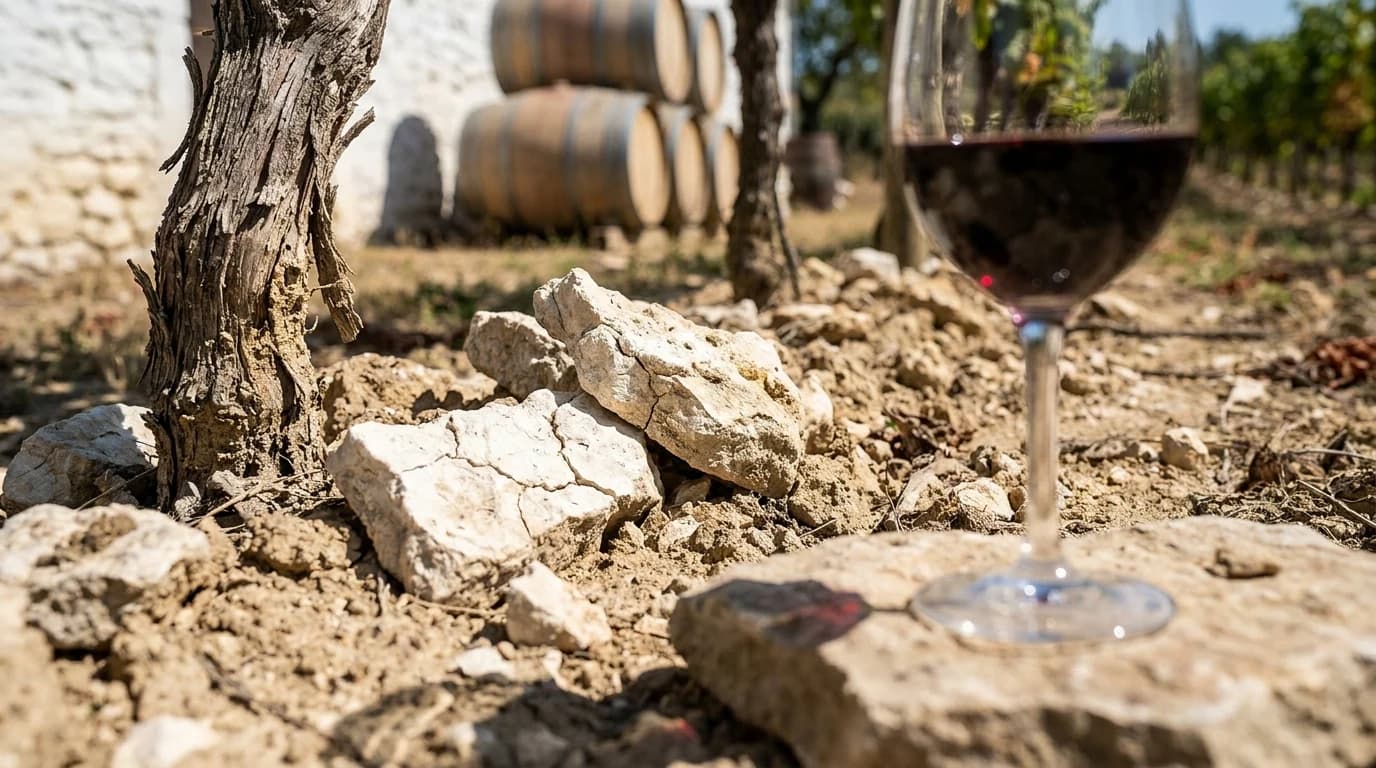
Between old olive and carob trees, where the wind sweeps unhindered across the limestone, sits Son Tortova – a small winery on the Cami Tortova outside Manacor built around seven carefully chosen vine plots. The soil is poor and chalky, the summers hot, the wind constant: exactly this harshness, in the estate's own account, forces the vines to root deep and gives Cabernet Sauvignon, Syrah and Merlot their structure and power. Woven through them is Manto Negro, the old native variety that lends the wine its distinctly Mallorcan character and carries the island's traditional winemaking forward. All four varieties are blended each year into a single cuvée – limited to roughly 3,000 cases and named, simply, after the place itself: Son Tortova.
The estate is run by a small team of five people, and reviewers consistently note how much dedication shows through in the way they work. Visitors are taken on a personal walk through the grounds – past the vine rows and limestone outcrops – with explanations of the topography, the soils and the individual grape varieties. Several guests specifically mention how generous the guides are with their time, whether the group is a couple or larger. The tour is typically followed by a tasting, and multiple accounts mention small Mallorcan bites served alongside the wines – a detail that comes up often enough to be worth noting. On at least one occasion, guests were even sent off with two bottles as a gift, a mark of the personal hospitality that many reviews describe.
The landscape itself is part of the draw: old olive and carob trees line the plots, wild scrubland scents the air, and on clear days the view stretches out to the sea. Visitors repeatedly describe the vineyards as still young and taking shape – fresh vine rows standing visibly alongside the older, established structure of trees and dry-stone walls – which gives the place an unfinished, living quality rather than a manicured one.
Son Tortova is explicit about not aiming to be a large operation: production stays deliberately small at around 3,000 cases a year, and the tours are described as personal and individually guided rather than run as a standard program for big groups. For anyone looking for a wine visit with a family feel rather than coach-tour scale, guest accounts consistently point to exactly that here. Free parking is available on site, and payment is cash only. Those interested in the wine itself can also order the current cuvée directly through the estate's own online shop, a sign that the winery reaches drinkers beyond its own gate as well as those who visit in person.