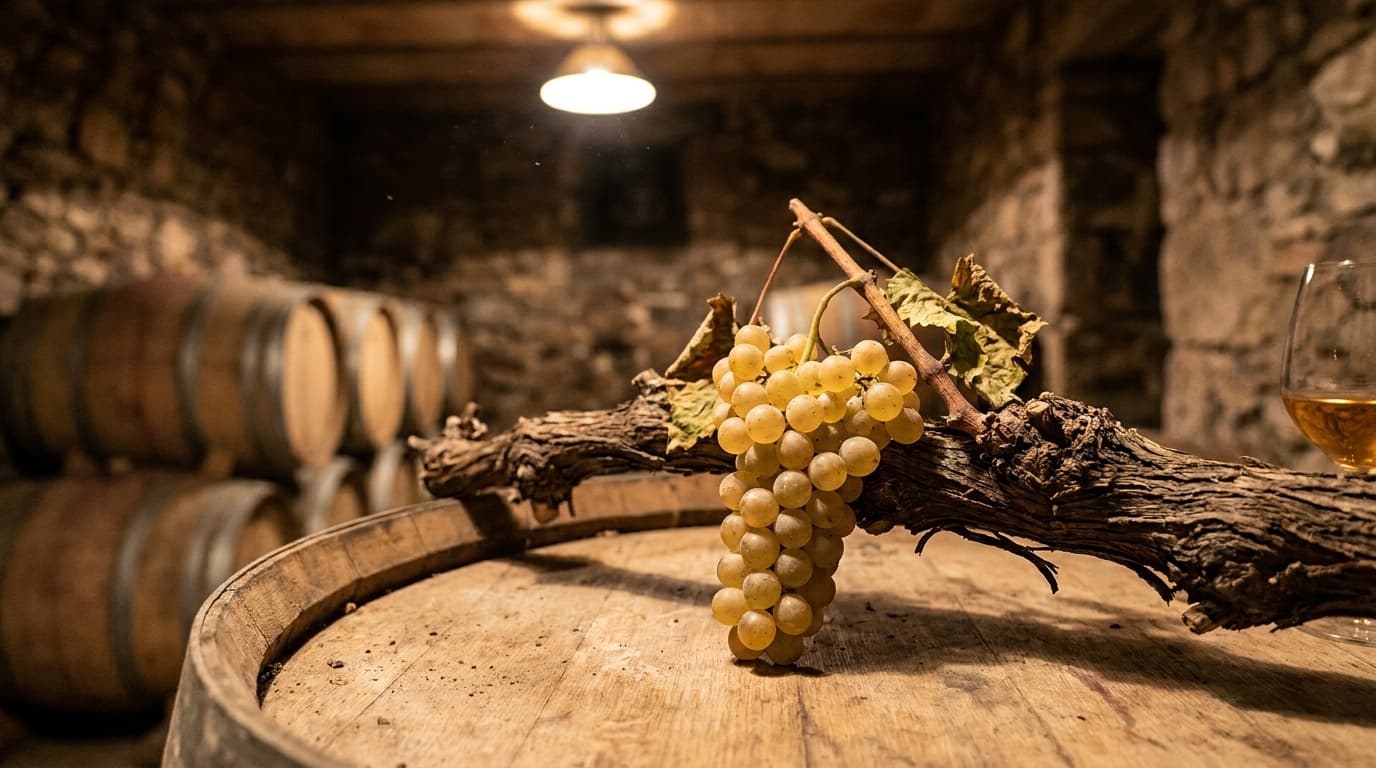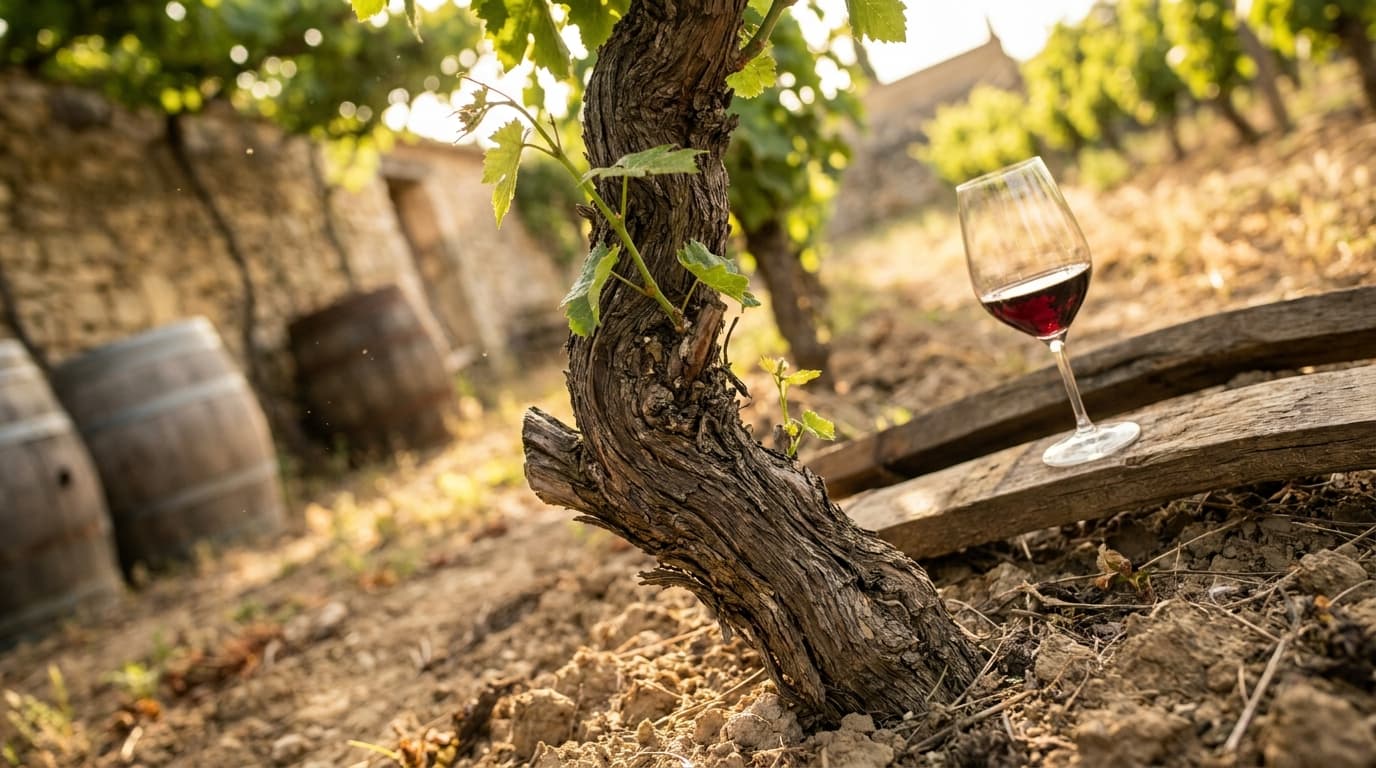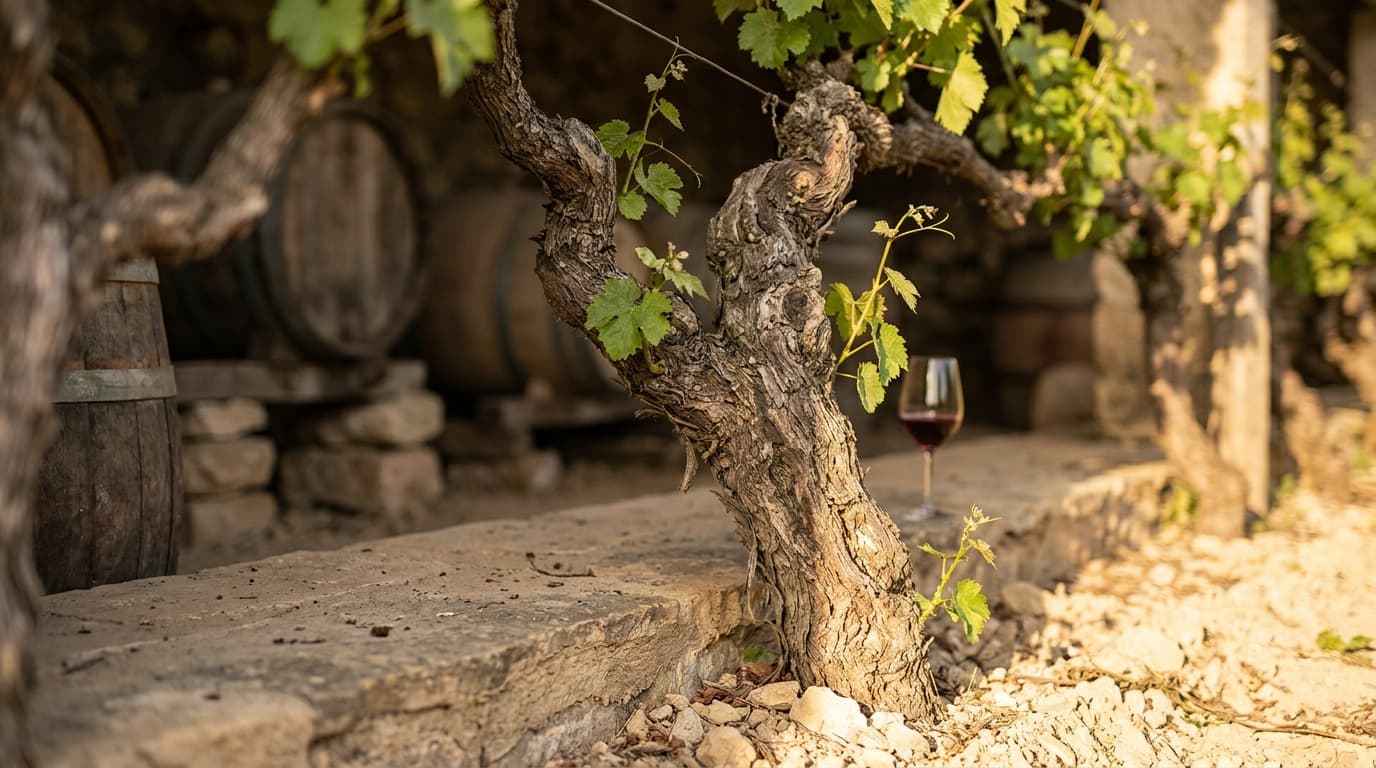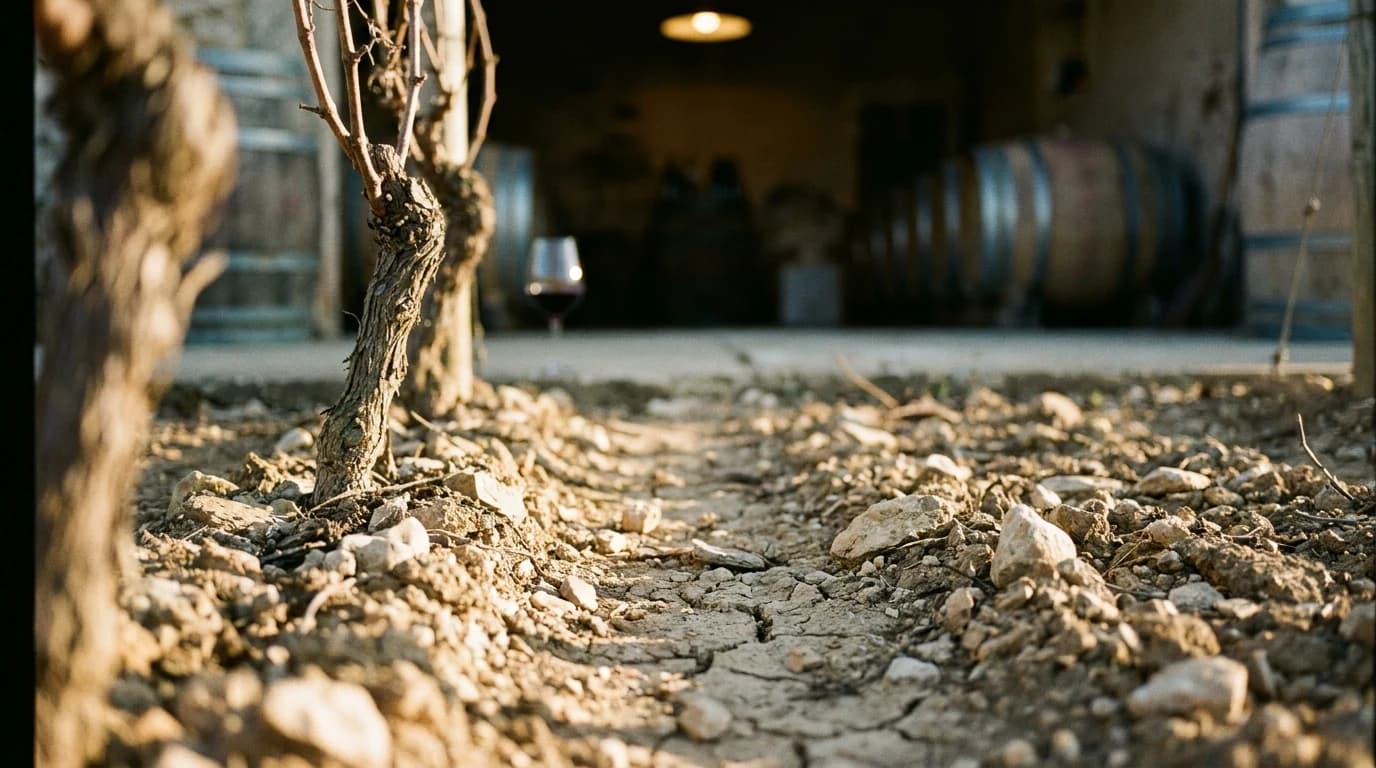
Vinya Tribaneli sits along the Cami de Son Cortell, deep in the rural stretch around Castellitx de la Pau near Algaida — one of the quietest corners of Mallorca, marked by farm tracks, dry-stone walls and the nearby Ermita de la Pau hermitage, a quiet historical neighbour presiding over the whole area. Google lists the business under the vineyard category, alongside farm and service — a strong indication that vines are actually grown and grapes processed here, rather than this being simply a tasting room pouring bought-in wine.
Piecing together the available visitor accounts gives a concrete picture: reviewers refer to a producer named BOD Wijngoed, which set out with its very first vintage. Already in that opening chapter, three wines of its own were made — a Blanco, a Rosado and a Tinto. One visitor specifically mentions a white from this early line, enjoyed with a Swiss cheese fondue back home in the Alps — a small but telling sign that these early bottles have already travelled beyond the island and found appreciation there. Several independent comments praise the concentration and drinkability of these debut wines, a notable compliment given how young the estate is, and more than one taster explicitly voices curiosity about how the winery will develop in the years ahead.
What emerges is a young, still hands-on wine project: a vineyard tucked into the quiet hinterland of Algaida whose early releases have already caught attention, with its three core wines — Blanco, Rosado and Tinto — described by tasters as promising and notably concentrated. Anyone expecting a long-established estate with a formal appellation pedigree will not find one here: no verified detail is available on specific grape varieties, an official Denominación de Origen, vineyard size, or a fixed cellar-door address for direct sales, and none of that is claimed. Fixed visiting hours are likewise undocumented, and these gaps are deliberately left open rather than guessed at.
What can be said with confidence is that wine is being made on the estate's own ground in the island's rural heart, a project still at the beginning of its story, whose first results have nonetheless genuinely piqued the curiosity of those who have tasted them, with many watching to see where it goes next. For travellers drawn to Mallorca's quieter, still-emerging wine corners, the countryside around Castellitx de la Pau offers a glimpse of the island's older rhythm — dirt tracks, old stone walls, the hermitage standing as a silent neighbour, far from the coastal bustle. Vinya Tribaneli fits into that landscape as a place where winemaking is young but visibly ambitious, with early results convincing enough that it is a name worth remembering as the still-young vines mature and the wines gain further depth.