
Reserva marina de l'illa del Toro: Mallorca's Underwater World
.jpg)
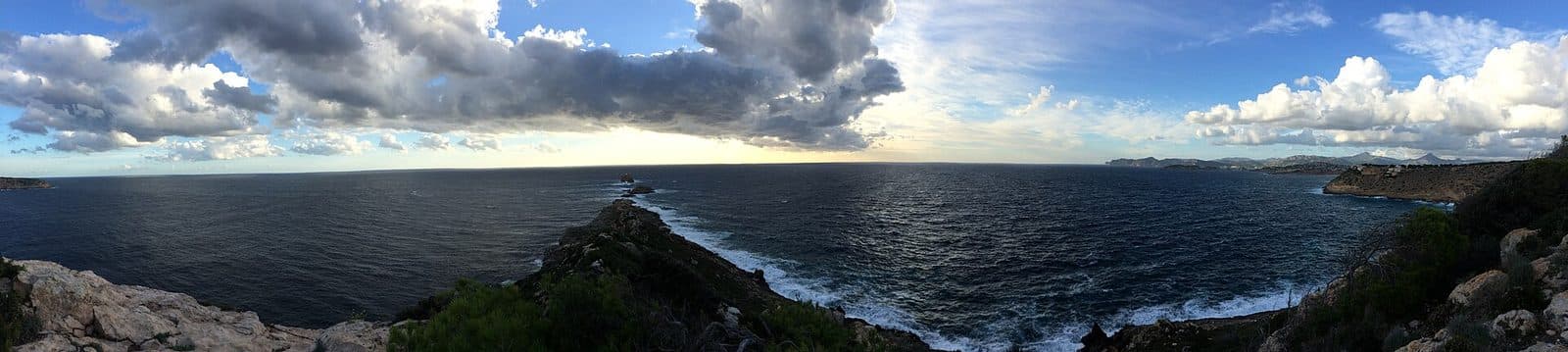
Off the coast of southwest Mallorca lies an attraction whose most impressive part begins beneath the water's surface. The Reserva marina de l'illa del Toro protects the sea around the small rocky island of Illa del Toro near Son Ferrer and El Toro. Visitors can expect a Mediterranean underwater landscape and a strictly regulated natural area.
The area is best known among divers. Groupers, moray eels, octopuses, barracudas, amberjacks, scorpionfish, and nudibranchs are among the species observed here. What matters, however, is not just the long list of species: conservation regulations have created a place where fish can gather in remarkable variety and density.
The Reserva marina de l'illa del Toro is therefore particularly rewarding for anyone who wants to discover Mallorca from the water. Those who remain on land mainly experience the coastal scenery and views of the offshore island. When diving, snorkeling, or taking a boat trip, however, it becomes clear why this area is considered one of the most species-rich in the Balearic Islands.
History and Significance
Designation as a Marine Reserve
The decisive step came in 2004. That year, the marine reserves around Illa del Toro and the Malgrats Islands were designated. Together, they initially covered 227 hectares. Their creation was part of a broader effort by the Balearic Islands to preserve particularly valuable stretches of coastline while also promoting the natural regeneration of fish stocks.
A Reserva marina is more than a protected scenic area because it regulates how the sea may be used. Fishing and diving are subject to strict rules; permits may be required depending on the activity. Extractive activities are completely restricted in special protection zones. Such refuges serve as nurseries for fish and help species spread back into adjacent waters. Nature conservation and the long-term sustainable use of the sea are directly intertwined here.
From Two Reserves to One Larger Protected Area
In 2022, a far-reaching expansion and connection of the El Toro and Malgrats areas was presented. The planned or expanded protected area stretched from Punta Castellot to Cala Figuera and was stated to cover 2.952 hectares. Compared with the original area, this represented a thirteenfold increase.
This expansion pursued a specific ecological goal: a continuous marine area can protect habitats more effectively than small, separate zones. Fish, in particular, do not observe boundaries on maps. Valuable populations around Illa del Toro therefore benefit when migration routes, feeding grounds, and neighboring habitats are also taken into account.
Protection with Visible Results
The focus is on native species and characteristic Mediterranean habitats. Marine reserves are intended to increase the number of sensitive species, promote fish production, and enrich surrounding waters ecologically. The Reserva marina de l'illa del Toro is therefore simultaneously a natural habitat, an observation area, and an instrument of sustainable fisheries policy.
The fact that the reserve is now a sought-after diving area is part of this conservation story. Its appeal was not created through artificial staging but by limiting human intervention. The longer fish stocks and ecological communities are able to recover, the more impressive the sights become for divers underwater.
What to See
Illa del Toro
Above the water, the small Illa del Toro forms the reserve's unmistakable landmark. It lies off the developed coast of El Toro and defines a landscape visible from the shore, from excursion boats, and especially while approaching the dive sites. The area's true richness, however, lies not on the rocky island but in the surrounding habitats.
Those looking at the island from the shore therefore see only the tip of the protected area. Illa del Toro is the focal point of a marine landscape whose boundaries and ecological connections become clearer from a boat or underwater.
Posidonia Meadows
The Posidonia meadows are among the most valuable habitats. To divers and snorkelers, the Posidonia areas recognized as valuable habitats may initially seem quieter than a large school of fish. A closer look, however, reveals their central role. They make it clear why protection is not limited to individual spectacular species. Without intact habitats, the visible diversity of fish could not be preserved either.
Coral Banks
Alongside the Posidonia meadows, valuable coral banks are also noted in the area. The reserve therefore rewards not only broad views of larger fish but also calm, careful observation.
The Marine Life of El Toro
Groupers are among the area's characteristic encounters. Barracudas and amberjacks can also be seen. Scorpionfish, moray eels, and octopuses represent the hidden side of the underwater world, while nudibranchs demonstrate that rich biodiversity does not necessarily have to be large and conspicuous.
The official tourism description calls the Reserva marina de l'illa del Toro the reserve with the highest concentration of species in the Balearic Islands. A local dive center likewise describes the area as one of Mallorca's particularly rich and diverse ecosystems. Such statements explain why the small island is known far beyond the immediate coast of Son Ferrer.
A Diving Area for Different Experience Levels
Local diving operators describe the conditions as suitable for both beginners and experienced divers. However, this does not mean that every site and every current sea condition is equally suitable.
Visiting the Reserve
From Coastal Views to an Underwater Experience
A short stay on the coast provides an impression of the island's location and the surrounding landscape. Anyone wishing to experience its true natural richness, however, should plan an activity on or beneath the water.
Diving excursions are the best-known option. Local operators regularly travel to the area by boat; for one dive center, El Toro is even among the most frequently visited reserves. Guided snorkeling excursions and boat tours are also offered. These make it possible to experience the protected area even when scuba diving is not an option.
Duration and Schedule
The amount of time required for a visit depends entirely on the chosen format. Guided snorkeling activities, for example, are offered in formats lasting one and a half hours, while boat excursions may take around two hours. A short stop is sufficient merely to see the island from the coast.
As a natural experience in its own right, however, the reserve should not be squeezed between two land-based destinations. An organized excursion turns a viewpoint into a genuine visit and provides enough time to appreciate the island, seabed, and wildlife rather than merely seeing them in passing.
Rules Before Spontaneity
Diving and fishing are subject to strict regulations within the reserve. Permits and additional conditions may apply depending on the activity. Anyone traveling with a dive center or authorized operator should therefore confirm during booking which authorizations, documents, and items of equipment are required. This prevents surprises while also protecting the natural environment.
Current opening hours and a general admission price are not recorded for the protected area. This does not mean that every activity is freely available at all times. The schedules and operation of organized activities depend on the respective provider and should be checked directly with them.
Crowds and the Best Time to Visit
No generally quietest time of day can be stated for the entire reserve. Visitors are distributed differently on the water than at an attraction with an entrance, and occupancy depends on dive boats, courses, and excursions. Anyone who values a smaller group should ask the dive center or boat operator directly.
Getting There and Parking
From Palma and the Airport to Son Ferrer
The travel information refers to Son Ferrer, not to an entrance to the Reserva marina de l'illa del Toro. From Palma Airport, the route initially follows the Ma-20 and then the Ma-1 southwest. Son Ferrer is 32 road kilometers away, and the drive takes around 37 minutes.
From central Palma, the route follows the Ma-1. The journey to Son Ferrer covers 22 road kilometers and also requires around 37 minutes of driving time. After leaving the highway, follow signs toward El Toro or Port Adriano. From Son Ferrer, continue either to a coastal viewpoint or directly to the operator's agreed meeting point, depending on your plans.
The Final Leg to the Reserve
Setting a navigation destination in Son Ferrer will not automatically take you to a publicly accessible entrance to the protected area. The Reserva lies in the sea around Illa del Toro. For a diving or boat excursion, the address of the dive center, marina, or departure point is therefore essential. It should not be confused with the reserve's geographical name.
Port Adriano serves as a prominent landmark on the coast of El Toro. Coming from Palma, take the exit toward El Toro and then follow signs to the marina. There is an underground parking garage there. Whether it is practical for a particular excursion and which conditions apply depend on the meeting point and the respective operator.
By Bus
Plaça Migdia in Son Ferrer is listed as a nearby bus stop. The same principle applies here: the bus journey ends in the town, not in the middle of the marine reserve. For a view from land, the onward route to the coast must be planned; for diving or boat excursions, check whether the meeting point is reasonably accessible from the stop. Before departing, it is therefore advisable to compare the locations of the bus stop, harbor, and agreed meeting point.
Bus lines to Reserva marina de l'illa del Toro at a glance
| Line | Route | Departures/day | First | Last |
|---|---|---|---|---|
| 123 | Santa Ponça - Cas Català | 72 | 00:03 | 23:33 |
| 106 | El Toro - Palma | 43 | 06:33 | 22:50 |
From the official GTFS feeds (TIB/SFM), no real-time data. The figures cover all stops in the town; weekend and holiday services differ — check with the operator before travelling.
Getting there by bus
Plaça Migdia (11170) · 1.8 km as the crow flies
- 106El Toro - Palma · Daily
- 123Santa Ponça - Cas Català · Daily
Timetable data: official GTFS feeds (TIB/EMT), no real-time — check with the operator before travelling.
Nearby
Son Ferrer
Son Ferrer is the reference point used in the travel information and lies in southwest Mallorca near the coast of El Toro. The town is particularly useful for orientation between the Ma-1, residential areas, and access routes to the sea. The protected area itself, however, does not begin in a town square but offshore, along the coast and around the outlying island.
This distinction is important when planning a visit. Anyone who enters only “Son Ferrer” as the destination will reach the correct part of the island but not necessarily the desired viewpoint or boat landing. The actual destination depends on whether you choose a coastal view, snorkeling excursion, or diving trip.
El Toro and Port Adriano
Port Adriano lies directly nearby. The marina is a practical destination for a walk by the water. The beach, harbor, and view toward Illa del Toro can easily be combined with time near the reserve without confusing the character of the protected natural area with that of the marina.
Santa Ponça and the Malgrats Islands
North of El Toro lies Santa Ponça, with its bay and marina. The town is another suitable starting point because dive centers based there travel to both El Toro and the Malgrats area. For a single day, however, it is still advisable to set a clear priority: the underwater world deserves more time than a quick photo stop between several coastal towns.
The Malgrats Islands are also the most natural ecological addition. Their marine reserve, like the reserve around Illa del Toro, was created in 2004; a connection and substantial expansion of both areas was initiated later. Together, they show how individual protected sites can become a larger habitat off the coast of Calvià.
Local insider tips
Don't Just Look into Open Water
Species observed in the reserve include moray eels, octopuses, scorpionfish, and nudibranchs. During a dive, it is therefore worth alternating between broad views and a careful search for smaller creatures.
Pay Attention to Posidonia
The green Posidonia meadows may initially seem inconspicuous beside large fish. In fact, they are among the reserve's most important habitats and explain why entire ecosystems, rather than just individual species, are protected here.
Use the Meeting Point, Not the Reserve's Name
For navigation, enter the specific dive center, marina, or departure point. Son Ferrer is only the reference point on land; the Reserva marina de l'illa del Toro has no general visitor entrance.
Combine El Toro with Malgrats
Anyone planning several dives can ask about excursions to El Toro and the Malgrats. Both reserves were created in the same year and are part of a much larger, continuous conservation concept.