
la Missió in Palma: From Mission Convent to Design Hotel
.jpg)
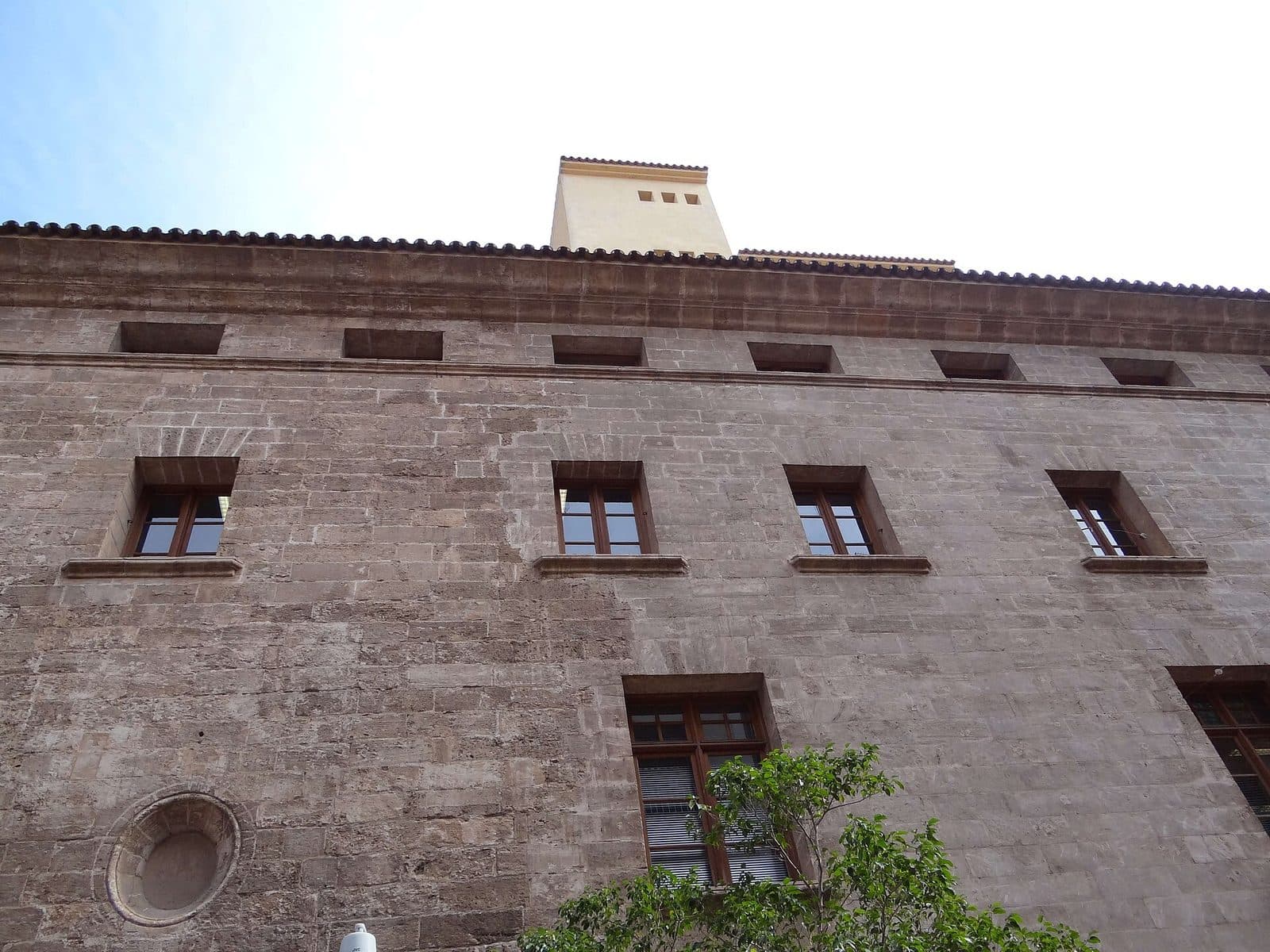
Hidden behind an understated historic façade in the heart of Palma’s old town is la Missió. Here, the name refers not to a viewpoint or landscape, but to a former convent dating from the 17th century. It was established to train missionaries and is now the privately operated Convent de la Missió boutique hotel. This transformation is precisely what makes the site interesting: convent history, contemporary design and art come together within the same building.
Anyone expecting a freely accessible convent church with a nave that remains open throughout the day should understand the character of the property. Today, La Missió is neither a conventional museum nor a convent complex that can be visited in its entirety. Many rooms belong to the hotel, while others are used for dining or as art spaces. A visit must therefore be planned differently from one to Palma’s major religious buildings.
La Missió is especially rewarding for travellers interested in adaptive reuse, interior architecture and contemporary art. The contrast between the traditional exterior and the bright, distinctly modern interiors already reveals much about how Palma approaches its architectural heritage. Anyone already walking through the district between La Rambla, Plaça Major and Mercat de l’Olivar will find a quieter counterpoint here to the city’s famous monuments. Its appeal does not lie in a long sequence of museum exhibits, but in close observation: the old building volume, exposed beams, former refectory and the way light, white surfaces and modern art have been incorporated into the once-secluded convent world.
History and significance
The 17th-century convent
La Missió was founded in the 17th century in Palma’s historic centre. Its purpose was clearly defined: missionary priests were trained in the convent before setting out on their ecclesiastical duties. The building stood among the old town’s narrow streets and served to educate missionaries. It was therefore not a prestigious palace, but a place where a religious community lived and worked.
This original purpose still explains the name today. “La Missió” is not merely a modern hotel brand, but a direct reference to the building’s former use. It also makes the traditional role of individual rooms easier to understand. The former refectory, the convent’s communal dining hall, is particularly important. It has lost its original function, yet remains recognisable as a historic room within the present complex.
Sources refer to the members of the order formerly trained here in general terms as missionary fathers and, in some cases, as Paulines. The core of the historical account is certain: the building was used to prepare clergy for missionary work. The building’s history cannot reliably be expanded with further details such as specific destinations or individual biographies.
From secluded convent to city hotel
The former convent gained a new purpose when it was converted into the Convent de la Missió. The restoration was shaped by architect and owner Antoni Esteva together with the Rafael Balaguer Arquitectura studio. Rather than turning the complex into a historicist backdrop, the conversion created a clear dialogue between the old structure and a modern design language.
The result preserves the sense of a quiet, inward-looking building without attempting to recreate former convent life. Its past seclusion now acts as a deliberate contrast to the lively old town. Behind the traditional façade are bright rooms whose white surfaces reflect the available light. Wooden floors and visible ceiling beams also anchor the design in Mallorcan building traditions.
La Missió thus demonstrates one approach to heritage reuse: a historic building is not left standing as an empty shell, but is returned to the city’s everyday life through hospitality, dining and art. Its religious use belongs to history, yet the building’s former order remains present in its peaceful atmosphere and in several surviving rooms.
What to see
The former convent’s façade
From the narrow street, la Missió appears far more understated than Palma’s great churches and palaces. The historic exterior dates from the 17th century and retains the character of a convent. It does not announce a monumental visitor route, but marks the transition from the lively old town into an inward-looking building.
This discretion is an essential part of the site’s effect, as the façade offers little indication of how dramatically the design changes beyond it. Anyone passing quickly during an old-town walk will initially see a traditional building on a quiet lane. Only a look into the accessible interiors reveals the deliberate contrast between the historic fabric and modern furnishings.
The bright interiors
Inside, white, light and clean surfaces dominate. The MICHELIN Guide describes rooms that seem almost to glow from within despite their secluded location. Bright walls and restrained forms create this impression, while wooden floors and exposed beams provide a warm counterpoint. They recall traditional Mallorcan houses and prevent the conversion from completely disregarding its historic surroundings. Modern furniture and artworks do not attempt to reconstruct convent life, but openly demonstrate that the building has entered a new era.
These interiors, however, do not form a continuous public exhibition. A substantial part belongs to the hotel and is reserved for overnight guests or users of the respective facilities. For architecture enthusiasts, the real task is therefore to identify traces of the old spatial arrangement and contemporary interventions within the accessible areas.
The former refectory
The most clearly identified historic room is the former refectory. The convent’s residents once gathered here for communal meals; today, this part of the complex serves as an exhibition space. The change of function alone is remarkable: where the rules of a religious community once structured daily life, visitors now encounter changing perspectives in contemporary art.
The El Convent gallery presents temporary exhibitions from a range of disciplines. These include photography, ceramics, painting, sculpture and installations. The relationship to the room itself is crucial to the selection. The works are not intended to be placed arbitrarily within a historic shell, but to correspond with its proportions and atmosphere.
Because the programme changes, no particular work is the permanent highlight; the room itself remains the constant. A visit is therefore especially rewarding when visitors consider not only the current exhibition but also the room’s former use: the refectory was a place of community, and that same spatial presence now forms the setting for contemporary art.
Art Bar, rooftop terrace and spa
Art at the Convent de la Missió is not limited to a conventional gallery presentation. The Art Bar combines drinks with changing works by emerging contemporary artists. It continues the property’s concept of not freezing historic rooms as museum pieces, but connecting them with present-day urban life.
The rooftop features a sun area, loungers, an outdoor pool, a chill-out area and a small fitness room. These facilities belong to the hotel and are not designated as a public viewpoint. The same applies to the spa, which is explicitly reserved for hotel guests. Images of these areas can easily create the impression of a generally accessible attraction; in reality, they are part of the hotel’s private facilities.
They are nevertheless important for understanding the building, as the rooftop terrace and wellness area demonstrate how far its present use has moved away from everyday convent life. At the same time, the old principle of retreat remains: the property still seeks distance from the bustle of the old town, albeit under entirely different circumstances.
Visiting la Missió
Check access in advance
Planning a visit to la Missió begins with a simple distinction: the building has historic value, but operates as a hotel rather than a regularly open convent museum. Opening hours for general visits and a separate admission fee have not been documented. Before making a special trip, visitors should therefore check which areas can currently be visited and whether an exhibition is running in the gallery.
The most reliable exterior impression can be gained during a walk through the La Missió district. Whether the interiors are accessible depends on their current use. The restaurant, Art Bar, gallery, hotel and spa do not necessarily follow the same access rules. Guest rooms, the rooftop terrace and the spa in particular should not be planned as stops on a public tour.
A short, attentive visit
Anyone wishing only to see the historic façade and the building’s setting in the old quarter can include it as a brief stop on a city walk. If an exhibition in the former refectory is accessible, or if the visit is combined with time in one of the dining areas, considerably longer can be spent inside.
Attention matters more than duration. The façade, the transition from the narrow street into the bright interiors, the visible wooden beams and the modern art tell the story of the conversion without extensive signs. Anyone expecting a chronologically arranged convent exhibition, however, will find little guidance. The building communicates its past primarily through rooms and materials, not through a comprehensive historical collection.
Crowds and planning your day
No reliably quietest time of day has been documented for la Missió. Occupancy also depends more on the ongoing hotel, restaurant and exhibition operations than on the typical visitor patterns of a major attraction. Recommending a specific time as a secret formula would therefore be misleading.
Combining the visit with a walk through the northern old town is practical. This ensures that the journey remains worthwhile even if a desired interior area is inaccessible. Anyone specifically interested in the art should check the current exhibition schedule in advance. Dining areas, in turn, have different conditions from a gallery visit. Spontaneous visitors should respect the property’s private character and ask at reception which areas they may enter.
Getting there and parking
From the airport to Palma
From Palma Airport, the route follows the Ma-19 to Palma. The road distance to the city is 11 kilometres, and the journey takes around 20 minutes. These figures apply specifically to Palma, not directly to the entrance of la Missió. Additional time should be allowed for the final stretch into the old town, where one-way streets, pedestrian areas and access restrictions determine the route.
La Missió is located on Carrer de la Missió in the historic centre. The final streets are narrow and cannot be compared with convenient vehicle access to a freestanding attraction. An up-to-date navigation system is useful, but does not replace paying attention to access signs. Areas marked as ACIRE in particular may not be entered freely by every vehicle.
Parking at the edge of the old town
Palma’s old town is only partly suited to modern traffic. Rather than searching for a space in the narrow streets around the former convent, it is advisable to use a public car park on a larger access road. From there, continue on foot. This avoids searching through one-way streets and the risk of accidentally entering a restricted area.
The Parc de la Mar car park is a well-known option for visiting the historic centre from the south. However, it is not directly beside la Missió; the subsequent walk crosses a larger section of the old town. Anyone preferring a shorter walk should choose a car park on the northern or central edge of the centre using a map and check its current access arrangements.
By bus and on foot
Several city bus stops are located in the wider area. These include la Rambla–Via Roma, the stops at Plaça del Mercat and Plaça d’en Coll. From there, the final stretch leads on foot through the old town’s network of streets. These stops are more practical than attempting a complicated drive to the narrow Carrer de la Missió.
Within the centre, la Missió can easily be incorporated into a walking route. La Rambla, Mercat de l’Olivar and Plaça Major provide better landmarks than trying to spot the former convent from a distance. The approach leads through small streets until the historic façade appears almost unexpectedly.
Bus lines to la Missió at a glance
| Line | Route | Departures/day | First | Last |
|---|---|---|---|---|
| N1 | Portopí - Porta des Camp | 4 | 00:02 | 02:05 |
| N4 | Pl. Progrés - Pont d'Inca | 4 | 00:55 | 02:45 |
| N2 | Can Blau - Can Valero | 3 | 00:30 | 01:45 |
| N3 | Germans Escales - sa Indioteria | 3 | 00:30 | 01:45 |
| 25 | s'Arenal - Pl. Reina | Catedral | 2 | 10:33 | 10:39 |
| 35 | Aquàrium - Pl. Reina | Catedral | 2 | 10:06 | 12:51 |
| 7 | Son Gotleu - Son Serra - Sa Vileta / Son Vida | 1 | 07:37 | 07:37 |
From the official GTFS feeds (TIB/SFM), no real-time data. The figures cover all stops in the town; weekend and holiday services differ — check with the operator before travelling.
Getting there by bus
107-la Rambla - Via Roma · 0.3 km as the crow flies
- 25s'Arenal - Pl. Reina | Catedral · 06:36–21:01 · Daily
- 35Aquàrium - Pl. Reina | Catedral · 06:21–22:41 · Daily
106-pl. del Mercat · 0.3 km as the crow flies
- 3Pont d'Inca / Joan Carles I · 08:00–08:00 · Daily
- 4Ses Illetes - Pl. Columnes · 08:00–08:00 · Daily
- 7Son Gotleu - Son Serra - Sa Vileta / Son Vida · 08:00–08:00 · Daily
- 20Portopí - Son Espases · 06:06–22:40 · Daily
52-pl. del Mercat · 0.3 km as the crow flies
- 4Ses Illetes - Pl. Columnes · 08:00–08:00 · Daily
- 7Son Gotleu - Son Serra - Sa Vileta / Son Vida · 08:00–08:00 · Daily
- 20Portopí - Son Espases · 06:06–22:40 · Daily
- 35Aquàrium - Pl. Reina | Catedral · 06:21–22:41 · Daily
663-pl. d'en Coll · 0.3 km as the crow flies
- CCCircular Centre Ciutat · 08:00–08:00 · Daily
455-pl. d'Espanya - Estació Intermodal · 0.3 km as the crow flies
- 23s'Arenal / Parc Aquàtic - Pl. Espanya · 06:27–21:50 · Daily
- 25s'Arenal - Pl. Reina | Catedral · 06:36–21:01 · Daily
- 35Aquàrium - Pl. Reina | Catedral · 06:21–22:41 · Daily
- N1Portopí - Porta des Camp · 08:00–08:00 · Daily
- N2Can Blau - Can Valero · 08:00–08:00 · Daily
- N3Germans Escales - sa Indioteria · 08:00–08:00 · Daily
- N4Pl. Progrés - Pont d'Inca · 08:00–08:00 · Daily
108-La Rambla-Via Roma · 0.3 km as the crow flies
- 3Pont d'Inca / Joan Carles I · 08:00–08:00 · Daily
- 4Ses Illetes - Pl. Columnes · 08:00–08:00 · Daily
- 7Son Gotleu - Son Serra - Sa Vileta / Son Vida · 08:00–08:00 · Daily
- 20Portopí - Son Espases · 06:06–22:40 · Daily
598-pl. d'Espanya - Estació Intermodal · 0.3 km as the crow flies
- A1Aeroport - Palma Centre · 08:00–08:00 · Daily
1139-Plaça d'Espanya · 0.3 km as the crow flies
- 1Portopí - Sindicat · 08:00–08:00 · Daily
- 6Son Espases - Sindicat · 08:00–08:00 · Daily
- 8Son Roca - Sindicat · 08:00–08:00 · Daily
50-la Rambla - Via Roma · 0.4 km as the crow flies
- 4Ses Illetes - Pl. Columnes · 08:00–08:00 · Daily
- 7Son Gotleu - Son Serra - Sa Vileta / Son Vida · 08:00–08:00 · Daily
- 20Portopí - Son Espases · 06:06–22:40 · Daily
- 35Aquàrium - Pl. Reina | Catedral · 06:21–22:41 · Daily
2-pl. d'Espanya - Estació Intermodal · 0.4 km as the crow flies
- 6Son Espases - Sindicat · 08:00–08:00 · Daily
- 7Son Gotleu - Son Serra - Sa Vileta / Son Vida · 08:00–08:00 · Daily
- 8Son Roca - Sindicat · 08:00–08:00 · Daily
219-pl. d'Espanya - Estació Intermodal · 0.4 km as the crow flies
- 1Portopí - Sindicat · 08:00–08:00 · Daily
- 3Pont d'Inca / Joan Carles I · 08:00–08:00 · Daily
- 4Ses Illetes - Pl. Columnes · 08:00–08:00 · Daily
- N1Portopí - Porta des Camp · 08:00–08:00 · Daily
- N2Can Blau - Can Valero · 08:00–08:00 · Daily
- N3Germans Escales - sa Indioteria · 08:00–08:00 · Daily
- N4Pl. Progrés - Pont d'Inca · 08:00–08:00 · Daily
295-pl. d'Espanya - Estació Intermodal · 0.4 km as the crow flies
- 5Es Rafal Nou - Pl. Progrés · 08:00–08:00 · Daily
- 46la Bonanova - Gènova - Sindicat (dreta) · 08:00–08:00 · Daily
- 47Gènova - la Bonanova - Sindicat (esquerra) · 08:00–08:00 · Daily
Timetable data: official GTFS feeds (TIB/EMT), no real-time — check with the operator before travelling.
Nearby attractions
The La Missió district
The former convent is located in the La Missió district of the old town. Small streets and leafy courtyards shape the immediate surroundings, while broad sightlines are absent. As a result, the site feels secluded despite its central location. This setting helps explain why the building could first function as a convent and later as a peaceful city hotel.
A walk should not focus solely on the building’s entrance. The surrounding lanes reveal a less monumental side of Palma, where historic façades, shops, restaurants and homes stand close together. La Missió thus becomes a starting point for reading an entire urban quarter without itself becoming a major visual landmark.
Markets, squares and old-town walks
Nearby are Mercat de l’Olivar, Plaça Major and the historic centre’s shopping and walking areas. They make good next stops because they offer a strong contrast to the enclosed character of the former convent. At the market and on the large squares, Palma appears open and busy; on Carrer de la Missió, the city retreats once again into narrow streets and interiors.
La Rambla and Passeig del Born can also be included in a longer walk. Continuing towards the sea leads to the area around La Seu Cathedral, La Almudaina Royal Palace and the gardens of S’Hort del Rei. La Llotja is also situated in this part of the old town. These places should not be added to la Missió as a rushed checklist. It makes more sense to view the former convent as a quiet northern stop on a route through the centre.
Art and architecture as a theme
A route connecting historic architecture with present-day artistic use is particularly fitting. La Missió offers a concentrated example: a 17th-century convent, a former refectory used as a gallery and modern design behind a traditional façade. The walk can then continue to other galleries and historic buildings in Palma.
Even without access to every interior area, the change of setting remains revealing. Between the market, squares and major monuments, la Missió feels almost like a pause in the urban landscape. It is not the building’s size, but the deliberate treatment of its historic fabric that makes it a noteworthy stop.
The place it belongs to
Palma in the place guidePractical visitor information
Not a conventional convent museum
La Missió should not be confused with a convent complex developed as a public attraction. There is no documented visitor route through a cloister, cells and church, no permanent collection presenting the history of missionary work, and no guarantee that all rooms visible in photographs can be entered spontaneously. Today, the focus is on the hotel, dining and art.
This limitation is also the key to a rewarding visit. Anyone viewing the property as an example of the adaptive reuse of a historic convent will discover more than someone expecting complete religious furnishings. The former refectory is the most informative historic room, while modern art, bright surfaces and design define the property’s present-day appearance.
Respect the hotel’s operations
The boundary between public and private space is more important at the Convent de la Missió than at a museum. The reception, dining areas or a current exhibition may be accessible, while guest floors, the rooftop terrace and spa remain private. Before photographing interiors or continuing into areas that are not clearly marked, visitors should briefly ask the staff for permission.
The spa is explicitly reserved for hotel guests. The rooftop terrace with its pool, sun loungers, chill-out zone and fitness area is also described as a hotel facility, not as a public viewpoint. Anyone visiting mainly because of images of these spaces should therefore not assume that regular access is available.
Visiting with children and limited mobility
La Missió does not offer a designated children’s experience route or documented interactive exhibits. As a brief architecture stop, however, the property can still fit into a family walk through Palma, especially if an accessible art exhibition sparks interest. Visitors must remain considerate of hotel guests and respect the quiet character of the interiors.
No reliable visitor information on accessibility within the historic complex has been documented. Anyone requiring step-free access or wishing to reach a specific room should contact the property directly in advance. This applies particularly to the former refectory, dining areas and any facilities that may be located on different levels of the converted convent.
Clothing and equipment
Special hiking shoes or sun-protection equipment are not required for the building itself. Comfortable city shoes are advisable, however, because la Missió is best combined on foot with other parts of the old town. The route follows urban streets and can become considerably longer if the car is parked outside the historic centre.
In summer, the narrow streets provide shade at certain times, but a longer city walk also crosses open squares. Water and standard sun protection should therefore form part of the day’s planning, not because of the brief stay in the convent, but because of the routes through Palma. Inside, the cool, bright and enclosed rooms create a particularly striking contrast with the city outside.
Local insider tips
Ask about the refectory
The most important accessible historic room is the former refectory, which is now used for changing contemporary exhibitions. Before visiting, it is worth checking whether an exhibition is currently running there.
Do not miss the façade
La Missió is not announced by a large forecourt or tower. The best impression comes from walking slowly along Carrer de la Missió: first observe the traditional façade, then look for the contrast with the bright interiors.
View the art together with the space
The gallery is about more than individual works. Photography, ceramics, painting, sculpture and installations are selected with the historic room in mind. The contrast with its former use as a communal dining hall is especially compelling.
Combine it with the market
La Missió can easily be combined with Mercat de l’Olivar, Plaça Major and La Rambla. This ensures that the route remains rewarding even if an interior area of the privately operated property is inaccessible during a spontaneous visit.
Respect private areas
The rooftop terrace, pool and spa frequently appear in images of the property, but they belong to the hotel; the spa is explicitly reserved for guests. Ask at reception which art and dining areas may currently be entered.