
Museu de Sant Antoni i el Dimoni in Sa Pobla
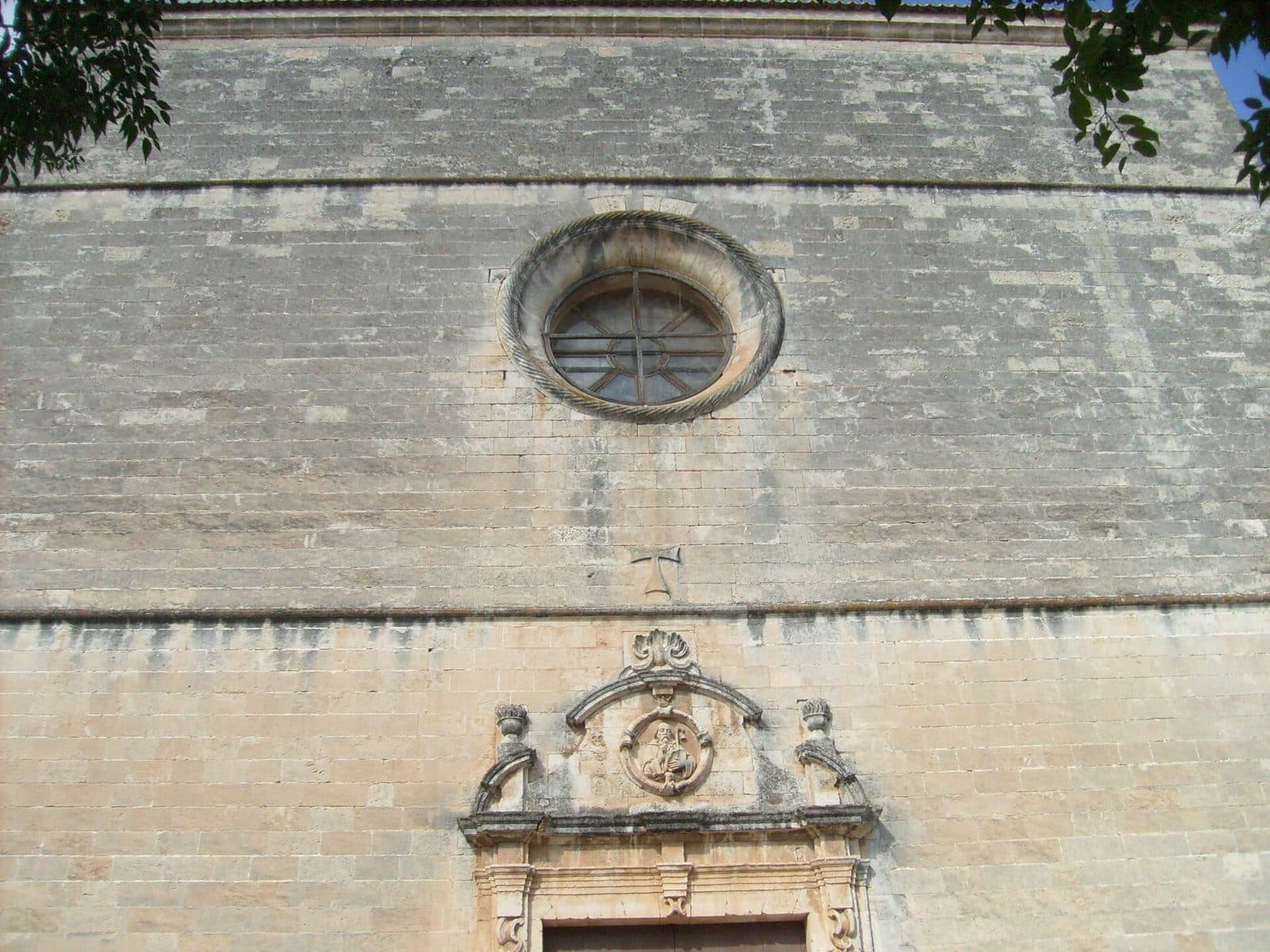

Fire, masks and traditional figures: the Museu de Sant Antoni i el Dimoni preserves the characters that shape Sa Pobla during its major Sant Antoni festival. The museum is housed in Can Planes, a former manor house in the town, and focuses not on Mallorcan folklore in general, but specifically on the local festival tradition.
Its strength lies in its close connection to the subject. Dimonis, Caparrots and other festival figures appear here not merely as decorative masks, but as parts of a living custom. Photographs, drawings, symbols, information panels and an audiovisual presentation help visitors understand the roles and visual language of the celebration. The museum is therefore particularly worthwhile for travelers who want to discover Mallorca beyond its coast and landscapes. Families will also find it accessible: the large figures are immediately engaging, while adults can explore the festival's history in greater depth through visual material and explanations.
History and significance
A celebration documented since the Middle Ages
Sa Pobla's Sant Antoni tradition is far older than its current museum presentation. The festival has been documented in the town since the 14th century and is one of Mallorca's best-known traditional celebrations. Its popularity alone does not explain why a dedicated museum was created. For Sa Pobla, Sant Antoni is a cultural memory passed down through generations, with figures, signs and images closely linked to local identity.
At the center are Sant Antoni and the Dimoni, the demon. They are joined by other figures that take to the streets during the festivities and are instantly recognized by local residents. Outside the festival period, however, visitors often lack the necessary context: simply seeing a mask or a large-headed Caparrot does not automatically reveal the role that figure plays in Sa Pobla. The museum bridges precisely this gap by preserving not only individual objects, but also showing how recurring figures, symbols and visual traditions shape a local celebration. Photographs and drawings complement the three-dimensional festival characters.
Can Planes
The museum is located in Can Planes, a former manor house. This setting distinguishes the Museu de Sant Antoni i el Dimoni from a plain exhibition hall: the artifacts of a public street festival are collected and explained inside a historic residence. The building is therefore not merely a container for the collection, but part of the cultural institution that Sa Pobla has dedicated to its festival tradition.
A specialist publication from 2009 already discussed the museum and its work. It explicitly described the institution as a museum of Sa Pobla's popular and traditional Sant Antoni festival. This focus remains crucial today: the subject is neither depictions of demons from around the world nor a general history of the saint, but the specific form taken by the celebration in this Mallorcan town.
What to see
Dimonis
The Dimonis provide the collection's most striking introduction. In the exhibition, these characters can be viewed without the crowds and movement of a festival day, bringing their design and individual appearance more clearly into focus.
Caparrots and Caparrots Minyons
Alongside the Dimonis, the museum displays Caparrots. The Catalan word refers to festival figures with strikingly large heads, of the kind seen at traditional celebrations in Mallorca. The museum also specifically identifies the Caparrots Minyons as a separate group. Direct comparison helps visitors avoid hastily grouping the festival's cast of characters under the general label of “masks.” For children, these figures are often the most immediately engaging part of the visit, while adults can also discover how a festival community creates recognizable characters.
The Grif
The collection includes another specifically named figure, the Grif. Its presence alongside the Dimonis and Caparrots demonstrates that the cast of Sant Antoni in Sa Pobla is more varied than a simple opposition between saint and demon.
Photographs, drawings and symbols
The three-dimensional figures create a strong physical presence, while photographs, drawings and symbols complement the exhibition. This section is important because a living festival consists not only of preserved objects, but also of memories, representations and recurring motifs. Visitors who study the images carefully will therefore see not just individual festival days, but Sa Pobla's continuing engagement with its own tradition.
Audiovisual presentation and information panels
An audiovisual presentation and explanatory panels introduce the essence of the festival. They are not incidental additions, but the key to understanding the exhibition for visitors without prior knowledge. These media connect figures, names and symbols, turning a series of unusual exhibits into a coherent and understandable ensemble.
It is particularly worthwhile not to skip the audiovisual section because of time pressure. Moving images can convey a celebration whose true setting is the streets of Sa Pobla and restore to the displayed figures the context they lose outside their annual appearance.
Visiting the museum
Observe first, then understand the context
A rewarding tour alternates between observation and explanation. The large festival figures attract attention first; photographs, drawings, symbols and panels then provide the context needed to understand them. Visitors who simply hurry through the rooms will mainly see unusual characters. Those who read the names and compare the visual material will better understand why Sa Pobla has dedicated an entire museum to this tradition.
It is not useful to derive a fixed visit duration from the size of the exhibition. A brief overview requires less time than a tour that includes the full audiovisual presentation and all the information panels. Anyone interested in folk culture, photography or local festivals should therefore avoid planning the museum as a tightly scheduled stop.
Preparing for Sant Antoni
The visit is especially informative for anyone planning to experience the Sant Antoni festival in Sa Pobla. The museum introduces the names and characters beforehand, making Dimonis, Caparrots, Caparrots Minyons and the Grif easier to recognize when they appear in public. Conversely, after attending the festival, the collection can help visitors make sense of what they have already seen.
The museum also works as a self-contained introduction outside the festival period. The audiovisual section and images bring the public character of the custom into the exhibition. Visitors should not, however, expect a general history museum of Sa Pobla or a comprehensive exhibition about every Mallorcan folk festival, since its appeal lies precisely in its consistent focus on Sant Antoni in Sa Pobla.
Check opening times in advance
Current opening times and admission conditions are not included in the available visitor information. As accessibility and regulations may change, both should be checked immediately before traveling. This is especially important if the museum is the main reason for visiting Sa Pobla rather than simply part of a trip already planned to the town.
Getting there and parking
From Palma and the airport
From central Palma, the drive follows the Ma-13 to Sa Pobla. The road distance to the town is 44 kilometers, and the journey takes around 42 minutes. From Palma Airport, the road distance to Sa Pobla is 47 kilometers and the journey takes around 37 minutes; the route initially follows the Ma-30 and then the Ma-13.
These details apply specifically to Sa Pobla, not directly to the museum entrance. The Museu de Sant Antoni i el Dimoni is located within the town in Can Planes. After leaving the main roads, there is therefore a final section through the town. When arriving, navigation should remain set to the museum rather than simply to the place name Sa Pobla.
The final section through town
The collection is not an outlying attraction with its own access road, but a cultural site in the built-up town center. This makes it easy to combine a museum visit with a walk through Sa Pobla afterward.
When arriving by public transport, the stops at Estació Sa Pobla and Ronda nord are the relevant arrival points. From there, the journey continues through the town. As specific routes and timetables may change, the connection should be checked for the planned day of the visit. Arriving by bus combines particularly well with a walk through the town because the museum is part of Sa Pobla itself rather than a remote excursion destination.
Local insider tips
Look for each figure by name
Do not stop at the general label of “demons”: Dimonis, Caparrots, Caparrots Minyons and the Grif are presented as distinct parts of the festival. Their names open up the local world of characters.
Allow time for the audiovisual section
The audiovisual presentation restores the festival context to the motionless exhibition figures. It is especially helpful for anyone who has never experienced Sant Antoni in the streets of Sa Pobla.
Do not skip the images
The large figures attract attention first, but photographs, drawings and symbols contribute essential context. Only through comparison does a collection of masks become a portrait of the festival tradition.
Bus lines to Museu de Sant Antoni i el Dimoni at a glance
| Line | Route | Departures/day | First | Last |
|---|---|---|---|---|
| T2 | Palma - sa Pobla | 73 | 06:02 | 22:35 |
| 302 | Can Picafort - Palma | 57 | 00:05 | 23:45 |
| 315 | Sa Pobla - Badia d'Alcúdia | 42 | 00:15 | 23:25 |
| A32 | Can Picafort - Aeroport | 42 | 00:40 | 23:45 |
| 301 | Port de Pollença - Palma | 37 | 06:45 | 22:25 |
| 314 | Campanet / Búger | 12 | 07:51 | 19:40 |
From the official GTFS feeds (TIB/SFM), no real-time data. The figures cover all stops in the town; weekend and holiday services differ — check with the operator before travelling.
Getting there by bus
Ronda nord 1 (44011) · 0.7 km as the crow flies
- 301Port de Pollença - Palma · Daily
- 302Can Picafort - Palma · Daily
- A32Can Picafort - Aeroport · Daily
Ronda nord 2 (44010) · 0.7 km as the crow flies
- 301Port de Pollença - Palma · Daily
- 302Can Picafort - Palma · Daily
- 314Campanet / Búger · Daily
- A32Can Picafort - Aeroport · Daily
Estació Sa Pobla 1 (44013) · 1.0 km as the crow flies
- 315Sa Pobla - Badia d'Alcúdia · Daily
Estació Sa Pobla 2 (44012) · 1.0 km as the crow flies
- 315Sa Pobla - Badia d'Alcúdia · Daily
Sa Pobla Estació (219) · 1.0 km as the crow flies
- T2Palma - sa Pobla · Daily
Timetable data: official GTFS feeds (TIB/EMT), no real-time — check with the operator before travelling.