
Can Massanet in Palma: Visitor Tips
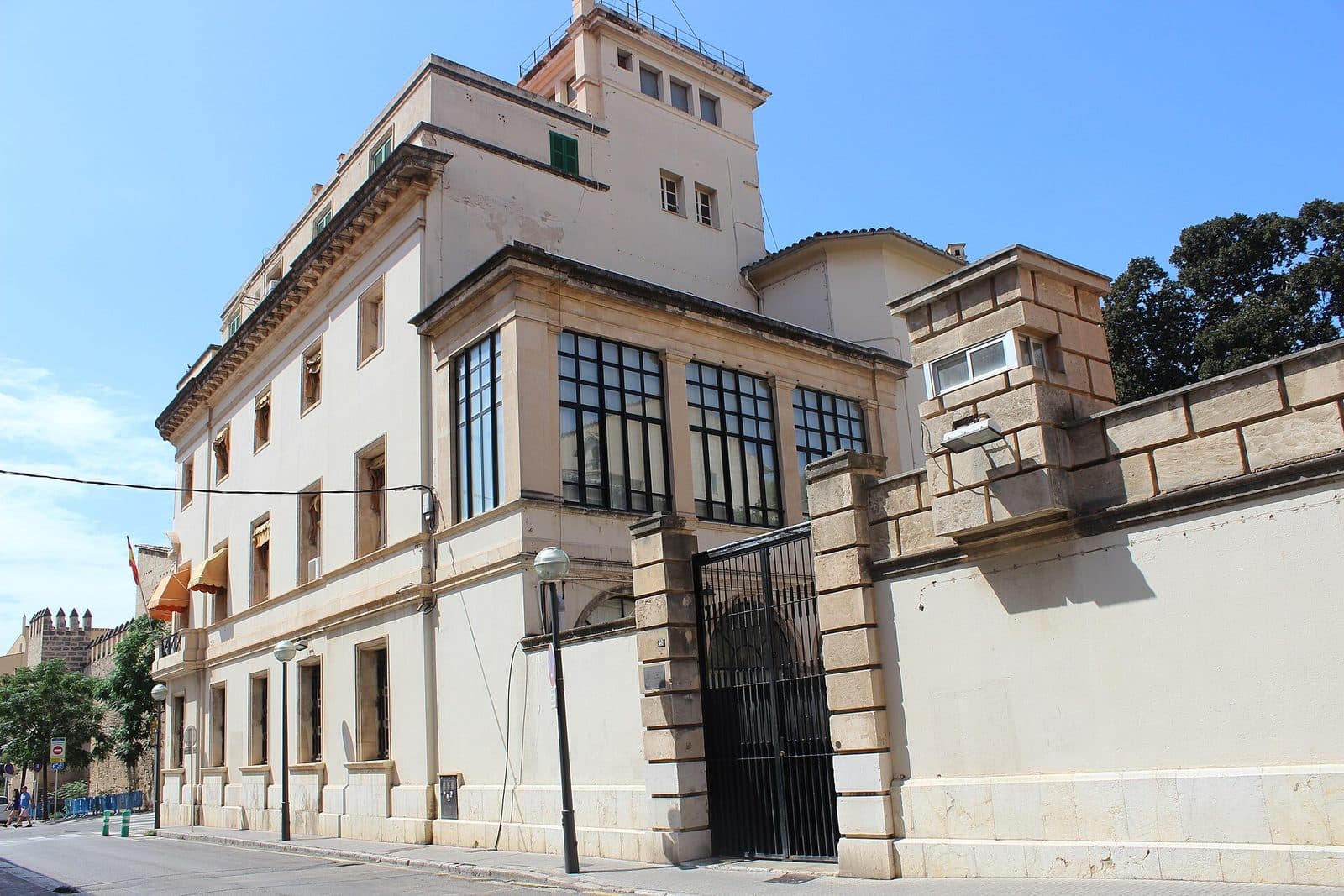

Can Massanet is one of those historic addresses in Palma whose name sparks curiosity but which cannot be explored like a traditional museum with a fixed visitor route. The site is especially suited to travelers seeking Palma’s less obvious historical traces and who do not want to focus their city walk solely on the widely known monuments. For that very reason, a visit requires some preparation: no public visitor program with a reliably scheduled format has been documented. Anyone traveling to Palma specifically because of Can Massanet should check current accessibility in advance and include the site in a broader route through the city.
Its appeal lies in the historical context, because Palma consists of more than its cathedral, palaces, and large squares. Among the familiar landmarks, visitors encounter historic houses and traditional place names that tell of the island capital’s long development. Can Massanet offers a reason to focus on this quieter layer of the cityscape.
Visiting Can Massanet
A visit to Can Massanet is best planned before arriving at the site. Because neither fixed opening hours nor regular admission details are available, travelers should confirm whether and to what extent the historic site will be accessible on their chosen day. This prevents mistaken expectations regarding a ticket desk, reception area, exhibition, or guided tour. Specific times and prices should not be taken from older travel reports, as such details can change at short notice.
Can Massanet as a stop on a city walk
For planning purposes, it is advisable to view Can Massanet as one stop on a walk through Palma. This ensures that the journey remains worthwhile even if the site can only be viewed from outside or access is restricted. Rather than setting a fixed visit duration, the time required depends on whether an interior visit is possible and how extensively the surrounding streets are explored.
This approach suits Palma well, because the historic city reveals itself not only through individual monuments but through the interplay of narrow streets, squares, religious buildings, impressive façades, and more recent additions. Those who walk attentively and regularly look upward will discover an architectural history extending from medieval forms to the Modernisme of the early twentieth century.
What to expect before setting out
Can Massanet should not be mistaken for a major attraction with continuous tourist facilities. A successful visit therefore depends less on a minute-by-minute schedule than on confirmed access and a well-planned walk through the city. Its suitability for families also depends on whether an accessible area or an organized interpretive offering is actually available on the day of the visit. Anyone coming solely for an extensive interior tour should therefore wait for appropriate confirmation.
Travelers interested in urban history, however, can use the site as a starting point for reading Palma’s historical layers more consciously. The actual visitor experience then comes not from a long list of exhibits but from the site’s relationship with the city that has grown around it.
Getting There and Parking
From Palma Airport, the drive initially follows the Ma-19 toward Palma. The route covers 11 road kilometers, and the drive to Palma takes around 20 minutes. These figures apply specifically to the connection from the airport to the city, not to a precise journey to the entrance of Can Massanet. Additional time should be allowed for the final section, especially in heavy city traffic or when searching for parking.
By car via the Ma-19
The Ma-19 is the main direct route between the airport and Palma. After entering the urban area, the remainder of the route depends on the chosen parking location and current traffic arrangements. No guaranteed parking directly at Can Massanet is indicated. It therefore makes sense to leave the vehicle in a suitable city-center parking facility and complete the remaining distance on foot.
Those who prefer not to drive into the center can include one of Palma’s park-and-ride options in their plans and continue by public transportation. This is particularly practical when combining Can Massanet with a longer visit to the old town: there is no need to search for parking, and Palma is easier to experience on foot between the individual stops.
By bus to Porta des Camp
Several bus stops around Porta des Camp and Escola Graduada provide useful reference points when arriving by public transportation. The most convenient connection depends on the starting point and the current timetable. After leaving the bus, the final section continues on foot through the city. Before traveling, it is therefore worth checking the precise location of the destination and the appropriate stop in the timetable information.
Traveling by bus is particularly well suited to a visit that continues afterward through the old town. Palma has a dense network of historic streets where short walks often reveal more of the cityscape than a direct door-to-door journey. Comfortable shoes are more useful here than a tightly scheduled plan.
Bus lines to Can Massanet at a glance
| Line | Route | Departures/day | First | Last |
|---|---|---|---|---|
| 501 | Manacor - Campos - Palma | 208 | 05:38 | 23:58 |
| 504 | Tolleric - Palma | 109 | 06:13 | 23:13 |
| 501e | Campos - Palma, exprés | 59 | 06:50 | 20:50 |
| 515e | Cala d'Or - Palma | 10 | 10:30 | 19:15 |
| 1 | Portopí - Sindicat | 6 | 07:15 | 09:15 |
| N1 | Portopí - Porta des Camp | 4 | 00:55 | 23:55 |
| 25 | s'Arenal - Pl. Reina | Catedral | 2 | 10:38 | 10:44 |
| 512 | Portocolom - Felanitx | 1 | 08:05 | 08:05 |
From the official GTFS feeds (TIB/SFM), no real-time data. The figures cover all stops in the town; weekend and holiday services differ — check with the operator before travelling.
Getting there by bus
Porta des Camp 2 (40002) · 0.2 km as the crow flies
- 501Manacor - Campos - Palma · Daily
- 501eCampos - Palma, exprés · Mon-Sat
- 504Tolleric - Palma · Daily
- 515eCala d'Or - Palma · Mon-Fri
458-Porta des Camp · 0.2 km as the crow flies
- 23s'Arenal / Parc Aquàtic - Pl. Espanya · 06:27–21:50 · Daily
- 25s'Arenal - Pl. Reina | Catedral · 06:36–21:01 · Daily
- 30Marivent-Palau de Congressos · 08:00–08:00 · Daily
- 31Sant Jordi - Sindicat · 08:00–08:00 · Daily
- 35Aquàrium - Pl. Reina | Catedral · 06:21–22:41 · Daily
- A1Aeroport - Palma Centre · 08:00–08:00 · Daily
- N1Portopí - Porta des Camp · 08:00–08:00 · Daily
451-Escola Graduada · 0.3 km as the crow flies
- 12Sa Garriga - Nou Llevant · 08:00–08:00 · Daily
- 24Antiga Presó - Nou Llevant · 06:33–21:18 · Daily
- 31Sant Jordi - Sindicat · 08:00–08:00 · Daily
- N1Portopí - Porta des Camp · 08:00–08:00 · Daily
450-Porta des Camp · 0.3 km as the crow flies
- 19UIB i Parc Bit - Porta des Camp · 05:46–22:12 · Daily
- 23s'Arenal / Parc Aquàtic - Pl. Espanya · 06:27–21:50 · Daily
- 31Sant Jordi - Sindicat · 08:00–08:00 · Daily
- 35Aquàrium - Pl. Reina | Catedral · 06:21–22:41 · Daily
- A1Aeroport - Palma Centre · 08:00–08:00 · Daily
- N1Portopí - Porta des Camp · 08:00–08:00 · Daily
Porta des Camp 1 (40108) · 0.3 km as the crow flies
- 501Manacor - Campos - Palma · Daily
- 501eCampos - Palma, exprés · Mon-Sat
- 504Tolleric - Palma · Daily
- 512Portocolom - Felanitx · Daily
- 515eCala d'Or - Palma · Mon-Fri
457-Escola Graduada · 0.3 km as the crow flies
- 31Sant Jordi - Sindicat · 08:00–08:00 · Daily
- N1Portopí - Porta des Camp · 08:00–08:00 · Daily
983-Jutjats Nous · 0.3 km as the crow flies
- CCCircular Centre Ciutat · 08:00–08:00 · Daily
664-pl. de sa Quartera · 0.3 km as the crow flies
- CCCircular Centre Ciutat · 08:00–08:00 · Daily
969-Porta des Camp · 0.3 km as the crow flies
- 30Marivent-Palau de Congressos · 08:00–08:00 · Daily
663-pl. d'en Coll · 0.4 km as the crow flies
- CCCircular Centre Ciutat · 08:00–08:00 · Daily
662-pl. de Cort · 0.4 km as the crow flies
- CCCircular Centre Ciutat · 08:00–08:00 · Daily
6-Sindicat - Àrea d'intercanvi Sindicat · 0.4 km as the crow flies
- 1Portopí - Sindicat · 08:00–08:00 · Daily
Timetable data: official GTFS feeds (TIB/EMT), no real-time — check with the operator before travelling.
Nearby Attractions
Palma has a history extending back more than two thousand years. Its Roman origins were followed by Byzantine, Islamic, and Christian-Aragonese eras, among others. This sequence remains visible in the city’s layout and architecture today. Can Massanet can therefore be easily combined with a walking route that does not merely check off individual attractions but compares different historical layers.
Palma’s old town
In the old town, narrow lanes alternate with larger squares, courtyards, and impressive façades. The appeal of a walk lies in the coexistence of different styles: medieval structures, later alterations, and Modernisme accents shape the scene. Away from the main routes in particular, it is worth paying attention to doorways, windows, bay windows, and the upper floors of the buildings.
Plaça Major is a useful reference point in the historic center. From there, additional streets and squares can be linked into an individual walking route. Can Massanet should not be viewed as an isolated item on the itinerary but as part of the urban history distributed across many smaller sites and buildings.
La Seu and the cathedral quarter
The cathedral of La Seu provides a grand architectural counterpoint to the city’s more understated historic addresses. Its construction began in the Middle Ages; it was completed at the beginning of the seventeenth century, with Baroque elements later added to the interior. The area surrounding the cathedral brings several eras together and is among the most illustrative parts of Palma for understanding the city’s development.
Combining a visit with the cathedral quarter demonstrates the different ways in which history can become visible within a city: here stands the monumental landmark by the bay, while elsewhere smaller historic places have significance that is less immediately apparent. This change of scale is especially interesting on a city walk.
The waterfront and more recent architecture
The waterfront is also an integral part of Palma’s cityscape. It opens the densely built historic city toward the bay and reveals a different, maritime side of the island capital. Between the old town and the harbor, visitors can also trace how Palma expanded beyond its former boundaries.
Those with a particular interest in architecture can also extend their walk to include the city’s Modernisme façades. In the early twentieth century, important Catalan architects helped shape the cityscape. This creates a route leading from historic addresses such as Can Massanet through medieval monuments to the more playful forms of Modernisme.