
Gràcia in Palma – Church and Monastery in the City Center
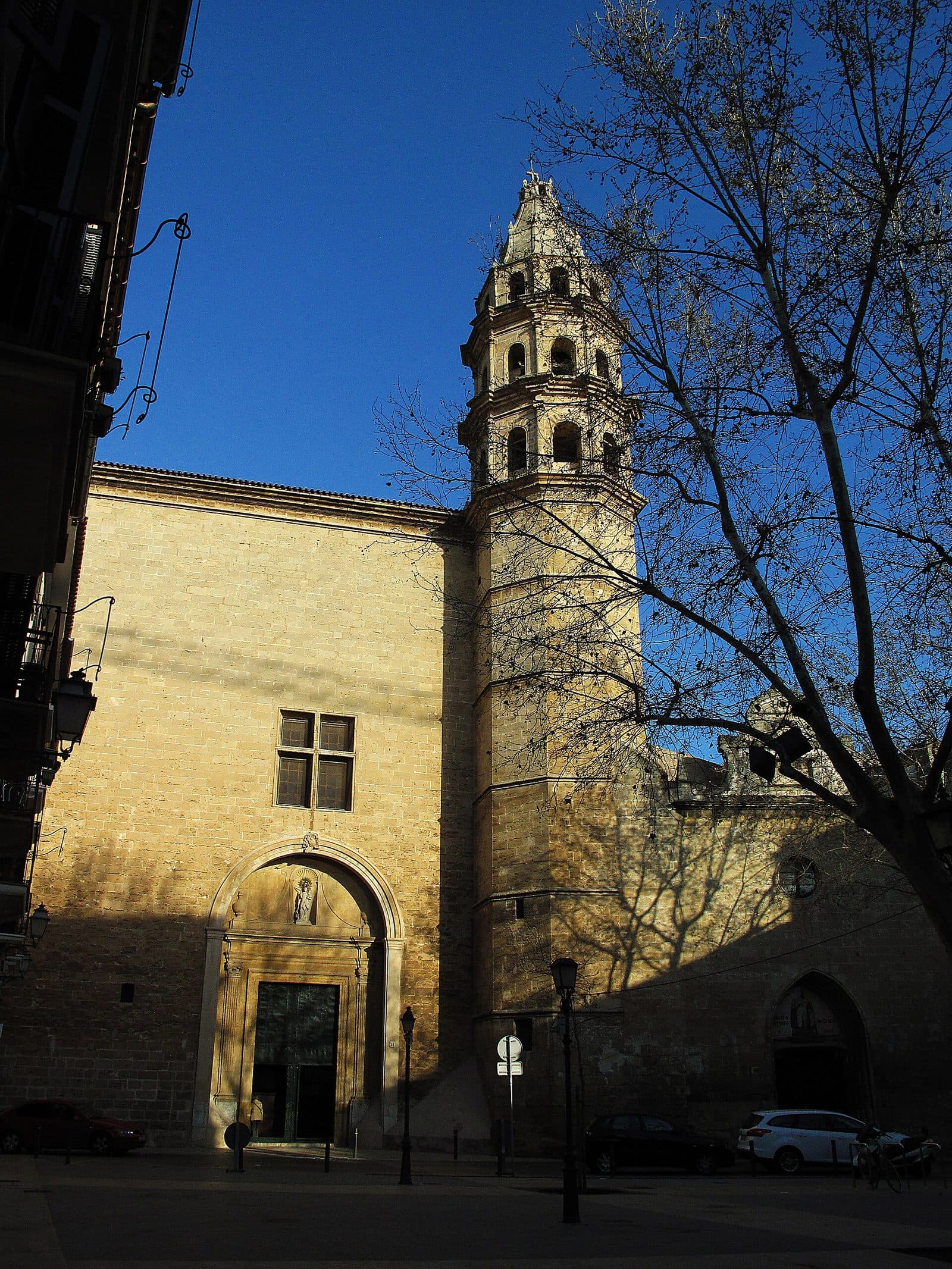
.jpg)
Gràcia is one of Palma's religious sights that does not reveal itself through grand displays. Listed as a church and monastery, the complex is instead a destination for travelers who want to discover the spiritual side of the Mallorcan capital beyond its widely known monuments. A visit can easily be included in a walk through eastern central Palma, where residential neighborhoods, shopping streets, and historic lanes lie close together. This means Gràcia does not feel like an isolated attraction, but rather like part of everyday Palma—embedded in a neighborhood people pass through on their way to work, the market, or the Old Town.
That is precisely where its appeal lies. Anyone who knows Palma only from the cathedral, the waterfront promenade, and the major shopping streets will discover another layer of the city at a religious site such as Gràcia. It is well suited to a deliberately chosen stop, a moment of calm, and a complement to a day otherwise shaped by markets, squares, and lively lanes. Since access to churches and monastic buildings can change at short notice, careful preparation is worthwhile: Gràcia should not be treated like a museum with continuously predictable visiting hours. Anyone wishing to see the interior should check current access immediately before visiting and plan the rest of the city walk so that a closed door does not determine the entire day's schedule.
Visiting Gràcia
Arrive without rushing
Gràcia is best experienced as a stop on a city walk. The route there leads through Palma's residential and bustling streets; the transition from traffic and urban noise to a religious setting is therefore already part of the experience. Rather than squeezing the visit between two tightly scheduled appointments, it is advisable to allow some flexibility. This leaves time to take in the building from the outside first and get oriented in the surrounding area.
There is no reliably documented fixed duration for a visit. How much time is actually worthwhile depends mainly on whether the interior is accessible and whether Gràcia is visited as a destination in its own right or as part of a longer walk. Anyone who only wants a brief look at the building can keep the stop correspondingly short. Those who find the entrance open and wish to examine the religious architecture attentively, however, should not feel pressured by an appointment scheduled immediately afterward.
A distinctive feature of many ecclesiastical sites is that they are not merely tourist attractions. Consideration for prayer, services, and possible monastic routines therefore takes priority over sightseeing interests. Conversations should be kept quiet, phones set to silent, and barriers respected. Even an open door does not automatically mean that every part of the complex may be visited.
Check access in advance
No permanently valid opening hours are recorded for Gràcia. There is likewise no reliable information about admission. Specific times or prices should therefore not be taken from older travel reports, as churches may change access due to liturgical celebrations, internal appointments, restoration work, or seasonal arrangements without older online listings being updated immediately.
The most reliable approach is to check shortly before the planned visit, especially if seeing the interior is the main reason for going to Gràcia. Travelers already spending a day in Palma can remain more flexible: the site can then be incorporated into a route that still works if access is unavailable. Other streets, squares, and central attractions nearby provide suitable alternatives.
Tourist sightseeing should be distinguished from attending a religious celebration. If a service is taking place, sightseeing should take a back seat. Anyone wishing to participate should behave in keeping with the sacred nature of the site; those who only want to look around or take photographs should wait for a more suitable moment. Whether photography is permitted inside can only be determined from notices on site or by asking.
Planning the right time of day
There are no verified visitor statistics or documented peak times specifically for Gràcia. Claiming that a particular time is guaranteed to be quiet would therefore not be credible. A practical approach is to avoid placing the visit at the end of a tightly scheduled day. If Gràcia is planned as an early or middle stop on a walk, there will be enough flexibility to adjust the order of later destinations if access changes.
Palma itself becomes noticeably busier as the day progresses, particularly along the well-known shopping routes, at the markets, and around the major sights. Anyone wishing to experience the city at a calmer pace should begin the walk earlier in the day and approach Gràcia on foot or by bus. This does not guarantee an open or empty interior, but it makes orientation easier and leaves more time for alternatives.
Getting There and Parking
From the airport via the Ma-19
From Palma de Mallorca Airport, the route initially follows the Ma-19 into Palma. The distance to the city is 11 kilometers by road, and the drive takes around 20 minutes. These details apply specifically to the journey from the airport to Palma, not directly to Gràcia. For the final section within the city, additional time and a walk should be allowed depending on traffic, the chosen parking facility, and the exact approach route.
The Ma-19 brings travelers arriving from the airport to the southeastern edge of the urban area. From there, the much more intricate city traffic begins, with multi-lane main roads meeting one-way streets, pedestrian areas, and access restrictions. An up-to-date navigation system is therefore more useful than attempting to drive as directly as possible through narrow lanes to the attraction.
When entering the destination, Palma or Mallorca should always be added alongside the name Gràcia, as the name alone is not specific enough for navigation. Since the basic data lists only Palma as the address, it is also advisable to compare the selected map marker with the intended neighborhood and nearby stops before departure.
Taking the bus to the center
Nearby stops include Escola Graduada, Jutjats Nous, and pl. de sa Quartera. Escola Graduada has stops with different identifiers and therefore different boarding points depending on the direction of travel. Before setting off, travelers should consequently check not only the stop name but also the direction of the selected service.
Which stop is best for a specific starting point depends on the bus route and walking direction. Checking the current connection is more useful than always choosing the same stop. After getting off, the route continues through central city streets, so enough time should be allowed for orientation. Especially on a first visit to Palma, similarly named streets and small squares are easier to overlook than the major thoroughfares.
For travelers without a rental car, the bus is often the more convenient option because it eliminates the search for parking and the need to deal with access regulations. Gràcia can then be combined on foot with other stops in the center. Anyone who does not want to begin the return journey from the same stop should check before starting the walk which stop serves the next planned connection.
Parking without detouring through the Old Town
Palma's historically evolved streets are not suitable everywhere for a relaxed search for parking. The center includes pedestrian zones, one-way streets, and areas with restricted access. Anyone arriving by car is therefore usually better advised to use a regular parking garage on an easily accessible main road and complete the remaining distance on foot.
Useful reference points in the center include the parking garages at Plaça d’Espanya and near Mercat de l’Olivar. They are reached via larger urban roads and avoid some of the complicated driving through small Old Town streets. Which parking garage actually provides the shorter walk to Gràcia should be decided using the current map marker and traffic conditions; no parking directly at the building has been documented.
When parking on the street, pay close attention to road markings and access signs. Palma's restricted-access areas and regulated parking zones are particularly relevant. An empty space does not automatically mean that visitors may park there without authorization or a time limit. Anyone unsure how to interpret the rules will usually save time by using an official parking garage and avoid an unnecessarily stressful start to the visit.
Bus lines to Gràcia at a glance
| Line | Route | Departures/day | First | Last |
|---|---|---|---|---|
| 501 | Manacor - Campos - Palma | 208 | 05:38 | 23:58 |
| 504 | Tolleric - Palma | 109 | 06:13 | 23:13 |
| 501e | Campos - Palma, exprés | 59 | 06:50 | 20:50 |
| 515e | Cala d'Or - Palma | 10 | 10:30 | 19:15 |
| 1 | Portopí - Sindicat | 6 | 07:15 | 09:15 |
| 22 | Plaça d'Espanya - Piscines de Son Hugo | 6 | 07:56 | 08:38 |
| 31 | Sant Jordi - Sindicat | 6 | 07:25 | 09:25 |
| 46 | la Bonanova - Gènova - Sindicat (dreta) | 6 | 07:20 | 09:15 |
| 47 | Gènova - la Bonanova - Sindicat (esquerra) | 6 | 07:30 | 08:53 |
| N1 | Portopí - Porta des Camp | 4 | 00:55 | 23:55 |
| 19 | UIB i Parc Bit - Porta des Camp | 2 | 08:38 | 10:39 |
| 25 | s'Arenal - Pl. Reina | Catedral | 2 | 10:38 | 10:44 |
| CC | Circular Centre Ciutat | 2 | 06:50 | 08:00 |
| 512 | Portocolom - Felanitx | 1 | 08:05 | 08:05 |
From the official GTFS feeds (TIB/SFM), no real-time data. The figures cover all stops in the town; weekend and holiday services differ — check with the operator before travelling.
Getting there by bus
457-Escola Graduada · 0.1 km as the crow flies
- 31Sant Jordi - Sindicat · 08:00–08:00 · Daily
- N1Portopí - Porta des Camp · 08:00–08:00 · Daily
983-Jutjats Nous · 0.2 km as the crow flies
- CCCircular Centre Ciutat · 08:00–08:00 · Daily
451-Escola Graduada · 0.2 km as the crow flies
- 12Sa Garriga - Nou Llevant · 08:00–08:00 · Daily
- 24Antiga Presó - Nou Llevant · 06:33–21:18 · Daily
- 31Sant Jordi - Sindicat · 08:00–08:00 · Daily
- N1Portopí - Porta des Camp · 08:00–08:00 · Daily
664-pl. de sa Quartera · 0.3 km as the crow flies
- CCCircular Centre Ciutat · 08:00–08:00 · Daily
452-Gabriel Alomar - Àrea d'intercanvi Sindicat · 0.3 km as the crow flies
- 12Sa Garriga - Nou Llevant · 08:00–08:00 · Daily
- 19UIB i Parc Bit - Porta des Camp · 05:46–22:12 · Daily
- 22Plaça d'Espanya - Piscines de Son Hugo · 06:49–21:14 · Daily
- 23s'Arenal / Parc Aquàtic - Pl. Espanya · 06:27–21:50 · Daily
- 24Antiga Presó - Nou Llevant · 06:33–21:18 · Daily
- 35Aquàrium - Pl. Reina | Catedral · 06:21–22:41 · Daily
- A1Aeroport - Palma Centre · 08:00–08:00 · Daily
- CCCircular Centre Ciutat · 08:00–08:00 · Daily
- N1Portopí - Porta des Camp · 08:00–08:00 · Daily
Porta des Camp 2 (40002) · 0.3 km as the crow flies
- 501Manacor - Campos - Palma · Daily
- 501eCampos - Palma, exprés · Mon-Sat
- 504Tolleric - Palma · Daily
- 515eCala d'Or - Palma · Mon-Fri
Porta des Camp 1 (40108) · 0.3 km as the crow flies
- 501Manacor - Campos - Palma · Daily
- 501eCampos - Palma, exprés · Mon-Sat
- 504Tolleric - Palma · Daily
- 512Portocolom - Felanitx · Daily
- 515eCala d'Or - Palma · Mon-Fri
6-Sindicat - Àrea d'intercanvi Sindicat · 0.3 km as the crow flies
- 1Portopí - Sindicat · 08:00–08:00 · Daily
1377-Sindicat Àrea Sindicat · 0.3 km as the crow flies
- 31Sant Jordi - Sindicat · 08:00–08:00 · Daily
450-Porta des Camp · 0.3 km as the crow flies
- 19UIB i Parc Bit - Porta des Camp · 05:46–22:12 · Daily
- 23s'Arenal / Parc Aquàtic - Pl. Espanya · 06:27–21:50 · Daily
- 31Sant Jordi - Sindicat · 08:00–08:00 · Daily
- 35Aquàrium - Pl. Reina | Catedral · 06:21–22:41 · Daily
- A1Aeroport - Palma Centre · 08:00–08:00 · Daily
- N1Portopí - Porta des Camp · 08:00–08:00 · Daily
458-Porta des Camp · 0.3 km as the crow flies
- 23s'Arenal / Parc Aquàtic - Pl. Espanya · 06:27–21:50 · Daily
- 25s'Arenal - Pl. Reina | Catedral · 06:36–21:01 · Daily
- 30Marivent-Palau de Congressos · 08:00–08:00 · Daily
- 31Sant Jordi - Sindicat · 08:00–08:00 · Daily
- 35Aquàrium - Pl. Reina | Catedral · 06:21–22:41 · Daily
- A1Aeroport - Palma Centre · 08:00–08:00 · Daily
- N1Portopí - Porta des Camp · 08:00–08:00 · Daily
1-Sindicat - Àrea d'intercanvi Sindicat · 0.3 km as the crow flies
- 46la Bonanova - Gènova - Sindicat (dreta) · 08:00–08:00 · Daily
- 47Gènova - la Bonanova - Sindicat (esquerra) · 08:00–08:00 · Daily
Timetable data: official GTFS feeds (TIB/EMT), no real-time — check with the operator before travelling.
Nearby Attractions
Palma beyond the major landmarks
Gràcia reveals a side of Palma that is easily overlooked in the shadow of the famous silhouette formed by the cathedral, palace, and harbor. The island capital is not merely a collection of individual monuments, but a network of religious houses, residential streets, markets, squares, and trade routes that has evolved over centuries. A visit to Gràcia becomes more rewarding if travelers do not immediately take the next form of transport afterward, but continue exploring on foot.
Considerably more time should be allowed for an initial overview of Palma than for Gràcia alone. Although the city is easy to explore on foot, the distances between the eastern center, cathedral quarter, harbor, and western neighborhoods add up. Anyone wishing to avoid rushed sightseeing should devote at least a full day to Palma and treat Gràcia as one of the quieter stops within the itinerary.
Markets, squares, and Old Town lanes
From the eastern center, a visit can be combined with Mercat de l’Olivar and the streets around Plaça d’Espanya. This route leads through the contemporary, industrious side of Palma before entering the narrower lanes of the historic city. The contrast is revealing: the market hall, transport hub, and shopping streets reflect everyday life today, while religious buildings evoke older structures and traditions.
Toward the Old Town, Plaça Major and the smaller squares between the shopping streets make suitable additional stops. They do not all need to be checked off as separate itinerary items. Palma is particularly rewarding when travelers occasionally leave the direct route and notice courtyards, façades, and transitions between broad streets and narrow lanes.
This combination is especially suitable for travelers who are not exclusively seeking prominent photo opportunities. Gràcia can mark the beginning of a city walk or provide a peaceful pause between a market visit and the Old Town. The order matters less than choosing a route that avoids unnecessary walks back to the car.
Cathedral quarter and the sea
Anyone continuing the walk to the southern edge of the Old Town will reach the area around La Seu Cathedral and the Royal Palace of La Almudaina. Both are among Palma's defining historic attractions. Combined with Gràcia, they do not form a thematically unified monastery route, but they do provide an illuminating cross-section of very different forms of religious and secular architecture.
Near the cathedral, the city and its sightlines open toward Parc de la Mar and the bay. After the denser streets of the center, the sense of space changes noticeably there. Travelers who visit Gràcia at the beginning of a longer walk can therefore continue the day toward the sea instead of using the bus or car again for each attraction.
The Banys Àrabs can also be included in a day in the Old Town. They represent a different historical layer of Palma from its Christian churches and monasteries. For planning purposes, it is enough to consider these as possible stops; their own current access times should be checked independently of Gràcia.
The place it belongs to
Palma in the place guidePractical Information for Your Visit
Clothing and conduct
Gràcia is a religious site and should be entered with appropriate consideration even when no celebration is taking place. Discreet clothing and quiet behavior are a good foundation. Hats are usually removed inside churches, and phones should remain silent. Instructions from staff or the community take priority over individual sightseeing preferences.
Photography should not be taken for granted either. Signs at the entrance and instructions on site are decisive. Flash photography, tripods, or entering restricted areas may be unwelcome even if simple photographs are permitted. People praying or attending a celebration should not be photographed without their consent.
Exploring Palma on foot
Comfortable shoes are useful when combining Gràcia with other attractions. A day in Palma can quickly involve longer walks over different surfaces, even if Gràcia itself is planned only as a brief stop. Anyone arriving from a bus stop or parking garage and then continuing through the Old Town should treat walking as an integral part of the visit.
In summer, it is advisable to carry water and sun protection. The route through the center does not provide continuous shade, and waiting outside a building cannot always be avoided. The temperature inside a sacred space may feel different from the street; outside the hottest months, a light extra layer is therefore practical.
Do not assume step-free access
No reliable information is available about accessibility at Gràcia. Neither a step-free entrance nor access to every part of the complex should therefore be assumed. People with limited mobility should clarify the current situation before traveling and also consider the route from the bus stop or parking garage to the entrance.
Companions should also bear in mind that historic religious buildings may contain narrow passages, thresholds, or areas that are only partially accessible. Without confirmed information, a general recommendation would not be appropriate. Checking in advance prevents the journey from ending at an unusable entrance.
Arrive with realistic expectations
Gràcia should not be planned as a conventional museum with a ticket desk, designated route, exhibition texts, and guaranteed access to its rooms. The value of the visit lies in encountering a religious site within present-day Palma. Whether and how much of the interior can be seen depends on current access and the building's use.
Travelers who accept this uncertainty can organize their visit flexibly. If access remains closed, the city walk can continue to markets, squares, and the Old Town. If a quiet visit is possible, Gràcia can be given the time the site requires—without rushing to check it off and without expecting to enter every part of the complex.
Local insider tips
Add Palma to your navigation search
Do not enter only “Gràcia” when using navigation; add Palma and Mallorca as well. The name is not a unique search term, so compare the map marker, neighborhood, and nearby stops before departure.
Plan it as a city walk
It is best not to treat Gràcia as an isolated car trip. From the eastern center, the route can continue through the market district and Plaça Major to the Old Town and cathedral quarter without having to search for parking again along the way.
Park near the main roads
Anyone arriving from the airport is better off using a regular parking garage on an easily accessible urban road. This keeps most of the Old Town's one-way streets, pedestrian areas, and restricted access routes out of the journey.