
Museu / Taller Ricado Gagó in Sineu
.jpg)
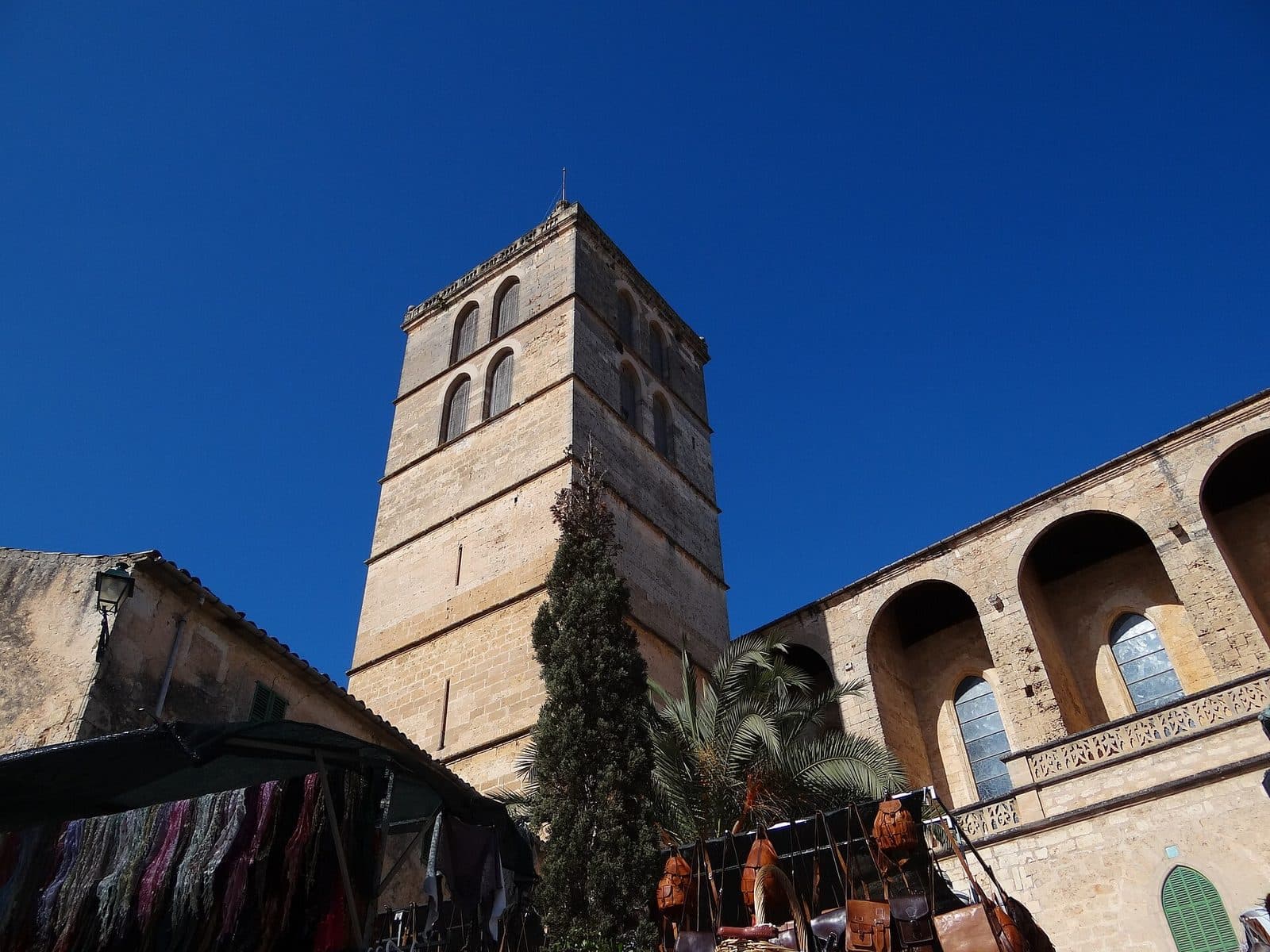
In the heart of Sineu’s old town, two very different eras meet at the Museu / Taller Ricado Gagó: Ricardo Gago’s painting and sculpture and the walls of Can Gili, a townhouse whose history reaches back to the 13th century. The venue is also known as Galeria Can Gili or as Ricardo Gago’s studio and exhibition gallery. This dual character is precisely what makes a visit so interesting, as workshop, gallery and historic building come together here. Among the paintings and sculptures, your attention repeatedly returns to the house’s architecture and history.
Those who enjoy viewing contemporary art where it is created will find an unusually direct experience here. Can Gili is also worthwhile for visitors who want to discover more of Sineu than its market: behind the façade is a house that spans the town’s medieval history and the contemporary art scene of Pla de Mallorca.
History and Significance
Can Gili
The story begins not with a gallery, but with one of Sineu’s old townhouses. Can Gili was built in the 13th century after the Christian conquest of Mallorca, making it one of the town’s earliest surviving houses. Its location in the historic center and its considerable age make the building itself an essential part of the visit: the art is not displayed against neutral museum walls, but in the rooms of a historic townhouse.
The house’s name refers to the Gili family and is traced back to Pere Gili, who served as mayor of Sineu between 1396 and 1409. Above the main entrance, the family coat of arms still recalls this connection today. It is known as the “coronella” and is one of those details through which the history of the house can be read even before entering.
About a century after Pere Gili, Can Gili belonged to Joan Gili, who is described as a leading member of a political rebel movement known as the Brotherhood. The house was therefore not only the residence of a locally influential family, but also has links to Mallorca’s history of power struggles and social tensions.
Ricardo Gago in Sineu
Ricardo Aparicio Gago was born in Zamora in 1949, grew up in Asturien and came to Mallorca in the mid-sixties. After periods in Palma, Peguera and Alaró, he eventually settled in Sineu. In the seventies, he began working with clay. Mallorca’s landscape and everyday culture provided his early subjects: houses, mills, folklore and rural scenes appeared as small sculptural works and replicas.
Gago deepened his training as a painter under Joaquín Torrens Lladó at the Escuela Libre del Mediterráneo. Later, he returned to modeling more intensively. From 1996 onward, he created figures depicting scenes from rural life, ceramics and miniatures of Mallorcan buildings, among other works. He sold some of these pieces on Wednesdays at the market in Sineu—a direct link between his artistic path and the town where his studio and gallery are now located.
Can Gili is therefore more than an interchangeable exhibition address. The historic house, Gago’s engagement with Mallorca and his long-standing home in Sineu form the context from which today’s art venue emerged.
What to See
Paintings
The gallery displays original paintings by Ricardo Gago. Its aim is not to create a strict museum-style separation between the works and their surroundings. Instead, the paintings enter into dialogue with a house that is many centuries older than the art on display. Visitors who take their time therefore see not only individual subjects or painting techniques, but also how differently the works appear against the historic backdrop of Can Gili.
Gago’s artistic journey explains why Mallorca is more than a mere setting in this context. Even his early works featured the island’s houses, mills, landscapes and traditions. The gallery can therefore also be understood as a personal view of the Mallorca where the artist has lived since his youth. Art prints and reproductions are offered alongside originals, making it possible to distinguish clearly between an original work and a reproduced edition.
Sculptures and Three-Dimensional Works
The second main focus is sculpture and modeling. Gago began working with three-dimensional materials in the seventies, starting with clay; he later returned to modeling and created small figures depicting rural everyday life, among other works. Ceramics and miniatures of traditional Mallorcan buildings are also part of his development as an artist.
These three-dimensional works particularly invite a slower look. While a painting concentrates a scene on a flat surface, figures and models can be viewed from changing perspectives. The connection with craftsmanship and the studio remains tangible: Can Gili does not merely present finished artworks, but also represents the place where a painter and sculptor works.
The Family Coat of Arms Above the Entrance
Even before the art inside begins, it is worth looking above the main doorway. There you will find the coat of arms of the Gili family, which gave the house its name. This “coronella” is not a gallery sign added later, but a reference to the building’s historic identity and its former owners. The detail also helps place the entire visit in context: Can Gili was not designed as a museum, but as a townhouse. Its present use preserves this private, intimate atmosphere. Instead of a large exhibition hall, visitors encounter an art venue whose rooms and works are intended to be experienced together.
The House as an Exhibition Space
The building’s architectural core dates from the 13th century. The house’s considerable age and ownership history give the exhibited works a historic setting. The eye moves between paintings, three-dimensional works and the building itself; this is precisely what makes Can Gili special.
The Museu / Taller Ricado Gagó is simultaneously a studio, gallery and historic house. It presents Ricardo Gago’s work in painting and sculpture. Its strength lies in its close focus on a single artist and in the connection between his work and one of Sineu’s older buildings.
Visiting the Museum
A Focused Art Stop
The visit is best understood as a focused tour of an artist’s house. Ricardo Gago’s works and their effect within Can Gili are the main attraction. The gallery can easily be included in a walk through Sineu’s historic center. The length of a visit depends primarily on whether you want only an overview or wish to examine the paintings, sculptures and building in greater detail.
Allow time for a first impression even before entering. The family coat of arms above the main entrance reveals part of the house’s history and is easily missed if you look only at the door. Inside, it is worth moving between the different art forms: first view the paintings from a slight distance, then examine the three-dimensional works from several angles and finally take in the historic rooms as their unifying setting.
Market Wednesday or a Quiet Town Walk
Wednesday shapes Sineu’s weekly rhythm, as this is when the well-known market takes place. It is a suitable day if you want to combine the gallery, market and a walk through the town. However, the area around the center is considerably busier than on ordinary days. Those who primarily want to experience Can Gili as an art venue and prefer a quieter walk through the old streets should choose a day without the large market.
It is advisable to check current access before setting out. Admission is free. Separate sales conditions apply to originals and art prints offered in the gallery.
Who Will Enjoy Can Gili
The visit is particularly suitable for people who prefer painting and sculpture in a personal setting. Admirers of historic houses will also find much to appreciate, as Can Gili’s significance extends far beyond its present use. Families can focus on easily recognizable details such as sculptures, three-dimensional works and the coat of arms above the entrance.
The main focus is Ricardo Gago’s work. Those who engage with it will experience a place where biography, artistic production and the history of a medieval house come together in an unusually close relationship.
Getting There and Parking
From Palma Airport
The stated road distances lead initially to Sineu, not directly to the entrance of Can Gili. From Palma Airport, the route to the town covers 35 kilometers by road; the journey takes around 35 minutes via the Ma-3011. In Sineu, the final stretch leads into the historic center and Carrer Major, where the gallery is located.
In the center, it makes sense to set your navigation not only for the town name, but specifically for Can Gili or Carrer Major. The destination lies in an established old town rather than on a major thoroughfare.
From Palma
From central Palma, the route to Sineu follows the Ma-13 and then the Ma-3240. It covers 42 kilometers by road and takes around 43 minutes. These directions also end in Sineu; within the town, continue toward the historic center and Carrer Major.
Traveling by car can easily be combined with other stops in Pla de Mallorca. However, a vehicle is not needed for the visit itself: Can Gili is in the town center, so the market, old streets and other historic sites in Sineu can be reached on foot.
By Public Transport
Nearby bus stops include Sineu Estació and Estació Sineu; IES Sineu 1 and IES Sineu 2 are also located within the town. Timetables and connections should be checked immediately before the trip. On market day, expect greater demand and more activity around the center.
Bus lines to Museu / Taller Ricado Gagó at a glance
| Line | Route | Departures/day | First | Last |
|---|---|---|---|---|
| 432 | Sineu - Algaida | 142 | 06:20 | 22:20 |
| T3 | Palma - Manacor | 77 | 06:37 | 23:11 |
| 441 | Ariany - Maria - Sineu | 37 | 06:25 | 22:42 |
| 442 | Sant Joan | 32 | 07:00 | 21:57 |
From the official GTFS feeds (TIB/SFM), no real-time data. The figures cover all stops in the town; weekend and holiday services differ — check with the operator before travelling.
Getting there by bus
Sineu Estació (220) · 0.3 km as the crow flies
- T3Palma - Manacor · Daily
Estació Sineu (60005) · 0.3 km as the crow flies
- 432Sineu - Algaida · Daily
- 441Ariany - Maria - Sineu · Daily
- 442Sant Joan · Daily
IES Sineu 2 (60007) · 0.7 km as the crow flies
- 432Sineu - Algaida · Daily
IES Sineu 1 (60006) · 0.7 km as the crow flies
- 432Sineu - Algaida · Daily
Timetable data: official GTFS feeds (TIB/EMT), no real-time — check with the operator before travelling.
Nearby Attractions
Sineu’s Historic Center
After leaving Can Gili, the historic perspective continues through the streets of Sineu. The town has retained a distinctly medieval character in its center and is therefore better suited to a continuous walk than to a rushed single stop. The former royal palace and other historic sites can be included along the way without separating the gallery visit from its immediate surroundings.
Sineu lies in Pla de Mallorca, the central plain between Serra de Tramuntana and Serres de Llevant. The town therefore feels different from the coastal resorts: everyday life here is more strongly shaped by agriculture, regional trade and the traditions of the island’s interior. This complements the development of Ricardo Gago’s work, in which rural scenes, mills, houses and Mallorcan everyday culture played an important role from an early stage.
Sineu Market
On Wednesdays, the weekly market transforms the center. Stalls and visitors fill the streets, making market day an obvious occasion to combine with Can Gili. There is even a biographical connection: Ricardo Gago sold his own figures, ceramics and miniatures of Mallorcan buildings at the market. Those who visit both the gallery and market on the same day therefore encounter not merely two separate attractions, but a setting from Gago’s artistic development.
The drawback is the larger crowds. Wednesday is suitable for a lively day out; another weekday is better for a quieter look at the streets and façades. In either case, Can Gili is centrally located enough to combine the visit with a meal in one of Sineu’s traditional cellers.
Art and Everyday Culture
The best complement to the gallery is not another lengthy museum visit, but the town itself. Walking through Sineu after seeing the paintings and sculptures reveals many of the themes that have shaped Gago’s work: historic houses, craft traditions and the rural identity of the island’s center.
Can Gili thus becomes a good starting point for discovering Sineu beyond its famous market. The house tells the story of an influential family and political unrest, while the art reflects an artist who found his way to craftsmanship and painting in Mallorca. Outside, this story continues in a town center that remains closely connected with Pla de Mallorca today.
Local insider tips
Look Up Before Entering
Above the main doorway is the “coronella,” the coat of arms of the Gili family. It refers to the house’s former owners and is the best introduction to understanding Can Gili not only as a gallery, but also as a historic place.
Distinguish Originals from Prints
Alongside original works, the gallery also displays and offers art prints and reproductions. Anyone interested in a particular subject should therefore check which form of the work they are viewing.
Follow Gago’s Footsteps on Wednesdays
The Wednesday market has a biographical connection with the studio visit: Ricardo Gago sold figures, ceramics and miniatures of Mallorcan buildings there. For fewer crowds in the town center, another weekday is a better choice.
Take in the Rooms Too
Can Gili dates from the 13th century, making it one of Sineu’s old houses. Among the paintings and sculptures, it is therefore worth repeatedly looking at the building, which is itself part of the visitor experience.