1/3
ALENA
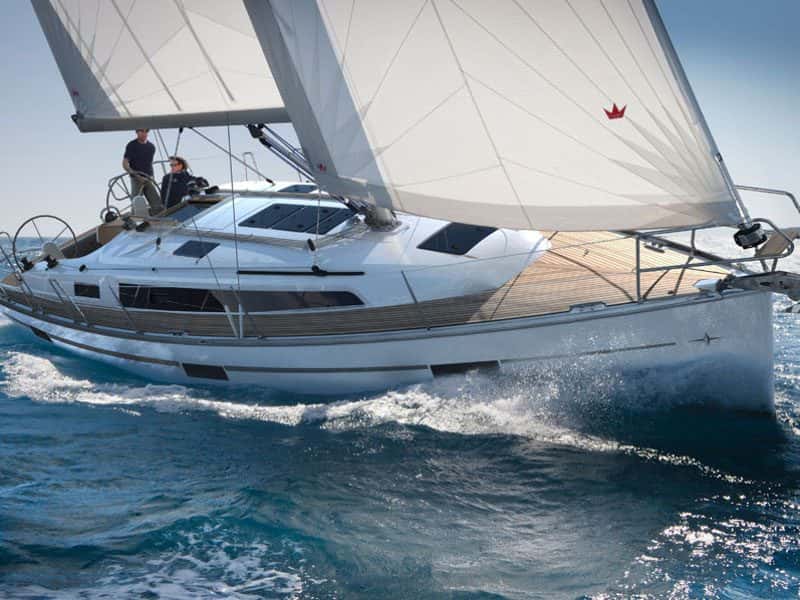
Bavaria Cruiser 37
Without skipperSailing yacht
6 People · 3 Cabins · 11.3 m
Price on request
El ArenalDetails

15 yachts
Bavaria Cruiser 37
6 People · 3 Cabins · 11.3 m
Price on request
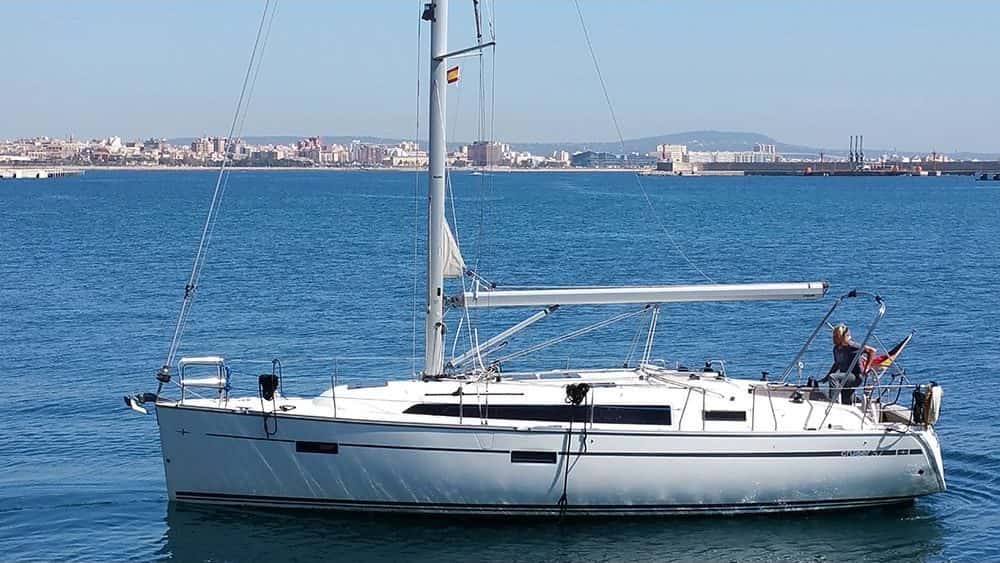
Bavaria Cruiser 37
6 People · 3 Cabins · 11.3 m
Price on request
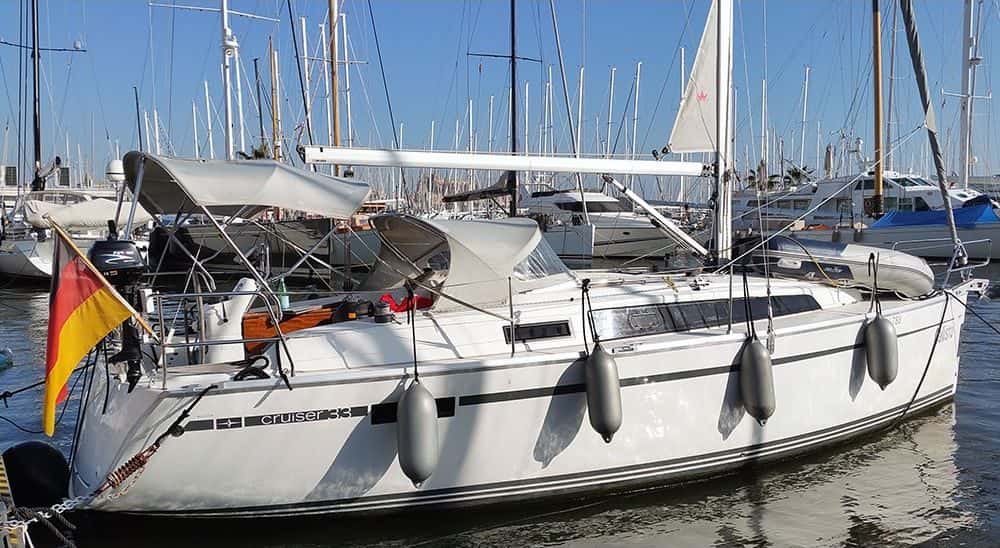
Bavaria Cruiser 33
4 People · 2 Cabins · 10 m
Price on request
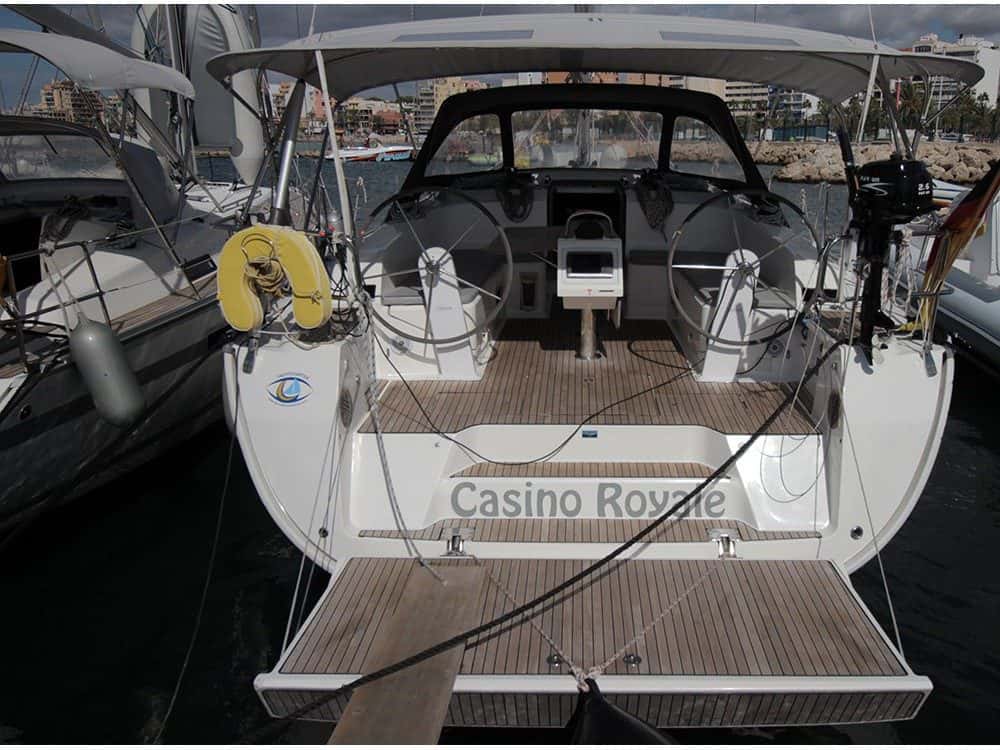
Bavaria Cruiser 46
8 People · 4 Cabins · 14.3 m
Price on request
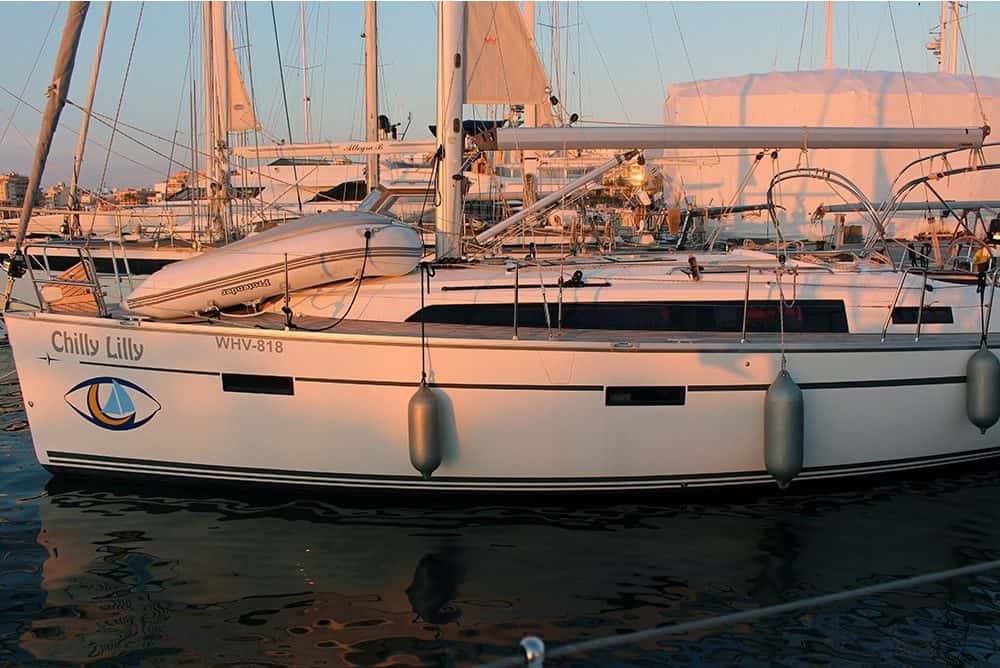
Bavaria Cruiser 37
6 People · 3 Cabins · 11.4 m
Price on request
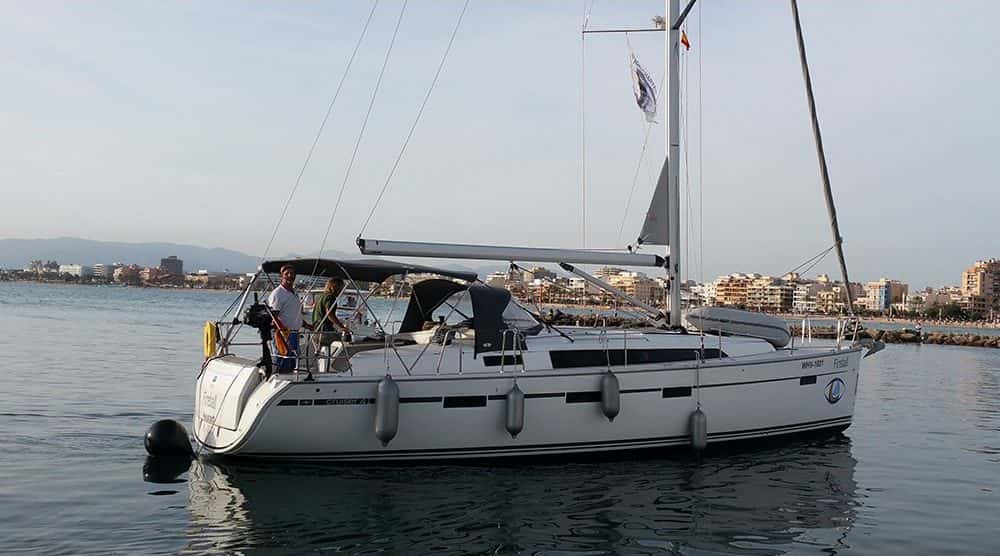
Bavaria Cruiser 41
8 People · 3 Cabins · 12.4 m
Price on request
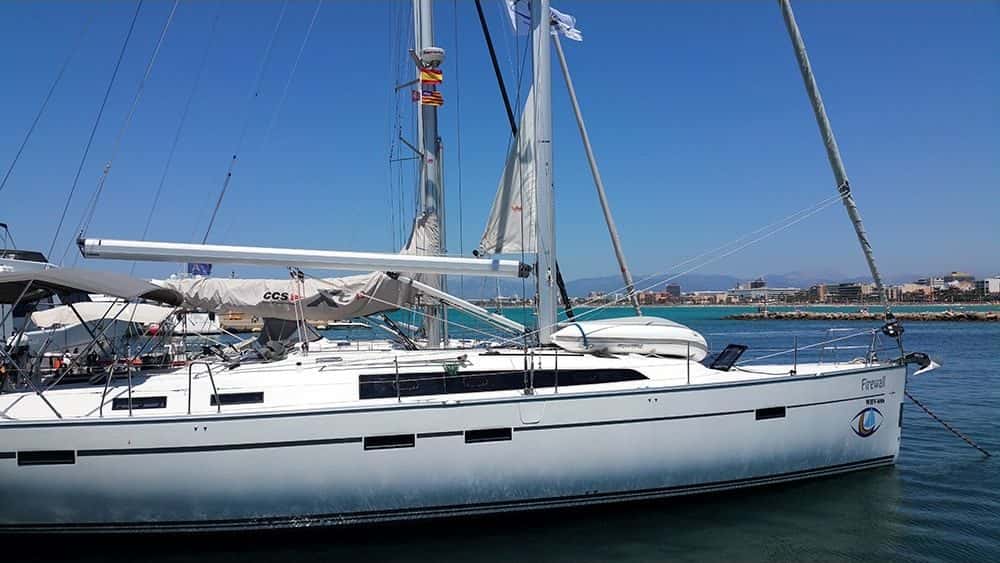
Bavaria Cruiser 51
12 People · 5 Cabins · 15.6 m
Price on request

Nautitech 40 Open
10 People · 4 Cabins · 12 m
Price on request
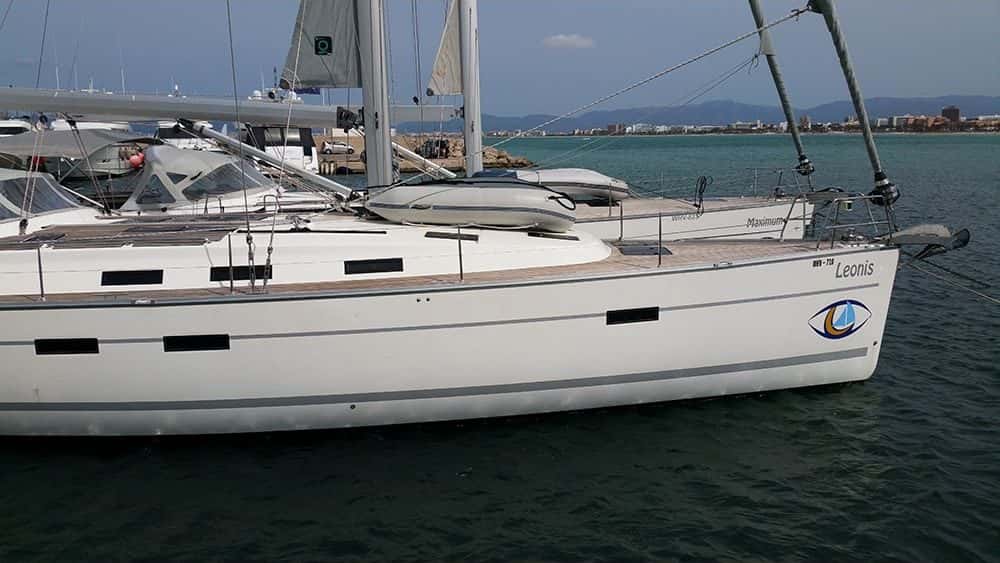
Bavaria Cruiser 50
12 People · 5 Cabins · 15.6 m
Price on request

Bavaria Cruiser 46
8 People · 4 Cabins · 14.3 m
Price on request

Bavaria Cruiser 56
12 People · 5 Cabins · 15.6 m
Price on request

Prestige 42 Fly
4 People · 2 Cabins · 13.1 m
Total price from €10,200 for 7 days
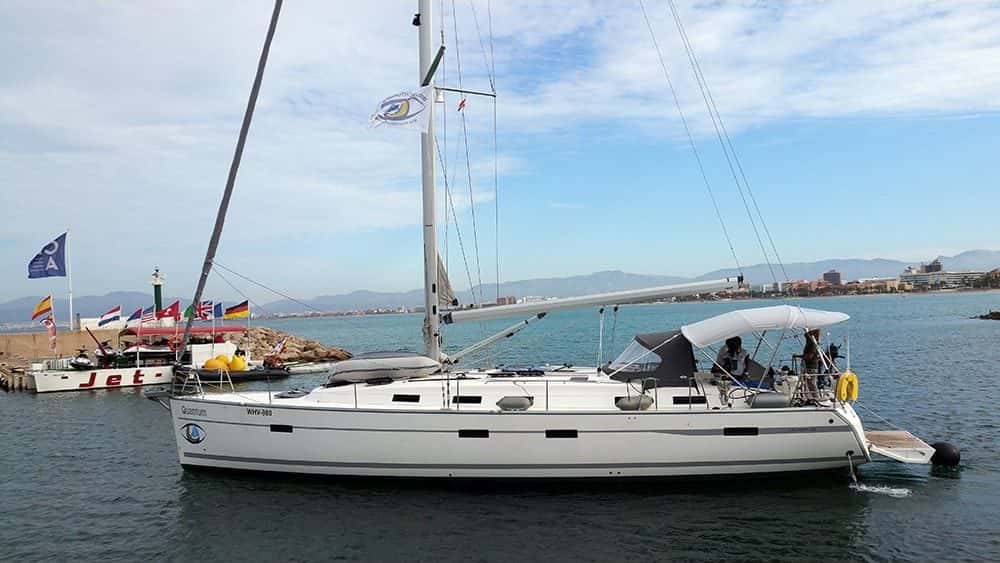
Bavaria Cruiser 50
10 People · 5 Cabins · 15.6 m
Price on request
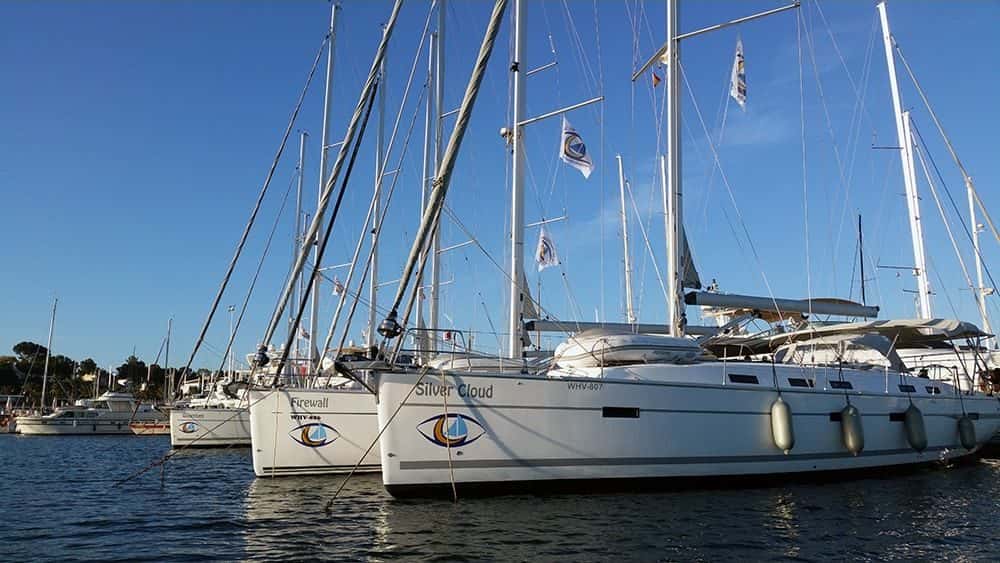
Bavaria Cruiser 50
12 People · 5 Cabins · 15.6 m
Price on request

Bavaria Cruiser 40
6 People · 3 Cabins · 12.4 m
Price on request
A yacht charter from El Arenal offers a practical way to discover Mallorca from the water while keeping the itinerary flexible. Rather than committing to a fixed excursion, you can shape the trip around your group, the yacht, current sea conditions and the kind of experience you want. That might mean relaxed swimming stops in sheltered water, a longer coastal passage, an overnight stay in a marina or an unhurried day close to the Bay of Palma. El Arenal can suit several styles of charter. Experienced sailors may wish to rent a yacht without a skipper, subject to qualification checks and the operator's approval. Travellers who would rather focus on the holiday can choose a yacht with a skipper or crew. A local professional can manage navigation and manoeuvring, explain the yacht's systems and help adapt the plan when wind, sea state or harbour availability changes. Choosing the right yacht involves more than comparing its headline capacity. Consider how many people will sleep on board, whether anyone has limited mobility, how much shade and cockpit space the group needs, and whether the holiday is mainly about sailing, socialising or spending time at anchor. Cabin layout, bathroom arrangements, ventilation, storage and access to the water can matter just as much as overall length. Families may prioritise easy movement and protective features, while enthusiastic sailors may pay closer attention to sail handling and deck layout. The information below is a planning guide rather than a live sailing instruction or legal statement. Charter terms, marina procedures, weather, local restrictions and equipment can change. Confirm the current details with the operator, consult official maritime information and make the final route decision according to the conditions on the day.
The cost of an El Arenal yacht charter depends on the yacht, the rental period, the season and the services included. Larger or newer yachts generally command a higher rate, but size alone does not determine value. Design, cabin arrangement, onboard systems, maintenance standard and equipment can all affect the quotation. A yacht with generous outdoor space may suit a daytime group, while a well-planned interior may be more important for an overnight holiday. Seasonal demand is a major cost driver. Popular holiday periods tend to fill earlier and may offer less flexibility, whereas quieter dates can provide a wider choice. This is not a guarantee of lower rates or availability, so compare current quotations for your preferred dates rather than relying on a general seasonal assumption. The length and structure of the rental also matter. Day use, a short break and a longer charter may each have different inclusions, handover arrangements and payment conditions. Check whether the advertised rate includes local taxes, final cleaning, bed linen, towels and normal marina services at the departure base. Fuel is commonly linked to actual use, but the method of calculation varies. Water-sports items, safety netting, additional bedding, internet access, outboard fuel, food delivery and transfers may be optional. Ask for a written list of what is included and what is payable separately before confirming. A refundable security deposit may be required for a charter without a skipper. Its amount, payment method, release process and the circumstances in which deductions can be made should be set out in the contract. Deposit alternatives or damage-waiver products may sometimes be available, but their exclusions can be significant. Read the wording carefully and do not assume that a waiver removes all financial responsibility. Choosing a yacht with a skipper or crew adds professional service to the budget. Clarify whether their fee, meals and overnight accommodation are included. On some yachts, a berth or cabin must be reserved for the professional on board. Gratuities, where customary, are usually discretionary and should not be confused with a mandatory service charge. Your route can create additional expenses. Overnight berths away from El Arenal, shore power, water, local harbour services and special mooring arrangements may be charged separately. Marina tariffs and availability can change with date, yacht dimensions and local demand. Anchoring may reduce reliance on paid berths, but it is not automatically free of planning constraints: holding, depth, weather exposure, protected seabed and local restrictions must all be considered. Provisioning is another variable. Self-catering offers control over the budget, but storage and refrigeration are limited compared with a holiday property. Plan simple meals, buy sensible quantities and confirm whether drinking water, basic kitchen supplies or a starter pack are provided. Dining ashore can be part of the experience, although access by tender and the availability of a safe landing place should never be assumed. For a meaningful comparison, request an itemised total based on the same dates, group size and intended use. Review cancellation terms, weather policies, check-in arrangements and potential extras alongside the base rate. The least expensive initial quotation may not be the best overall option if essential services are excluded.
| Month | Air ↑ (°C) | Air ↓ (°C) | Water (°C) | Sunshine hours (h/d) | Wind (km/h) |
|---|---|---|---|---|---|
| January | 15.4 °C | 5.2 °C | 14.5 °C | 5.5 h/d | 13 km/h |
| February | 15.7 °C | 5 °C | 13.7 °C | 6.1 h/d | 13.4 km/h |
| March | 17.6 °C | 6.4 °C | 13.9 °C | 6.7 h/d | 13.7 km/h |
| April | 19.3 °C | 8 °C | 14.9 °C | 7.3 h/d | 14 km/h |
| May | 22.7 °C | 11.4 °C | 17 °C | 9.4 h/d | 13.4 km/h |
| June | 26.9 °C | 15.6 °C | 21 °C | 10.4 h/d | 13 km/h |
| July | 29.7 °C | 18.4 °C | 24.3 °C | 11.1 h/d | 12.6 km/h |
| August | 30.2 °C | 19 °C | 26.2 °C | 10.3 h/d | 12.2 km/h |
| September | 27 °C | 16.6 °C | 24.7 °C | 7.9 h/d | 11.9 km/h |
| October | 23.2 °C | 13.4 °C | 22 °C | 6.4 h/d | 12.2 km/h |
| November | 19.1 °C | 9.1 °C | 18.7 °C | 5.4 h/d | 12.6 km/h |
| December | 16.2 °C | 6.6 °C | 16 °C | 4.9 h/d | 13 km/h |
There is no single best season for every El Arenal charter. The right period depends on whether you value warm-water leisure, stronger sailing interest, quieter surroundings or the broadest choice of services. Mallorca has a Mediterranean setting, but that description should not be treated as a forecast. Wind direction, sea state, cloud, visibility and temperature can vary from day to day, and exposed sections of coast may feel very different from sheltered water inside the bay. Summer is usually the period most associated with swimming, long days outdoors and a lively waterfront atmosphere. It is also commonly the busiest time for yachts, marinas, beaches and coastal restaurants. Early booking may therefore be sensible if the group needs a particular layout or travel date. Heat and sun exposure deserve practical attention. Shade, drinking water, sun protection and ventilation can materially affect comfort, especially for children and guests who are not accustomed to spending a full day on the water. Spring and autumn can appeal to sailors who prefer a less intensely summery experience. Conditions may be pleasant, but they can also be more changeable. Cooler evenings, frontal weather, stronger wind or residual swell are all possibilities. Pack layers and waterproof protection even if the land forecast appears mild. Some seasonal businesses or services may operate differently outside peak holiday periods, so verify marina offices, restaurants, transport and provisioning options rather than assuming summer arrangements apply. Winter charters may be possible in some circumstances, but availability, maintenance schedules and shoreside services can be more limited. The emphasis is likely to be on suitable weather windows and capable planning rather than swimming. Confirm that the yacht's heating, bedding and wet-weather equipment are appropriate for the intended use. Local thermal effects and sea breezes can influence a day on the Bay of Palma, but they should not be used as a substitute for a current marine forecast. Wind may build, shift or funnel around coastal features. A comfortable morning anchorage can become exposed later, and a return leg may be less pleasant than the outward passage. Swell can also arrive from a direction that does not match the wind felt on deck. Before departure, review official marine forecasts, warnings and navigational notices. Discuss them with the operator or skipper, and continue monitoring conditions during the trip. Smartphone applications are useful planning aids, but coverage, model resolution and update intervals vary. The skipper remains responsible for judging whether the yacht, route and people on board are suited to the actual conditions. For a relaxed first charter, build flexibility into the plan. Treat a desired cove or restaurant as an option rather than a promise. Leave room to shorten the route, remain within sheltered water or return to El Arenal if anyone becomes uncomfortable. A successful day is defined by safety and enjoyment, not by completing every point on an ambitious itinerary.
El Arenal is associated with the Bay of Palma and provides a useful starting point for exploring this part of Mallorca by yacht. The bay can support anything from a gentle local outing to the opening stage of a broader coastal itinerary. The appropriate range depends on the yacht, rental duration, forecast, crew experience and availability of safe overnight stops. Online route suggestions should be treated as inspiration, not as guaranteed schedules. Begin by confirming the exact meeting point. A harbour name does not necessarily identify the operator's office, yacht berth, parking area or luggage drop-off location. Ask for written arrival instructions and a contact method for the day of embarkation. If travelling with substantial baggage, children or guests with reduced mobility, request information about the walking route and access to the pontoon. Storage on board is finite, so soft bags are generally easier to stow than rigid suitcases. Provision before leaving when practical. Make a list based on the length of the trip, galley facilities and expected opportunities to eat ashore. Prioritise drinking water, simple food, sun protection and any personal medication. Confirm whether the yacht has adequate refrigeration and whether cooking fuel, utensils and cleaning materials are supplied. Avoid overbuying perishables if the trip is short. The immediate bay may be suitable for an easy introductory sail when conditions permit. It gives the group time to learn safe movement on deck and become familiar with the yacht before considering a more exposed coastal leg. For a day charter, a flexible plan might combine sailing with a sheltered swimming or lunch stop. For a longer trip, the route could continue towards other parts of Mallorca's southern or western coastline, provided the forecast, berth options and operator's navigation limits support it. Do not judge an anchorage only by attractive photographs. Check the chart, depth, seabed, swing room, forecast wind, incoming swell and escape options. Mallorca's marine environment includes sensitive seagrass areas, and anchoring controls may apply. Use current official maps and local guidance, avoid dropping an anchor on protected vegetation and comply with any buoy or reservation system in force. Regulations and managed mooring arrangements can change. If planning to visit another marina, contact it directly or use its official reservation process. A space may not be available simply because a harbour appears nearby on the chart. Yacht dimensions, draught, electricity requirements and arrival conditions can affect acceptance. Keep an alternative plan in case the berth cannot be confirmed or conditions make entry unsuitable. Approaching or leaving El Arenal requires normal harbour discipline. Observe posted speed limits, traffic directions, restricted areas and instructions from harbour personnel. Keep a lookout for ferries, sailing schools, excursion craft, fishing activity, swimmers and small recreational vessels wherever relevant. The person in command should brief everyone about lines, fenders and safe positions before manoeuvring. Guests should not jump ashore or attempt to stop the yacht with their hands or feet. Swimming and tender use also require judgement. Stop the engine before anyone enters the water, control loose lines and make sure there is a reliable way to climb back aboard. Check for vessel traffic, current and drift. If going ashore by tender, take the necessary safety equipment and confirm that landing is permitted and practical. Never leave the main yacht unattended unless the operator's rules and safe seamanship allow it. At the end of the charter, allow enough flexibility for a calm return, refuelling if required and the operator's inspection. Ask where waste should be separated and disposed of, and report breakages or technical concerns rather than attempting improvised repairs. Exact departure and return arrangements are set by the individual booking and should be checked in the charter documents.
Whether you need a sailing licence depends on how the yacht is chartered and on the rules that apply to the particular vessel and trip. If you select a yacht with a skipper or crew, the professional normally handles command and navigation. Guests may still help with sailing when invited, but they do not replace the qualified person responsible for the yacht. For a charter without a skipper, the operator will usually assess the proposed skipper's qualifications and practical experience before acceptance. A certificate that is valid at home is not automatically accepted for every yacht in Mallorca. Recognition may depend on the issuing country, vessel flag, yacht type, size, engine power, intended navigation area, insurer and operator policy. A radio certificate may also be requested when the yacht carries relevant communications equipment. Send clear copies of your documents before making non-refundable travel arrangements, and ask for written confirmation that they are acceptable for the selected yacht. An International Certificate of Competence or a national qualification may be relevant, but neither should be assumed sufficient without operator approval. Bring the original documents if requested, along with identification and any supporting record of recent experience. Practical ability matters as much as paperwork. The operator may ask about recent time as skipper, experience on a comparable yacht, coastal navigation, anchoring, reefing, engine handling and marina manoeuvres. Be accurate. Overstating experience can put the group and yacht at risk and may affect insurance protection. If your qualifications are acceptable but your recent experience is limited, hiring a skipper for part or all of the trip can be a sensible solution. A safety and technical handover should explain the yacht's essential systems, emergency equipment, operating limits and local procedures. Use this opportunity to ask questions. Locate lifejackets, fire equipment, first-aid supplies, emergency steering arrangements and seacocks where relevant. Review engine checks, battery management, toilet use, gas shut-off, reefing systems and the method for contacting the operator. Do not sign the handover record until existing damage has been noted and important systems have been demonstrated to your satisfaction. The person in command must also understand local navigation rules, collision avoidance, harbour regulations, environmental restrictions and emergency communication. Official Spanish maritime authorities, harbour offices and the charter operator are the appropriate sources for current requirements. Rules can change, and this page is not a substitute for legal advice, a navigation course or official notices.
Choose a skipper if nobody in the group has qualifications accepted by the operator, if recent experience is limited or if you simply want a more relaxed holiday. A professional can handle navigation, harbour manoeuvres and changing conditions while helping the group understand what is realistic. Before booking, confirm the skipper's fee, meals, sleeping arrangements and working scope. A skipper improves local support but cannot guarantee a particular route when weather or safety considerations require a change.
Pack light, using soft luggage that can be folded and stored. Useful items include non-marking footwear, sun protection, a hat that can be secured, sunglasses, light layers, a wind-resistant outer layer and personal medication. Bring swimwear and a towel if they are not included. A waterproof pouch can protect documents and electronics. Avoid excessive clothing and rigid suitcases. Ask the operator whether bedding, towels, snorkelling items and charging adapters are supplied.
Yes, beginners can usually join and may help with simple tasks under appropriate supervision. Tell the skipper about everyone's experience and confidence level before departure. Guests should receive a basic safety briefing covering movement on deck, handholds, lines, lifejackets and emergency procedures. Children and non-swimmers may need additional precautions. Participation always depends on the conditions, the yacht and the skipper's judgement.
Start with the rental duration, current forecast and the group's priorities. Identify a preferred plan plus sheltered alternatives, and avoid making a distant restaurant booking the central requirement of the trip. Consider safe anchorages, marina availability, daylight, fuel, water and the comfort of less experienced guests. Ask the operator or skipper for current local guidance. Final routing should be decided close to departure and adjusted whenever conditions change.
Advance enquiries are sensible when an overnight marina stay is important, especially during popular travel periods. Availability is never guaranteed until confirmed through the marina's current process. Provide accurate yacht dimensions and service requirements. Keep an alternative that does not depend on the requested berth, and do not assume anchoring nearby will be permitted or safe. Harbour charges are generally separate unless the charter agreement expressly includes them.
The response depends on the operator's contract, the yacht and the severity of the conditions. Options might include delaying departure, changing the route, remaining in sheltered water or not sailing, but no particular remedy should be assumed. Read the weather and cancellation clauses before booking. Follow official warnings and the decision of the person in command. Travel insurance may help with some disruptions, subject to its terms and exclusions.
Inclusions vary by yacht and operator. Fuel may be charged according to use, while cleaning may be included, mandatory or listed separately. Ask whether engine hours, generator use, outboard fuel, gas, water and waste handling create additional charges. Request an itemised quotation and check the return requirements, including refuelling and galley condition. Normal final cleaning does not usually excuse excessive mess or damage.
Families should assess shade, sleeping layout, cockpit security, access to the water and how easily children can move around the yacht. Ask whether suitable lifejackets and a safety net can be provided, and confirm any age or size limitations for the available equipment. Plan shorter, flexible passages if children are unfamiliar with boats. Bring familiar food, sun protection and any necessary medication. Adults remain responsible for active supervision even when a skipper is present.
No. A suitable swimming stop depends on weather, depth, seabed, traffic, local restrictions and the yacht's anchoring equipment. Protected seagrass and managed mooring zones require particular care. Consult current charts, official environmental information and local notices. Keep watch for changing wind or swell, stop propulsion before swimmers enter the water and provide a safe boarding method. The skipper should be ready to leave if the anchorage becomes uncomfortable or unsafe.
Data powered by Booking Manager