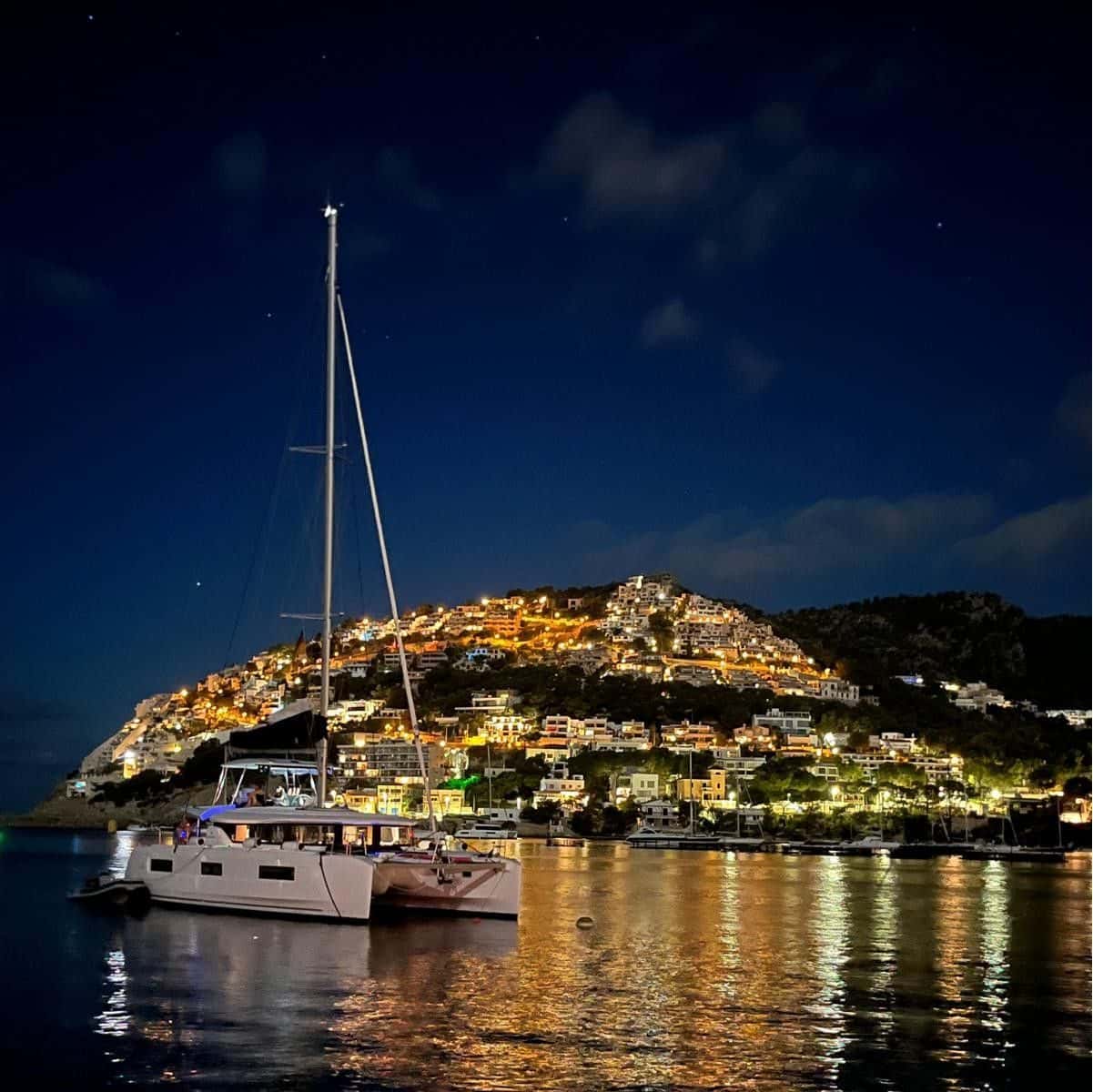
1/6
Amanaci
Lagoon 46
Without skipperCatamaran
8 People · 4 Cabins · 14 m
Price on request
Palma de MallorcaDetails

9 yachts
Lagoon 46
8 People · 4 Cabins · 14 m
Price on request
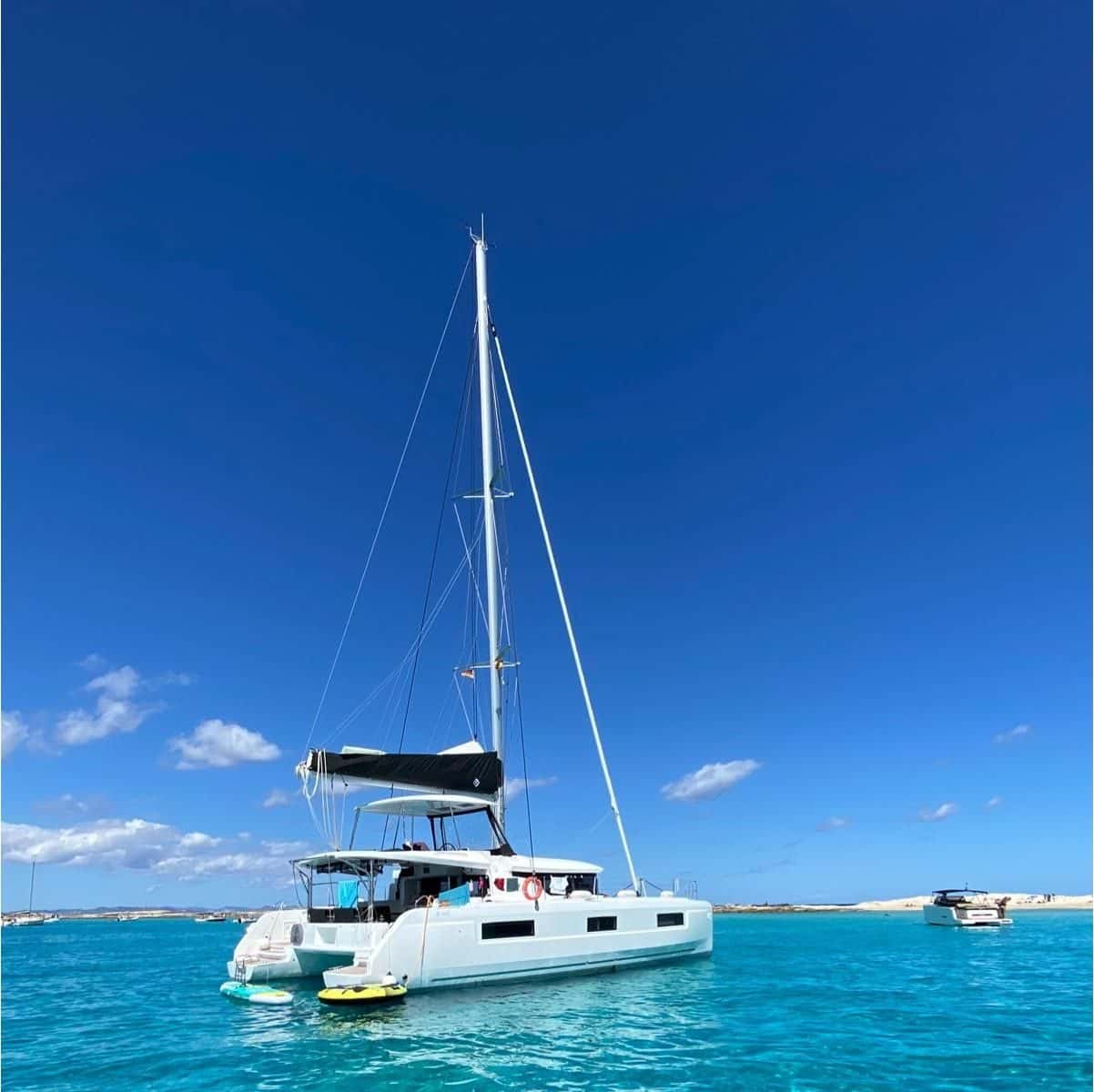
Lagoon 46
8 People · 4 Cabins · 14 m
Price on request
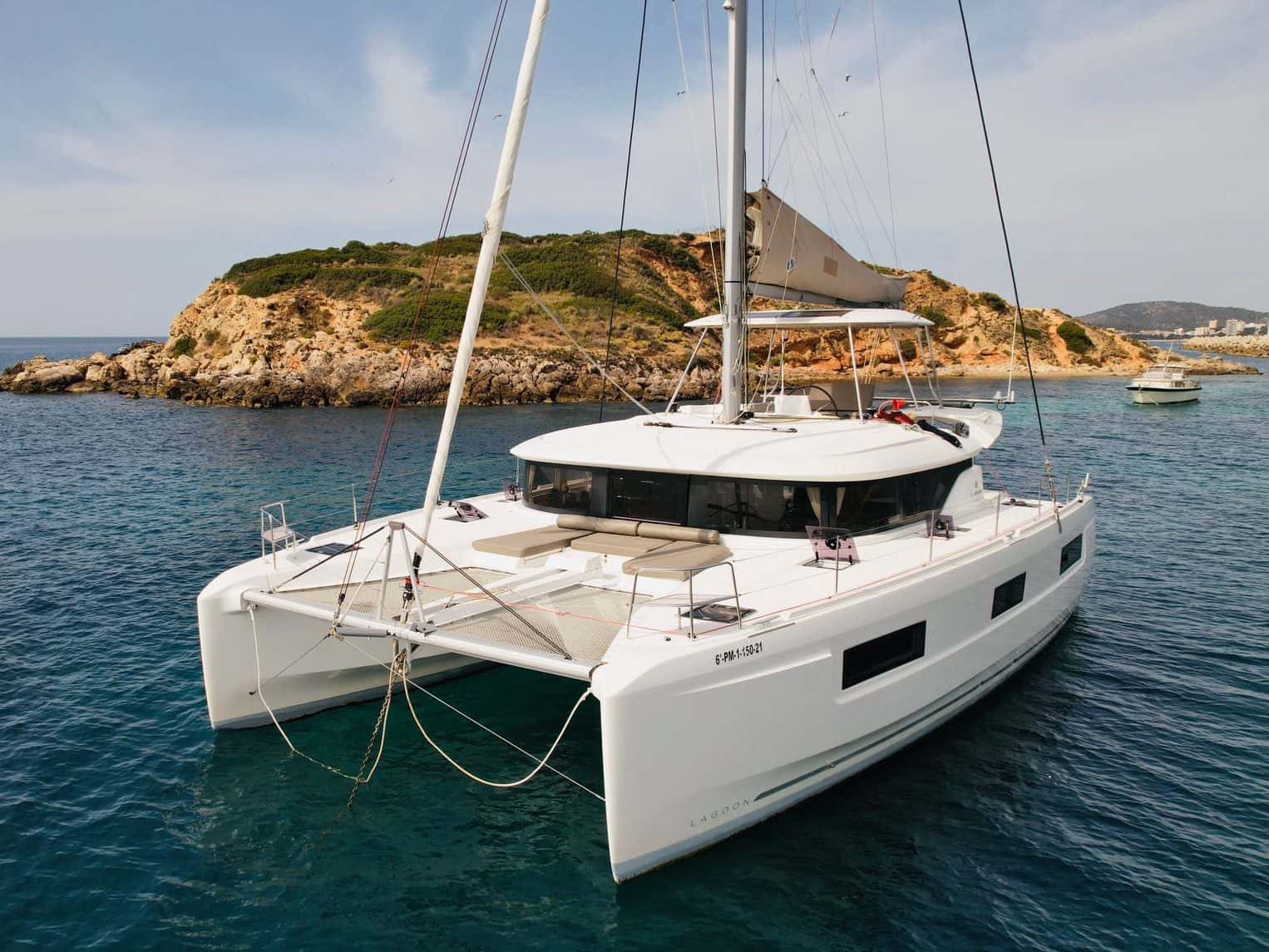
Lagoon 46
10 People · 4 Cabins · 14 m
Total price from €8,905 for 7 days
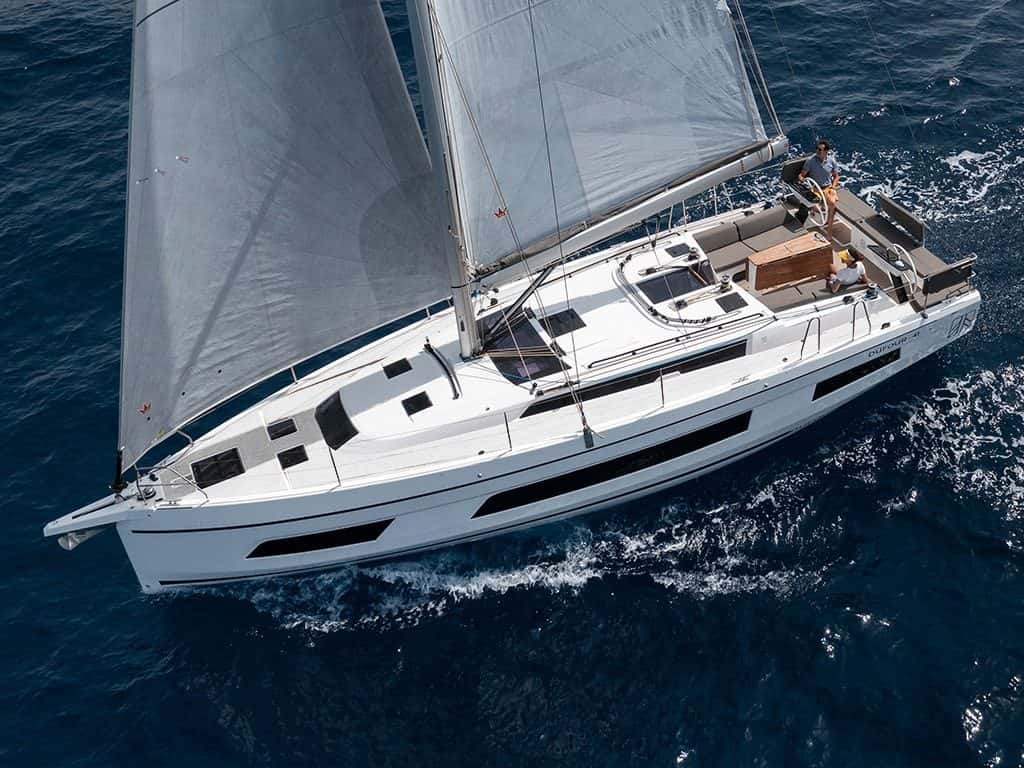
Dufour 41
6 People · 3 Cabins · 12.8 m
Total price from €5,460 for 7 days

Bali 4.8
10 People · 5 Cabins · 14.8 m
Total price from €13,465 for 7 days
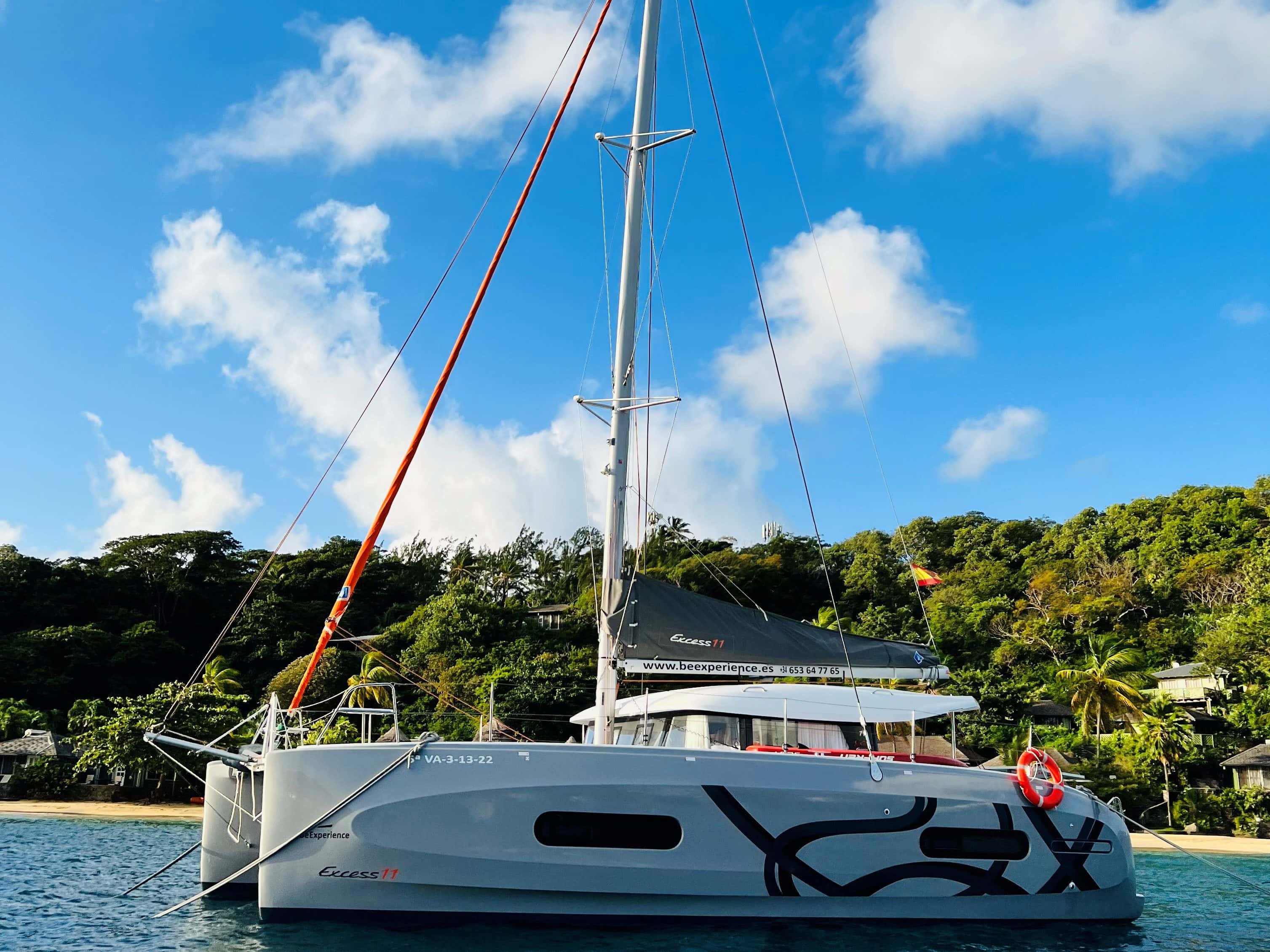
Excess 11
8 People · 4 Cabins · 11.3 m
Total price from €8,950 for 7 days

Excess 11
8 People · 4 Cabins · 11.3 m
Total price from €8,950 for 7 days
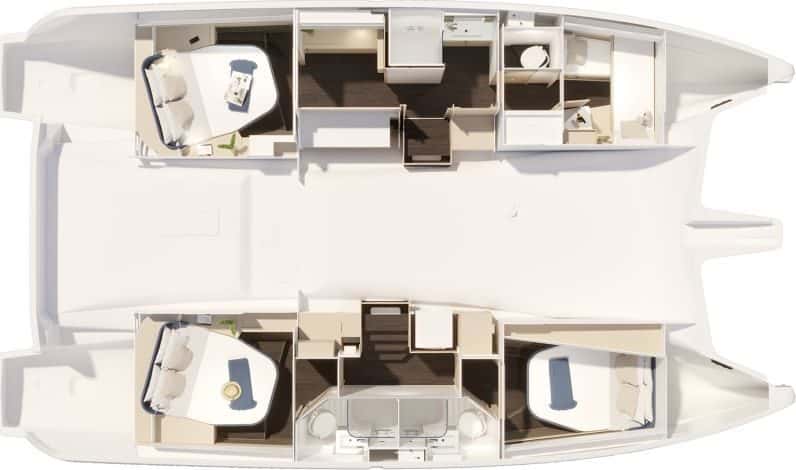
FP 44
6 People · 3 Cabins · 13.3 m
Total price from €8,650 for 7 days

Excess 11
8 People · 4 Cabins · 11.3 m
Total price from €8,950 for 7 days
A no-licence yacht charter in Mallorca can make independent time on the water accessible to visitors who do not hold a formal boating qualification. It is particularly appealing if you want to explore sheltered coastal water at your own pace, stop for a swim, enjoy a quiet lunch afloat, or see the island from a different perspective. The relevant listings are offered on the basis that no licence is required, but that description should never be treated as permission to operate any vessel anywhere without conditions. The boat’s specifications, the departure location, local navigation rules, the operator’s rental policy, and the skipper’s age and experience can all affect eligibility. Always confirm the current requirements directly with the operator before booking and follow official local guidance. Choosing a suitable yacht is less about finding the largest option and more about matching the craft to your confidence, intended outing, and expected conditions. A compact, easily handled boat may be more enjoyable for a relaxed coastal trip than a vessel with features you do not need. Read the listing carefully for information about capacity, shade, storage, bathing access, safety equipment, fuel arrangements, and any stated operating-area limits. If something is not clearly described, ask rather than assume. Photographs are useful, but they do not replace a written explanation of what is included or how the yacht is meant to be used. Mallorca offers varied cruising environments. Broad bays, developed marina areas, rocky coves, sandy beaches, and more exposed stretches of coast can all produce very different experiences. A route that feels straightforward in calm weather may be inappropriate when wind, swell, visibility, or marine traffic changes. For that reason, a sensible no-licence outing is flexible. Start with a modest plan, leave room to turn back, and treat the operator’s local briefing as an essential part of the charter rather than a formality. This guide explains the main cost drivers, how to think about seasons and conditions, which harbour areas may suit different styles of outing, and what “no licence required” means in practical terms. It provides general editorial guidance rather than legal or navigational advice. Current rules, forecasts, restrictions, equipment, and operating procedures must be checked with the charter provider and, where appropriate, the relevant official authorities.
The advertised charter rate is only one part of the potential cost. The total can vary with the yacht, the length and timing of the rental, the departure harbour, the booking conditions, and the services included. Demand can also influence pricing, particularly around popular travel periods, but there is no universal rule that applies to every operator. Compare like with like and request a clear written breakdown before confirming. Fuel is an important point to clarify. Some offers may include an allowance, while others may charge for actual use or require the yacht to be returned under a stated fuel policy. Consumption depends on the vessel, engine use, load, sea conditions, and operating style. Avoid relying on a generic estimate from another boat. Ask the operator how fuel is measured, when it is paid, and what happens if the planned route changes. A security deposit or other form of damage guarantee may be required. Check the amount directly during the booking process, along with the payment method, release procedure, and circumstances in which deductions could be made. Insurance does not necessarily remove every financial responsibility. Ask about excesses, exclusions, damage to the propeller or underwater parts, loss of equipment, late return, cleaning, and incidents caused by ignoring the designated navigation area. The applicable contract should provide the definitive terms. Optional extras can alter the total as well. Depending on the yacht and provider, these might include additional water equipment, upgraded insurance, food and drinks, transfer services, marina services, or the assistance of a skipper. Do not assume that items visible in photographs are automatically included. Likewise, ask whether essentials such as required safety equipment, mooring lines, an anchor, sun protection, or a swim ladder are part of the standard setup. Required safety gear should be supplied in accordance with the applicable rules, but it is still sensible to have the operator identify it during handover. The departure location can create indirect costs. Transport to the harbour, parking, food, ice, sun protection, and any provisions bought nearby may need to be added to the budget. If you are staying far from the base, consider the practical value of choosing a closer departure point rather than focusing only on the headline charter rate. A simple journey to and from the harbour can make the day less stressful and reduce the risk of a delayed arrival. Cancellation and weather policies deserve particular attention. Marine conditions can lead an operator to restrict, postpone, relocate, or cancel an outing. Read what the contract says about operator-led cancellation, customer cancellation, credits, refunds, and alternative dates. A cloudy sky alone may not make navigation unsafe, while strong wind or swell can matter even on a sunny day. The operator, not a general travel forecast, will decide whether its yacht can leave under its own safety policy. To compare offers effectively, ask each provider for the same information: what the base rate covers, how fuel is handled, whether a deposit applies, what insurance leaves payable, which extras are optional, and what happens if conditions prevent departure. This approach is more reliable than choosing from a single displayed figure.
| Month | Air ↑ (°C) | Air ↓ (°C) | Water (°C) | Sunshine hours (h/d) | Wind (km/h) |
|---|---|---|---|---|---|
| January | 15.4 °C | 5.2 °C | 14.5 °C | 5.5 h/d | 13 km/h |
| February | 15.7 °C | 5 °C | 13.7 °C | 6.1 h/d | 13.4 km/h |
| March | 17.6 °C | 6.4 °C | 13.9 °C | 6.7 h/d | 13.7 km/h |
| April | 19.3 °C | 8 °C | 14.9 °C | 7.3 h/d | 14 km/h |
| May | 22.7 °C | 11.4 °C | 17 °C | 9.4 h/d | 13.4 km/h |
| June | 26.9 °C | 15.6 °C | 21 °C | 10.4 h/d | 13 km/h |
| July | 29.7 °C | 18.4 °C | 24.3 °C | 11.1 h/d | 12.6 km/h |
| August | 30.2 °C | 19 °C | 26.2 °C | 10.3 h/d | 12.2 km/h |
| September | 27 °C | 16.6 °C | 24.7 °C | 7.9 h/d | 11.9 km/h |
| October | 23.2 °C | 13.4 °C | 22 °C | 6.4 h/d | 12.2 km/h |
| November | 19.1 °C | 9.1 °C | 18.7 °C | 5.4 h/d | 12.6 km/h |
| December | 16.2 °C | 6.6 °C | 16 °C | 4.9 h/d | 13 km/h |
There is no single best period for every no-licence charter. The most suitable choice depends on whether you value warm water, quieter harbours, broad availability, lower demand, or mild conditions for sightseeing. Mallorca’s popular holiday periods generally bring more activity on the water and around marinas. Quieter travel periods can feel more relaxed, but services, opening patterns, and suitable charter days may be less predictable. Availability and operating schedules should always be checked directly. For an inexperienced operator, the quality of the conditions matters more than the date on the calendar. Wind direction and strength, wave state, visibility, local shelter, and the possibility of changing weather all influence whether an outing is appropriate. Conditions can differ around the island at the same time because Mallorca’s coastline, bays, and mountain areas interact with the weather in different ways. A forecast that appears acceptable for one departure harbour should not automatically be applied to another coast. Morning departures are often discussed as a way to seek calmer conditions, but this is not a guarantee and should not be treated as a fixed local rule. The right departure period is the one approved by the operator using a current marine forecast and knowledge of the local area. Ask when you should arrive, how long the safety briefing will take, and when the yacht must be back. Follow the stated return requirement rather than estimating it from sunset or from another operator’s schedule. Heat and sun exposure require planning even when the sea looks calm. Bring suitable sun protection, drinking water, and clothing that can cope with spray and wind. Shade on board varies, so verify whether the yacht has a canopy or another protected area. People who are sensitive to motion may prefer a shorter, more sheltered outing and should seek appropriate medical advice about any medication before travel. Sea temperature and air temperature are only part of swimming safety. Check the operator’s instructions before entering the water, stop the engine as directed, keep clear of the propeller, and make sure the boat is securely positioned. Never assume that a beautiful cove is safe for anchoring or swimming. Swell, currents, depth, seabed type, nearby vessels, protected habitats, and local restrictions can make a stop unsuitable. A flexible plan is the best seasonal strategy. Keep the intended route conservative, identify a nearby alternative, and be prepared to remain within sheltered water or cancel if the operator advises against departure. Check the marine forecast close to the charter and listen to the harbour briefing. General weather apps can help with planning, but they are not a substitute for current marine information or professional local judgment.
Mallorca has departure areas on several coasts, each with a different character. The best base is usually one that combines convenient access, an operator you trust, and nearby water suitable for the particular yacht. No-licence operation may be limited to a defined zone, so a place name on a listing should not be interpreted as permission to travel freely along the coast. Ask the provider to show the permitted area on a chart or map during the handover. Palma and the surrounding bay provide an urban starting point with extensive marina activity and easy access from many accommodation areas. The scale of the bay can be attractive, but it also means paying close attention to commercial traffic, harbour entrances, marked channels, restricted areas, and other leisure craft. A novice should follow the operator’s departure and return instructions closely rather than improvising near port infrastructure. Confirm where boarding takes place because the wider Palma waterfront includes multiple marina and harbour zones. The southwest, including the areas around Port d’Andratx and nearby resort harbours, is known for a varied rocky shoreline, coves, and developed waterfronts. It can be appealing for short coastal exploration, subject to the yacht’s operating boundary and the day’s conditions. Exposed headlands and traffic near popular stopping places can complicate an apparently simple route. Ask which coves are normally considered appropriate, where anchoring is restricted, and which areas should be avoided. Port de Sóller is a notable base on the mountainous northwest coast. The surrounding scenery can be dramatic, but the coast beyond the harbour is relatively exposed and offers fewer easy alternatives than a broad, sheltered bay. Conditions outside the port may differ significantly from those inside it. A provider may impose especially conservative limits for a no-licence yacht, and those limits must be respected. Do not plan a long coastal passage based only on a road map or sightseeing recommendation. In the north, Port de Pollença sits within a broad bay, while Port d’Alcúdia serves another large bay farther along the coast. These areas may offer several styles of coastal outing, from views of beaches to rocky edges and headlands. They can also have busy navigation zones, shallow areas, changing wind exposure, and local environmental restrictions. The safest route depends on the departure point, current conditions, and the operator’s authorised zone. Confirm whether crossing open sections of a bay or approaching a headland is permitted for your yacht. The east coast includes resort harbours and inlets such as Cala d’Or, along with other marina and port areas. Its coves are visually attractive, but narrow entrances, swimmers, excursion traffic, rocks, and crowded anchoring spots demand care. Never enter a cove simply because other boats are present. Your yacht may have different handling limits, and there may be no safe room to manoeuvre. Use only places recommended during the briefing and maintain a cautious speed appropriate to the surroundings and applicable rules. Portocolom, on the southeast side of the island, has a naturally enclosed setting and access to a coastline of beaches, low cliffs, and coves. As in every harbour area, the sheltered appearance of the departure point does not predict conditions farther out. Follow marked channels and local instructions, and clarify whether the charter permits leaving the immediate harbour area. Protected coastal zones and seagrass conservation measures may affect anchoring choices in this and other parts of Mallorca. Wherever you depart, avoid building an itinerary around a list of famous beaches. A better plan starts with the operator’s permitted navigation area and then identifies realistic options within it. Ask where you may stop, what seabed is suitable for anchoring, how to recognise prohibited areas, and what to do if a preferred cove is full. Maintain extra room around swimmers, paddle craft, rocks, shorelines, and other yachts. If a harbour approach or anchorage feels confusing, stay in open safe water, contact the operator, and follow the assistance procedure provided at check-in.
Yachts shown on this page are offered as not requiring a boating licence, but the phrase needs context. It normally refers to the provider’s assessment of the particular vessel and rental arrangement under the rules that apply to its operation. It does not mean that every person may take control without checks, that the yacht can be used anywhere, or that normal navigation law stops applying. Eligibility may depend on the yacht’s characteristics, the skipper’s minimum age, identity documentation, the intended use, and the operator’s own risk policy. Providers may also ask about prior experience or decline a handover if they believe the nominated operator cannot control the vessel safely. Requirements can change, and different operators may apply different contractual conditions. Confirm them directly before paying, especially if the person making the booking will not be the person steering. No licence required also does not remove the duty to behave responsibly. The nominated operator must remain sober, attentive, and capable of understanding the briefing. They need to follow speed limits, navigation signs, harbour directions, collision-avoidance rules, environmental restrictions, and instructions concerning swimmers and anchoring. The exact applicable requirements should be verified through the operator and current official sources. A proper handover should explain the controls, starting and stopping procedures, steering response, emergency equipment, anchoring method, navigation boundary, fuel policy, and return process. It should also cover what to do after an engine problem, grounding, collision, injury, sudden weather change, or loss of equipment. Ask for clarification if any part is unclear. Do not allow embarrassment or time pressure to shorten the briefing. The provider may issue a local contact method or emergency procedure. Keep it accessible and make sure more than one adult on board knows where safety equipment is stored. Passengers should understand basic behaviour before departure: remain seated when instructed, keep hands and feet inside during manoeuvres, avoid moving suddenly, and stay clear of the propeller area. Children and anyone who is not a confident swimmer should use the safety equipment required or recommended for them. If you would rather focus on the scenery than navigation, consider booking with a skipper or crew. This can also be sensible when conditions, the desired area, or the chosen yacht go beyond your comfort level. Having professional assistance does not eliminate every weather or access restriction, but it changes who is responsible for operating the vessel. Confirm exactly what the service includes and whether the professional is supplied by the charter operator. Before booking, ask for written confirmation that no licence is required for the named yacht and intended operator. Then verify identification, age, deposit, insurance, navigation-area, and experience requirements. On the day, accept the operator’s decision if conditions are unsuitable. The most important qualification is not confidence alone, but a willingness to stay within the yacht’s limits and follow current local instructions.
The relevant yachts are offered on the basis that no licence is required. However, eligibility can depend on the specific vessel, operator policy, local rules, the nominated skipper, and the intended operating area. Obtain written confirmation from the provider before booking and verify current official requirements where appropriate.
An operator may accept beginners after a suitable briefing, but acceptance is not automatic. You must be able to understand the controls, safety procedures, navigation limits, and return instructions. If you are uncomfortable after the briefing, do not depart without further help. Booking with a skipper or crew may be a better choice.
Prioritise a convenient base, a reputable provider, and a permitted cruising area suited to your confidence. Ask whether the nearby water is sheltered under the expected conditions and whether harbour traffic or narrow entrances require extra care. The closest harbour to a famous beach is not necessarily the easiest starting point.
Fuel arrangements vary. It may be included under stated conditions, charged according to use, or handled through another policy. Ask how consumption is measured, whether any allowance applies, and when payment is due. Have the answer recorded in the booking terms.
The outcome depends on the operator’s safety decision and cancellation policy. The charter might be restricted, moved, postponed, replaced with an alternative arrangement, or cancelled. Read the terms before booking and check the current marine forecast close to departure. Do not pressure an operator to release a yacht against its judgment.
No. Anchoring can be affected by depth, seabed, protected habitats, swimming zones, traffic, weather, and local restrictions. Use only areas approved during the briefing, avoid protected seagrass, and follow current signs and official rules. If a cove is crowded or uncertain, choose a safer alternative.
Bring identification required by the operator, suitable sun protection, drinking water, non-slip footwear if requested, and clothing for wind or spray. Pack personal medication and protect phones and documents from water. Confirm whether food, towels, shade, cool storage, and swimming equipment are supplied rather than assuming they are included.
This depends on the yacht, safety equipment, provider policy, and conditions. Tell the operator the ages and needs of all passengers before booking. Confirm that correctly sized safety equipment is available and ask where children should sit during manoeuvres. An adult must supervise them closely throughout the outing.
Do not assume so. No-licence rentals commonly operate within boundaries set for the yacht, departure base, conditions, and provider policy. A long or exposed passage may be prohibited or unsuitable. Ask the operator to mark the authorised area clearly and plan only within that boundary.
Check the controls, steering, engine stop procedure, anchor, lines, safety equipment, fuel information, navigation boundary, emergency contact method, and return instructions. Record any existing damage in the manner requested by the provider. Ask for a demonstration of anything you do not understand before leaving the berth.
Data powered by Booking Manager