1/6
Albert
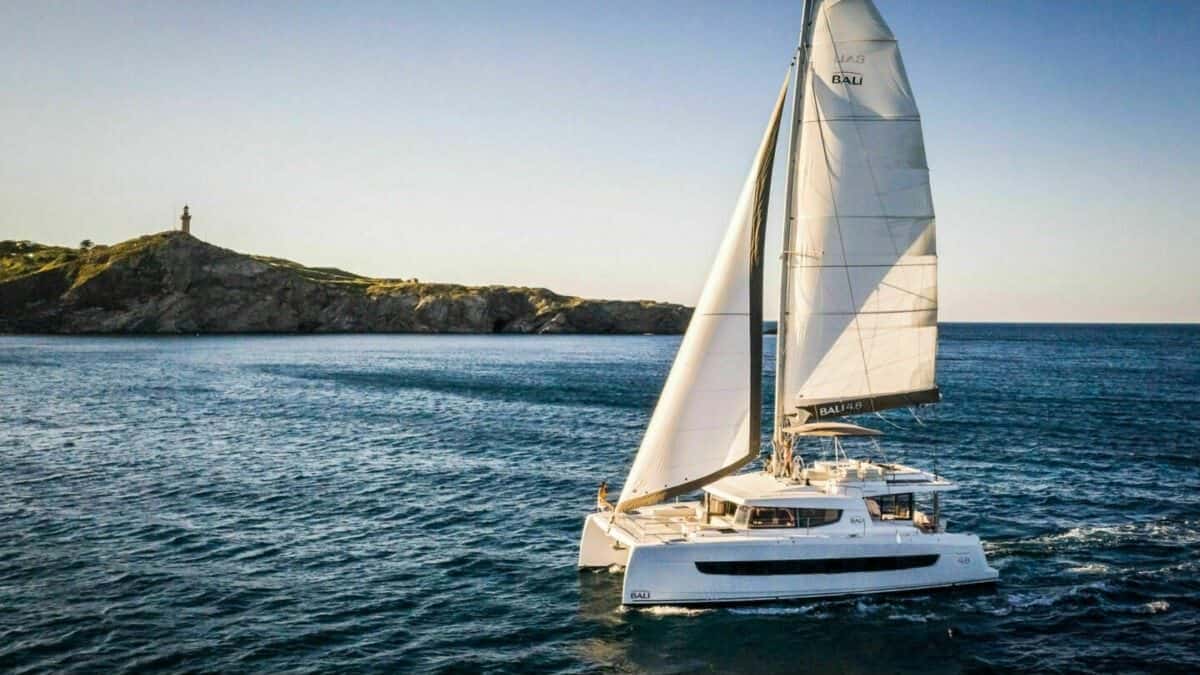
Bali 4.5
With skipperWithout skipperCatamaran
10 People · 4 Cabins · 13.6 m
Price on request
Port de PollençaDetails

10 yachts
Bali 4.5
10 People · 4 Cabins · 13.6 m
Price on request
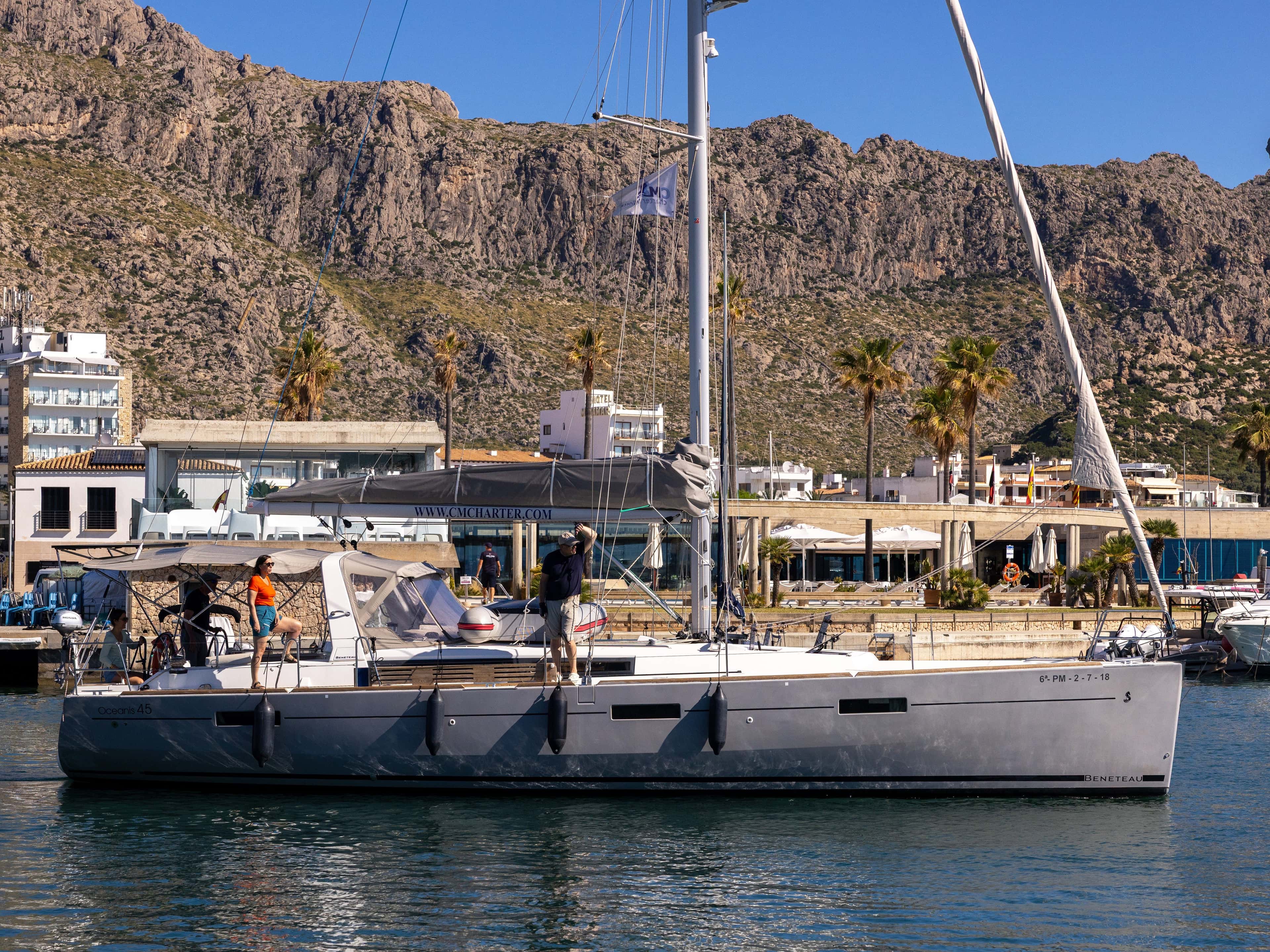
Oceanis 45
8 People · 3 Cabins · 13.9 m
Total price from €2,484 for 7 days
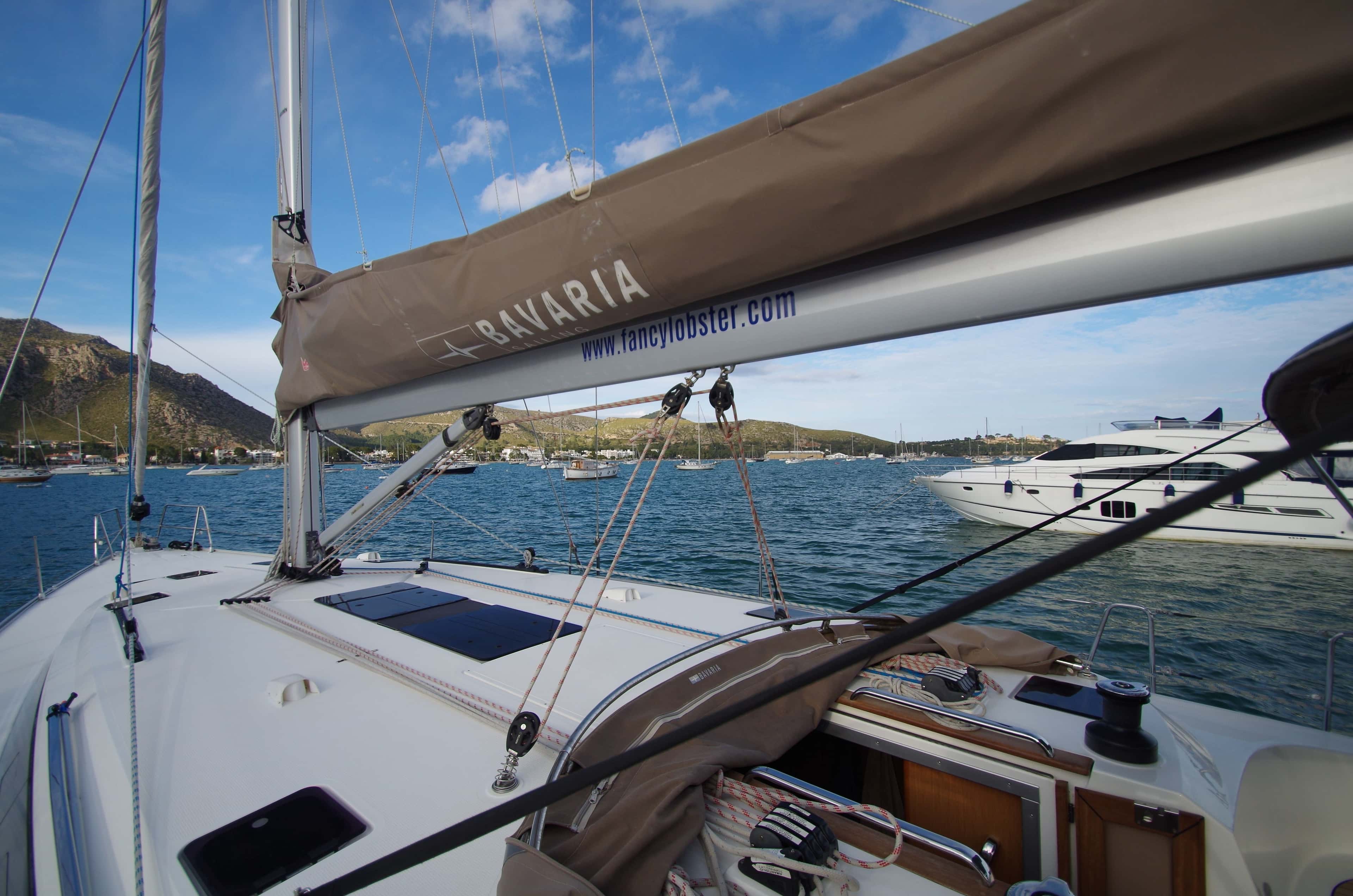
Bavaria 51 Cruiser
10 People · 5 Cabins · 15.5 m
Total price from €3,360 for 7 days
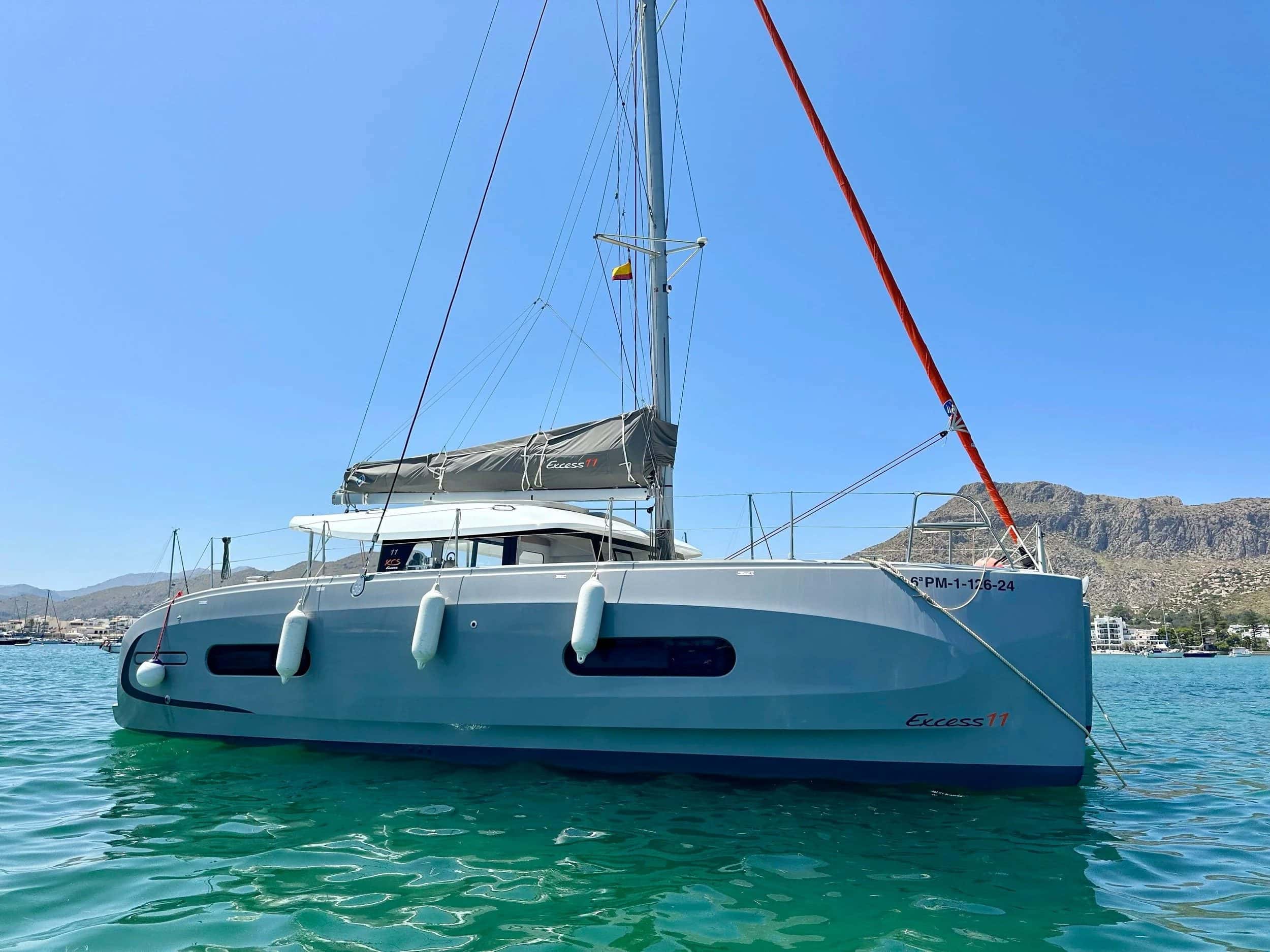
Excess 11
11 People · 4 Cabins · 11.3 m
Total price from €2,944 for 7 days
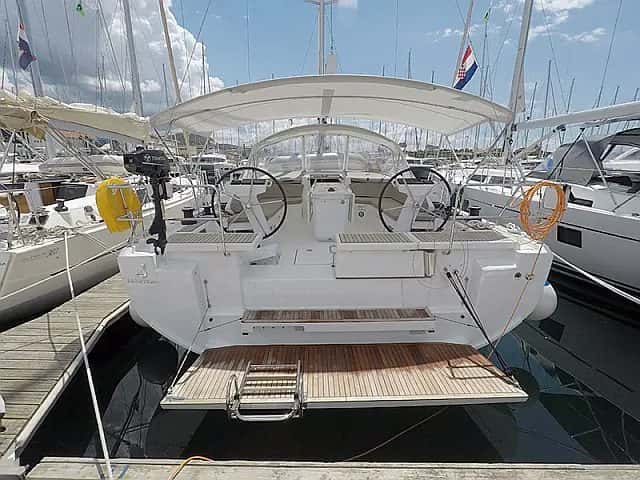
Oceanis 46.1
12 People · 5 Cabins · 14.6 m
Total price from €6,500 for 7 days
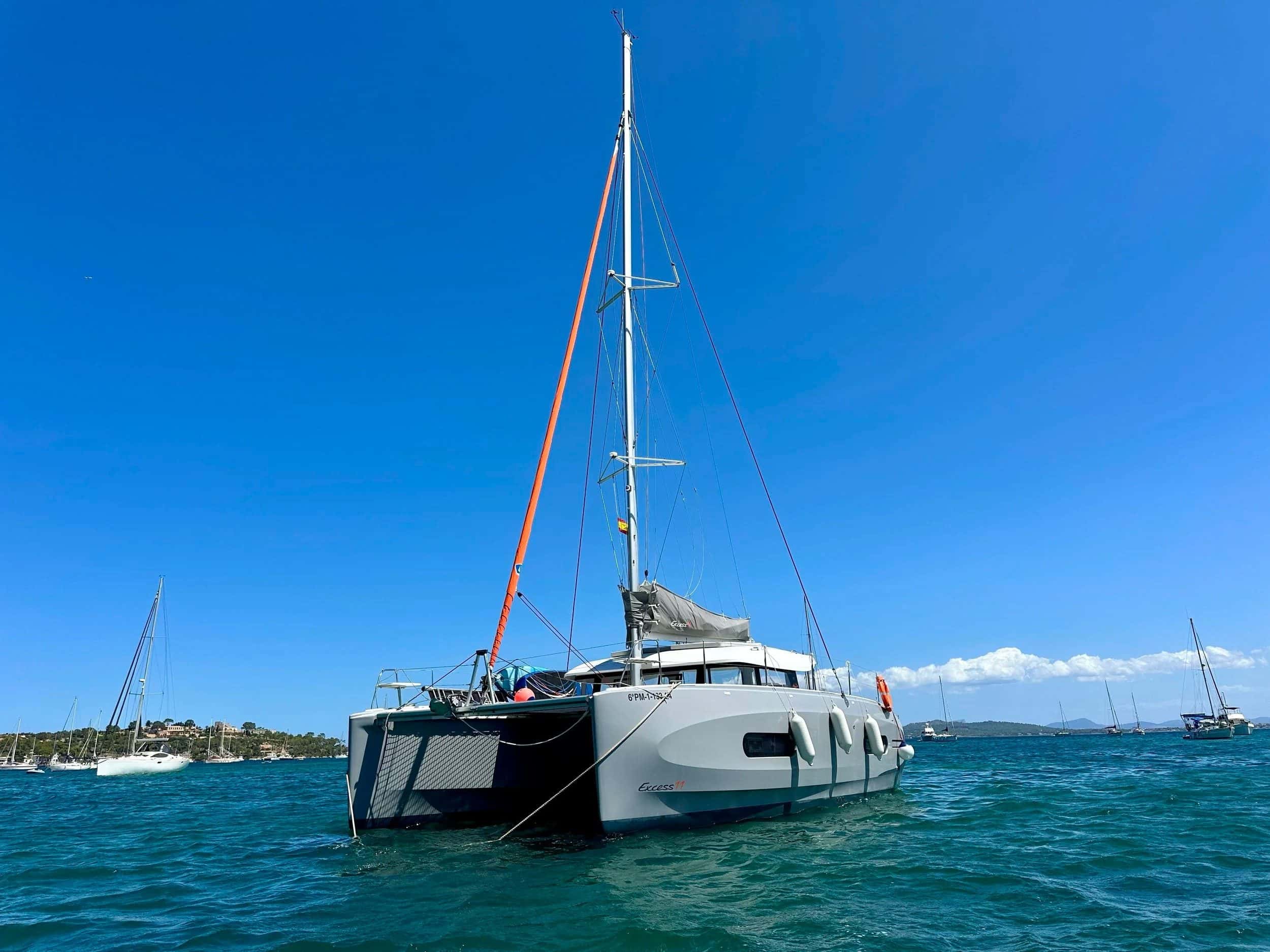
Excess 11
11 People · 4 Cabins · 11.3 m
Total price from €2,944 for 7 days
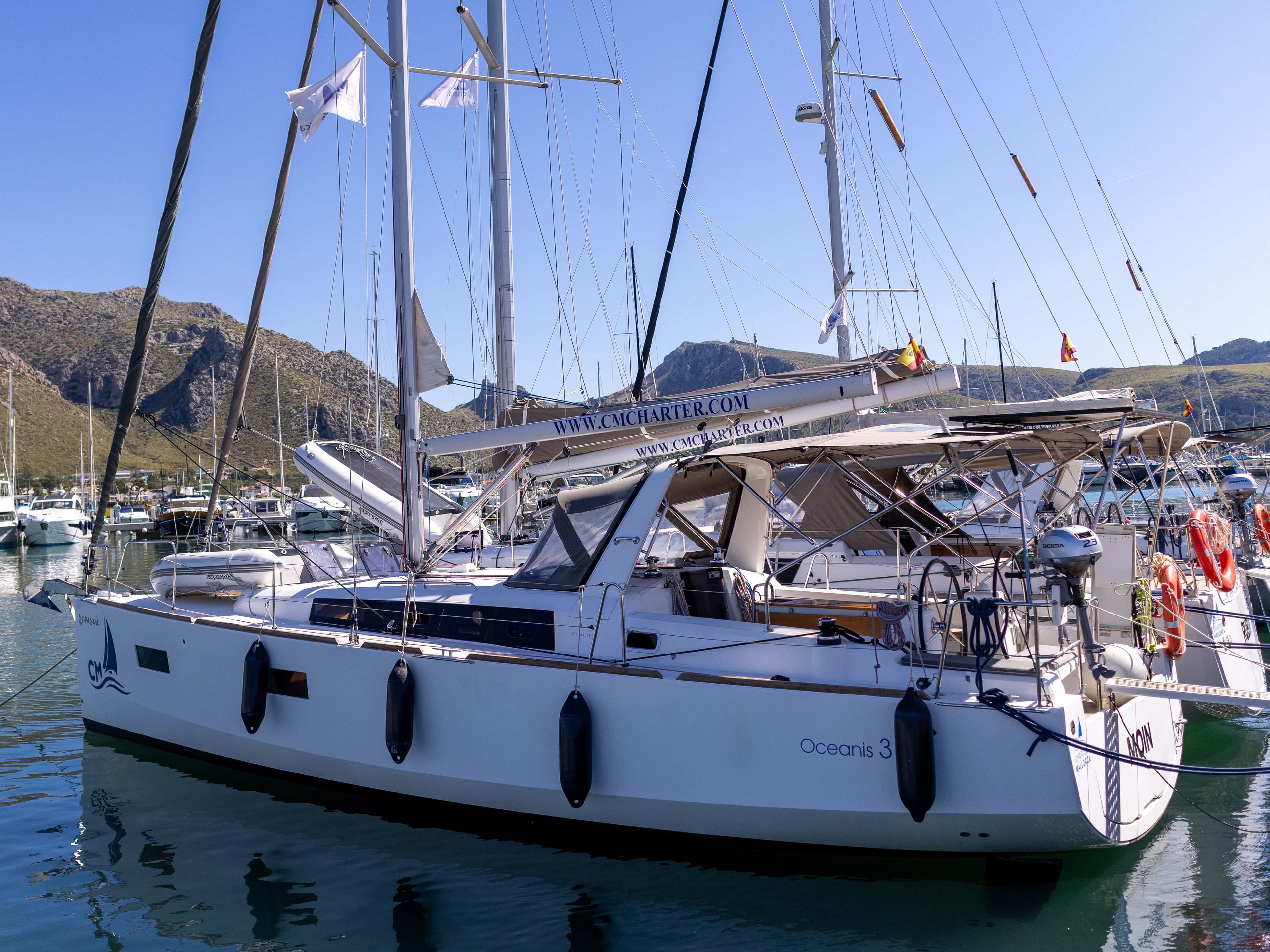
Oceanis 38
8 People · 3 Cabins · 11.5 m
Total price from €2,004 for 7 days
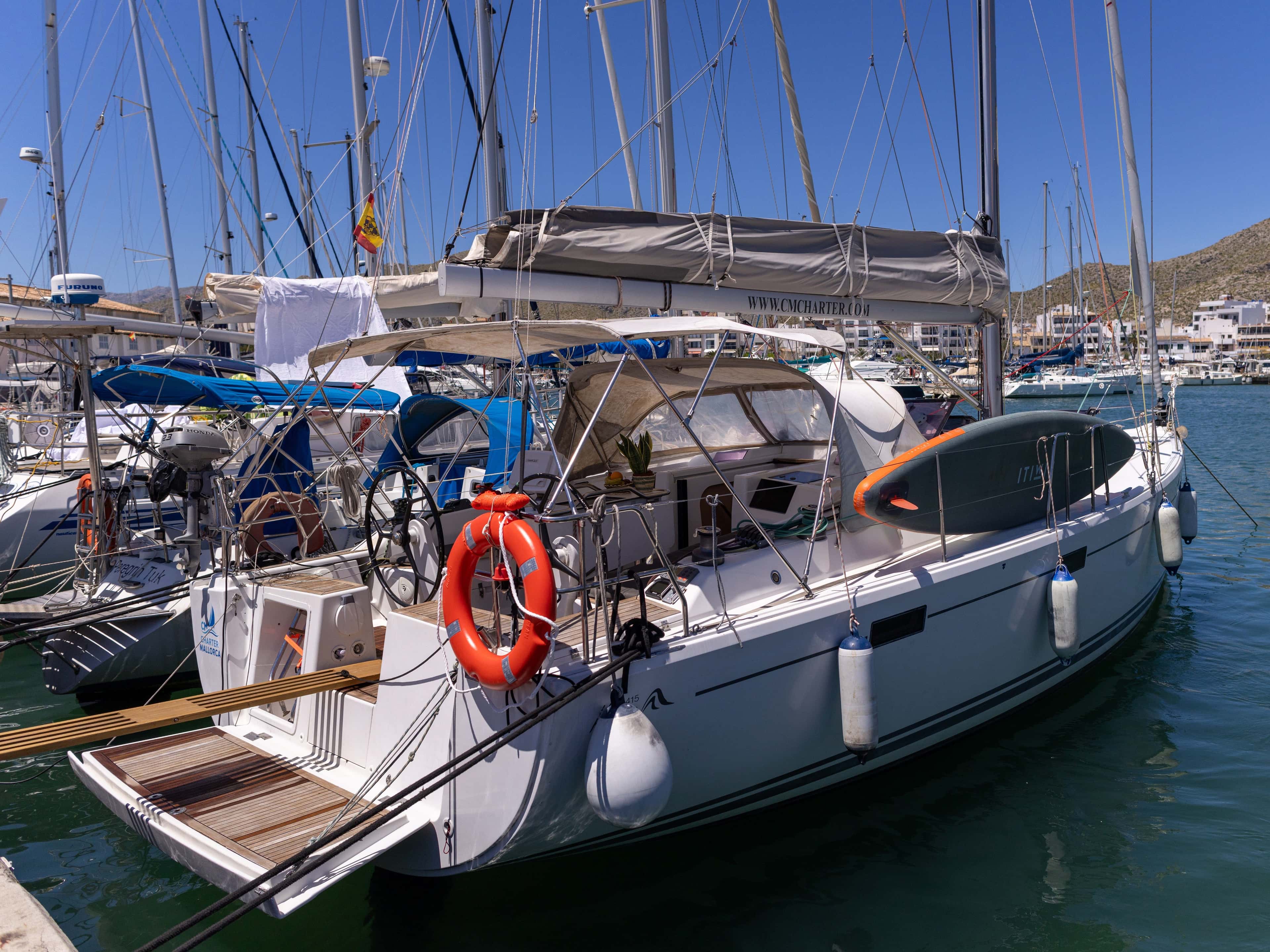
Hanse 415
8 People · 3 Cabins · 12 m
Total price from €2,124 for 7 days
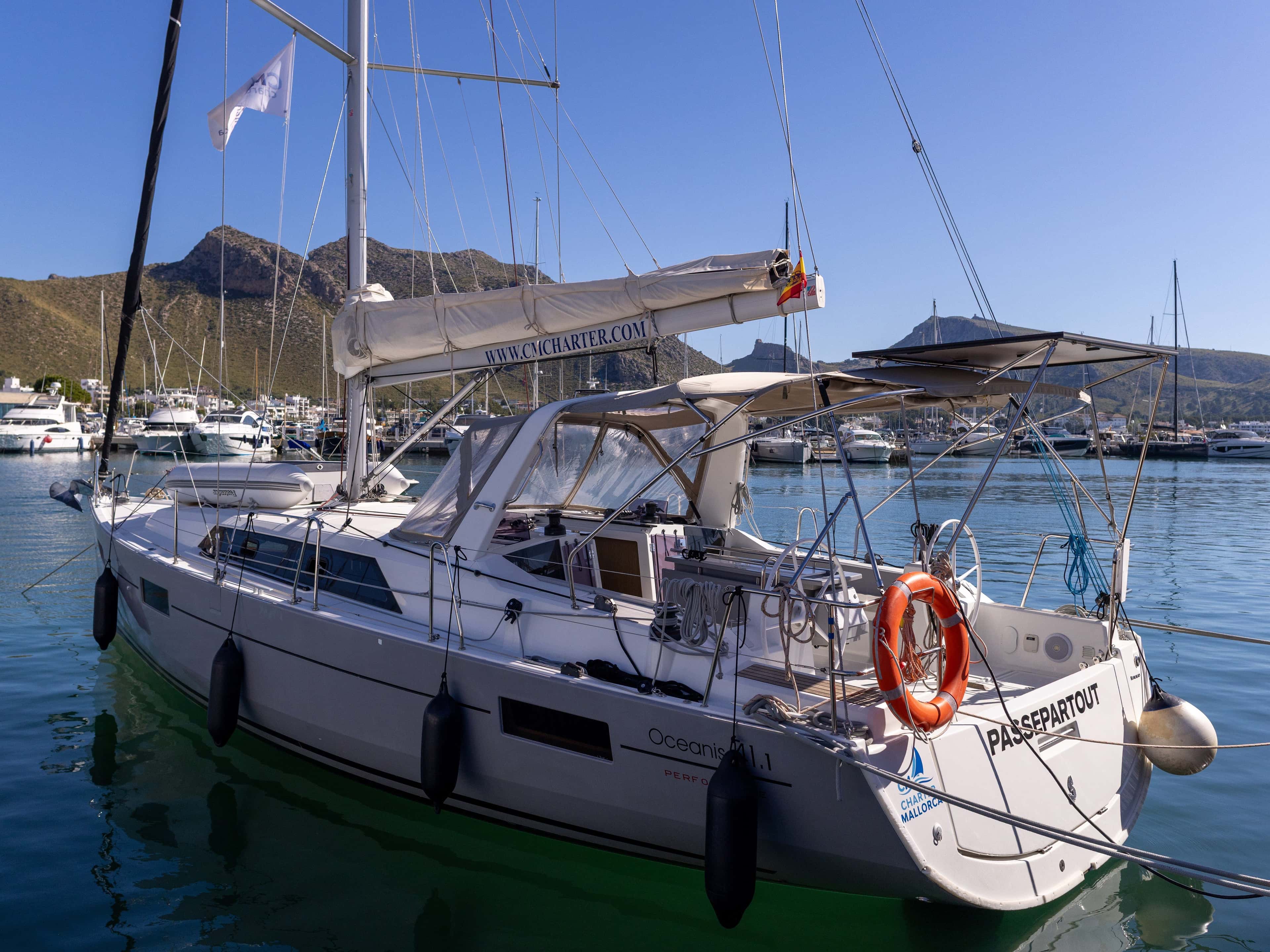
Oceanis 41.1
8 People · 3 Cabins · 12.4 m
Total price from €2,364 for 7 days

Dufour 460 Grand Large
10 People · 4 Cabins · 14.2 m
Total price from €2,654 for 7 days
A yacht charter from Port de Pollença offers a flexible way to experience Mallorca from the water. Rather than following a fixed sightseeing schedule, you can shape each day around the forecast, the preferences of your group and the advice of the local operator. A relaxed plan might focus on short outings, swimming stops and unhurried meals aboard, while a more ambitious itinerary may link several anchorages or harbours when conditions and marina arrangements permit. Choosing the right yacht is as important as choosing the destination. Consider how many people will sleep aboard, how much privacy everyone expects, whether easy handling is a priority and how comfortable the group is with life in a compact marine environment. A yacht that looks spacious in photographs may feel very different once luggage, provisions and water-sports equipment are aboard. Comparing cabin layouts, bathroom arrangements, cockpit protection, storage and boarding access can therefore be more useful than looking at length alone. You can charter without a skipper if the operator accepts your qualifications and experience, or book with a skipper or crew when you prefer local support and less responsibility for navigation and manoeuvring. First-time visitors often value professional knowledge of harbour procedures, suitable stopping places and changing local conditions. More experienced sailors may prefer to remain in charge while still seeking a detailed handover and up-to-date route advice. Port de Pollença should be treated as the starting point for a adaptable cruising plan rather than a promise that every desired route will always be practical. Wind, sea state, berth availability, anchoring restrictions and the capabilities of the yacht can all change what is sensible. Review current charts and forecasts, discuss your intentions with the operator, and remain prepared to choose a more sheltered alternative.
The headline charter rate is only one part of the overall holiday budget. The final cost usually depends on the yacht category, size, age, layout, booking period, trip length and whether you charter without a skipper or with a skipper or crew. Demand can also influence quotations, so comparing like-for-like proposals is more reliable than assuming that two apparently similar yachts include the same services. Before confirming, ask for a written breakdown of what is included. Depending on the operator and yacht, the quotation may treat final cleaning, bed linen, towels, local taxes, booking administration, cooking gas, marina services or essential safety items differently. Some extras may be compulsory, while others may be optional. A security deposit or an alternative deposit arrangement may also apply. Check the payment schedule, cancellation terms and conditions for damage, late return or changes caused by weather. Fuel and shore-based expenses are important variable costs. Fuel use depends on the yacht, engine use, route and sea conditions, so a sailing-focused plan may not cost the same as an itinerary involving extensive motoring. Berthing costs can vary between ports, dates and yacht dimensions, and a berth may require advance confirmation. Mooring arrangements, water, electricity and waste services may be charged separately. Anchoring can reduce marina spending where it is legal, safe and environmentally responsible, but it should never be chosen solely to save money. Provisioning also deserves a realistic allowance. Eating aboard can help control spending, although the total depends on dietary preferences, drinks and the amount bought in advance. Avoid overloading the yacht with food that will not be used, and ask what galley equipment, refrigeration and drinking-water arrangements are provided. If you want provisioning delivered, confirm the service fee, delivery procedure and what happens if a requested product is unavailable. A skipper or additional crew changes the budget in more ways than the professional fee alone. Their food may need to be provided, and the sleeping layout must offer appropriate accommodation. Ask whether gratuities are customary but discretionary, and whether travel or transfer costs apply. If your group wants optional equipment, early boarding, additional cleaning, transfers, insurance products or water activities, request the price and conditions for each item rather than relying on assumptions. The most useful comparison is the estimated total for the same travel plan and service level. Ask each operator to identify compulsory charges, refundable amounts, likely variable expenses and exclusions. Since policies and local charges can change, verify the current quotation and contract directly before paying.
| Month | Air ↑ (°C) | Air ↓ (°C) | Water (°C) | Sunshine hours (h/d) | Wind (km/h) |
|---|---|---|---|---|---|
| January | 15.4 °C | 5.2 °C | 14.5 °C | 5.5 h/d | 13 km/h |
| February | 15.7 °C | 5 °C | 13.7 °C | 6.1 h/d | 13.4 km/h |
| March | 17.6 °C | 6.4 °C | 13.9 °C | 6.7 h/d | 13.7 km/h |
| April | 19.3 °C | 8 °C | 14.9 °C | 7.3 h/d | 14 km/h |
| May | 22.7 °C | 11.4 °C | 17 °C | 9.4 h/d | 13.4 km/h |
| June | 26.9 °C | 15.6 °C | 21 °C | 10.4 h/d | 13 km/h |
| July | 29.7 °C | 18.4 °C | 24.3 °C | 11.1 h/d | 12.6 km/h |
| August | 30.2 °C | 19 °C | 26.2 °C | 10.3 h/d | 12.2 km/h |
| September | 27 °C | 16.6 °C | 24.7 °C | 7.9 h/d | 11.9 km/h |
| October | 23.2 °C | 13.4 °C | 22 °C | 6.4 h/d | 12.2 km/h |
| November | 19.1 °C | 9.1 °C | 18.7 °C | 5.4 h/d | 12.6 km/h |
| December | 16.2 °C | 6.6 °C | 16 °C | 4.9 h/d | 13 km/h |
There is no single best period for every Port de Pollença yacht charter. The right choice depends on whether your priority is warmer swimming, quieter shore visits, stronger sailing conditions, family comfort or the widest range of marina and hospitality services. Popular travel periods may bring greater demand for yachts and berths, while quieter periods can offer a calmer atmosphere but potentially more variable services or weather. Current availability and operating dates should always be checked with the relevant providers. Conditions around an island can differ significantly from one stretch of coast to another. A morning that appears calm from the marina may not represent what is happening near an exposed headland, and wind direction can matter as much as wind strength. Local thermal effects, swell and sudden changes may influence comfort and safety. Forecasts are essential, but they should be combined with direct observation, official notices and advice from the charter base. For groups new to sailing, conservative route planning often produces a better holiday than a tightly packed itinerary. Build in flexibility, identify sheltered alternatives and avoid treating a distant reservation as a reason to continue in unsuitable weather. Those travelling with children, guests prone to seasickness or people with limited mobility may prefer shorter passages and more frequent access to shore. Experienced sailors should still respect local guidance, because familiarity with another cruising area does not automatically translate into knowledge of Mallorcan conditions. Sun exposure, heat and dehydration can affect guests even when the breeze feels cooling. Bring appropriate clothing, sun protection and sufficient drinking water, and ask the operator how water capacity should be managed. In cooler or unsettled conditions, layers and waterproof outerwear may be more valuable than heavy luggage. Soft bags are generally easier to store than rigid cases, but confirm any baggage recommendations with the operator. Swimming and anchoring plans must remain conditional. Before entering the water, assess boat traffic, drift, wind, depth and the method of returning aboard. Never assume that every attractive bay permits anchoring or that the seabed is suitable. Use current charts and official information, follow environmental restrictions and choose an anchoring method appropriate to the yacht and conditions. If there is uncertainty, seek local advice or use an authorised alternative. Seasonal descriptions are only broad guidance, not a forecast for particular dates. Review reliable marine forecasts close to departure and throughout the charter. The operator may impose operating limits based on the yacht, insurance or expected conditions; these limits take priority over a guest's preferred itinerary.
Port de Pollença is the base family for this charter selection and the practical focus for arrival, handover and return. Exact meeting points, access arrangements and berth locations vary by operator and yacht, so use the instructions supplied with your booking rather than navigating from a generic map pin. If you are arranging a transfer, share the operator's confirmed location with the driver and allow enough flexibility for traffic, provisioning and the formal check-in process. The handover should cover more than cabin allocation. Ask for a clear explanation of engine operation, batteries, shore power, water systems, cooking equipment, toilets, bilge pumps, navigation instruments, communications and emergency equipment. Locate lifejackets, fire extinguishers, first-aid supplies and emergency shut-offs. Make sure the person responsible for the yacht understands reefing or sail controls where relevant, anchoring equipment, steering contingencies and the procedure for contacting the base. Report existing marks or faults before departure and ensure they are recorded. Harbour manoeuvres deserve patience. Wind can influence a yacht differently inside a marina, particularly when moving slowly, and neighbouring vessels leave little room for rushed decisions. Prepare lines and fenders before moving, agree simple instructions with the group and nominate people for specific tasks. Guests should keep hands and feet away from pinch points and should never attempt to stop a yacht by pushing against a pontoon or another vessel. If conditions exceed your confidence, ask the operator for assistance rather than improvising. When planning the cruising area, start with the weather and work outward. Mark possible destinations, but also identify nearer alternatives and safe places to pause or return. Consider exposure, approach complexity, available depth, charted hazards, anchoring rules and whether a berth requires confirmation. A route that is comfortable in one wind direction may be unsuitable in another. Current nautical charts, notices and official restrictions should guide every decision; travel articles and photographs are not substitutes for navigation information. A balanced itinerary leaves time to enjoy the places reached. Constantly changing location can turn the charter into a sequence of packing, mooring and departure tasks. A slower plan makes it easier to swim, prepare meals, visit shore and adapt to the group's energy. It also creates a margin for weather changes or minor technical questions. If you intend to spend a night away from the home harbour, confirm the yacht's permitted operating area and the arrangements for obtaining help. Environmental care is part of responsible cruising. Avoid discharging waste where prohibited, secure rubbish aboard and use harbour facilities as directed. Do not drop an anchor until you have checked the location, depth, swing room, seabed and current restrictions. Keep a respectful distance from swimmers, wildlife, fishing activity and other vessels. Noise carries easily over water, so quiet behaviour at anchor and in harbour improves the experience for everyone. Returning to Port de Pollença may involve refuelling, waste disposal, equipment checks or other operator procedures. These requirements can vary, and weather or congestion may affect how long they take. Read the return instructions in advance rather than waiting until the final approach. Leave a sensible margin, secure personal belongings and notify the base promptly if a delay or technical issue arises. The operator's current directions and the charter agreement are the final reference for departure and return obligations.
A licence that is accepted in one country, or by one charter company, is not automatically accepted for every yacht in Mallorca. Requirements may depend on the yacht's characteristics, flag, insurance, proposed operating area and the rules applied by the operator. Some operators may also request evidence of practical experience, a sailing résumé or an additional radio qualification. Ask for written approval of your documents before making non-refundable travel arrangements. If you want to charter without a skipper, send clear copies of the intended skipper's certificates and provide honest details of recent experience. Relevant information may include experience with comparable yacht types, marina manoeuvring, anchoring, navigation and management of a group aboard. Carry the original documents requested by the operator and a suitable form of identification. Names and document details should match the booking records. Formal certification does not remove the operator's responsibility to assess competence. If the base team concludes during check-in that the nominated skipper cannot safely handle the yacht, the operator may apply contractual remedies. These could include requiring professional assistance, changing the yacht or limiting departure, subject to availability and the signed terms. Review this possibility in advance so that the group understands the financial and practical consequences. Booking with a skipper can be a sensible option for guests who lack accepted qualifications, have limited recent practice or simply want more time to relax. A local professional may help with manoeuvring, navigation and itinerary decisions, but guests must still follow safety instructions. Discuss sleeping arrangements, meals, privacy expectations and the division of responsibilities before confirming. A skipper cannot guarantee a preferred route when weather, safety rules or berth availability make it impractical. Rules and document standards can change, and informal online advice may be outdated. Confirm current legal requirements with appropriate official sources and obtain explicit acceptance from the charter operator. The contract, insurer's conditions and lawful instructions of the person in command must all be respected.
Choose a skipper if nobody in the group has qualifications and experience accepted by the operator, or if you would rather leave navigation and harbour manoeuvres to a professional. It can also be helpful when visiting Port de Pollença for the first time. Before booking, clarify where the skipper will sleep, how meals are handled and which decisions remain subject to weather and safety. If you plan to sail without a skipper, obtain written acceptance of your documents before committing to travel.
Review the yacht layout, sleeping capacity, bathroom arrangement, boarding access, storage and included equipment. Request a complete cost breakdown showing compulsory extras, refundable deposits, optional services and variable expenses. Read the cancellation, damage and weather clauses, and confirm the operating area, check-in procedure and return obligations. Any essential requirement, such as a specific safety aid or accessibility feature, should be confirmed in writing rather than inferred from photographs.
Yes, but treat it as a flexible outline. Prepare preferred stops together with sheltered alternatives, then reassess the route using current marine forecasts, charts, official restrictions and base advice. Do not make the success of the holiday depend on reaching a particular place. Wind direction, swell, berth availability or an operator limit may require a shorter or different plan.
Reservation practices vary between harbours, dates and yacht sizes. Contact the relevant marina directly or ask the charter operator for current guidance. A request is not necessarily a confirmed berth, so retain written confirmation and understand the arrival procedure. Always identify an alternative that is safe and permitted, but never assume anchoring is available simply because a marina is full.
Pack light, practical clothing that can be layered, along with sun protection, non-marking footwear where requested and weather-appropriate outerwear. Soft luggage is usually easier to stow, though the operator should confirm any baggage rules. Bring personal medication and protect documents and electronics from water. Ask what linen, towels, safety equipment, galley supplies and charging options are included so that you do not carry unnecessary items.
It can be, provided the yacht, route and supervision plan suit the group. Ask about boarding access, guardrails, lifejacket sizes, cabin layout and any operator rules for younger guests. Plan conservative passages, explain safe movement aboard and maintain active supervision near water. Guests who are uncertain about motion should discuss suitable precautions with a qualified healthcare professional and avoid relying on unverified remedies.
Safety takes priority over the planned itinerary. The operator or skipper may recommend delaying departure, changing the route, remaining in harbour or returning early. What this means contractually depends on the booking terms and the specific circumstances. Read the weather and cancellation provisions before booking, consider appropriate travel insurance, and contact the operator promptly if forecasts cause concern.
Use the operator's confirmed meeting instructions, as the exact location and procedure may vary. Have requested identification, original qualification documents and booking information ready. During handover, inspect the yacht, record existing damage and learn the essential systems and emergency procedures. Before the final day, review refuelling, cleaning, waste and return requirements. Allow a sensible margin and inform the base immediately about delays, damage or technical problems.
Data powered by Booking Manager