1/6
Day charter
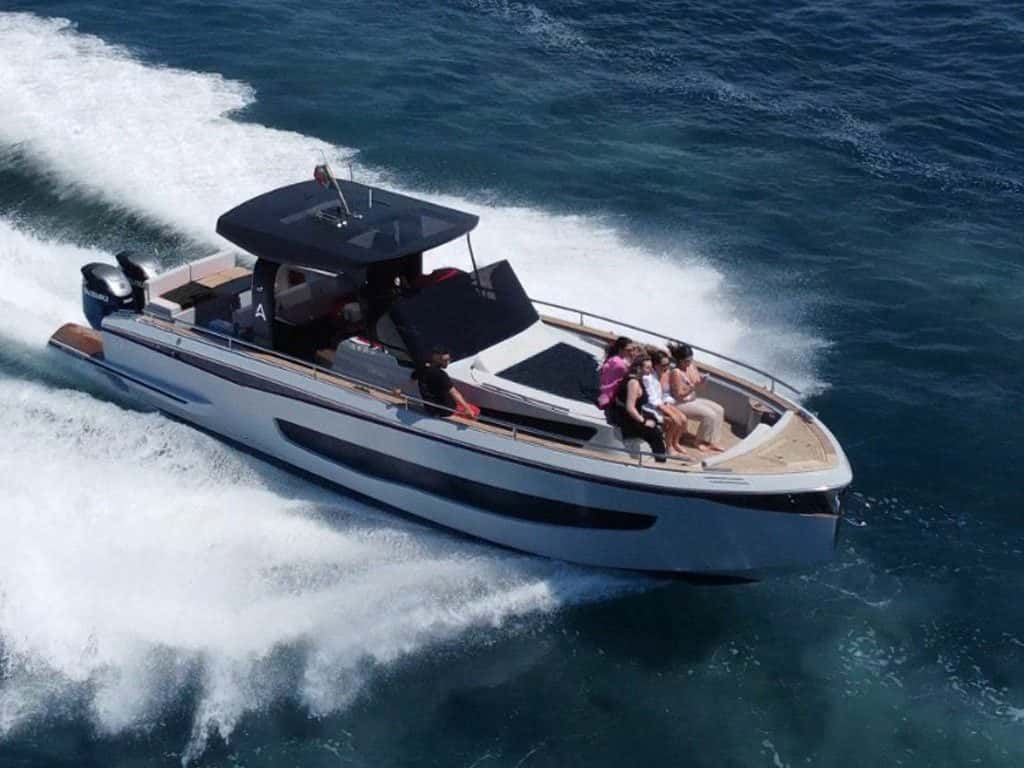
Federika III
Italyure 38
Without skipperMotorboat
4 People · 2 Cabins · 11.7 m
Price on request
Palma de MallorcaDetails

14 yachts
Italyure 38
4 People · 2 Cabins · 11.7 m
Price on request
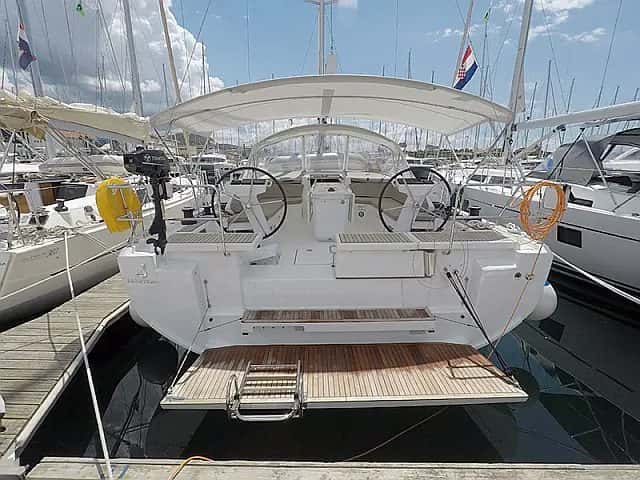
Oceanis 46.1
12 People · 5 Cabins · 14.6 m
Total price from €6,500 for 7 days
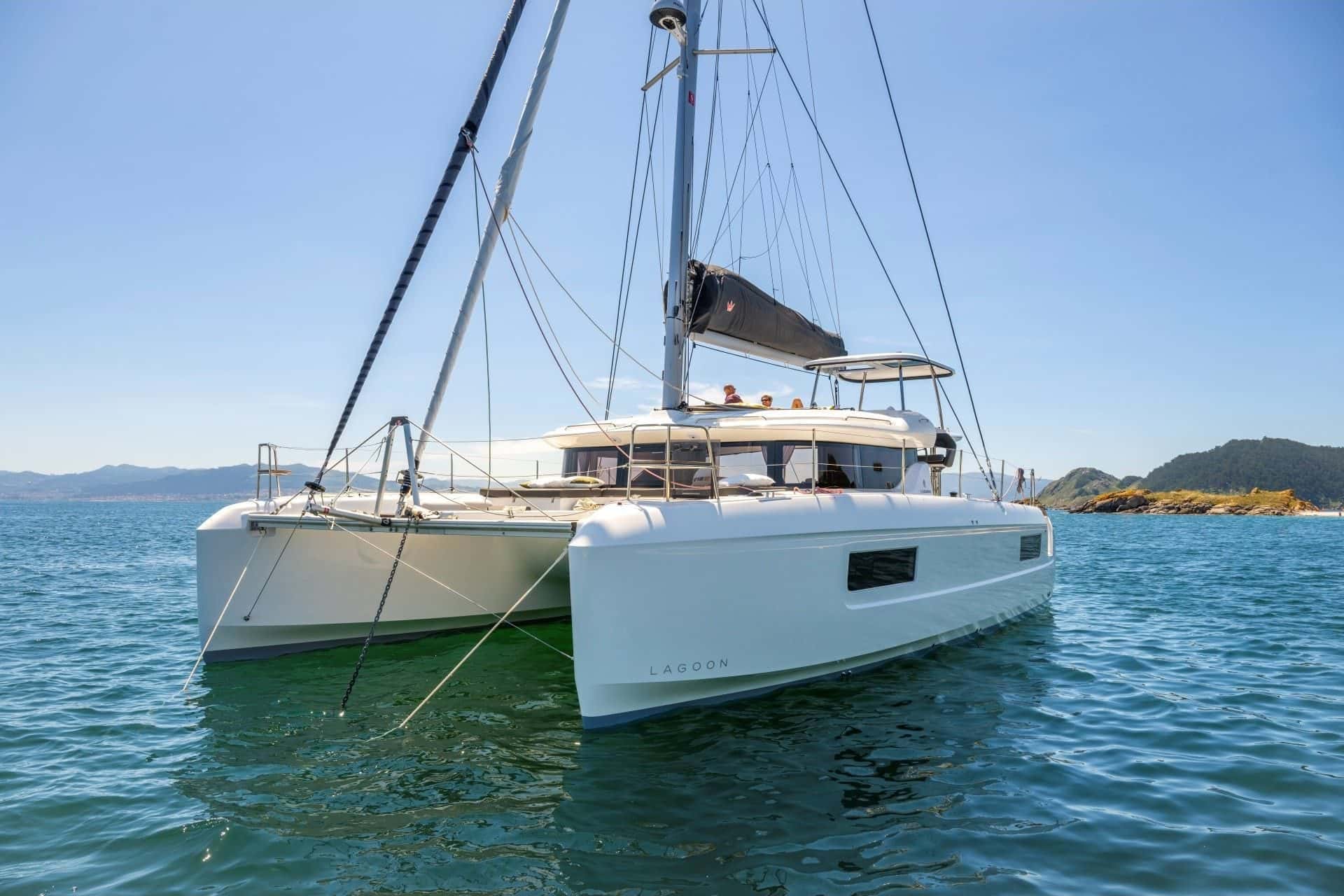
Lagoon 43
10 People · 4 Cabins · 13 m
Total price from €5,445 for 7 days
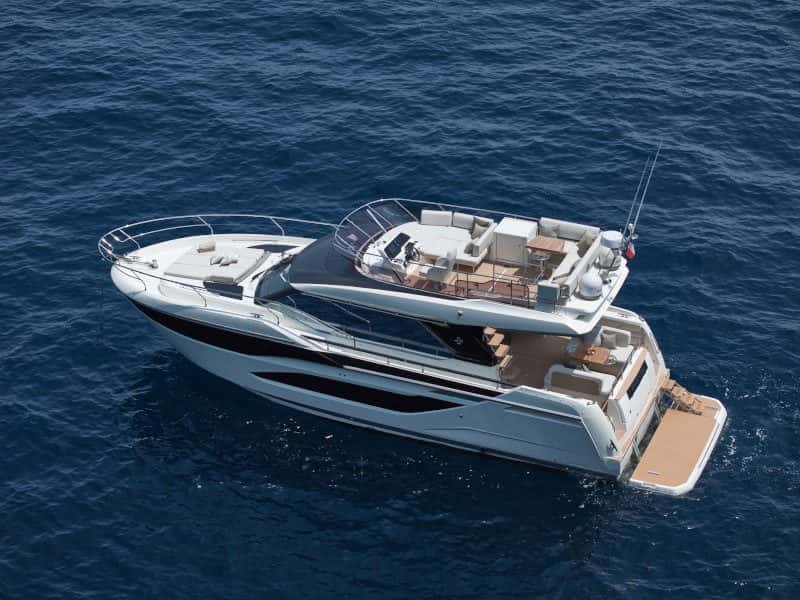
x-reuse
6 People · 3 Cabins · 15.2 m
Total price from €15,179 for 7 days

Oceanis 51.1
11 People · 5 Cabins · 15.9 m
Price on request
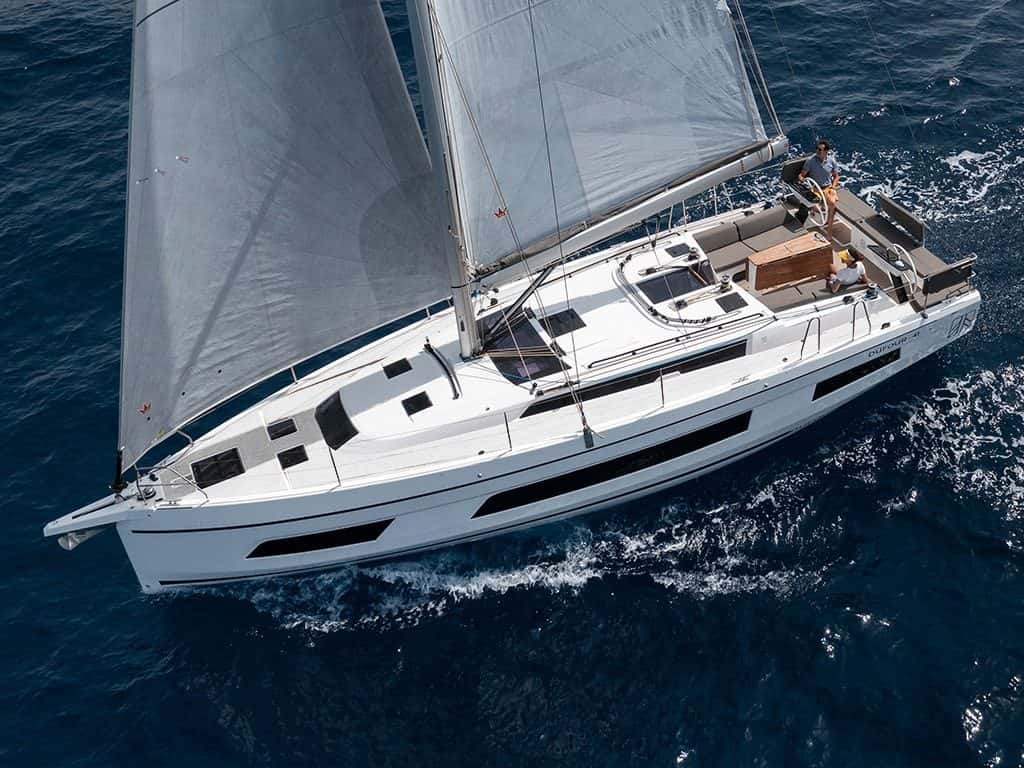
Dufour 41
6 People · 3 Cabins · 12.8 m
Total price from €5,460 for 7 days

Prestige 42 Fly
4 People · 2 Cabins · 13.1 m
Total price from €10,200 for 7 days
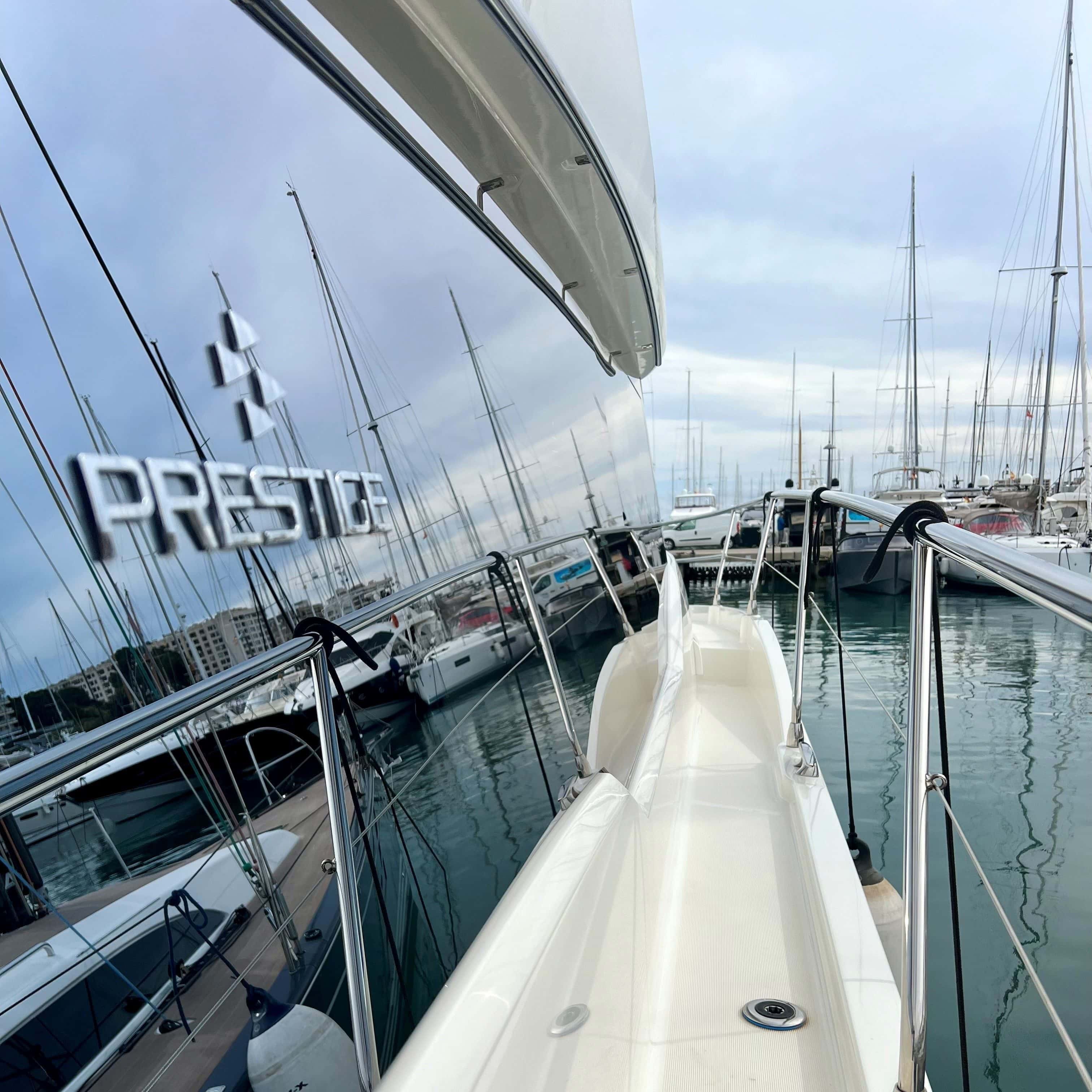
Prestige 460
4 People · 2 Cabins · 14.3 m
Total price from €13,040 for 7 days
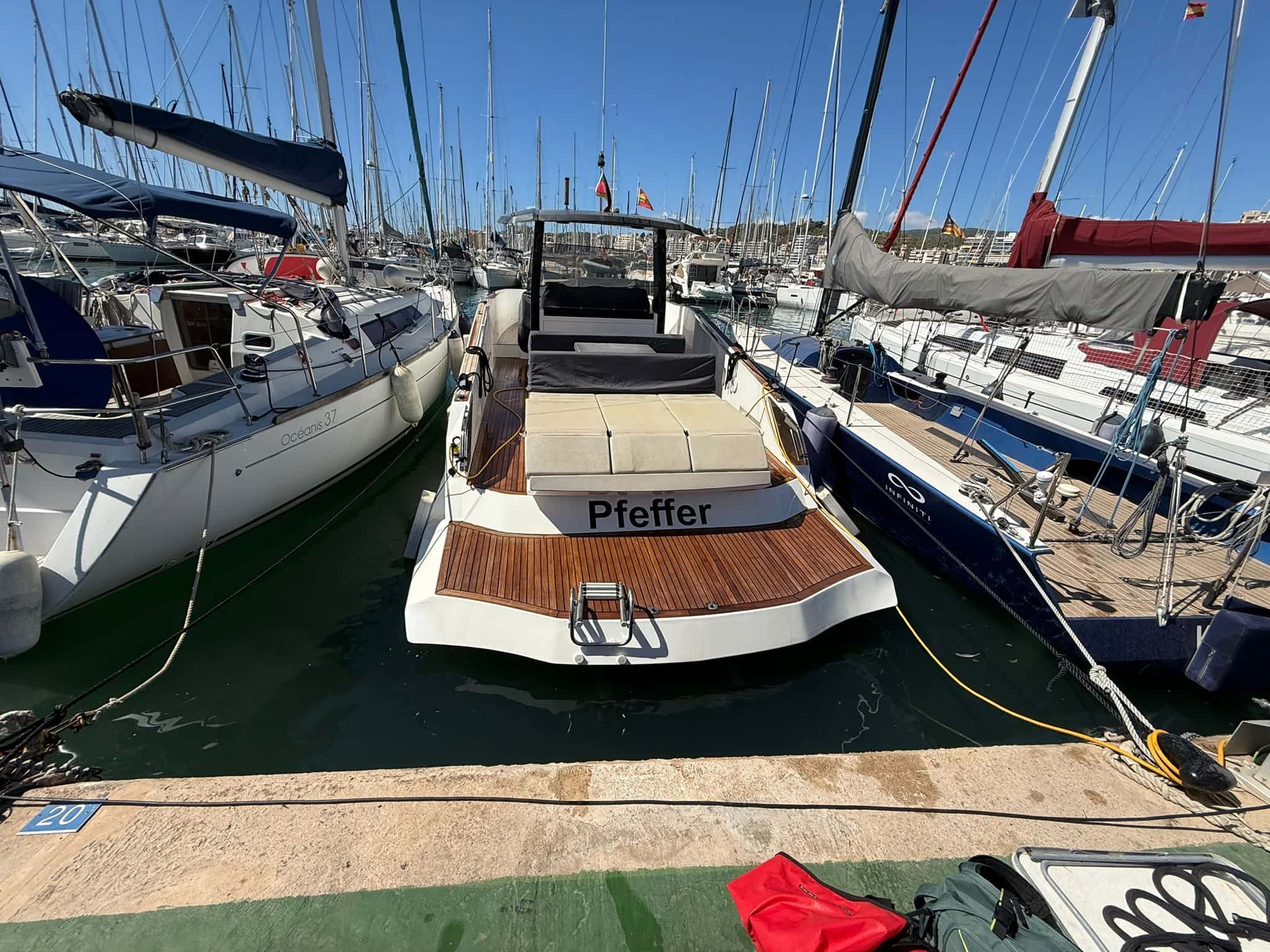
x-reuse
4 People · 1 Cabins · 11.3 m
Total price from €7,779 for 7 days
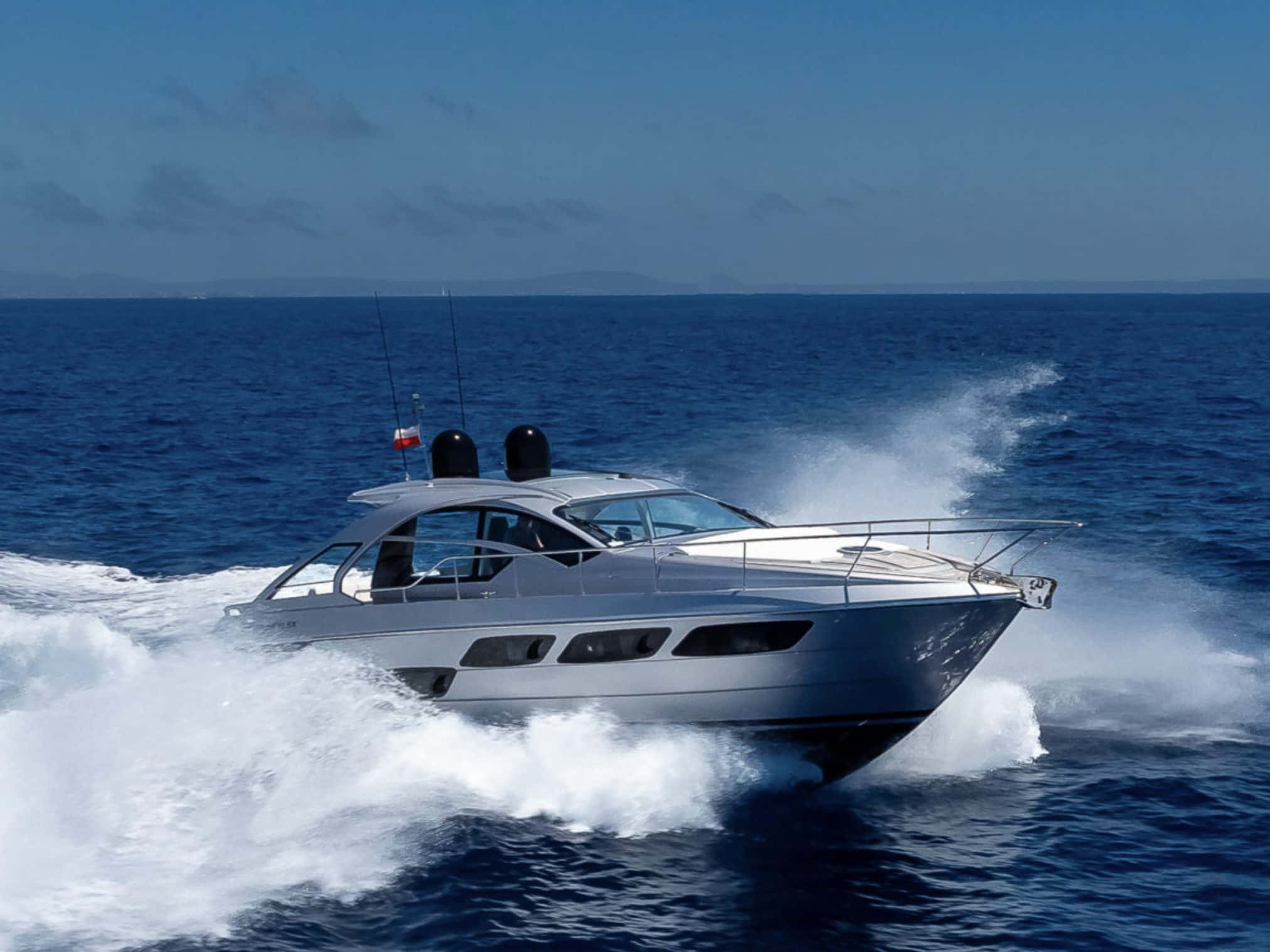
Pershing 50
10 People · 2 Cabins · 16.5 m
Total price from €33,660.50 for 7 days

Sun Odyssey 440
6 People · 3 Cabins · 13.4 m
Total price from €4,950 for 7 days
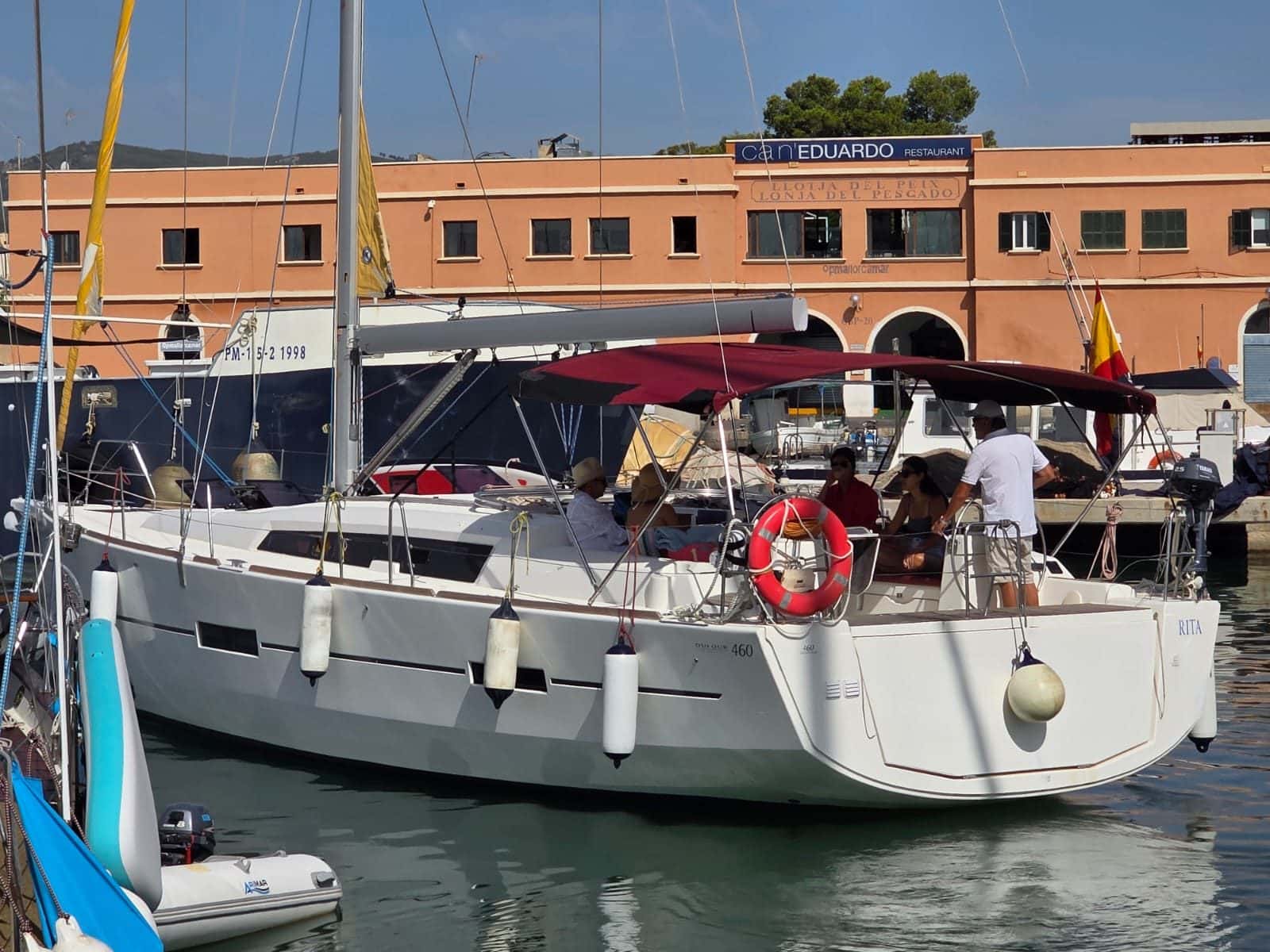
Dufour 460 Grand Large
10 People · 4 Cabins · 14.2 m
Price on request
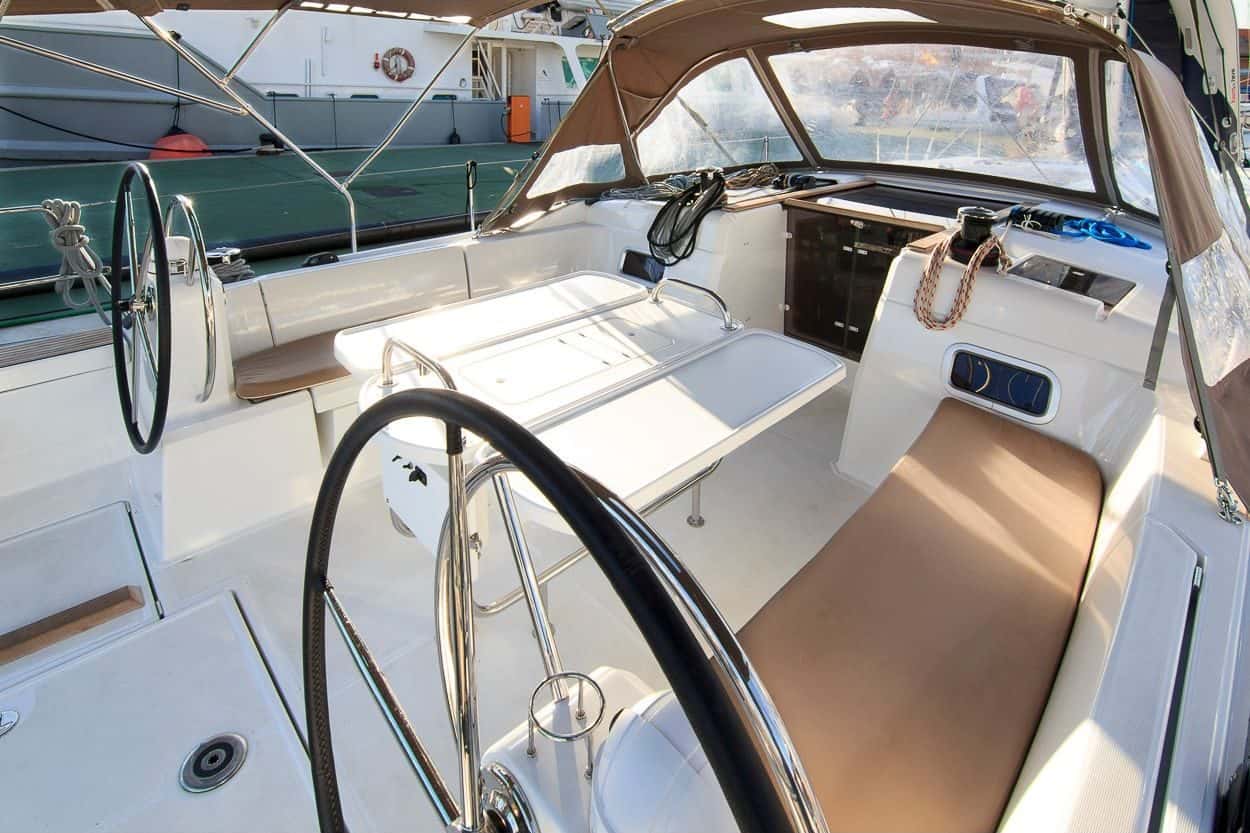
Sun Odyssey 519
12 People · 5 Cabins · 15.8 m
Total price from €3,400 for 7 days
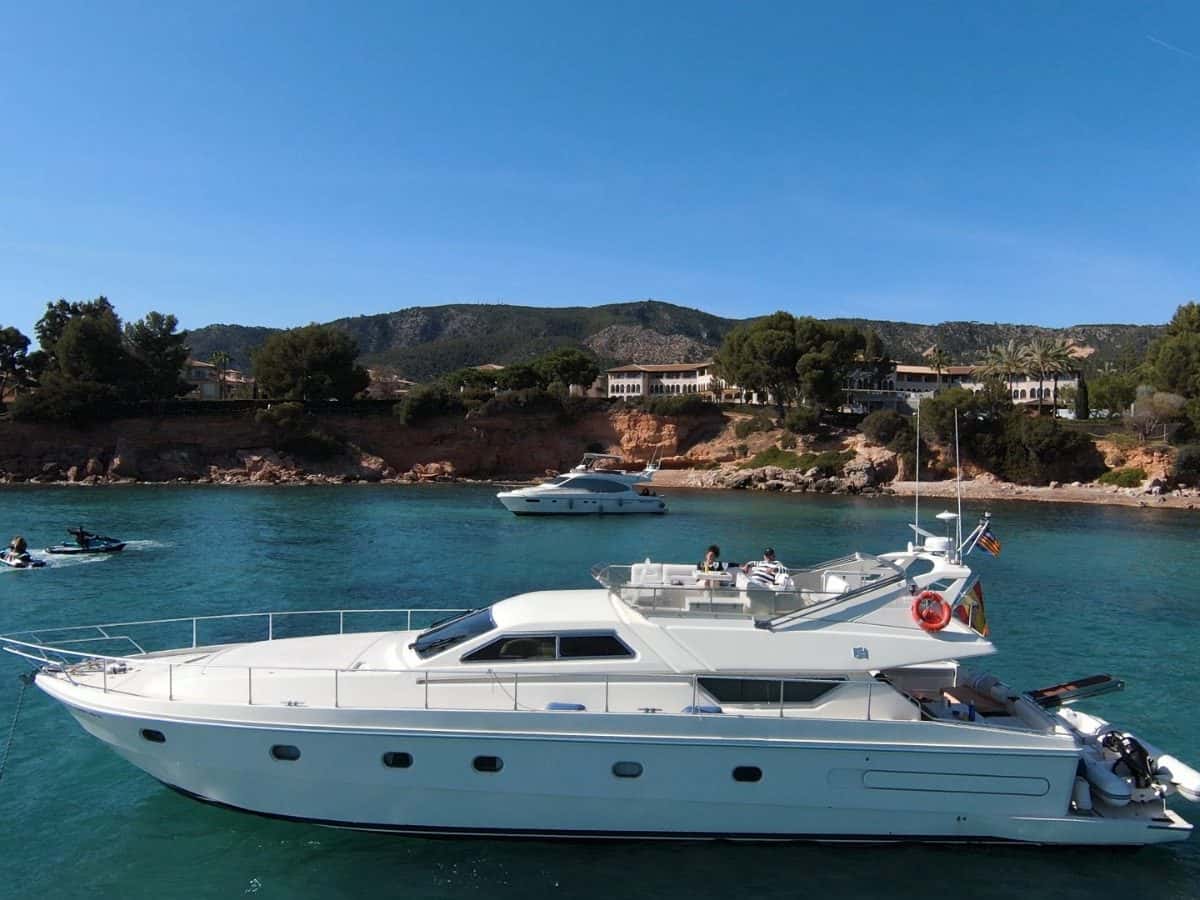
Ferretti 175 FLY
6 People · 3 Cabins · 18.1 m
Total price from €12,800 for 7 days
A Mallorca day charter turns the island’s coastline into the main event rather than a distant backdrop. Instead of committing to a multi-day itinerary, you can leave from a convenient harbour, spend the day exploring bays and coves, pause for swimming or lunch, and return ashore without reorganising your entire holiday. It can suit couples looking for privacy, families wanting an easy outing, groups celebrating together, and experienced sailors who simply want time on the water. The right yacht depends less on finding the largest option and more on matching the boat, departure area, and service style to your plans. Some guests want a relaxed trip with a skipper or crew so that nobody in the group has to manage navigation. Others have suitable qualifications and prefer to charter without a skipper, subject to the operator’s approval and current legal requirements. Motor yachts can make it easier to move between areas, while sailing yachts place more emphasis on the experience of travelling under sail. Catamarans are often considered for their deck space and stable layout, although comfort always depends on the specific design and the day’s sea state. It is helpful to approach a day charter as a flexible experience rather than a fixed checklist of famous coves. Mallorca’s weather, wind, swell, harbour traffic, anchoring restrictions, and local environmental rules can affect what is practical. A good skipper or operator will normally shape the plan around current conditions and the priorities of the group. If a particular restaurant, protected area, or marina visit matters to you, discuss it before booking and ask whether separate reservations or permissions may be needed. Use the yacht details to compare guest capacity, shaded areas, bathing access, cabin availability, and included services. Then confirm the practical points directly with the operator: where to meet, what identification to bring, which costs are included, what happens if conditions deteriorate, and which route is realistic for that departure harbour. This preparation leaves more of the day for the reason you booked in the first place: enjoying Mallorca from the sea.
The cost of a Mallorca day charter is shaped by the yacht, the service provided, and how the boat is used. Size matters, but it is not the only factor. Design, age, onboard facilities, engine type, fuel consumption, base harbour, and the level of service can all influence the final quotation. A compact sailing yacht may have a very different cost structure from a high-performance motor yacht, even when both are intended for a similar group. Start by checking what the advertised charter rate actually covers. Depending on the operator, the quotation may include or exclude fuel, a skipper, additional crew, final cleaning, marina charges, food and drinks, water-sports equipment, local taxes, or access to particular moorings. Security deposits and payment schedules can also differ. Do not assume that an item shown in photographs is included for guest use; ask for a written list of inclusions and optional extras before confirming. Fuel is an especially important cost driver for motor yachts. The amount used depends on the yacht, cruising speed, sea state, and route. A plan involving several distant stops may use more fuel than a relaxed day around bays near the departure harbour. Ask how fuel is measured and settled, and request route guidance if you want to keep the overall cost controlled. Sailing yachts may rely less on their engines when conditions permit, but wind, harbour manoeuvres, and the planned itinerary still affect engine use. A skipper or crew should also be treated as part of the cost comparison. Their services may be built into the rate or charged separately. Confirm whether meals or other arrangements for onboard professionals are expected. If you plan to charter without a skipper, the operator may request a deposit and evidence of competence, and may apply conditions based on the yacht or forecast. Food can range from provisions brought aboard with permission to catered meals or a stop at a waterfront restaurant. Restaurant visits can require advance booking and may involve tender access, marina space, or a change to the route. Likewise, special requests such as celebratory catering, transfers, decorative items, or additional equipment should be agreed beforehand. When comparing yachts, request a clear total showing mandatory charges, estimated variable costs, and optional services. Ask what would cause the estimate to change and how unused extras are handled. Current terms vary by operator, yacht, date, and harbour, so the written charter agreement and operator confirmation should take precedence over general guidance.
| Month | Air ↑ (°C) | Air ↓ (°C) | Water (°C) | Sunshine hours (h/d) | Wind (km/h) |
|---|---|---|---|---|---|
| January | 15.4 °C | 5.2 °C | 14.5 °C | 5.5 h/d | 13 km/h |
| February | 15.7 °C | 5 °C | 13.7 °C | 6.1 h/d | 13.4 km/h |
| March | 17.6 °C | 6.4 °C | 13.9 °C | 6.7 h/d | 13.7 km/h |
| April | 19.3 °C | 8 °C | 14.9 °C | 7.3 h/d | 14 km/h |
| May | 22.7 °C | 11.4 °C | 17 °C | 9.4 h/d | 13.4 km/h |
| June | 26.9 °C | 15.6 °C | 21 °C | 10.4 h/d | 13 km/h |
| July | 29.7 °C | 18.4 °C | 24.3 °C | 11.1 h/d | 12.6 km/h |
| August | 30.2 °C | 19 °C | 26.2 °C | 10.3 h/d | 12.2 km/h |
| September | 27 °C | 16.6 °C | 24.7 °C | 7.9 h/d | 11.9 km/h |
| October | 23.2 °C | 13.4 °C | 22 °C | 6.4 h/d | 12.2 km/h |
| November | 19.1 °C | 9.1 °C | 18.7 °C | 5.4 h/d | 12.6 km/h |
| December | 16.2 °C | 6.6 °C | 16 °C | 4.9 h/d | 13 km/h |
Mallorca offers opportunities for day chartering across much of the year, but the best period depends on what you value. Warmer months tend to appeal to guests focused on swimming, sunbathing, and a lively coastal atmosphere. They can also bring stronger demand for popular yachts, marina services, restaurants, and recognised anchorages. Booking ahead can improve your choice, particularly if the departure location or yacht style is important. Spring and autumn can be attractive for milder conditions, quieter shores, and sailing-focused trips. The sea may feel cooler, and weather patterns can be more changeable than during settled summer spells. Winter outings can still be rewarding on suitable days, especially for sightseeing or sailing, but plans require greater flexibility and careful attention to forecasts, daylight, and available shoreside services. There is no single best side of Mallorca in every weather pattern. Local wind direction, offshore swell, and the shelter created by the island’s terrain can make conditions comfortable in one area and unsuitable in another. The mountainous west and northwest feel exposed under some wind and swell directions, while broad bays and coves elsewhere may provide shelter in the right conditions. Shelter is never guaranteed, and a cove that looks calm in promotional images can be uncomfortable or unsafe on a different day. During warmer periods, daytime heating may contribute to local sea breezes. Wind and chop can build or shift as the day develops, affecting swimming stops and the return journey. Conditions around headlands may differ from those inside a bay. Your skipper or operator may therefore recommend changing the route, staying closer to the harbour, or choosing an alternative anchorage. Forecasts should be reviewed close to departure using reliable marine information, but interpretation matters as much as the headline symbols. Wind direction, gusts, wave period, swell direction, visibility, and the possibility of storms all deserve attention. Guests chartering without a skipper should use sources recognised by the relevant authorities and remain within their experience and the yacht’s operating limits. The operator may impose stricter limits than a guest would choose independently. Weather policies differ. Ask in advance who makes the final safety decision, what happens if departure is delayed or cancelled, and whether rescheduling or another solution may be offered. Light cloud or a brief shower does not necessarily make a charter impossible, while strong wind, swell, poor visibility, or storm risk may require a major change. Safety decisions should not be pressured by restaurant plans, celebrations, or travel schedules.
Choosing the departure harbour is one of the most effective ways to shape a Mallorca day charter. Because the outing is limited to the day, starting near the coast you most want to see generally leaves more time for swimming, sailing, or relaxing. A route that appears simple on a map may be less practical once sea conditions, yacht speed, anchoring rules, and the return journey are considered. Palma is a convenient base for visitors staying in or near the capital. The broad Bay of Palma offers a mixture of city views, resort coastline, beach areas, and access towards the island’s southwest. It can be a good choice for groups prioritising straightforward transport and a wide selection of shoreside services. Harbour traffic is part of the setting, so follow crew instructions carefully during departure and arrival. The southwest includes well-known marina areas such as Puerto Portals, Port Adriano, Santa Ponça, and Port d’Andratx. Departures here can open up rocky coves, developed coastal stretches, and views towards the waters around Sa Dragonera. The island and nearby marine environment may be subject to conservation and access rules. A skipper can advise what is realistic, while independent charterers should verify current restrictions, permitted activities, and any reservation requirements. The west coast is dramatic, with the Serra de Tramuntana descending towards the sea. Port de Sóller is the principal starting point for exploring this side without spending much of the day reaching it from another base. Cliffs, small coves, and mountain scenery are the attraction, but exposure to wind and swell can strongly influence the plan. Shore access can also be limited, so guests should be comfortable with a route focused primarily on the yacht and the landscape. In the north, Port de Pollença and Port d’Alcúdia provide access to large bays and prominent headlands. The coastline offers a useful balance of scenic sections, beaches, and sheltered possibilities, depending on wind direction. Trips towards more exposed capes should only proceed when conditions and the yacht are suitable. The apparent proximity of a landmark should not override the need to preserve a safe and comfortable return. The east coast is known for indented coves and attractive swimming areas. Cala d’Or and Portocolom are common departure points for exploring this character of coastline. Popular coves may become busy, and anchoring may be limited by depth, seabed protection, space, or local regulation. Arriving by yacht does not guarantee that a safe anchoring or mooring place will be available. Southern departure points can suit guests interested in open beaches, low-lying coastal scenery, or the waters facing Cabrera. Cabrera is protected and should never be treated as an informal stop. Access, navigation, anchoring, mooring, and shore visits may be regulated or require permission. Ask the operator whether a visit is feasible and verify current official rules rather than relying on older travel articles. Wherever you start, build the itinerary around a small number of priorities. Tell the operator whether you care most about sailing, secluded scenery, calm swimming, snorkelling, a restaurant visit, or seeing a particular landmark. A flexible local plan is usually more enjoyable than spending much of the charter in transit to complete an ambitious route.
You do not generally need to hold a boating qualification when the yacht is chartered with a skipper who is responsible for navigation and operation. Guests still need to follow safety instructions, respect the yacht’s rules, and provide any identification requested by the operator. If additional crew are provided, their duties and service scope should be confirmed in the agreement. Chartering without a skipper is different. The person in command may need a qualification accepted for the yacht, waters, and intended activity, together with suitable practical experience. Recognition of a certificate can depend on where it was issued, the holder’s residency, the yacht’s registration, propulsion, size, and operating area. Additional evidence related to radio operation or competence may also be requested. These requirements can change and should not be inferred from what was accepted on a previous holiday or in another country. Before booking, send the operator clear copies or details of the proposed skipper’s certificates and a truthful summary of experience. Ask for written confirmation that the documents are acceptable for that particular yacht. The operator may conduct a check at handover and can decline to release the yacht without a professional skipper if competence is not demonstrated. An accepted certificate does not automatically guarantee approval, because the owner or operator may apply safety and insurance conditions beyond the general legal minimum. Guests should verify current requirements with the charter operator and, where necessary, the relevant Spanish maritime or port authority. Official guidance should take priority over forum posts, social media, or informal translations. Carry original documents if instructed, along with identification and any other paperwork listed in the booking terms. The person in command is responsible for conservative decisions throughout the charter. This includes monitoring weather, respecting navigation and protected-area rules, keeping clear of swimmers and hazards, using suitable anchorages, and returning as agreed. Alcohol should never impair the person operating the yacht. If there is uncertainty about local waters, harbour procedures, Mediterranean mooring practices, or changing conditions, choosing a yacht with a skipper is the safer and more relaxing option.
Bring sun protection, a hat that can be secured, sunglasses, a light layer, swimwear, and a towel unless the operator provides one. Soft-soled, non-marking footwear is usually preferable. A dry pouch can help protect your phone and documents. Bring any personal medication you may need and tell the operator in advance about relevant medical concerns or reduced mobility. Space may be limited, so soft bags are generally easier to store than rigid luggage. Confirm whether drinking water, towels, snorkelling equipment, and toiletries are included rather than assuming they will be aboard.
You can normally discuss preferences, but the final route must remain flexible. Weather, swell, harbour traffic, yacht performance, protected zones, safe anchoring space, and the need to return as agreed all affect what is possible. Share your main priorities before departure instead of presenting a long list of mandatory stops. The skipper or operator can then suggest an area that suits the group and the conditions. If one destination is essential, ask before booking whether it is realistic from the selected harbour.
It can be, provided the yacht, conditions, and itinerary suit the children’s ages and confidence around water. Ask about guardrails, shaded seating, cabin access, bathing ladders, and the sizes of available flotation equipment. Parents or guardians remain responsible for close supervision and should follow crew instructions. A shorter, sheltered plan with generous breaks may be more comfortable than an ambitious route. Tell the operator about infants or young children before booking so that suitability and any specific requirements can be checked.
Policies vary by yacht. Some operators allow guests to bring suitable provisions, while others offer catering or have restrictions intended to protect upholstery and deck surfaces. Ask about glass containers, strongly coloured foods, cooking access, refrigeration, allergies, and waste handling. If you want to visit a restaurant, reserve it where appropriate and discuss access with the operator. A restaurant stop may depend on marina availability, tender conditions, weather, and the time needed to return safely.
Swimming is often a central part of a day charter, but it depends on sea state, water temperature, boat traffic, jellyfish or other local conditions, and the availability of a safe stopping place. The skipper decides when and where entering the water is appropriate. Never dive in until the yacht is secure and permission has been given. Ask whether masks, snorkels, flotation aids, or other equipment are supplied, and check fit and condition before use. Protected areas may restrict anchoring or certain activities, so follow current local rules.
The operator’s weather and cancellation terms should explain the available options. Depending on the circumstances and agreement, the plan might be adjusted, the departure might be rescheduled, or another contractual remedy may apply. Do not assume that ordinary cloud or light rain automatically leads to cancellation, and do not assume that a charter will proceed when marine conditions are unsafe. Ask who makes the final decision and when you should expect an update. Travel insurance may be worth considering, but its coverage and exclusions must be checked directly with the insurer.
Choose according to the experience you want rather than appearance alone. A sailing yacht suits guests who enjoy the process of sailing and are comfortable with movement and a route influenced by wind. A motor yacht may be preferable when covering water efficiently or reaching several nearby areas is a priority, although fuel can be a significant variable cost. A catamaran often offers broad deck and social space, but marina access, price structure, motion, and availability differ by model. Compare shade, seating, bathing access, toilets, cabin use, and practical capacity for your group.
Possibly, if the specific yacht is offered on that basis and the operator accepts your qualifications and experience. Send your documents for review before paying and obtain written approval. You may need to demonstrate practical competence during handover, and the operator may require a professional skipper if conditions or experience are considered unsuitable. Verify current legal and official requirements for Mallorca and Spanish waters, as certificate recognition and operating limits can depend on several factors.
Pet policies are set by each operator and may also depend on the yacht’s layout. Ask before booking and provide the animal’s size and relevant needs. Consider heat, limited shade, movement under way, access to water, toilet arrangements, and the difficulty of getting from yacht to shore. Some yachts may require extra cleaning or prohibit animals entirely. Even when a pet is accepted, the owner remains responsible for supervision and for preventing damage or distress.
Book once your date, departure area, group needs, and preferred yacht style are reasonably clear. Demand can be stronger during popular travel periods, but availability varies and no fixed lead time guarantees a particular yacht. Early planning is especially useful when you need specialist equipment, catering, accessible boarding, a particular harbour, or document approval for a charter without a skipper. Before confirming, review the payment, cancellation, weather, and change terms in writing.
Data powered by Booking Manager