1/6
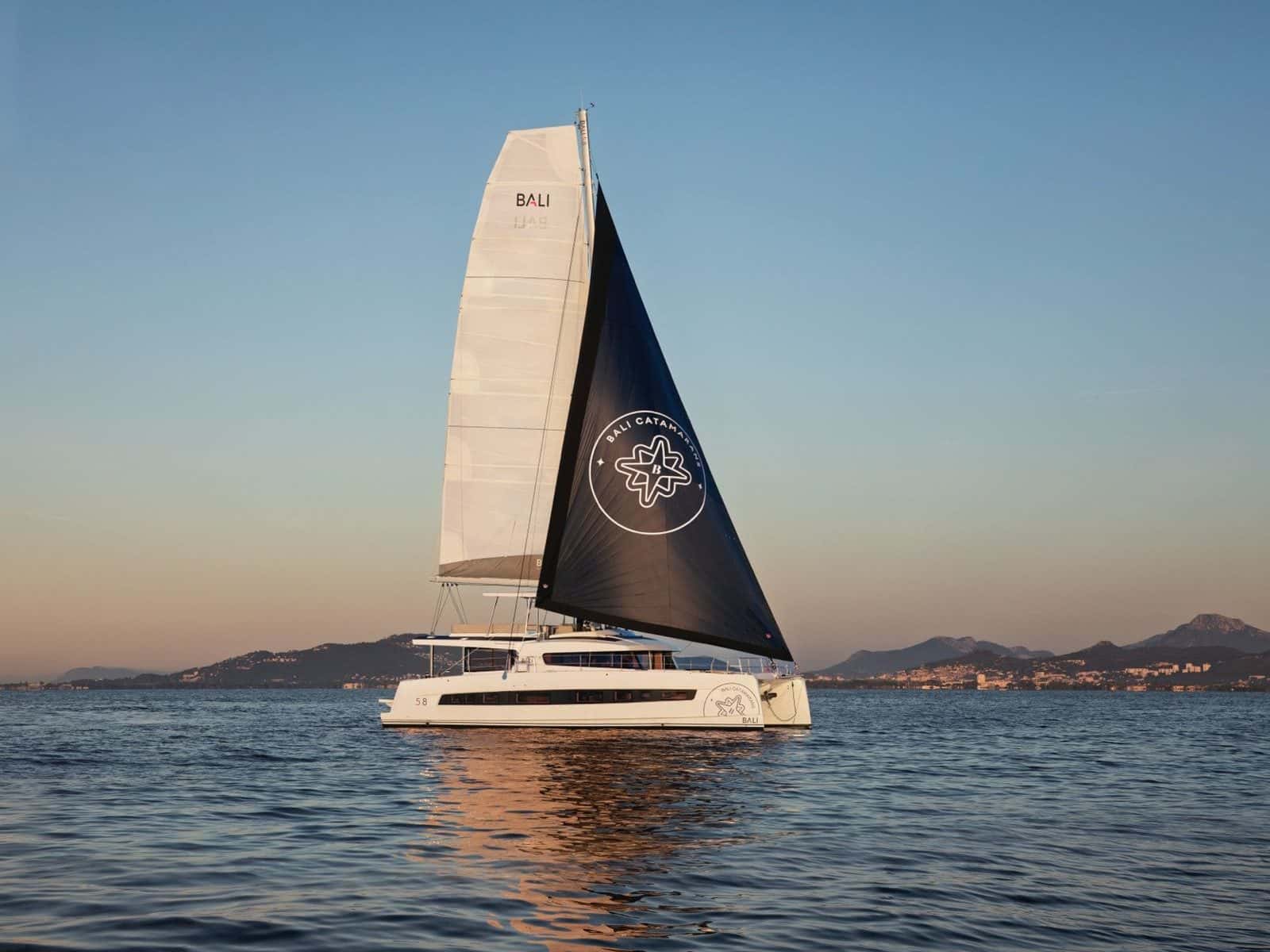
ACRATA
Bali 5.8
With skipperCatamaran
8 People · 4 Cabins · 17.7 m
Total price from €23,200 for 7 days
AndratxDetails

11 yachts
Bali 5.8
8 People · 4 Cabins · 17.7 m
Total price from €23,200 for 7 days
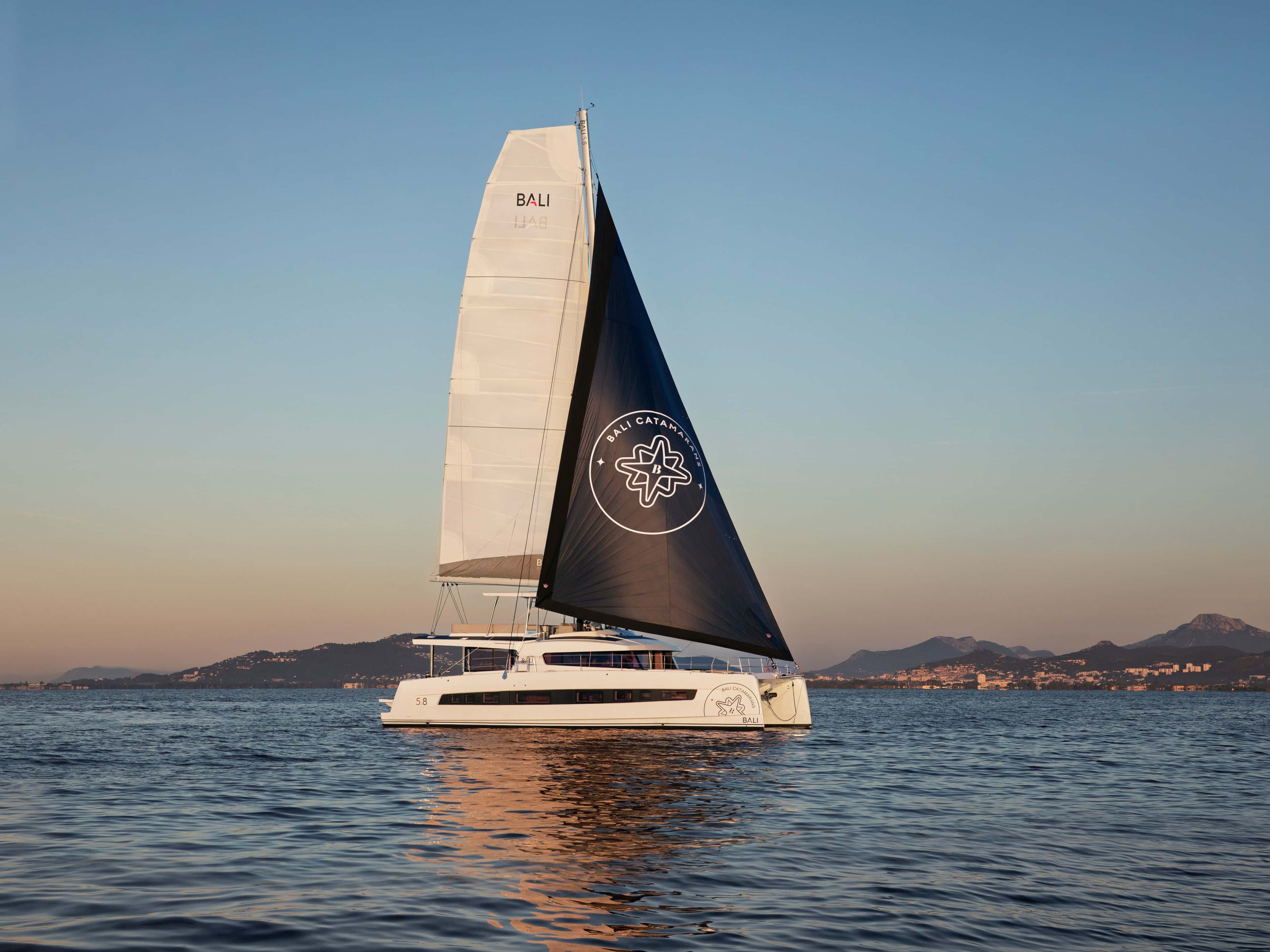
Bali 5.8
10 People · 5 Cabins · 17.7 m
Total price from €28,880 for 7 days

Bali 4.6
10 People · 5 Cabins · 14.3 m
Total price from €13,940 for 7 days
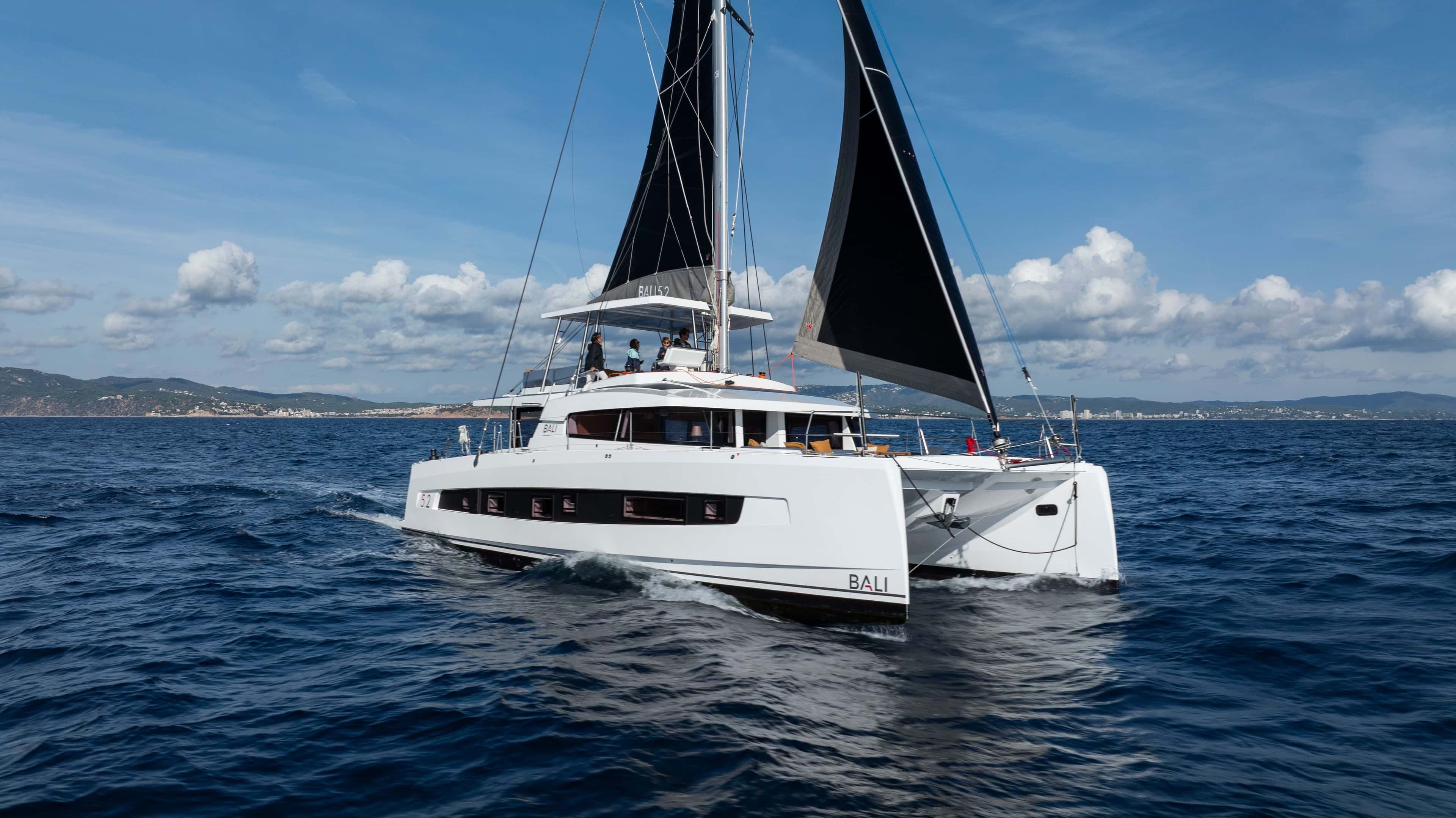
Bali 5.2
10 People · 5 Cabins · 15.9 m
Total price from €17,200 for 7 days

Bali 4.8
10 People · 5 Cabins · 14.8 m
Total price from €13,465 for 7 days
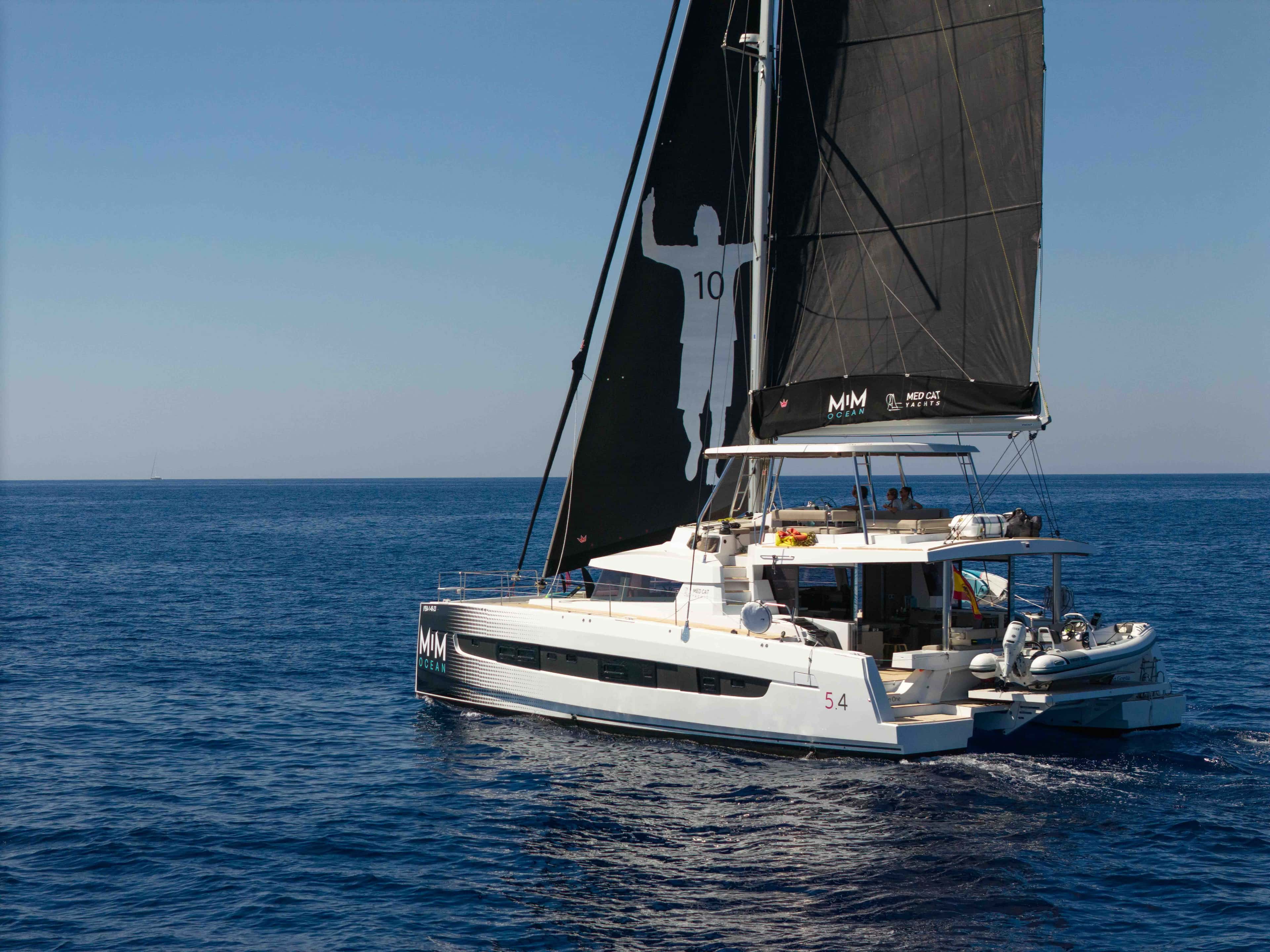
Bali 5.4
11 People · 5 Cabins · 16.8 m
Total price from €18,832 for 7 days
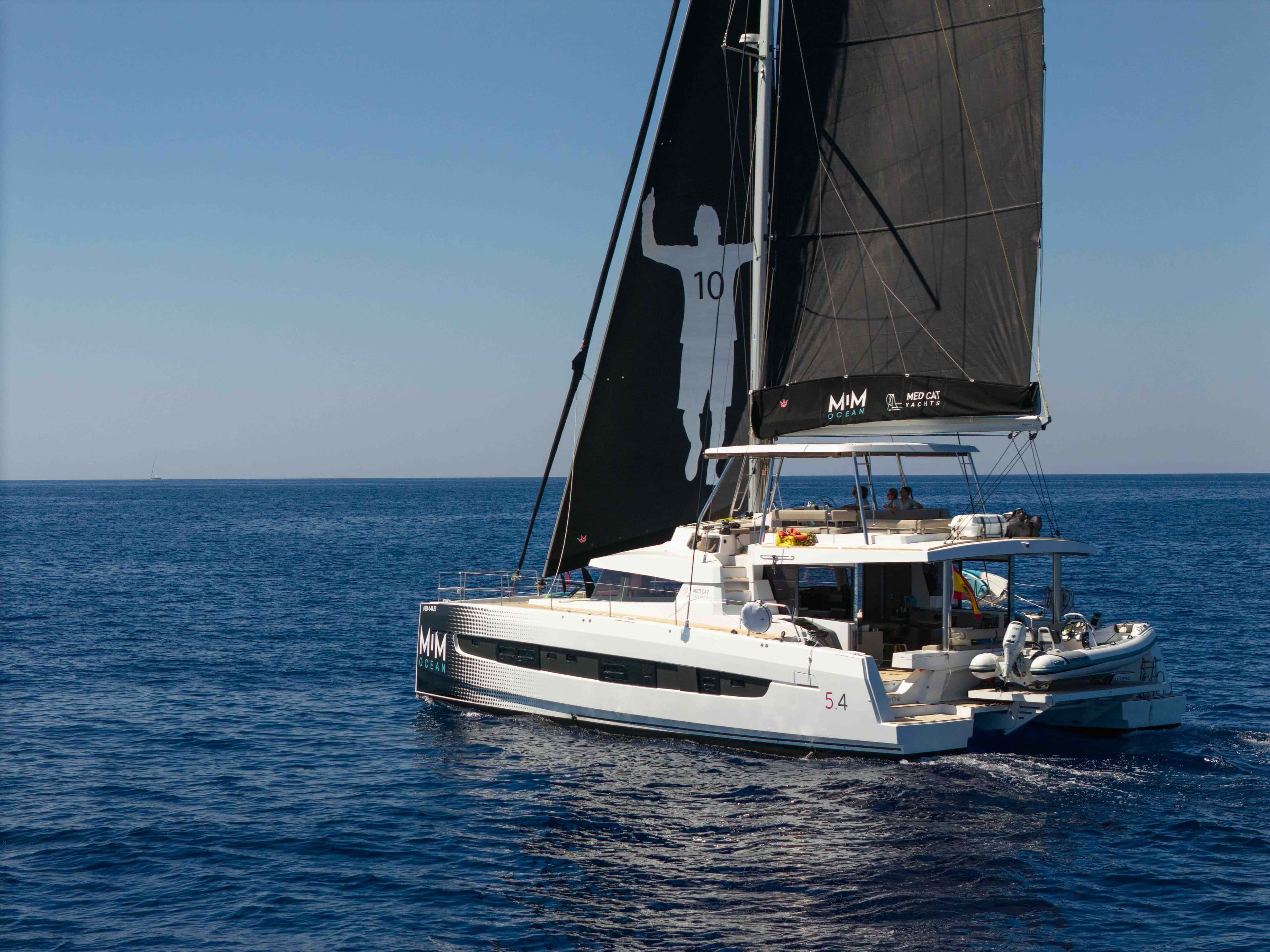
Bali 5.4
8 People · 4 Cabins · 16.8 m
Total price from €18,320 for 7 days
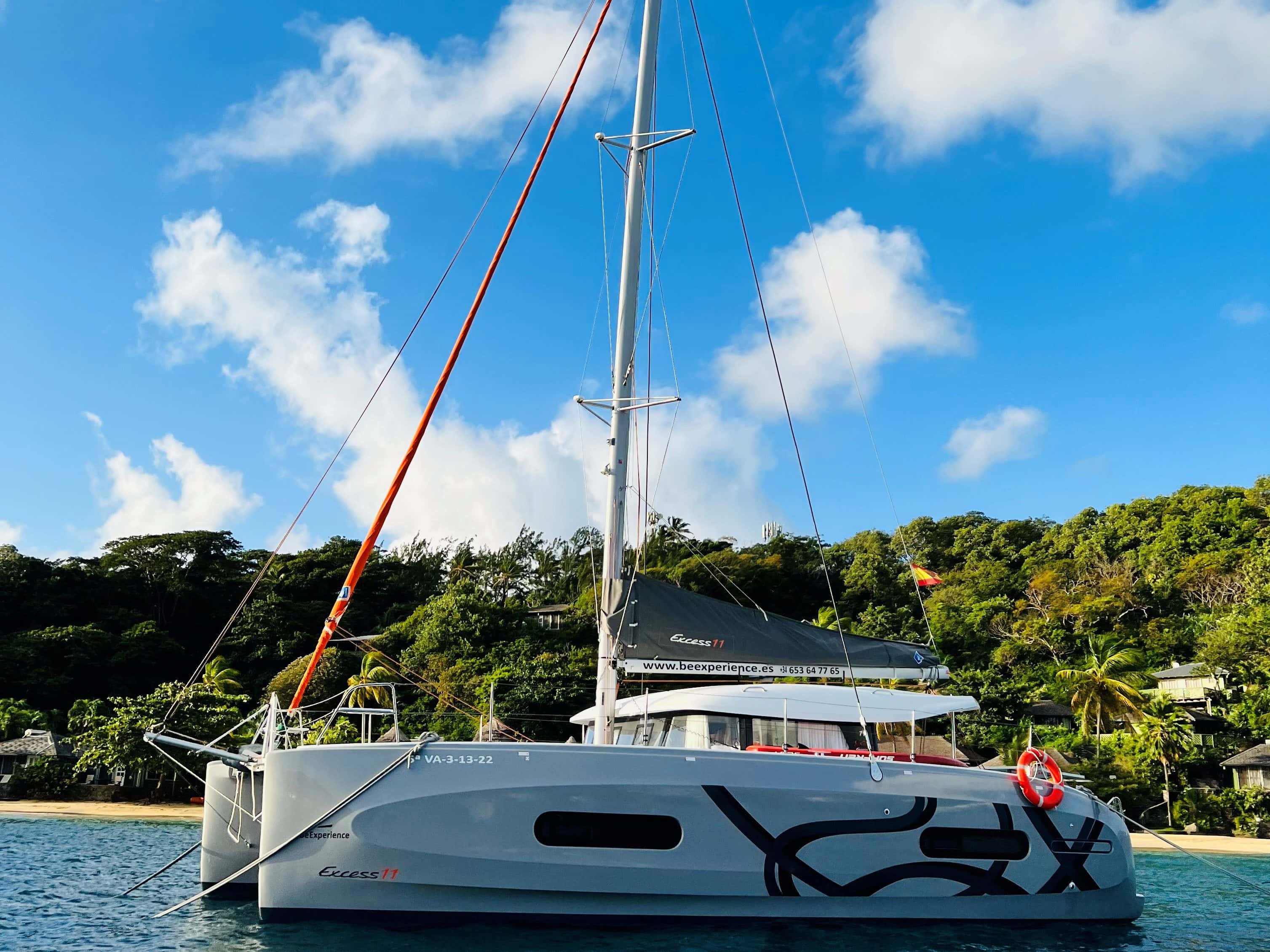
Excess 11
8 People · 4 Cabins · 11.3 m
Total price from €8,950 for 7 days

Excess 11
8 People · 4 Cabins · 11.3 m
Total price from €8,950 for 7 days
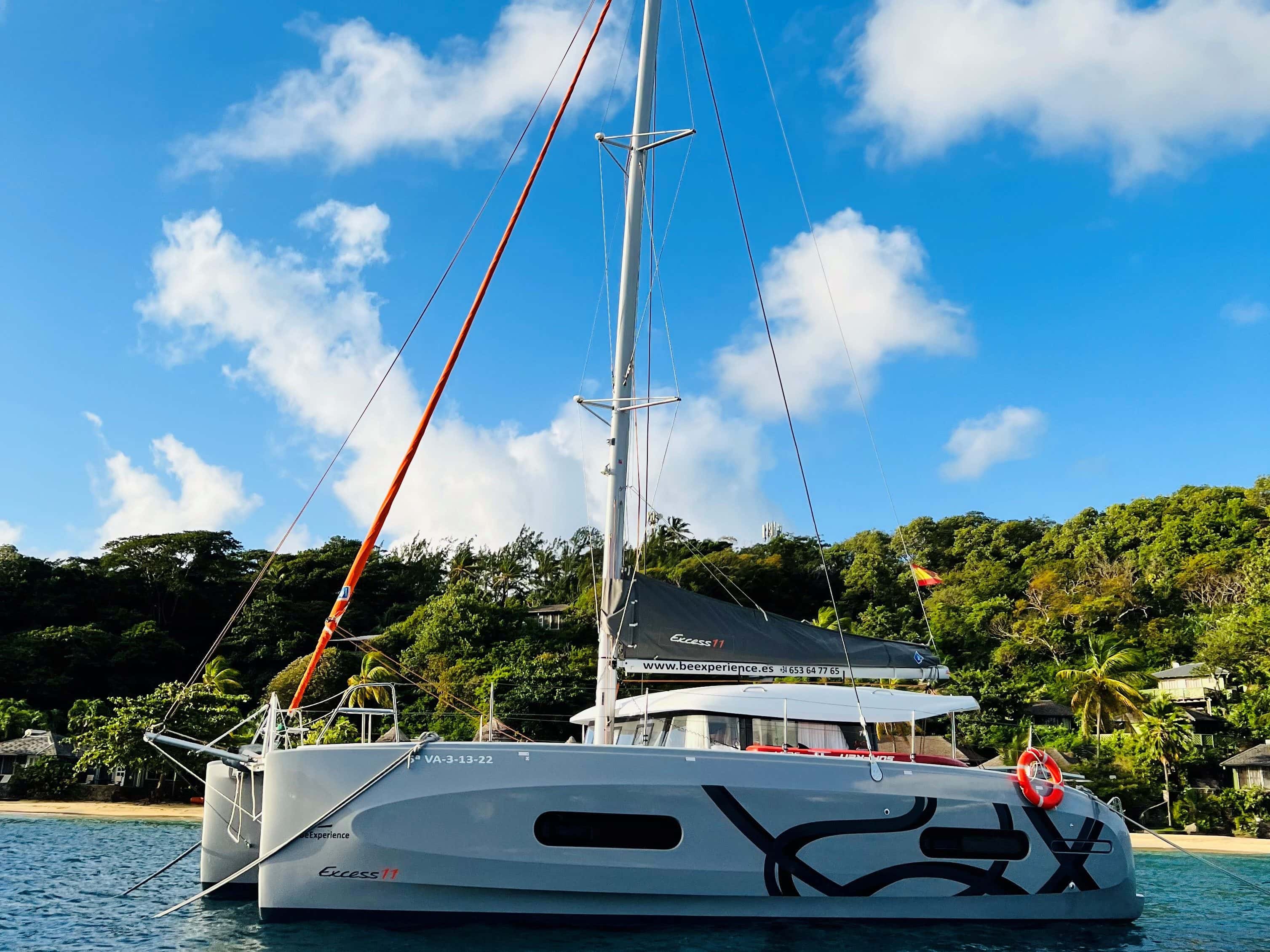
Excess 11
8 People · 4 Cabins · 11.3 m
Total price from €8,950 for 7 days

Excess 11
8 People · 4 Cabins · 11.3 m
Total price from €8,950 for 7 days
A yacht charter from Port d'Andratx offers a flexible way to explore Mallorca from the water, whether you want a relaxed day around sheltered coves, a longer coastal holiday, or a more active sailing itinerary. The right yacht and plan will depend on your experience, preferred level of service, group needs, and tolerance for changing sea conditions. You can choose a yacht without a skipper if you meet the operator's qualification and experience requirements, or book with a skipper or crew when you would rather leave navigation and boat handling to professionals. Port d'Andratx is a practical starting point for discovering Mallorca's western and southwestern coastline. The surrounding cruising area can combine dramatic shorelines, small bays, swimming stops, and access to coastal settlements. Conditions and berth availability can change, however, so a successful itinerary should remain adaptable. Wind direction, swell, anchoring restrictions, marina capacity, and the capabilities of your group all matter more than an ambitious list of destinations. When comparing yachts, look beyond appearance and sleeping capacity. Consider cockpit space, shade, storage, boarding access, cabin layout, ventilation, galley equipment, and the way the yacht will be used during the day. Families may prioritise easy movement and sheltered seating, while experienced sailors may care more about sail handling and performance. Groups planning to spend most nights ashore can have different requirements from those expecting to live aboard throughout the charter. The information below explains the main cost drivers, seasonal considerations, cruising decisions, qualification questions, and practical checks for a Port d'Andratx yacht charter. Prices, rules, equipment, and local operating procedures can change. Always confirm the current details in the individual yacht listing and charter agreement, and check official maritime information before departure.
The total cost of a Port d'Andratx yacht charter is shaped by more than the advertised hire rate. Yacht type, size, age, layout, level of finish, charter duration, travel period, and demand can all influence the starting price. A newer yacht with generous outdoor space or upgraded onboard systems may be priced differently from a simpler model designed primarily for practical cruising. Sailing yachts, motor yachts, and multihulls also have different operating profiles, so comparing only headline rates can be misleading. The choice between sailing without a skipper and booking with a skipper or crew is another major cost driver. Professional service is normally charged separately unless the listing clearly says it is included. Depending on the arrangement, you may also need to consider provisions, transport, and suitable accommodation or cabin allocation for the professionals on board. Ask what duties are covered: a skipper is responsible for navigation and safe operation, but this does not automatically mean that cooking, cleaning, childcare, or full hospitality service is included. Fuel use varies substantially with yacht type, speed, sea state, route, and reliance on engines or generators. A relaxed sailing itinerary may have a different fuel profile from a motor-focused trip covering more coastline. Because consumption cannot be predicted accurately from a destination list alone, ask the operator how fuel is measured and settled. Water use, shore power, optional water-sports equipment, onboard cooling, and other systems can also affect operating costs or practical limits. Additional charges may relate to final cleaning, linen, towels, security deposits, insurance options, local taxes, marina berths, mooring fields, parking, transfers, provisioning, or optional equipment. Some items may be compulsory and others optional. Inclusion policies differ between operators, so request a written breakdown before confirming. Pay particular attention to deposit conditions, cancellation terms, damage reporting, late-return rules, and what happens if weather prevents the planned route. Berthing and mooring expenses depend on where you stop, the yacht's dimensions, local policy, demand, and the services used. Space should never be assumed, especially when the area is busy. If spending nights in marinas is important, contact the relevant harbour authorities or ask the operator how reservations are handled. Anchoring can reduce dependence on marina space, but it must be suitable for the forecast, seabed, yacht, local restrictions, and the competence of those on board. For a useful comparison, calculate the expected trip total rather than choosing solely by the initial rate. Include likely extras, travel to the base, food, professional services, fuel, berthing, and a reasonable contingency. Verify every inclusion and payment condition in the current listing and contract, as general guidance cannot replace the operator's final quotation.
| Month | Air ↑ (°C) | Air ↓ (°C) | Water (°C) | Sunshine hours (h/d) | Wind (km/h) |
|---|---|---|---|---|---|
| January | 15.4 °C | 5.2 °C | 14.5 °C | 5.5 h/d | 13 km/h |
| February | 15.7 °C | 5 °C | 13.7 °C | 6.1 h/d | 13.4 km/h |
| March | 17.6 °C | 6.4 °C | 13.9 °C | 6.7 h/d | 13.7 km/h |
| April | 19.3 °C | 8 °C | 14.9 °C | 7.3 h/d | 14 km/h |
| May | 22.7 °C | 11.4 °C | 17 °C | 9.4 h/d | 13.4 km/h |
| June | 26.9 °C | 15.6 °C | 21 °C | 10.4 h/d | 13 km/h |
| July | 29.7 °C | 18.4 °C | 24.3 °C | 11.1 h/d | 12.6 km/h |
| August | 30.2 °C | 19 °C | 26.2 °C | 10.3 h/d | 12.2 km/h |
| September | 27 °C | 16.6 °C | 24.7 °C | 7.9 h/d | 11.9 km/h |
| October | 23.2 °C | 13.4 °C | 22 °C | 6.4 h/d | 12.2 km/h |
| November | 19.1 °C | 9.1 °C | 18.7 °C | 5.4 h/d | 12.6 km/h |
| December | 16.2 °C | 6.6 °C | 16 °C | 4.9 h/d | 13 km/h |
There is no single best period for every Port d'Andratx charter. The most suitable time depends on whether your priority is warm-water leisure, quieter surroundings, active sailing, family comfort, or a wider choice of services ashore. More popular travel periods can bring greater demand for yachts and berths, while quieter periods may offer a calmer atmosphere but fewer open services or more variable operating schedules. Availability and local activity should be checked directly rather than assumed. Mallorca's coastal weather can change over the course of a charter. A morning that appears settled does not guarantee comfortable conditions later, and weather experienced on land may not reflect wind and swell outside the harbour. Local topography can influence wind direction and strength, while exposed headlands may feel very different from protected bays. Forecasts should therefore be reviewed repeatedly, using recognised marine sources, official notices, and the operator's local briefing. Comfort is affected by more than air temperature. Swell direction, wave period, wind against sea, cloud cover, sun exposure, humidity, and the yacht's motion all shape the experience. Guests who are sensitive to seasickness may prefer shorter passages, conservative routes, and stops with reliable shelter. Medication or other preventative measures should be discussed with a qualified medical professional before travel, particularly where health conditions or other medicines are involved. Hot and sunny conditions require preparation. Bring suitable sun protection, drink water regularly, and make use of shade where available. Cooler or windy conditions call for layered clothing and a waterproof outer layer, even if the forecast looks pleasant on shore. Non-slip footwear and a secure hat can be useful, subject to the yacht's onboard footwear policy. Pack personal essentials in soft luggage that can be stored safely. Route planning should follow the actual forecast rather than a fixed holiday wish list. A responsible operator or skipper may alter, shorten, or cancel a passage if conditions make it inappropriate. This is a safety decision, not a failure of service. Build flexibility into the itinerary and identify alternatives that remain enjoyable without requiring long or exposed passages. Before departure, ask how weather decisions are made, who has final authority, and what contractual terms apply if the yacht cannot leave the base. Also check current marine warnings, navigation notices, and any temporary restrictions. Historical climate patterns may help with broad planning, but they are not a substitute for a current marine forecast.
Port d'Andratx is the base family for this charter selection and provides a natural focus for exploring the nearby Mallorca coastline. Your first planning task is to confirm the yacht's exact handover point. A harbour name can cover different pontoons, reception locations, access procedures, and parking arrangements. Ask the operator for current joining instructions and allow enough flexibility for traffic, luggage handling, paperwork, and the safety briefing. Before leaving the berth, learn where essential equipment is stored and how the yacht's main systems work. The briefing should cover engine controls, sails where relevant, anchoring equipment, navigation instruments, electrical systems, water management, cooking arrangements, toilets, emergency gear, and communication procedures. Check existing damage and record it through the operator's accepted process. Make sure everyone understands safe movement on deck, use of handholds, and what to do if a person falls overboard. The coast around Port d'Andratx can support different styles of trip, from short local outings to broader coastal itineraries. Rather than treating named destinations as guaranteed stops, choose locations according to current wind, swell, shelter, depth, seabed, local rules, and the yacht's characteristics. A bay that is comfortable in one wind direction may be unsuitable in another. Entry should always be based on current charts, pilot information, visual assessment, and local advice. If you intend to anchor, identify permitted areas and avoid damaging protected seabed. Environmental regulations and buoy systems may change, and some places can have access or anchoring controls. Use current official information and follow local instructions. Never assume that seeing another yacht at anchor proves that the location is legal or safe for your vessel. Maintain adequate swinging room, monitor holding, and prepare an alternative if conditions shift. For overnight planning, decide whether your group prefers marina facilities, authorised moorings, or suitable anchorages. Each option has trade-offs involving comfort, privacy, access ashore, weather exposure, cost, and availability. Reservations may be required or unavailable, and acceptance can depend on yacht dimensions. Confirm current procedures with the relevant facility. If arriving without a confirmed space, keep a safe fallback rather than relying on last-minute access. Shore stops are most enjoyable when approached with realistic logistics. Consider tender use, safe landing places, passenger mobility, provisions, waste disposal, and the possibility that sea conditions could make a return trip uncomfortable. Do not leave rubbish behind or discharge waste where prohibited. Water and electricity should be used carefully because refill opportunities and onboard capacity vary. A good itinerary from Port d'Andratx is usually one that matches the least experienced guest as well as the person in command. Leave room for swimming, meals, and unhurried arrivals. Avoid turning the holiday into a sequence of demanding passages. If the forecast becomes unfavourable, remaining near the base or enjoying time ashore can be the more rewarding choice.
If you want to charter without a skipper, the operator must be satisfied that the person in command has qualifications and experience appropriate for the yacht and cruising area. There is no universal document that every operator automatically accepts. Requirements can depend on the yacht's type, size, flag, insurer, operating licence, intended route, and the authority governing the charter. A certificate that was accepted elsewhere should not be assumed to qualify you for a departure from Port d'Andratx. Send clear copies of your sailing or motor-yacht qualifications to the operator before making non-refundable travel commitments. State whether the document is an original certificate, an endorsement, or a digital record, and ask for written confirmation of acceptance for the specific yacht. Some arrangements may also require evidence of practical experience, a radio qualification, or another competent adult. Requirements can change, so the operator's current written approval and official guidance take priority over general online advice. Experience matters alongside paperwork. You may be asked about recent command history, familiarity with yachts of a comparable type, coastal navigation, anchoring, marina manoeuvres, safety procedures, and handling in stronger conditions. Answer accurately. Overstating experience can create safety and insurance problems, while openly discussing limitations allows the operator to suggest training, a check-out, or a professional skipper. At handover, the operator may assess practical competence. If the nominated person cannot demonstrate safe control, the operator may require a skipper, restrict the sailing area, propose another solution, or decline to release the yacht, depending on the contract and applicable rules. Clarify this process in advance, including who pays for any resulting change. Booking with a skipper or crew is often the simplest choice for guests who lack accepted qualifications, have limited recent experience, or want to focus on the holiday rather than command responsibilities. A local professional can also help interpret conditions and choose suitable stops. The skipper retains authority over safe navigation, but guests should still listen to the briefing and follow instructions. Carry the documents specified by the operator, which may include identification, original qualifications, charter paperwork, and travel or insurance information. Check official Spanish maritime guidance and any relevant flag-state or radio requirements before departure. This page provides planning guidance only and is not legal advice.
Choose without a skipper only if your qualifications are accepted for the specific yacht and you have recent, relevant experience. You will be responsible for navigation, weather decisions, manoeuvring, safety, and care of the yacht. Booking with a skipper or crew is better suited to guests who want local support, do not meet the qualification rules, or prefer not to manage the vessel. Confirm exactly which professional services are included, because navigation support does not automatically include cooking, cleaning, or childcare.
Check the yacht's layout, maximum permitted occupancy, cabin arrangements, onboard equipment, exact handover location, deposit, cancellation conditions, and all compulsory or optional charges. Ask what linen, towels, safety equipment, tender arrangements, and cleaning services are provided. If travelling with children or guests with limited mobility, discuss boarding access and deck safety. Obtain written confirmation of qualification acceptance if you plan to sail without a skipper.
They may be included, excluded, or handled through a separate settlement, depending on the operator and yacht. Fuel use varies with route, speed, sea state, and onboard systems. Marina and mooring charges depend on local policy, yacht dimensions, demand, and services used. Read the current listing and contract, then request a written explanation of how fuel, berths, utilities, and other operating expenses are calculated.
Advance booking may be possible at some facilities, while others may use different allocation procedures or have limited space. Policies and availability can change. Contact the relevant marina or ask the operator for current guidance, providing the yacht's correct dimensions. Keep an alternative plan that is safe for the forecast, and never assume that a berth will be available simply because it appeared open during earlier research.
The route may be changed, delayed, shortened, or cancelled when conditions are not appropriate. The skipper or person in command must prioritise safety, and operator restrictions may also apply. Review the charter agreement to understand weather-related policies and possible alternatives. A flexible plan could include a more sheltered coastal area, remaining at the base, or spending time ashore. Current marine forecasts and official warnings should guide every departure decision.
Use soft, easily stored luggage and bring sun protection, layered clothing, a waterproof outer layer, personal medicines, and suitable non-slip footwear if permitted on board. Pack charging cables and any essential personal items, but avoid assuming that every yacht has the same sockets or power capacity. Ask whether towels, bedding, snorkelling equipment, or other leisure items are supplied. Keep important documents protected from water.
It can be suitable when the yacht, support level, and itinerary match the group's experience. First-time guests often benefit from booking with a skipper, choosing conservative passages, and allowing plenty of flexibility. Sea conditions outside the harbour can differ from conditions at the berth, so local guidance remains important. Discuss swimming ability, mobility, seasickness concerns, and expectations with the operator before choosing a yacht.
No. Anchoring must be safe, lawful, and environmentally responsible. Restrictions may protect seabed habitats or manage access, and local buoy or permit systems can change. Consult current charts, official notices, and local instructions. Check depth, holding, swing room, wind, swell, and the yacht's equipment before anchoring. The presence of other boats does not confirm that an anchorage is permitted or appropriate.
Ask what galley equipment, refrigeration, storage, and drinking-water arrangements are available. Plan meals around the yacht's facilities and your likely access ashore, without assuming that every stop will offer provisions. Store food securely and consider dietary needs before departure. Use water responsibly, as onboard capacity and refill options vary. If a skipper or crew is booked, confirm how their meals and provisions are handled.
The person legally in command has final responsibility for safe navigation. When a professional skipper is booked, guests can discuss preferences, but the skipper may reject or alter a destination because of weather, sea state, harbour access, yacht limitations, regulations, or passenger safety. When chartering without a skipper, that responsibility falls to the approved person in command, subject to the operator's contract and cruising restrictions.
Data powered by Booking Manager