1/6
Day charter
Federika III
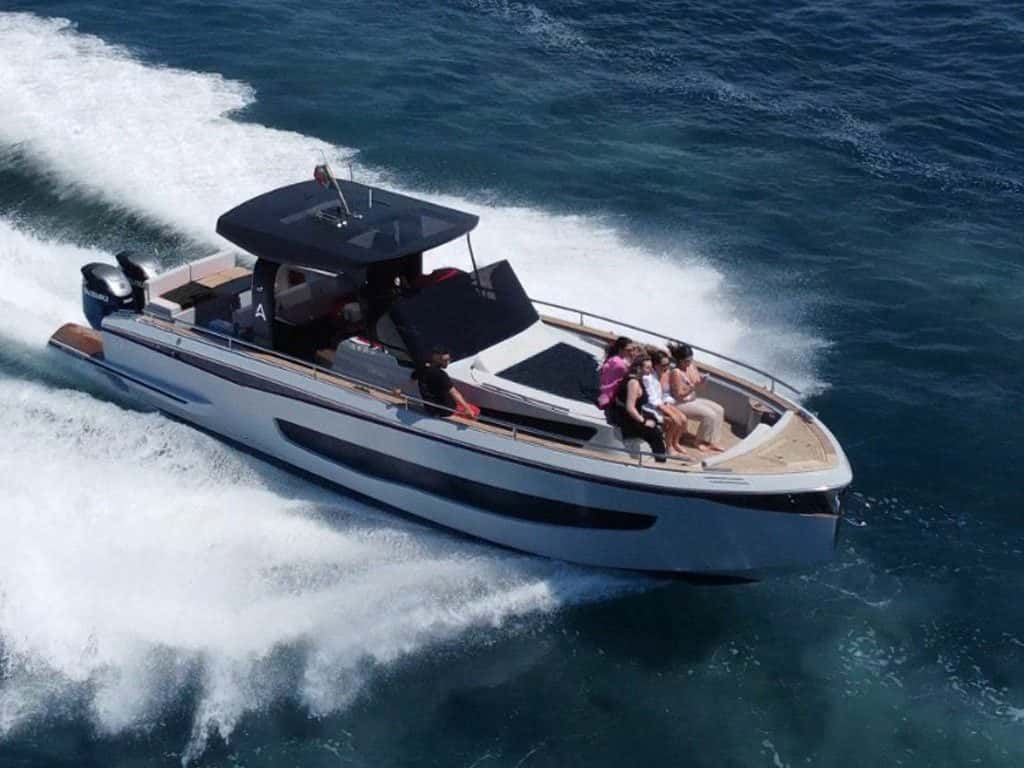
Italyure 38
Without skipperMotorboat
4 People · 2 Cabins · 11.7 m
Price on request
Palma de MallorcaDetails

10 yachts
Italyure 38
4 People · 2 Cabins · 11.7 m
Price on request
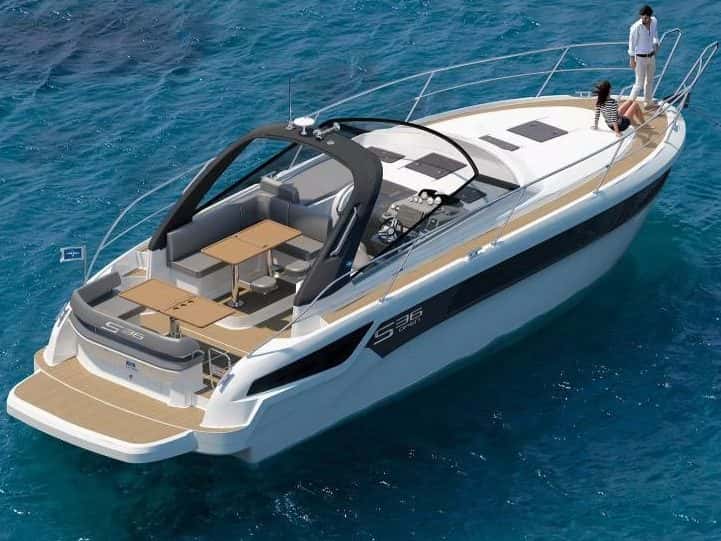
Bavaria Sport 360 Open
4 People · 2 Cabins · 10.8 m
Total price from €8,300 for 7 days
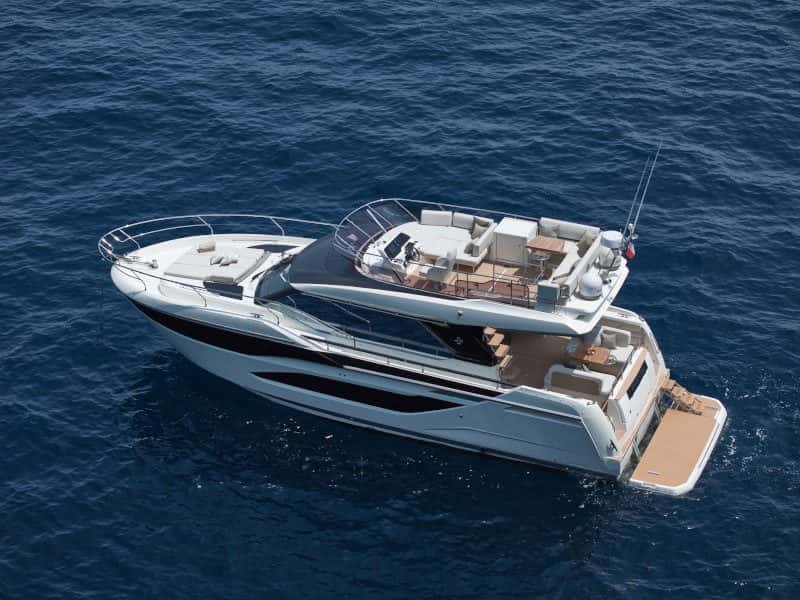
x-reuse
6 People · 3 Cabins · 15.2 m
Total price from €15,179 for 7 days

MY6
6 People · 3 Cabins · 14 m
Total price from €9,810 for 7 days

Prestige 42 Fly
4 People · 2 Cabins · 13.1 m
Total price from €10,200 for 7 days
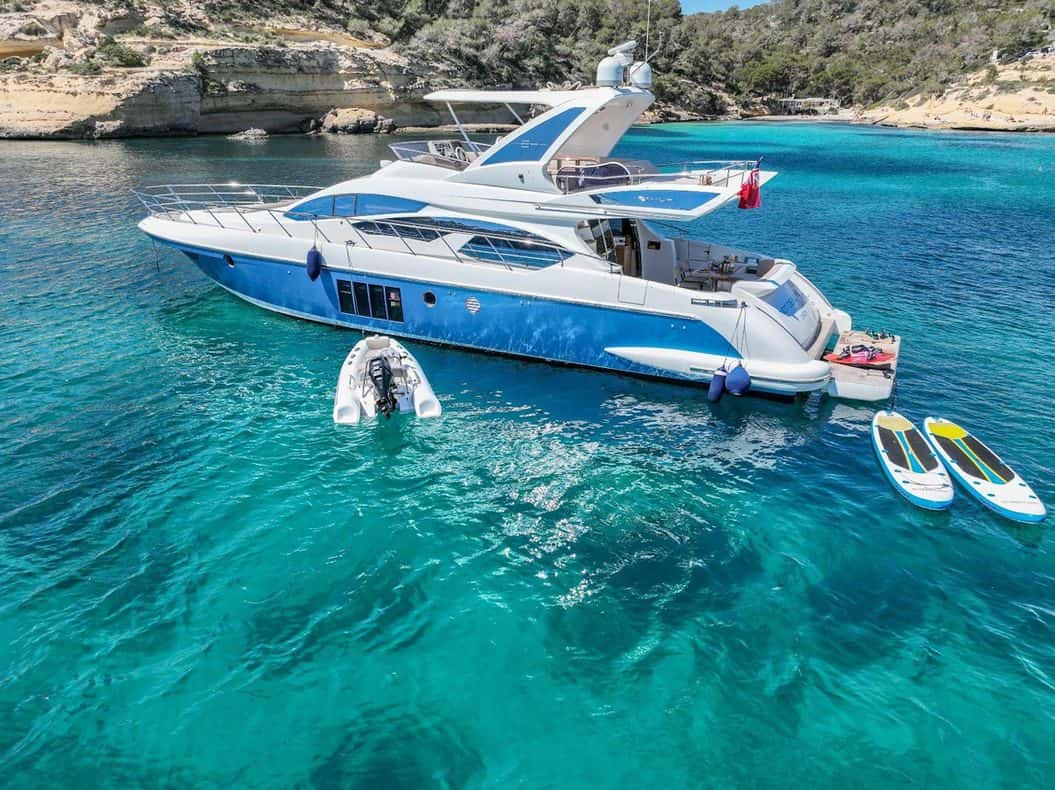
Azimut 64
6 People · 3 Cabins · 19.5 m
Total price from €24,800 for 7 days
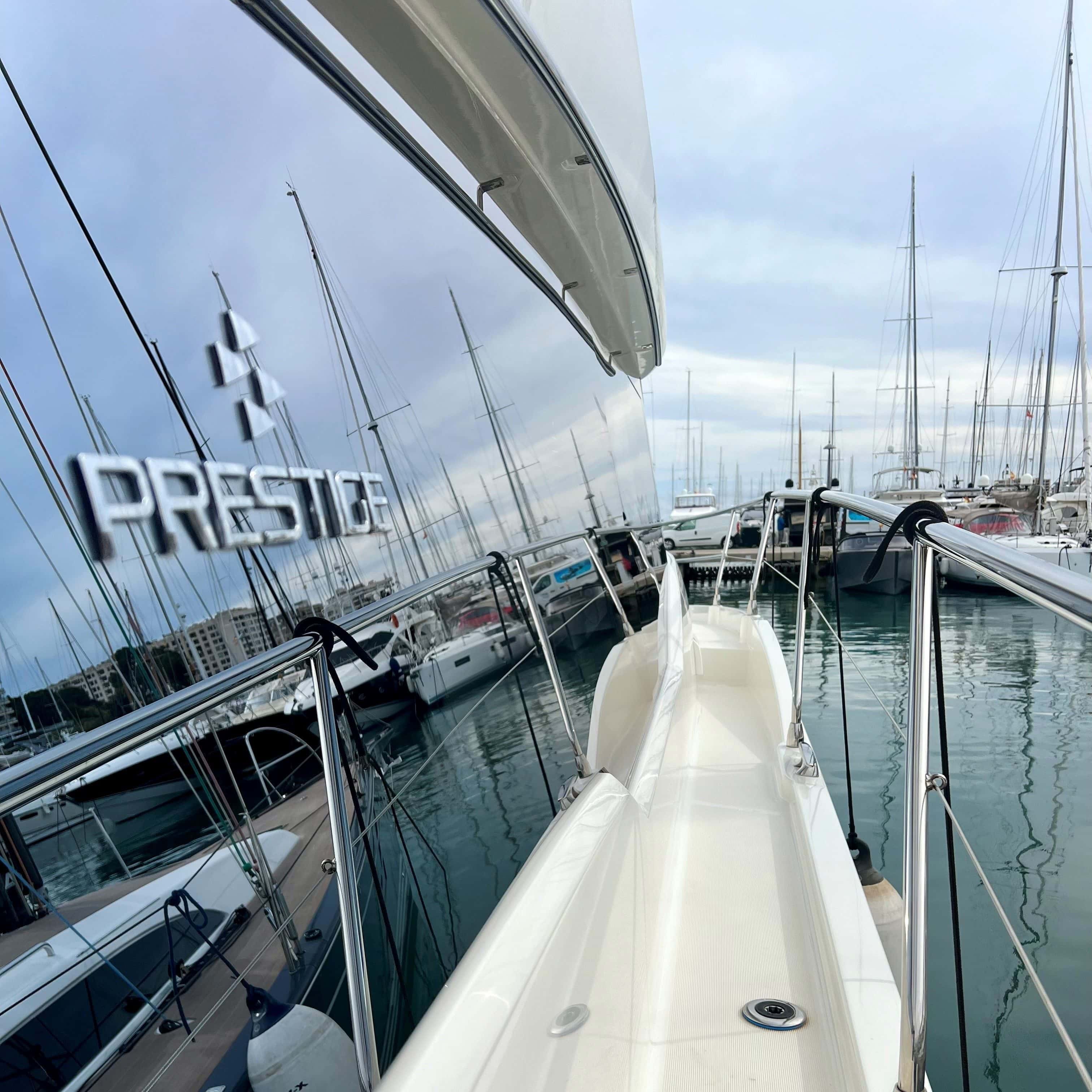
Prestige 460
4 People · 2 Cabins · 14.3 m
Total price from €13,040 for 7 days
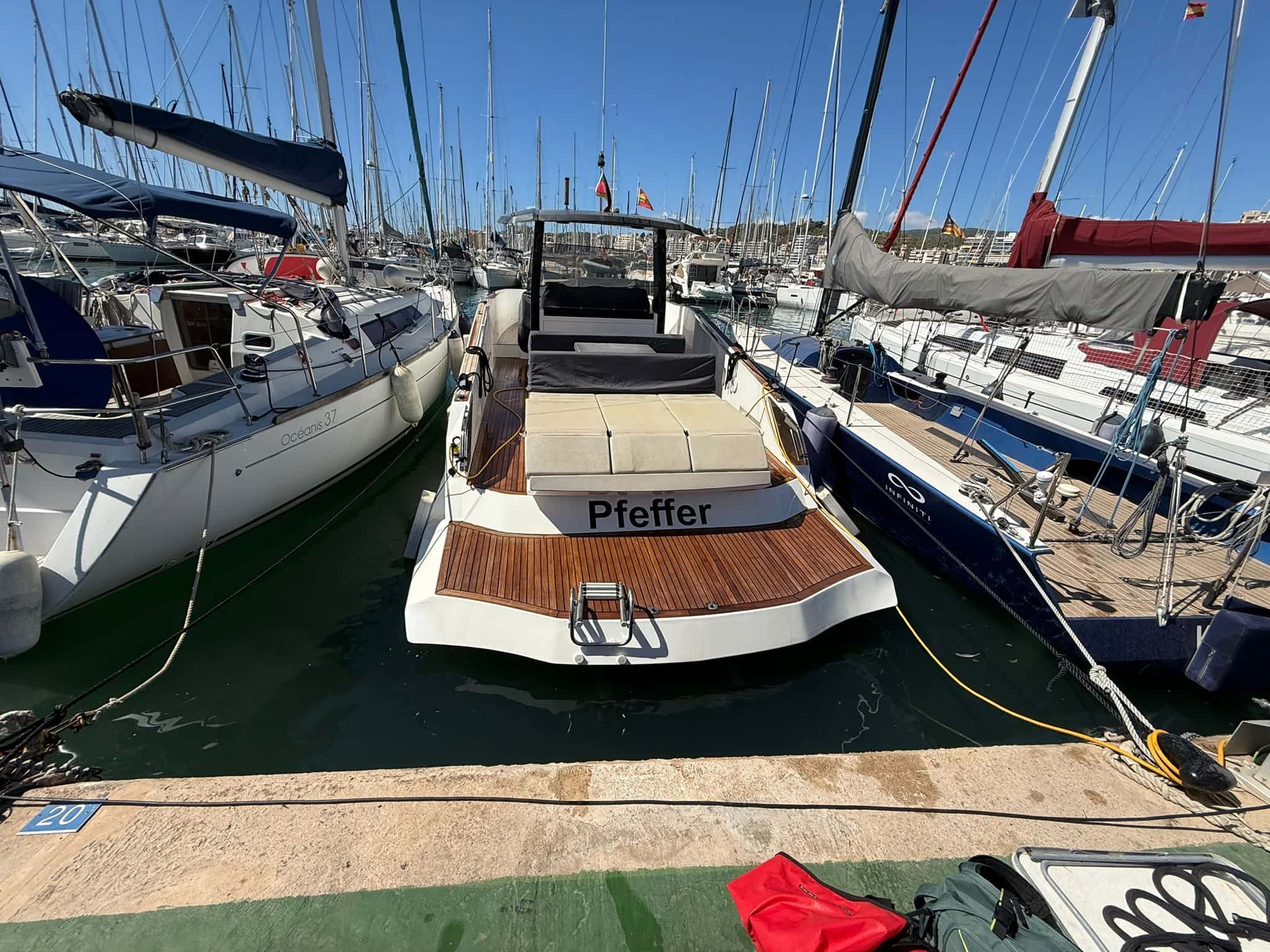
x-reuse
4 People · 1 Cabins · 11.3 m
Total price from €7,779 for 7 days
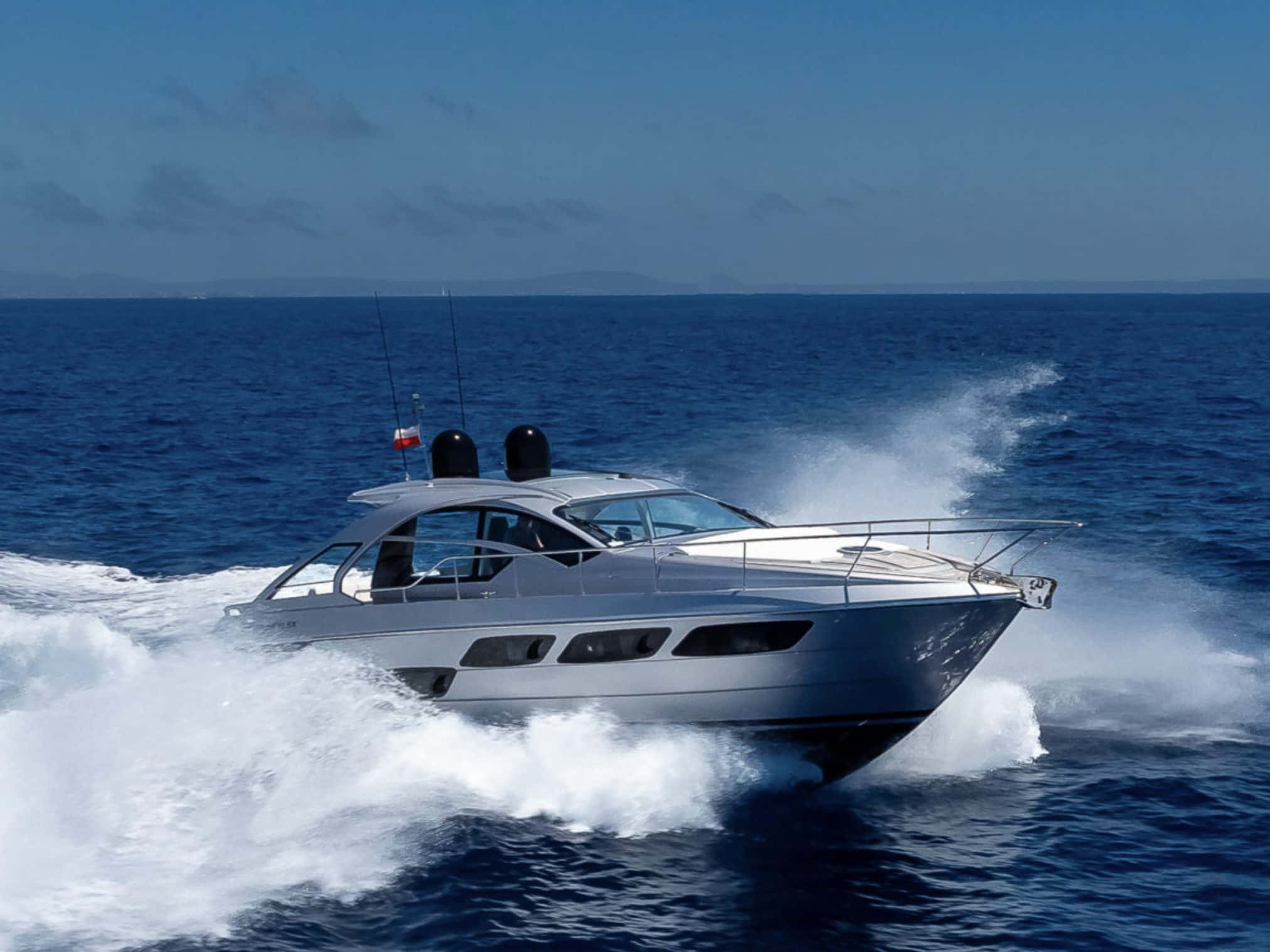
Pershing 50
10 People · 2 Cabins · 16.5 m
Total price from €33,660.50 for 7 days
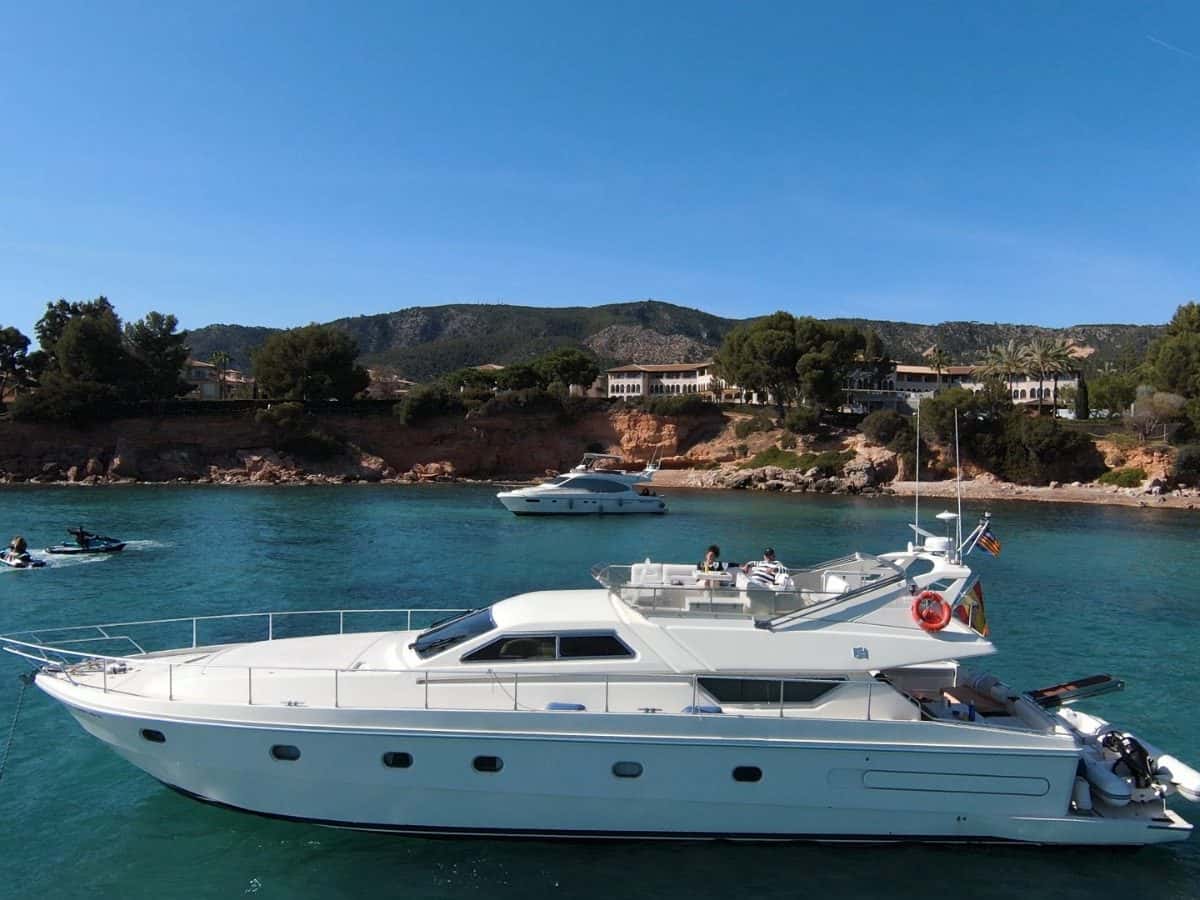
Ferretti 175 FLY
6 People · 3 Cabins · 18.1 m
Total price from €12,800 for 7 days
A Mallorca motorboat charter gives you the freedom to explore the island from the water, moving between lively ports, sheltered bays, swimming stops, waterfront restaurants, and quieter stretches of coast. A motorboat is especially appealing when you want flexible day plans and do not wish to depend primarily on sailing conditions. It can suit anything from a relaxed outing close to the departure harbour to a longer coastal itinerary, provided the chosen boat, forecast, fuel plan, and operating limits are appropriate. The right choice depends on more than appearance or deck space. Hull design, engine configuration, cruising speed, fuel consumption, shade, cabin layout, boarding access, storage, and onboard facilities all affect the experience. A compact open motorboat may be convenient for local swimming trips, while a larger yacht can offer more protection, comfort, and accommodation for an extended stay. If nobody in your group has suitable qualifications or local experience, booking with a skipper can make route planning, harbour approaches, anchoring, and changing conditions easier to manage. Mallorca offers very different coastal settings. Some areas are shaped by broad bays and established marinas; others feature rocky headlands, small coves, exposed passages, or a limited choice of refuge. That variety is part of the attraction, but it also means an itinerary should be built around current conditions rather than a fixed list of places. Wind direction, swell, visibility, berth availability, local restrictions, and the capabilities of everyone on board should guide each decision. Use this page to understand the main cost drivers, seasonal considerations, departure areas, qualification questions, and practical planning points. Specific inclusions and rules vary by operator and vessel. Always review the charter agreement, confirm current requirements directly with the operator, and consult official maritime and weather information before departure.
The advertised charter rate is only one part of the overall budget. The size and style of the motorboat usually have a major influence, but age, engine power, onboard comfort, maintenance standard, location, demand, and the length of the booking may also matter. A boat intended mainly for local daytime use will generally have a different cost structure from a yacht with cabins, domestic facilities, extensive electronics, and space for overnight living. Fuel is one of the most important variable expenses. Consumption can change considerably with boat weight, hull form, engine type, sea state, speed, and the amount of time spent under power. Faster travel does not simply mean reaching a destination sooner; it can also increase consumption and reduce comfort when the water is unsettled. Ask the operator how fuel is measured, whether the boat is supplied with a particular fuel level, and how the final amount is settled. For a realistic estimate, describe your likely route and cruising style instead of relying on a generic figure. Departure location can affect both convenience and total spending. A harbour near your accommodation may reduce transfers, while a base elsewhere on the island could place you closer to the coast you most want to explore. Parking, luggage handling, provisions, and transport after returning should be included in the practical comparison. If the itinerary ends in a different place from where it begins, repositioning may require special approval and additional arrangements. Never assume that a one-way trip is permitted. A security deposit or another form of damage cover may apply. Read the terms carefully to understand liability, excluded events, reporting procedures, and what happens if damage prevents the next booking. Optional protection products can have limitations, so check what they actually cover rather than treating them as a complete waiver of responsibility. The operator should also explain check-in documentation and the procedure used to record the boat's condition. Other possible cost drivers include final cleaning, bedding, towels, water sports equipment, marina charges, shore power, water, waste services, food, drinks, and delivery of provisions. Some may be included and others may be payable separately. A berth at the home base does not automatically mean that berths elsewhere are included. Visiting-marina policies and prices can change, and a reservation may not always be available. When booking with a skipper or crew, ask what professional services are included and which onboard expenses remain the customer's responsibility. Meals, transfers, accommodation between duties, and gratuities may be handled differently by different businesses. Clarify the expected daily schedule and any limits on working or navigation periods without assuming that the service provides unrestricted operation. The best comparison is therefore based on the total expected trip, not simply the headline rate. Request a written breakdown, explain your intended use, and leave room in the budget for fuel, weather-related changes, and incidental harbour expenses. Confirm all current charges with the operator before committing, as pricing and inclusions can change.
| Month | Air ↑ (°C) | Air ↓ (°C) | Water (°C) | Sunshine hours (h/d) | Wind (km/h) |
|---|---|---|---|---|---|
| January | 15.4 °C | 5.2 °C | 14.5 °C | 5.5 h/d | 13 km/h |
| February | 15.7 °C | 5 °C | 13.7 °C | 6.1 h/d | 13.4 km/h |
| March | 17.6 °C | 6.4 °C | 13.9 °C | 6.7 h/d | 13.7 km/h |
| April | 19.3 °C | 8 °C | 14.9 °C | 7.3 h/d | 14 km/h |
| May | 22.7 °C | 11.4 °C | 17 °C | 9.4 h/d | 13.4 km/h |
| June | 26.9 °C | 15.6 °C | 21 °C | 10.4 h/d | 13 km/h |
| July | 29.7 °C | 18.4 °C | 24.3 °C | 11.1 h/d | 12.6 km/h |
| August | 30.2 °C | 19 °C | 26.2 °C | 10.3 h/d | 12.2 km/h |
| September | 27 °C | 16.6 °C | 24.7 °C | 7.9 h/d | 11.9 km/h |
| October | 23.2 °C | 13.4 °C | 22 °C | 6.4 h/d | 12.2 km/h |
| November | 19.1 °C | 9.1 °C | 18.7 °C | 5.4 h/d | 12.6 km/h |
| December | 16.2 °C | 6.6 °C | 16 °C | 4.9 h/d | 13 km/h |
There is no universally best season for a Mallorca motorboat charter. The right period depends on whether you value warmer water, quieter harbours, lively waterfronts, mild sightseeing weather, or the broadest possible choice of services. Conditions can vary within any part of the year, so seasonal expectations should never replace a current marine forecast. Summer is often associated with warm-weather boating and strong demand. Popular anchorages and marinas may feel busy, and shore-based services can be in greater demand. Heat and sun exposure also deserve careful planning. Shade, drinking water, suitable clothing, and sun protection are not minor comforts; they affect how long the group can enjoy the day safely. Even in apparently settled weather, local breezes may build and produce a less comfortable return passage than the outward trip. Spring and autumn can appeal to visitors who prefer a less intense atmosphere and are comfortable with more variable conditions. Air and water temperatures may feel different from high summer, while changing systems can bring stronger wind, rain, swell, or reduced visibility. Some tourism-related services may operate differently outside the busiest period. Check marina facilities, restaurant access, transport, and the operator's own schedule rather than assuming everything will be available. Winter outings may be possible with a suitable boat, experienced planning, and a favorable forecast, but expectations should be adjusted. Cooler air, shorter usable daylight, wet decks, and rapidly changing conditions can make comfort and preparation more important. Availability of operators and waterfront services may also be limited or arranged differently. Confirm the boat's protective features, safety equipment, and operating area directly. Wind direction matters as much as wind strength. A coast that is comfortable in one pattern may become exposed in another, and a bay that appears calm close to shore can still have an uncomfortable entrance. Swell can arrive from weather occurring elsewhere and may affect anchoring, boarding, or harbour access even when the local wind seems manageable. Thunderstorms and reduced visibility require particular caution because conditions may change quickly. Before every departure, consult an official marine forecast and local harbour information. Look at the whole intended operating period rather than only the conditions at departure. Discuss alternatives with the operator, identify places of refuge, and keep the route flexible. If the skipper or operator advises against a plan, treat that advice as a safety decision, not an inconvenience. Comfort also depends on the passengers. Children, older travelers, inexperienced guests, and anyone prone to motion sickness may prefer shorter passages and more sheltered water. A conservative itinerary with generous margins is often more enjoyable than a demanding plan that tries to cover too much coast. Build the day around conditions and the group's confidence, with a clear option to turn back or choose a nearby bay.
Mallorca's departure areas offer different styles of cruising, but no harbour guarantees access to every desired destination. The practical choice should consider the expected wind and swell, the boat's permitted operating area, available berths, travel from your accommodation, and whether you want urban facilities or a quieter coastal setting. Harbour services, access rules, and reservation procedures change, so verify them directly before arrival. Palma is a natural option for visitors who want a substantial waterfront setting and easy access to city amenities. Departures from the wider bay can work well for flexible local cruising, but traffic, commercial activity, harbour controls, and exposed water farther from shelter all require attention. Follow port instructions and stay clear of restricted or working areas. If you plan to visit another marina in the bay, confirm guest-berth arrangements rather than relying on arrival without notice. The southwest, including the waters around Port d'Andratx and nearby resort harbours, can appeal to groups looking for a mix of marina facilities, rocky shoreline, and short coastal excursions. It is tempting to link several stops, but headlands and open sections may feel very different when wind or swell increases. Choose anchorages according to the actual direction of protection, seabed suitability, and local restrictions. Never select a cove solely because it looks sheltered on a map. The west coast around Sóller provides dramatic scenery and a different perspective from the more developed bays. It can also involve more exposed cruising and fewer convenient alternatives along some stretches. This is an area where conservative fuel planning, reliable communications, and close attention to the forecast are particularly important. A plan that depends on reaching a specific distant harbour should include a realistic fallback. Confirm current berth availability and entry guidance with the relevant harbour. In the north, the bays associated with Pollença and Alcúdia can offer a broad choice of local cruising possibilities. The open shape of these areas means conditions may vary considerably with wind direction. Capes and more exposed outer coasts should not be treated as routine extensions of a sheltered bay outing. Ask the operator which zones are appropriate for the selected motorboat and your experience. If your plan involves moving beyond familiar local waters, discuss refuge options in advance. The east coast is known for a pattern of coves and harbour towns, with departure possibilities around places such as Cala d'Or and Portocolom. Small coves may be attractive for swimming and lunch stops, but they can become crowded, affected by wash, or unsuitable when swell enters. Space to swing at anchor can be limited, and marked swimming zones or environmental rules must be respected. Keep clear of access channels and do not assume that anchoring is allowed wherever there is open water. The south has a mixture of beach areas, low coastline, coves, and approaches influenced by traffic from nearby ports. Some apparently simple shorelines may offer little shelter under an unfavorable wind. Protected marine or coastal zones may impose restrictions on anchoring, speed, access, fishing, or water activities. Use current charts and official notices, and follow buoyage and local signs. For any area, plan stops by suitability rather than fame. Check depth, seabed, swing room, weather exposure, vessel traffic, and the ability of passengers to board safely after swimming. Anchors must not damage protected habitats, and local rules can require the use of designated moorings. If in doubt, ask the operator or harbour authority for current guidance. A good Mallorca itinerary leaves alternatives open. Select a main cruising area, a more sheltered substitute, and an option close to the departure base. Allow adequate fuel reserves and avoid creating pressure to continue when conditions worsen. Current official charts, notices to mariners, harbour communications, and marine forecasts should take priority over travel articles, social media, or old route suggestions.
Whether you may charter a Mallorca motorboat without a skipper depends on the vessel, its power and characteristics, the intended navigation area, the operator's policy, and the qualifications and experience of the person in command. A certificate accepted in another country or on a privately owned boat is not automatically sufficient for every Spanish charter arrangement. The operator must review the actual documents before confirming that you can take responsibility for the vessel. Send clear copies of your boating certificate and any supporting endorsements well before travel. Include evidence of relevant practical experience if requested. The operator may consider experience with similar propulsion, size, handling characteristics, anchoring, navigation, and marina maneuvers. A radio qualification may also be relevant where radio equipment is carried or local rules require an appropriately qualified user. Do not rely on the name of a certificate alone; permitted vessel categories and operating limits matter. International visitors sometimes carry an International Certificate of Competence or a national qualification. Acceptance can depend on the issuing country, the holder's residency, endorsements, and the intended use. Regulations and interpretations can change. Ask the operator for written confirmation and check current guidance from the appropriate Spanish maritime authority or another official source. Informal assurances from forums or previous travelers are not a substitute for approval. Some smaller or lower-powered boats may be offered under different qualification conditions, but that does not mean they are free from rules or risk. Age conditions, geographic limits, weather restrictions, safety briefings, and operator-defined boundaries may still apply. Confirm exactly where the boat may be used and what happens if forecast limits are exceeded. When no member of the group has accepted qualifications, recent handling experience, or confidence in local waters, choose a charter with a skipper. Local knowledge can be valuable for harbour procedures, anchoring, traffic awareness, and adapting the route. The skipper remains responsible for safety decisions within the applicable arrangement, and passengers should follow instructions promptly. Before departure, expect a handover covering controls, engines, fuel, electrical systems, navigation equipment, anchoring gear, emergency procedures, life-saving equipment, communications, and return arrangements. Take the briefing seriously even if you are experienced. Boats differ, and familiarity with one model does not guarantee familiarity with another. Record existing damage, test essential systems as instructed, and make sure emergency contacts are available. The person in command should remain fit to operate the boat and should understand local navigation marks, collision-avoidance duties, speed restrictions, and environmental rules. Alcohol, fatigue, sun exposure, and dehydration can impair judgment. If there is any uncertainty about legal eligibility or practical competence, pause the booking process and obtain confirmation from the operator and relevant official authority.
A skipper is a sensible choice if nobody in your group has qualifications accepted by the operator, recent experience on a comparable motorboat, or confidence with local harbours and anchoring. It can also make the day more relaxing because route changes, marina approaches, and weather decisions are handled by a professional. Discuss your preferred pace and activities in advance, but remember that the skipper must make the final safety decisions.
Fuel arrangements vary. It may be charged according to actual use, handled through a refill procedure, or settled under another method described in the agreement. Ask how the starting and return levels are recorded and request an estimate based on your likely route and cruising style. Consumption depends on the boat, load, speed, sea state, and time under power, so a general estimate cannot be guaranteed.
Possibly, but a charter booking does not automatically include berths away from the departure base. Contact the relevant marina or ask the operator to explain the current reservation process. Availability, entry instructions, charges, and permitted arrival arrangements can change. Keep an alternative plan in case the preferred harbour cannot accommodate the boat or the weather makes the approach unsuitable.
Bring sun protection, a hat that can be secured, suitable clothing for changing conditions, a warmer or water-resistant layer, personal medication, and footwear accepted by the operator. Use soft luggage where possible because rigid cases can be difficult to store. Confirm whether towels, drinking water, snorkeling equipment, and food are included. Protect phones and documents from spray, but keep essential safety information accessible.
No. Anchoring depends on depth, seabed, room to swing, weather exposure, local restrictions, protected habitats, and nearby swimming or access zones. Some places may require designated moorings or prohibit anchoring. Use current charts and official information, follow local buoyage, and ask the operator for guidance. Never drop an anchor simply because other boats appear to be doing so.
The outcome depends on the operator's policy, the severity and timing of the conditions, and whether a safe alternative is available. The route may be shortened, moved to more sheltered water, delayed, or cancelled under the applicable terms. Read the weather and cancellation clauses before booking. Do not assume that poor beach weather and unsafe boating weather are the same, or that a sunny forecast guarantees calm water.
You can discuss an intended itinerary, but it should remain provisional. An extensive route requires suitable boat capability, sufficient fuel, appropriate experience, workable harbour arrangements, and favorable conditions across exposed sections. Weather may make part of the coast uncomfortable or unsafe even when another area remains usable. Build in alternatives and confirm operating limits with the operator rather than treating a published route as a promise.
Policies vary by operator and vessel. Provide the children's ages and approximate sizes when booking so suitable life-saving equipment and boarding arrangements can be confirmed. Ask about shade, railings, cabin access, swimming supervision, and any areas that require special care. Adults remain responsible for close supervision, and the itinerary should favor manageable passages and safe boarding conditions.
Data powered by Booking Manager