1/6
ACRATA
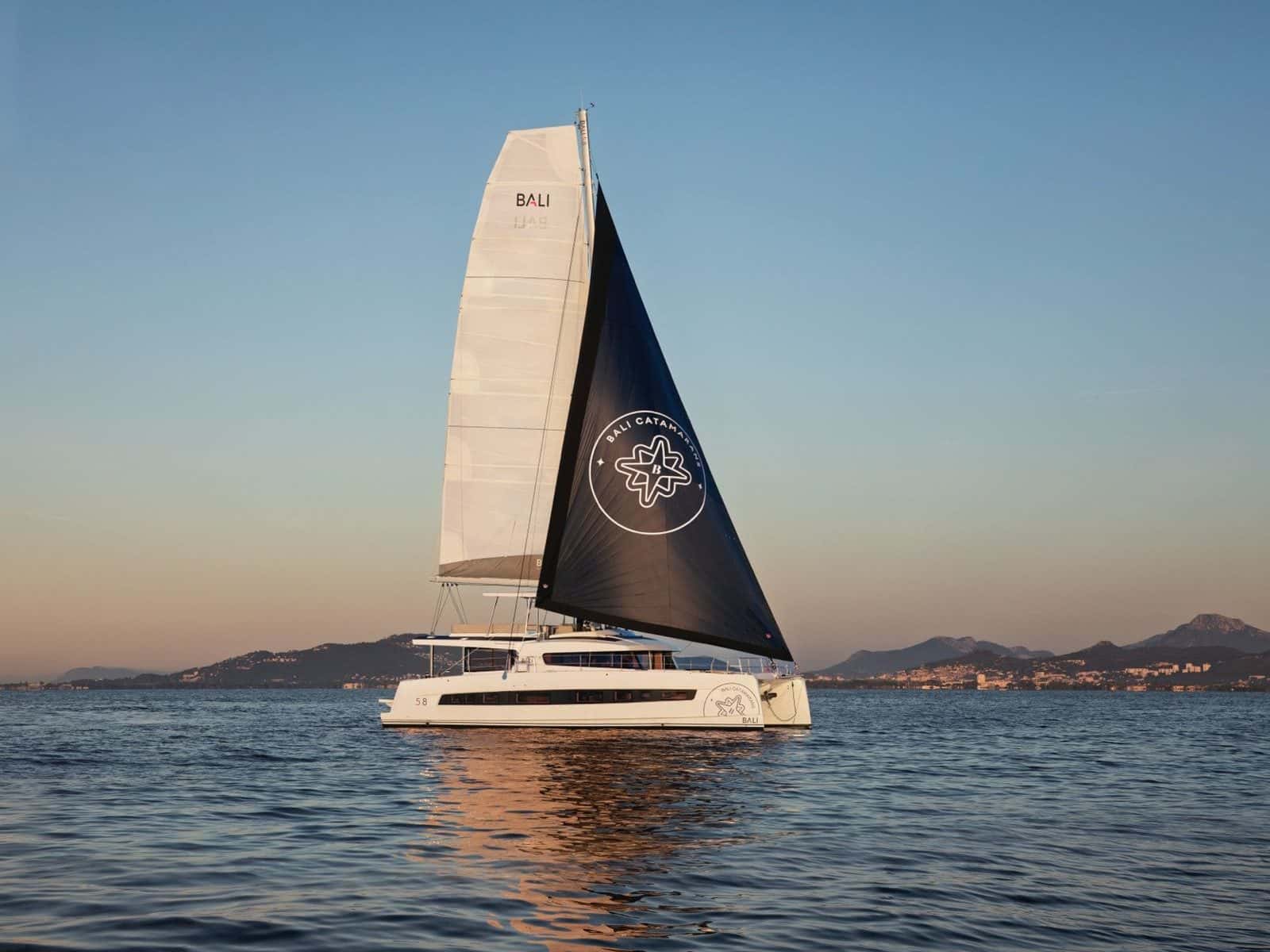
Bali 5.8
With skipperCatamaran
8 People · 4 Cabins · 17.7 m
Total price from €23,200 for 7 days
AndratxDetails

41 yachts
Bali 5.8
8 People · 4 Cabins · 17.7 m
Total price from €23,200 for 7 days
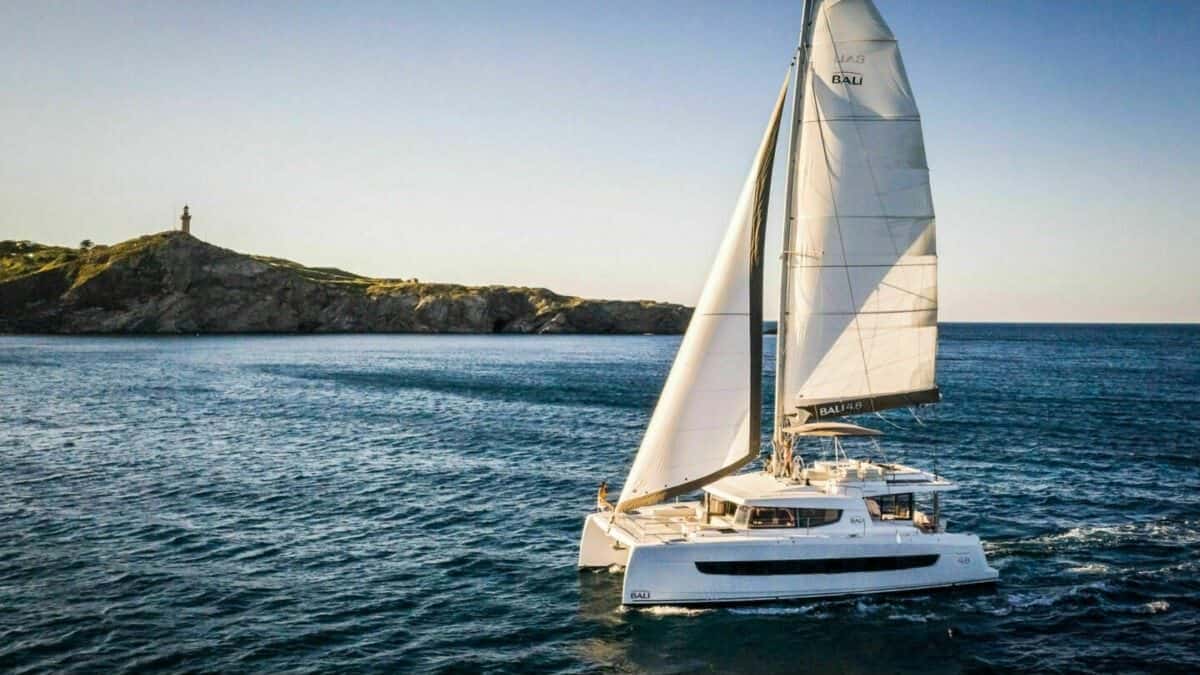
Bali 4.5
10 People · 4 Cabins · 13.6 m
Price on request
Voyage 440
10 People · 6 Cabins · 13.4 m
Price on request
Lagoon 46
8 People · 4 Cabins · 14 m
Price on request
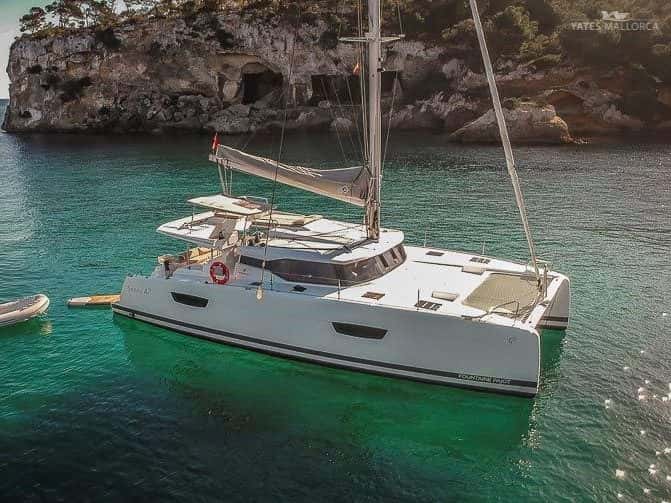
Saona 47
11 People · 5 Cabins · 13.9 m
Total price from €5,435 for 7 days
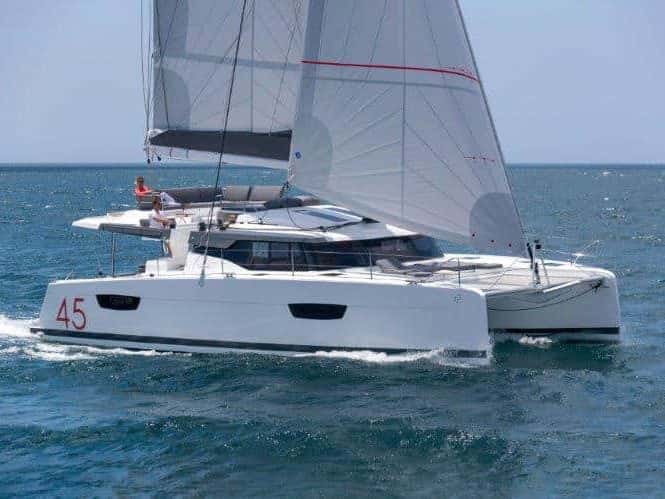
Elba 45
8 People · 4 Cabins · 13.5 m
Total price from €5,260 for 7 days
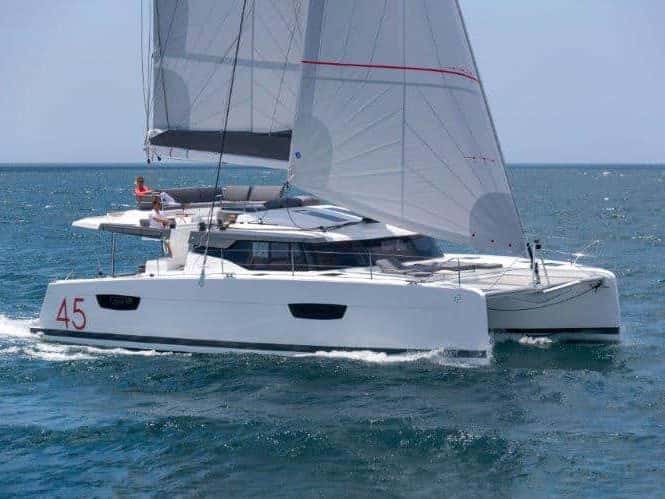
Elba 45
8 People · 4 Cabins · 13.5 m
Total price from €8,600 for 7 days
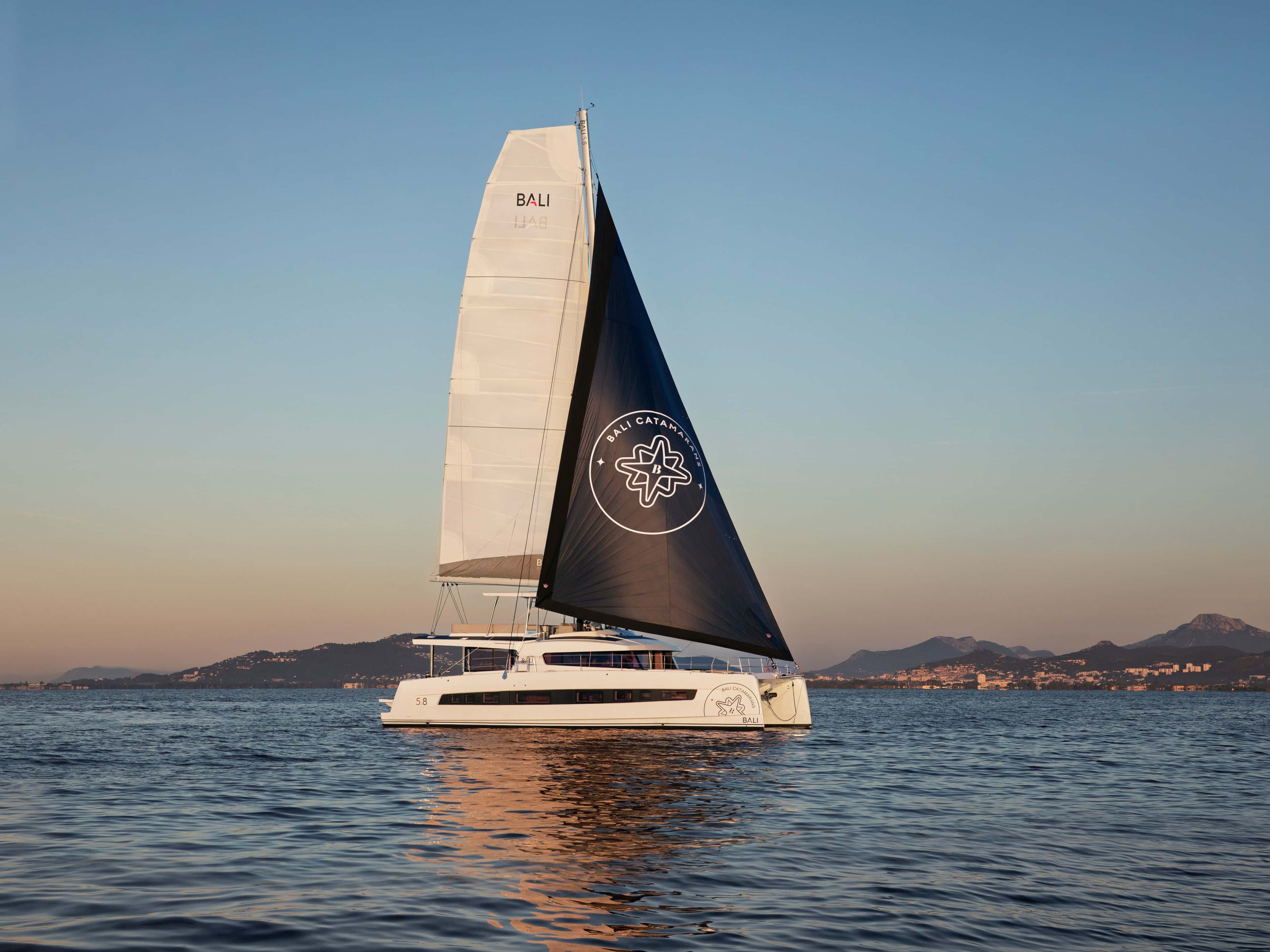
Bali 5.8
10 People · 5 Cabins · 17.7 m
Total price from €28,880 for 7 days

Bali 4.6
10 People · 5 Cabins · 14.3 m
Total price from €13,940 for 7 days
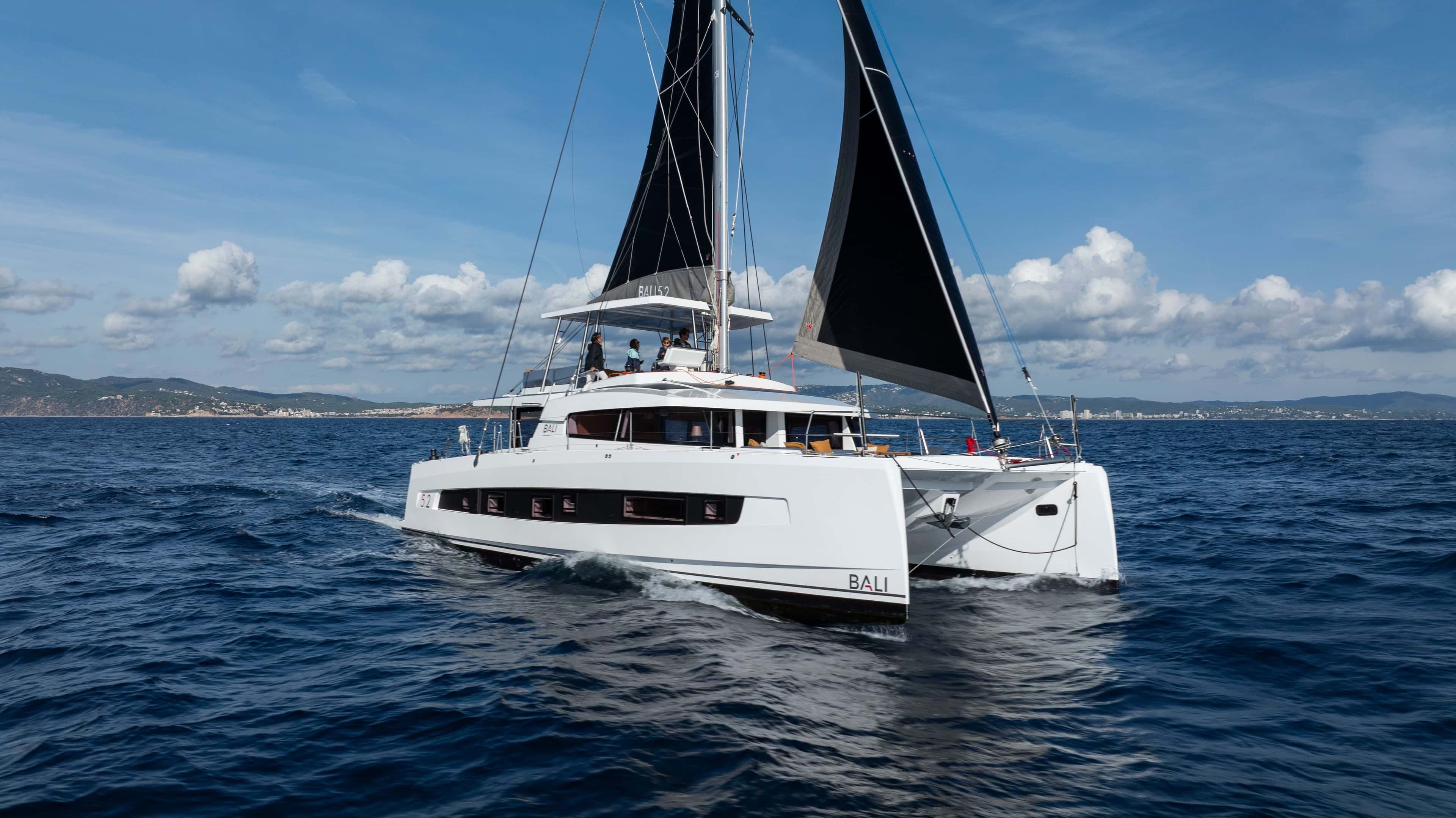
Bali 5.2
10 People · 5 Cabins · 15.9 m
Total price from €17,200 for 7 days

Lagoon 55
10 People · 5 Cabins · 18.3 m
Total price from €12,520 for 7 days
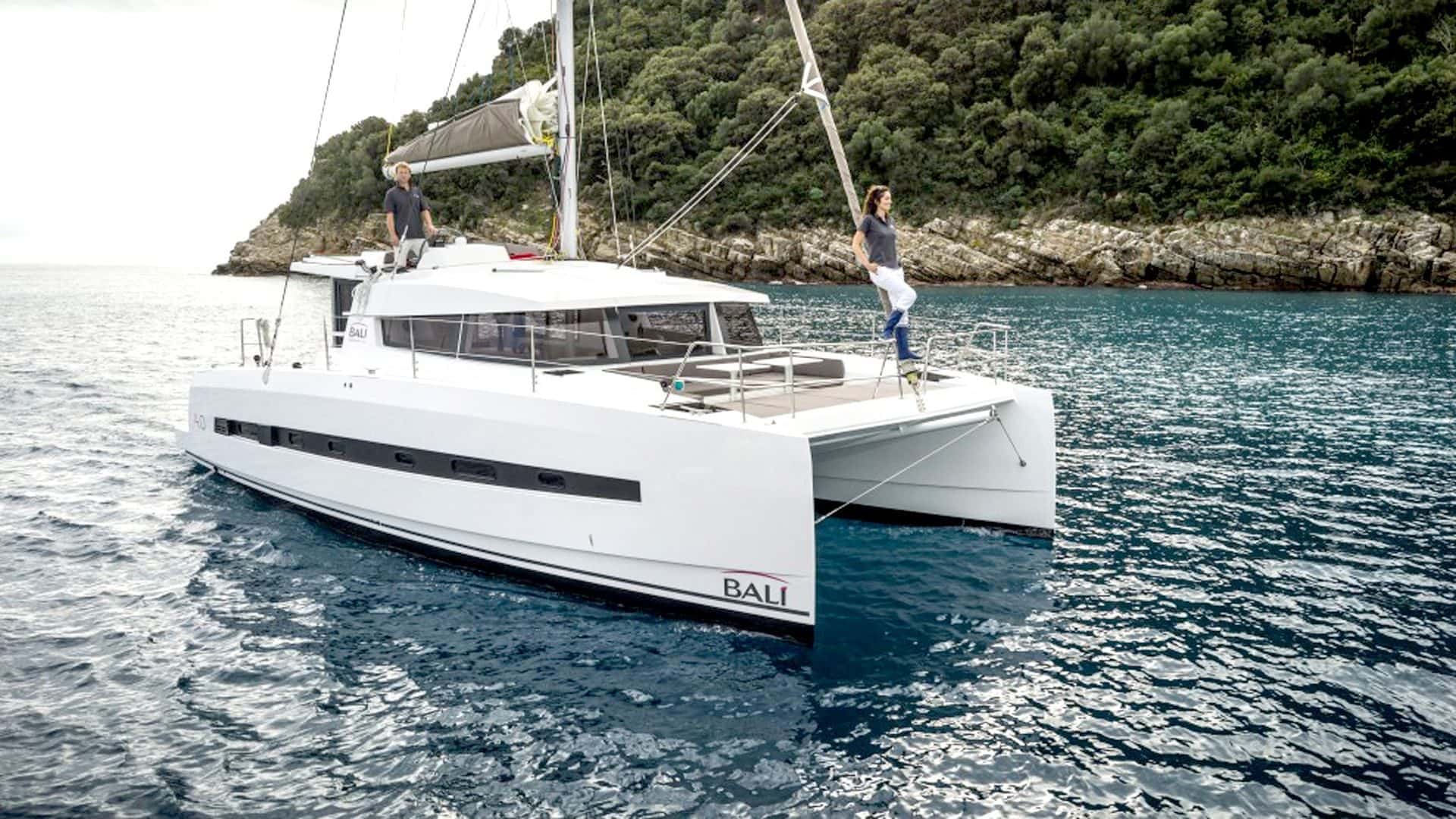
Bali 4.0
10 People · 4 Cabins · 12 m
Total price from €2,753 for 7 days
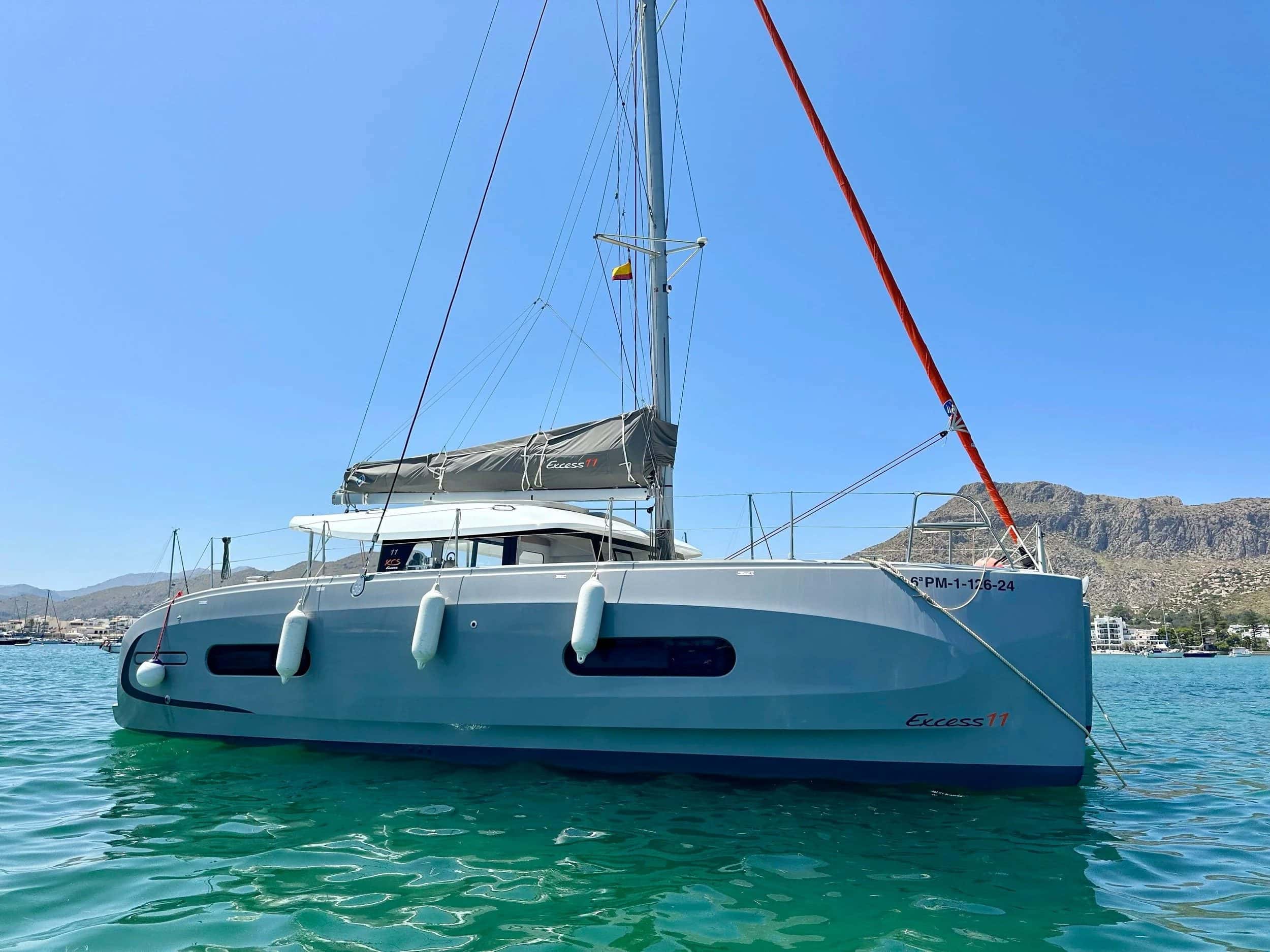
Excess 11
11 People · 4 Cabins · 11.3 m
Total price from €2,944 for 7 days
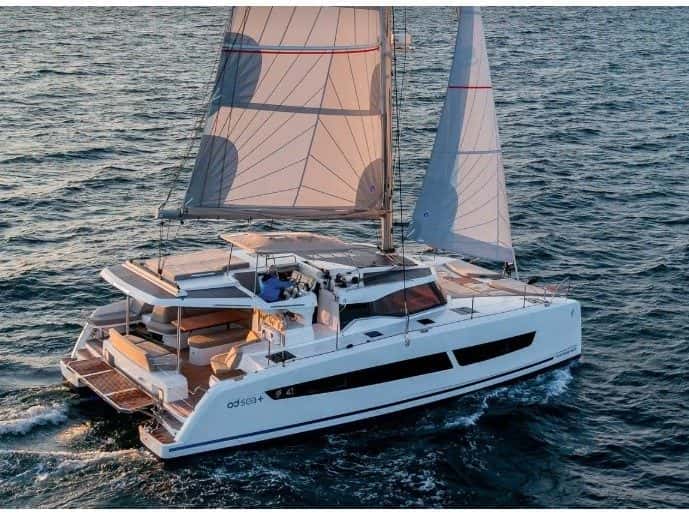
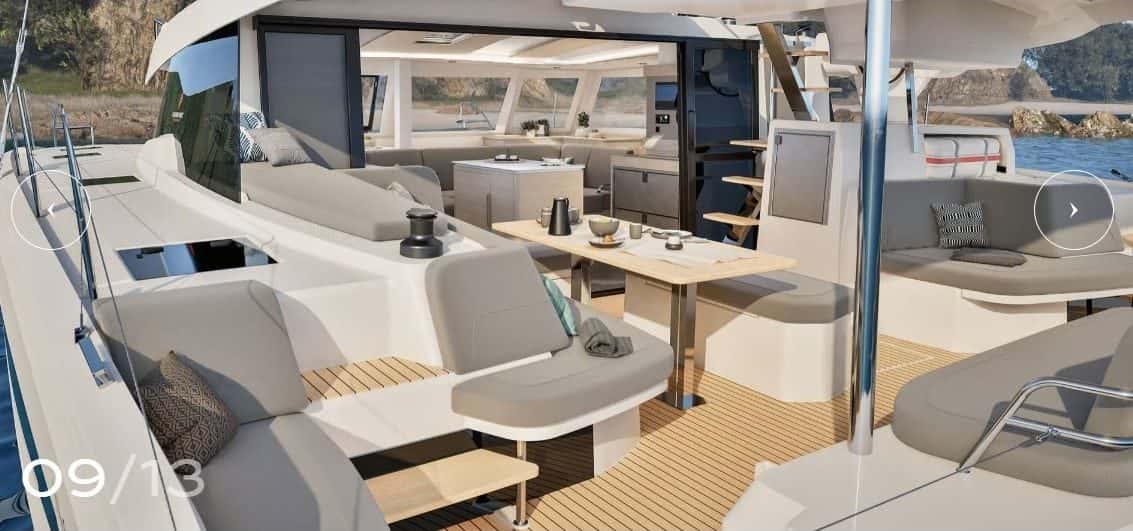
New 41
6 People · 3 Cabins · 12.1 m
Total price from €4,325 for 7 days
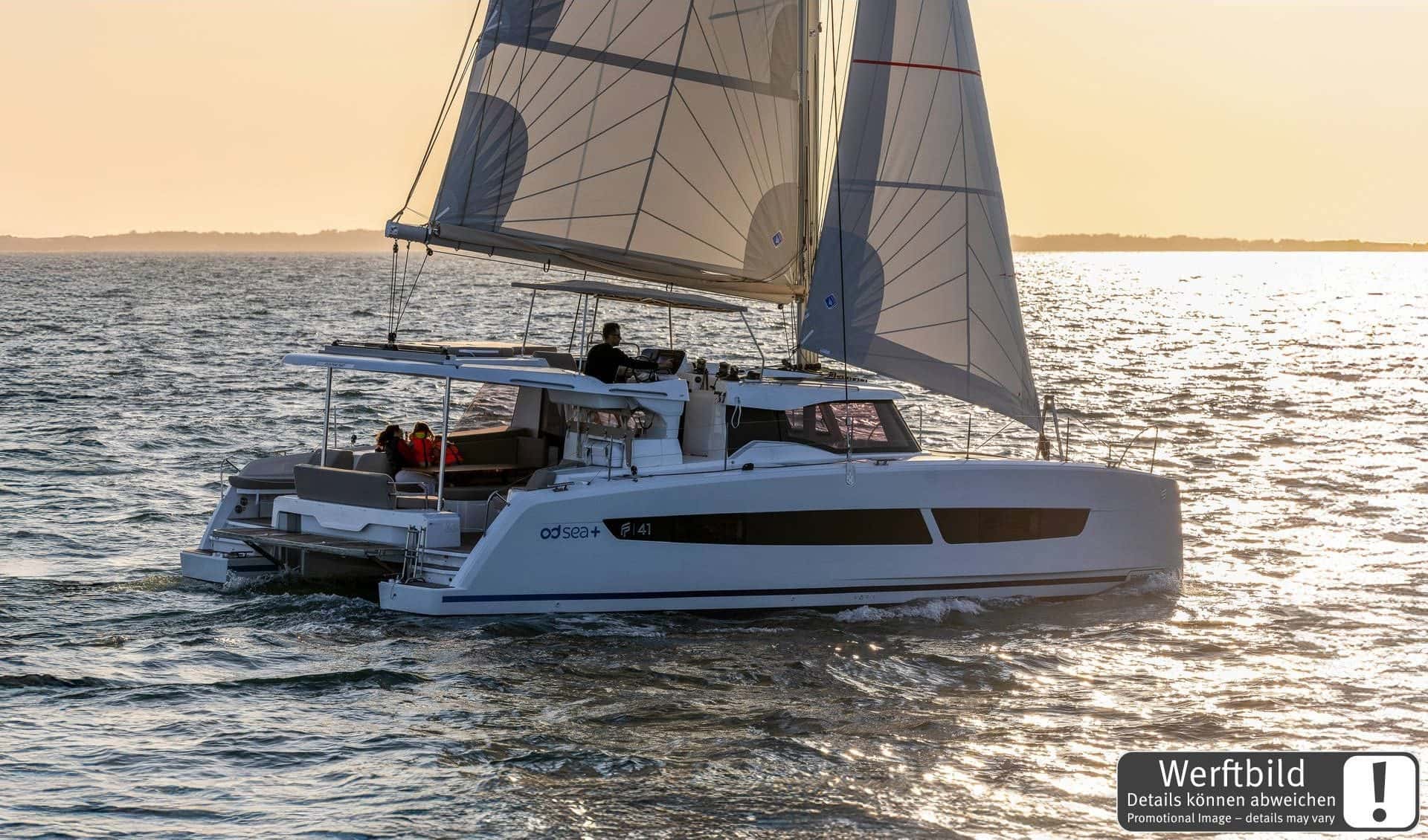
New 44
8 People · 4 Cabins · 13.3 m
Total price from €5,355 for 7 days
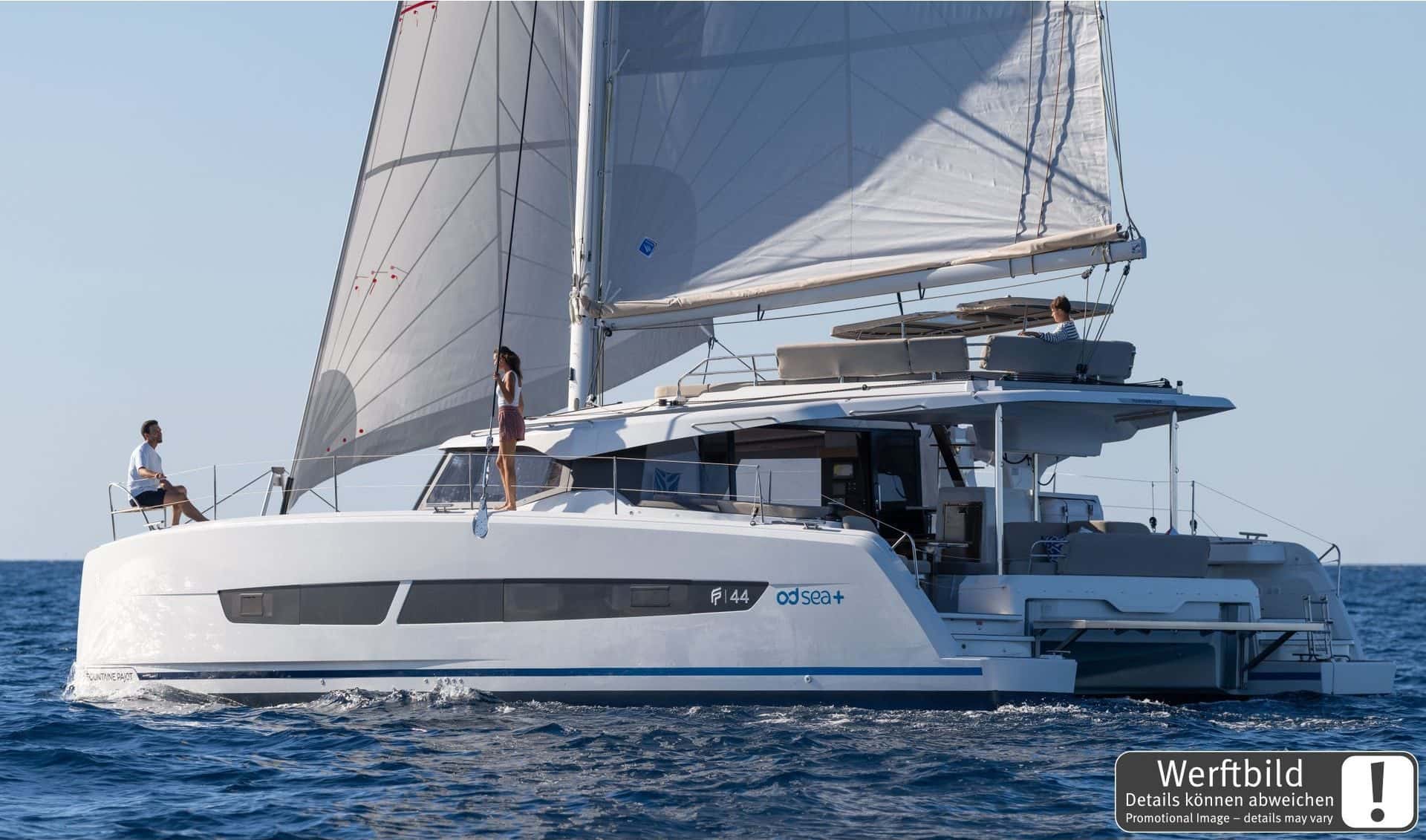
FP 41
8 People · 3 Cabins · 12.1 m
Total price from €3,200 for 7 days
FP 44
8 People · 3 Cabins · 13.3 m
Total price from €5,388 for 7 days

Nautitech 40 Open
10 People · 4 Cabins · 12 m
Price on request
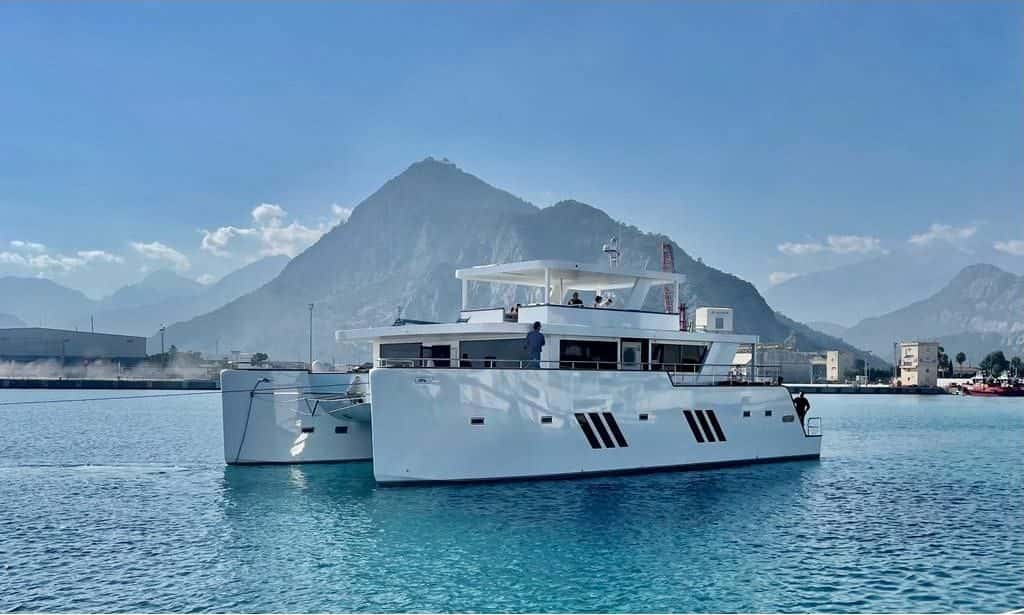
Ocean Beast 65
8 People · 4 Cabins · 19.9 m
Total price from €23,170 for 7 days
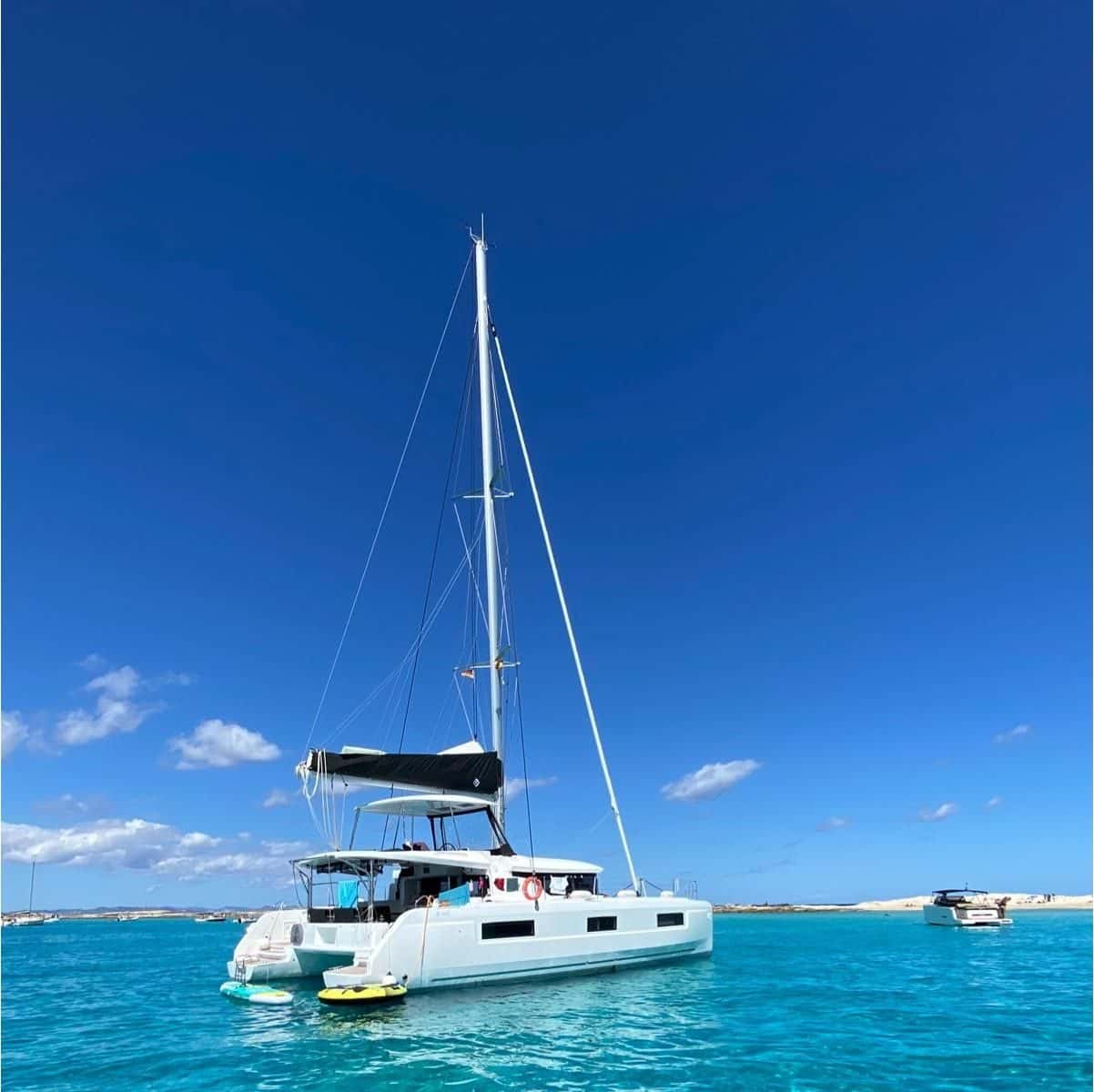
Lagoon 46
8 People · 4 Cabins · 14 m
Price on request
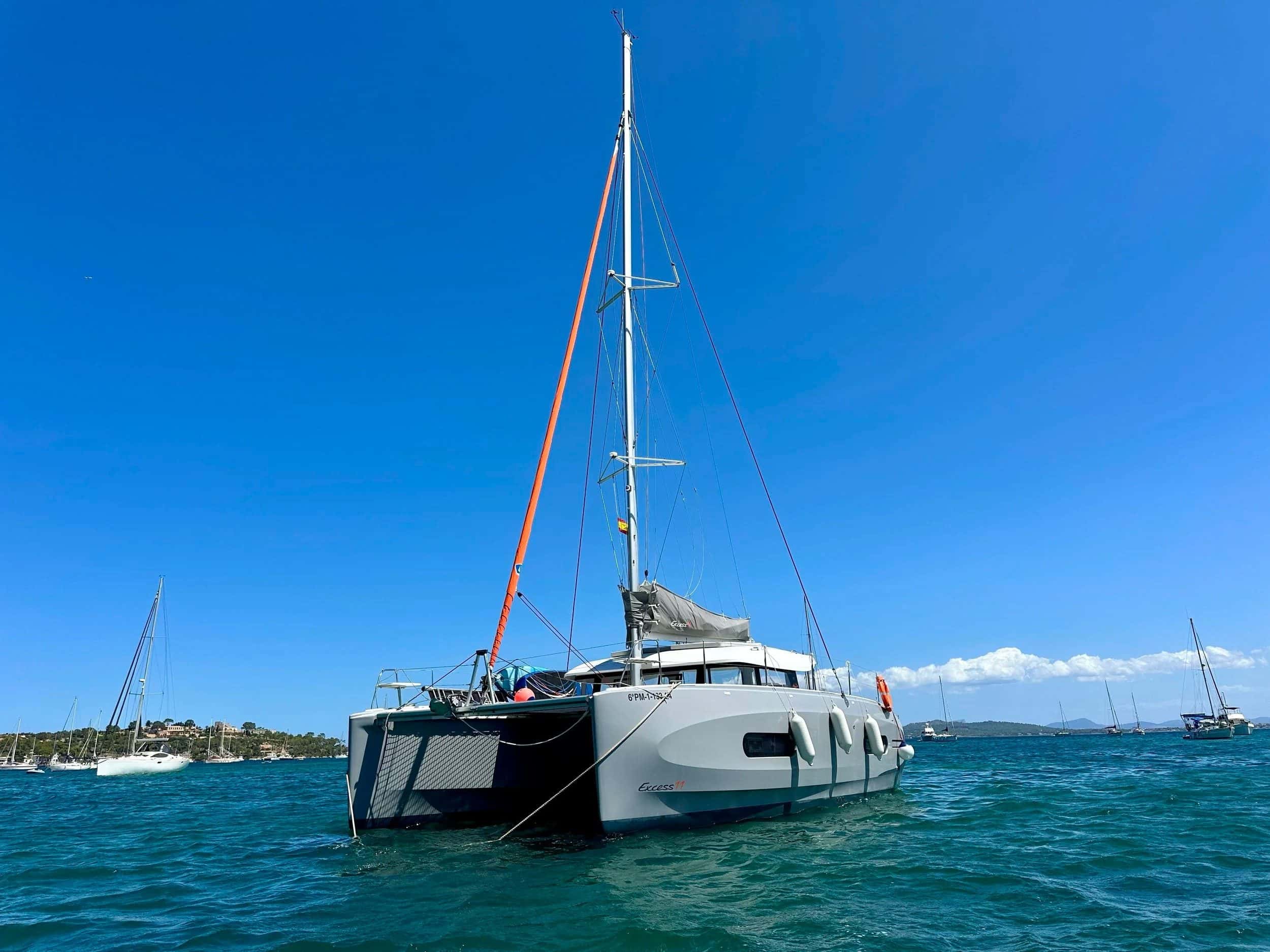
Excess 11
11 People · 4 Cabins · 11.3 m
Total price from €2,944 for 7 days
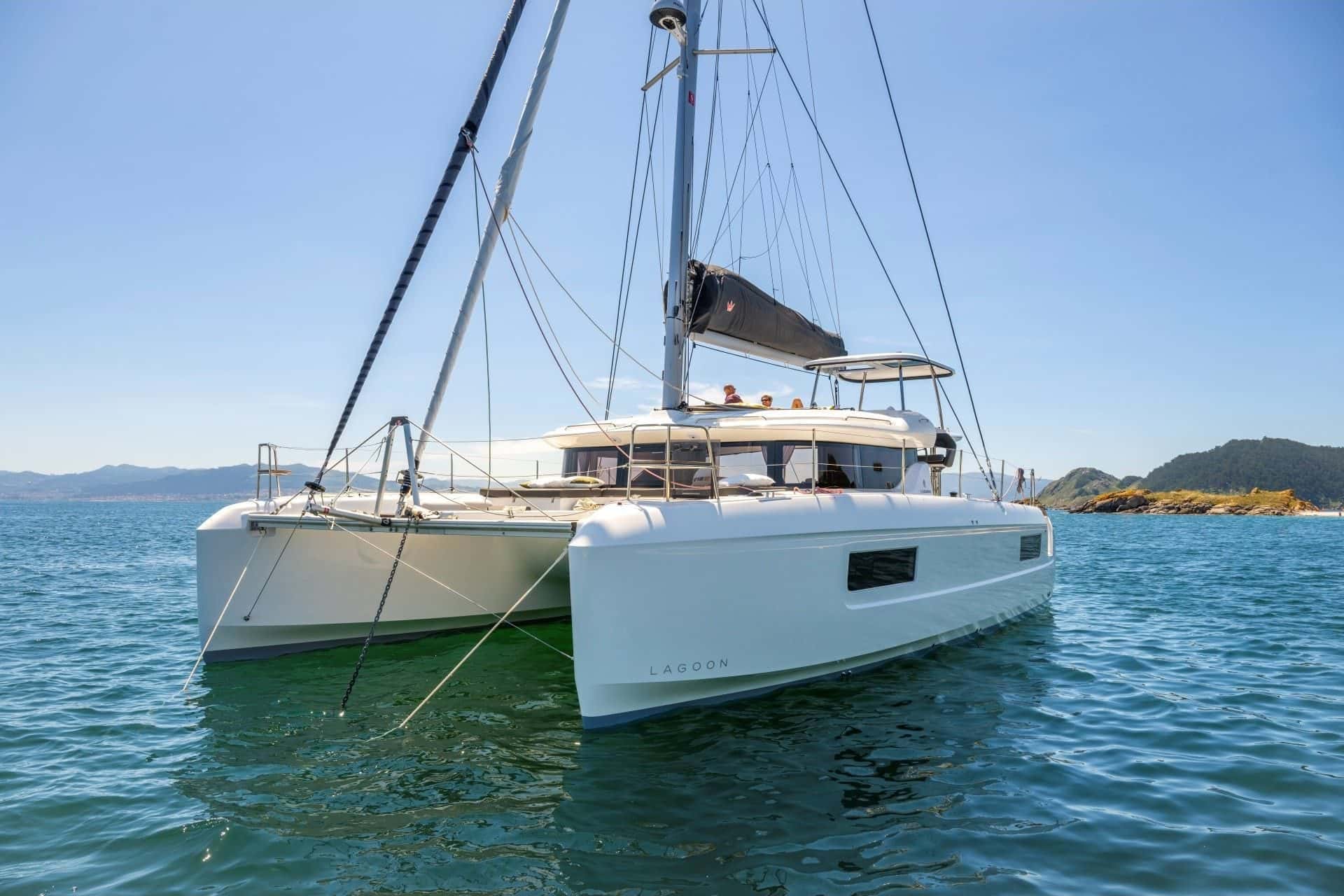
Lagoon 43
10 People · 4 Cabins · 13 m
Total price from €5,445 for 7 days
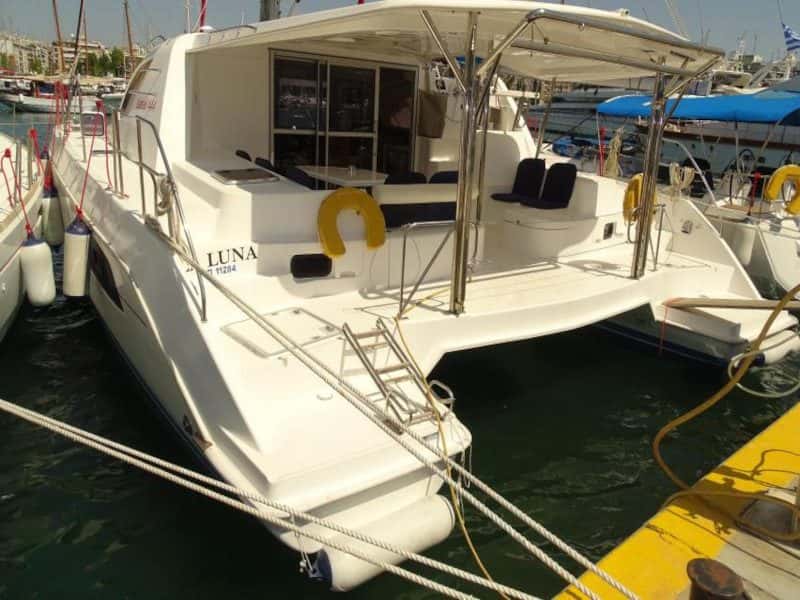
Leopard 44
10 People · 6 Cabins · 13.4 m
Price on request
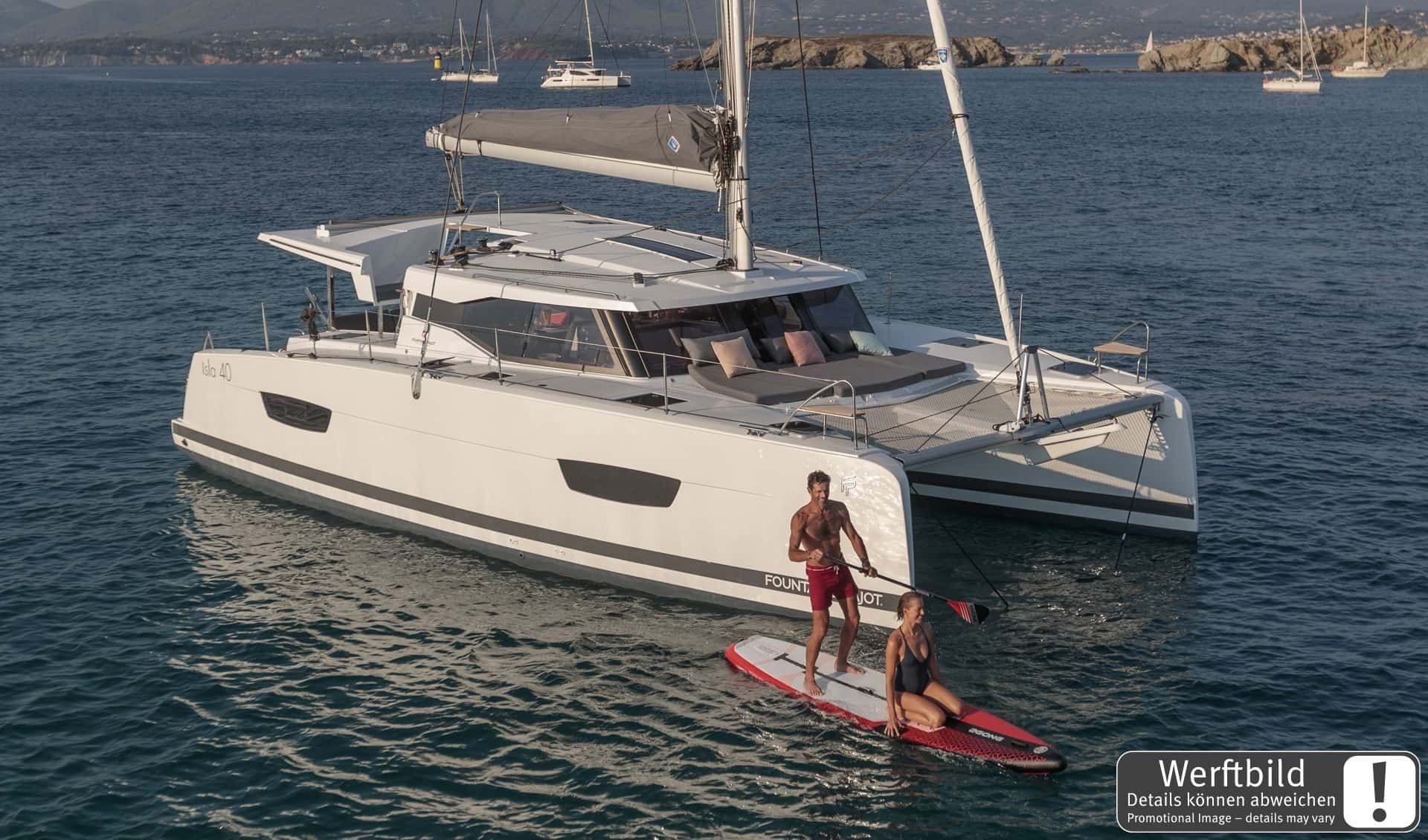
Isla 40
11 People · 5 Cabins · 11.9 m
Total price from €3,020 for 7 days
A Mallorca catamaran charter combines generous living space with the freedom to explore the island from the water. The twin-hull layout commonly offers a broad deck, a sociable cockpit and separate areas where guests can relax without feeling crowded. Catamarans also tend to remain relatively level while sailing, which many families and mixed-experience groups find comfortable. Actual handling, performance and onboard space vary by model, so compare layouts rather than choosing on length or appearance alone. Mallorca supports several styles of holiday. You might plan gentle day trips from one marina, arrange a one-way itinerary where permitted, or spend the charter moving between harbours and sheltered anchorages. The southwest provides convenient access to Palma and established marina services, while the north, east and west coasts offer contrasting scenery and different levels of shelter. Conditions can change around headlands and exposed stretches, making a flexible itinerary more useful than a rigid list of stops. Before booking, decide whether you want to sail without a skipper or with a skipper or crew. An experienced local professional can manage navigation and manoeuvres while helping the group choose suitable stops. Independent charter gives qualified sailors more control, but it also brings responsibility for planning, weather assessment, marina communication, anchoring and care of the yacht. In either case, read the operator's current terms carefully and verify what is included, which documents are accepted and what restrictions apply. The right catamaran is not simply the largest option. Consider the number and arrangement of cabins, bathroom access, cockpit shade, galley facilities, storage, tender arrangements and ease of boarding from the water. Ask how the yacht is equipped for the intended cruising area and season. A thoughtful match between the boat, the group and the itinerary usually matters more than an ambitious route.
The total cost of a Mallorca catamaran charter depends on more than the advertised yacht fee. Season, yacht size, age, layout, departure base, charter duration and booking demand can all influence the rate. A newer model with extensive accommodation and upgraded systems will generally sit in a different category from a simpler yacht designed around practical family cruising. Pricing structures also vary by operator, so compare the complete proposal rather than its headline figure. Start by confirming whether the quotation includes local taxes, final cleaning, bed linen, towels, tender use and standard safety equipment. Some services may be mandatory additions, while others are optional. Security deposits or damage-waiver arrangements can also differ. Ask when deposits are authorised, how they are released and what exclusions apply. If you select a charter with a skipper or crew, clarify professional fees, food arrangements, private cabin requirements and any travel-related costs before committing. Running expenses are another important part of the budget. Fuel use depends on the yacht, sea conditions, generator or climate-system use and the amount of motoring. Marina charges may vary with location, yacht dimensions, season and available services. Catamarans can require wider berths, which may affect both cost and availability. Mooring buoys, harbour facilities, water, shore power and waste services may be charged separately. Provisions, restaurant visits and transfers to the marina should also be included in your planning. A lower charter rate is not automatically better value. Examine maintenance standards, support arrangements, cancellation terms and the condition of included equipment. Check whether the yacht shown is the specific vessel being offered or an example of a class. If equipment such as air conditioning, a watermaker, paddleboards or onboard internet is important, request written confirmation because specifications can change and availability may be conditional. To control costs, choose a yacht that suits the group rather than paying for unused cabins, and build an itinerary that does not rely on constant engine use or premium marina stops. Shopping before departure can be convenient, but verify storage and refrigeration capacity. Leave room in the budget for weather-related plan changes, extra harbour nights and services that cannot be predicted in advance. Always request a current itemised quotation from the operator.
| Month | Air ↑ (°C) | Air ↓ (°C) | Water (°C) | Sunshine hours (h/d) | Wind (km/h) |
|---|---|---|---|---|---|
| January | 15.4 °C | 5.2 °C | 14.5 °C | 5.5 h/d | 13 km/h |
| February | 15.7 °C | 5 °C | 13.7 °C | 6.1 h/d | 13.4 km/h |
| March | 17.6 °C | 6.4 °C | 13.9 °C | 6.7 h/d | 13.7 km/h |
| April | 19.3 °C | 8 °C | 14.9 °C | 7.3 h/d | 14 km/h |
| May | 22.7 °C | 11.4 °C | 17 °C | 9.4 h/d | 13.4 km/h |
| June | 26.9 °C | 15.6 °C | 21 °C | 10.4 h/d | 13 km/h |
| July | 29.7 °C | 18.4 °C | 24.3 °C | 11.1 h/d | 12.6 km/h |
| August | 30.2 °C | 19 °C | 26.2 °C | 10.3 h/d | 12.2 km/h |
| September | 27 °C | 16.6 °C | 24.7 °C | 7.9 h/d | 11.9 km/h |
| October | 23.2 °C | 13.4 °C | 22 °C | 6.4 h/d | 12.2 km/h |
| November | 19.1 °C | 9.1 °C | 18.7 °C | 5.4 h/d | 12.6 km/h |
| December | 16.2 °C | 6.6 °C | 16 °C | 4.9 h/d | 13 km/h |
Mallorca has a Mediterranean sailing environment, but there is no single best period for every group. Warmer, busier parts of the year may suit travellers focused on swimming, lively ports and long days outdoors. Quieter periods can appeal to sailors who prefer less activity ashore and greater flexibility, although some tourism services may operate differently outside peak demand. Yacht choice and marina availability may also vary, so check current conditions for your intended dates. Local wind and sea state can shift during a charter. Thermal breezes may develop through the day, while broader weather systems can bring stronger wind, swell or rain. Conditions on one side of the island do not necessarily represent conditions elsewhere. Mountainous terrain and headlands can influence airflow, and exposed passages can feel very different from sheltered bays. Forecast interpretation should therefore cover the full route rather than only the departure harbour. Summer heat makes shade, ventilation and water management particularly important. Ask about cockpit covers, cabin airflow and any onboard cooling systems, including limits on when they can be used. Sun protection, hydration and conservative activity planning are sensible even when the breeze makes the temperature feel comfortable. In cooler or more changeable periods, pack layers and waterproof clothing rather than relying on the conditions experienced ashore. A good itinerary includes alternatives. Identify nearby harbours or anchorages that offer a practical fallback if wind direction, swell, visibility or berth availability changes. Do not assume that a picturesque cove will provide suitable overnight shelter. Depth, seabed, local restrictions, traffic and forecast conditions all need assessment on arrival. The skipper remains responsible for deciding whether a stop is safe and appropriate. Use current marine forecasts and navigational information throughout the trip. Port notices, protected-area rules and temporary restrictions can change. If sailing without a skipper, make sure someone aboard is confident making conservative decisions and is willing to shorten or abandon a planned passage. If you are sailing with a skipper or crew, discuss your priorities openly but respect the professional's final safety decisions. For seasonal advice specific to your dates, consult the operator and relevant official maritime sources shortly before departure.
Palma and the surrounding southwest are common starting points for exploring Mallorca by catamaran. This area can be convenient for transfers, provisioning and marine services, while nearby coastal options allow a trip to begin without committing immediately to a long passage. Palma itself offers an urban contrast to quieter anchorages, but berth demand and harbour procedures should be checked in advance. Farther west, the coast toward Andratx combines developed ports with rocky scenery and smaller coves. It can work well for groups that want a mixture of meals ashore and time at anchor. As elsewhere, a cove that is attractive during the day may not be suitable overnight when swell or wind changes. Confirm anchoring rules and avoid relying on a single destination. The west coast around the Serra de Tramuntana has a dramatic character, with steep terrain and fewer obvious refuge options than more developed cruising areas. Port de Soller is a notable harbour in this region, but sailors should not treat it as guaranteed accommodation. Exposure, changing weather and limited alternatives can make this coast more demanding. Plan conservatively, check berth or mooring arrangements where possible and keep enough flexibility to turn back or select another area. In the north, the broad cruising areas around Pollenca and Alcudia can support relaxed exploration, marina visits and anchorage planning. Capes and open-water approaches deserve careful forecast assessment, particularly when wind and swell are unfavourable. Local traffic, swimming zones and protected areas may affect where a catamaran can anchor or operate. Use up-to-date charts and official notices rather than following old itinerary descriptions without verification. The east coast is known for a succession of ports and cala-style inlets. Bases and stopping points around Cala d'Or and Portocolom may suit a holiday built around shorter coastal moves, provided conditions and space cooperate. Popular inlets can become busy, and their narrow shape does not guarantee protection from every wind or swell direction. Approach cautiously, maintain room for other vessels and be prepared to leave if the setting becomes uncomfortable. When designing a route, distinguish between a destination wish list and a safe passage plan. Consider the experience of the group, the yacht's draught and beam, forecast conditions, daylight, fuel, water, marina policies and environmental restrictions. Some sensitive areas may limit anchoring or require the use of designated moorings. Reservations may be recommended or required in certain places, but procedures can change. Ask the charter operator for current guidance and consult harbour authorities or official conservation sources before relying on a particular stop.
The documents needed to charter a catamaran in Mallorca depend on the yacht, the operator's policy, the skipper's qualifications and the intended use. A certificate that is accepted in one country or by one company is not automatically accepted for every Spanish charter. Operators may examine both formal certification and evidence of practical experience, especially for a larger catamaran. If you want to sail without a skipper, send clear copies of all relevant certificates to the operator before paying a non-refundable amount. Ask for written confirmation that the documents are accepted for the specific yacht. The operator may request a sailing résumé showing experience with similar vessel dimensions, twin-engine manoeuvring, anchoring, marina approaches and coastal navigation. A radio qualification or additional documentation may also be requested, depending on current rules and company policy. Do not assume that ownership of a licence guarantees handover. The operator may require a practical assessment and can impose conditions if the nominated skipper does not demonstrate adequate control. Catamarans have handling characteristics that differ from those of many single-hull sailing yachts, particularly when turning in restricted spaces, dealing with windage or using separate engines. If your recent experience is limited, training or hiring a professional skipper may be the more comfortable choice. For a charter with a skipper or crew, ask who supplies the professional and how responsibility is allocated. Confirm sleeping arrangements, meals and the scope of duties. A skipper normally focuses on operation and safety; hosting, cooking, childcare and constant itinerary planning should not be assumed unless those services are explicitly included. Guests should carry valid travel documents and any paperwork required by the operator. Rules can change, and individual circumstances may affect what is needed. Verify current legal requirements with the charter company and appropriate Spanish maritime or consular authorities. This page offers general planning guidance, not legal confirmation of eligibility.
It can be. The wide social areas and relatively level sailing posture often appeal to families and groups with mixed experience. However, size and windage can make marina manoeuvres demanding. First-time charter guests may prefer a professional skipper, while experienced sailors should still choose a model that matches their recent practice.
Choose according to qualifications, recent experience and the kind of holiday you want. Sailing without a skipper offers independence but places navigation, weather decisions, yacht care and harbour manoeuvres on your group. A professional skipper reduces that workload and can provide local insight. Confirm duties, cabin needs and expenses in writing.
There is no universal rule because demand, reservation systems and harbour policies vary. Contact intended marinas before the charter and recheck during the trip. Keep alternative stops available, since a reservation may be unavailable or conditions may make another harbour preferable. Your operator can explain current local procedures.
That should not be assumed. A safe overnight anchorage depends on forecast wind and swell, depth, seabed holding, local restrictions and room around the yacht. Some areas protect sensitive seabeds or direct boats to designated moorings. Plan a mixture of options and let safety take priority over the preferred itinerary.
Bring soft luggage, non-marking deck footwear, sun protection, practical swimwear, light layers and weather protection suited to the forecast. Personal medication and charging cables are easy to overlook. Ask whether towels, bedding, snorkelling equipment and safety gear are supplied. Avoid rigid cases unless the yacht has confirmed storage for them.
Inclusions differ by operator and yacht. The base offer may not cover cleaning, linen, fuel, marina fees, professional services, provisions or optional equipment. Request an itemised quotation and equipment list. Confirm every feature that matters to your group in writing rather than relying on photographs or a general model description.
Many families value the space and separate living zones, but adult supervision remains essential. Ask about guardrails, netting, access to the water, cabin security and available child-size safety equipment. Establish clear onboard rules and discuss the children's ages with the operator. No yacht layout removes the need for active supervision.
You can create a preferred route, but it should remain flexible. Weather, berth availability, local restrictions, yacht condition and group comfort may require changes. Prepare alternatives for each part of the island and avoid treating any anchorage as guaranteed. The skipper should make the final operational and safety decisions.
Data powered by Booking Manager