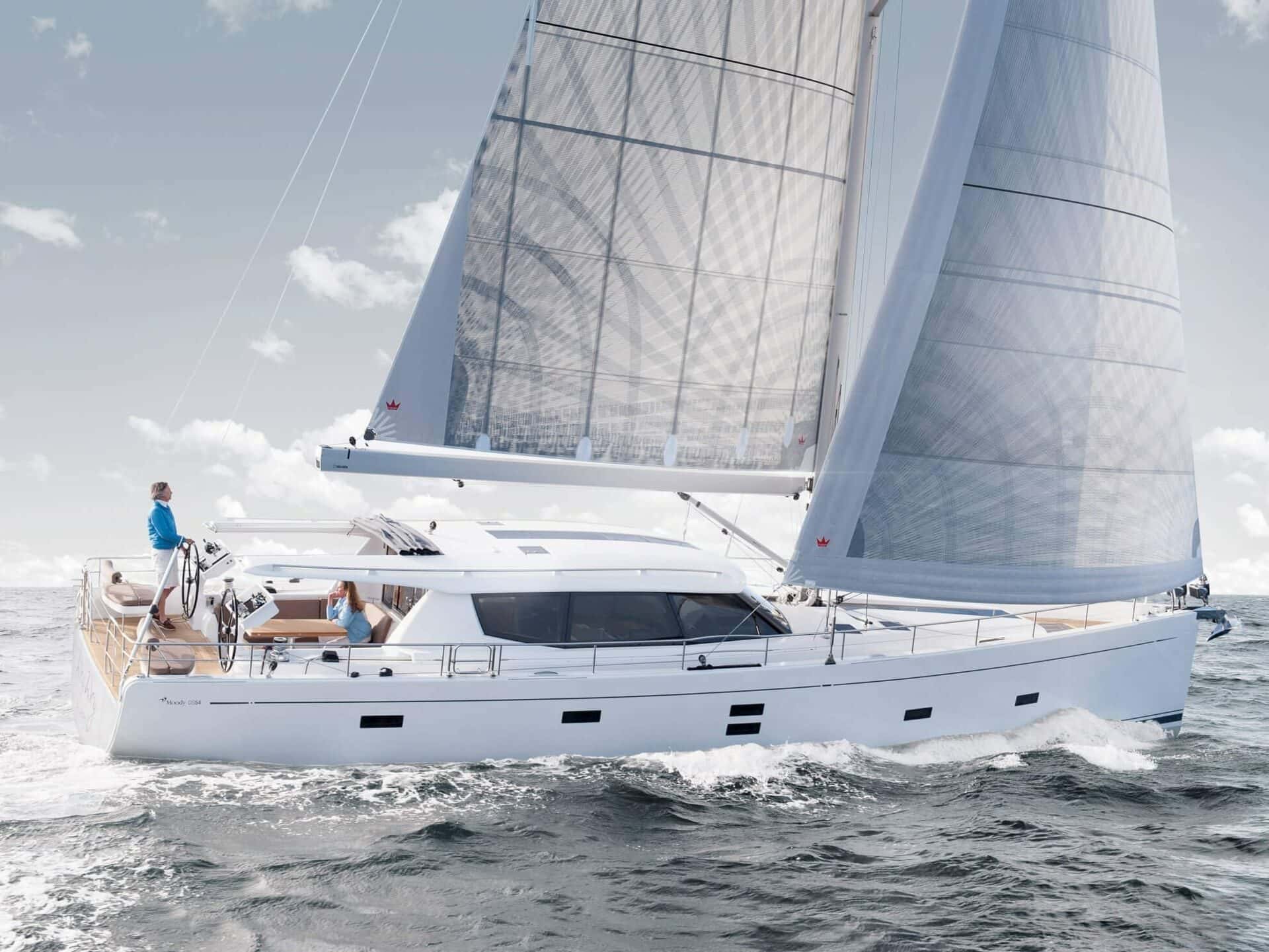
1/6
Adventuro
Moody 54
Without skipperSailing yacht
8 People · 4 Cabins · 17.2 m
Total price from €8,500 for 7 days
Can PastillaDetails

73 yachts
Moody 54
8 People · 4 Cabins · 17.2 m
Total price from €8,500 for 7 days
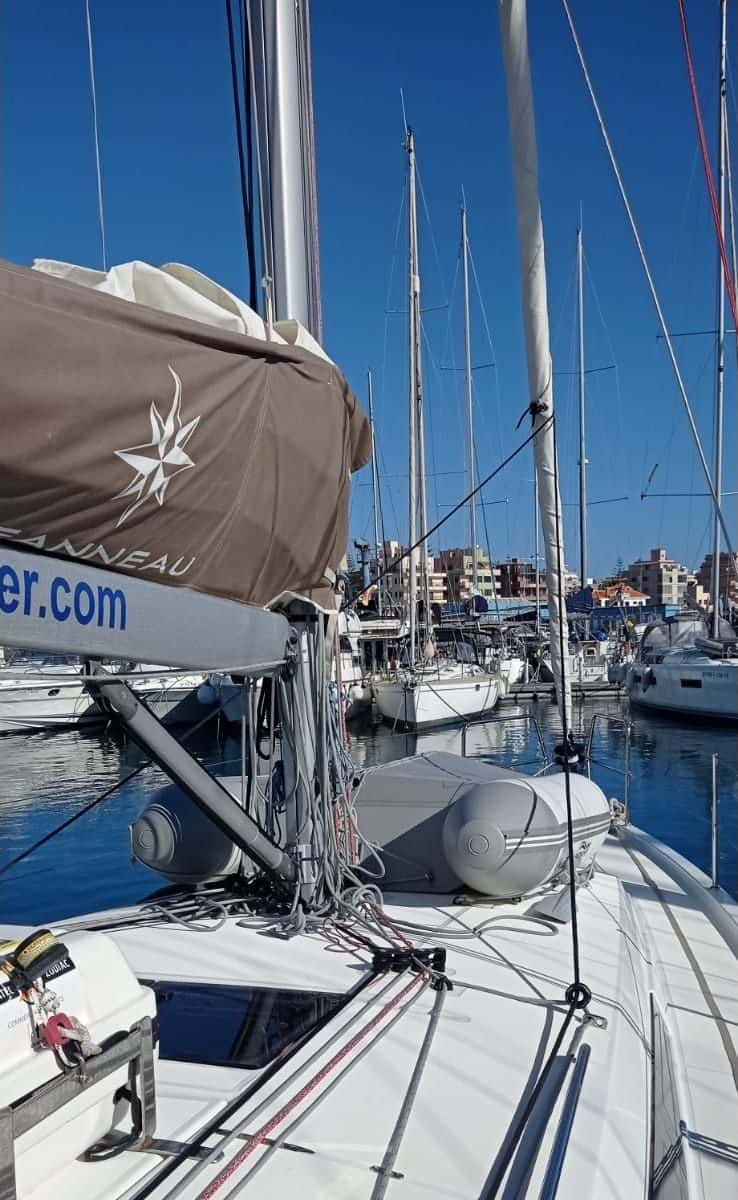
Sun Odyssey 410
8 People · 3 Cabins · 12.4 m
Total price from €2,365 for 7 days
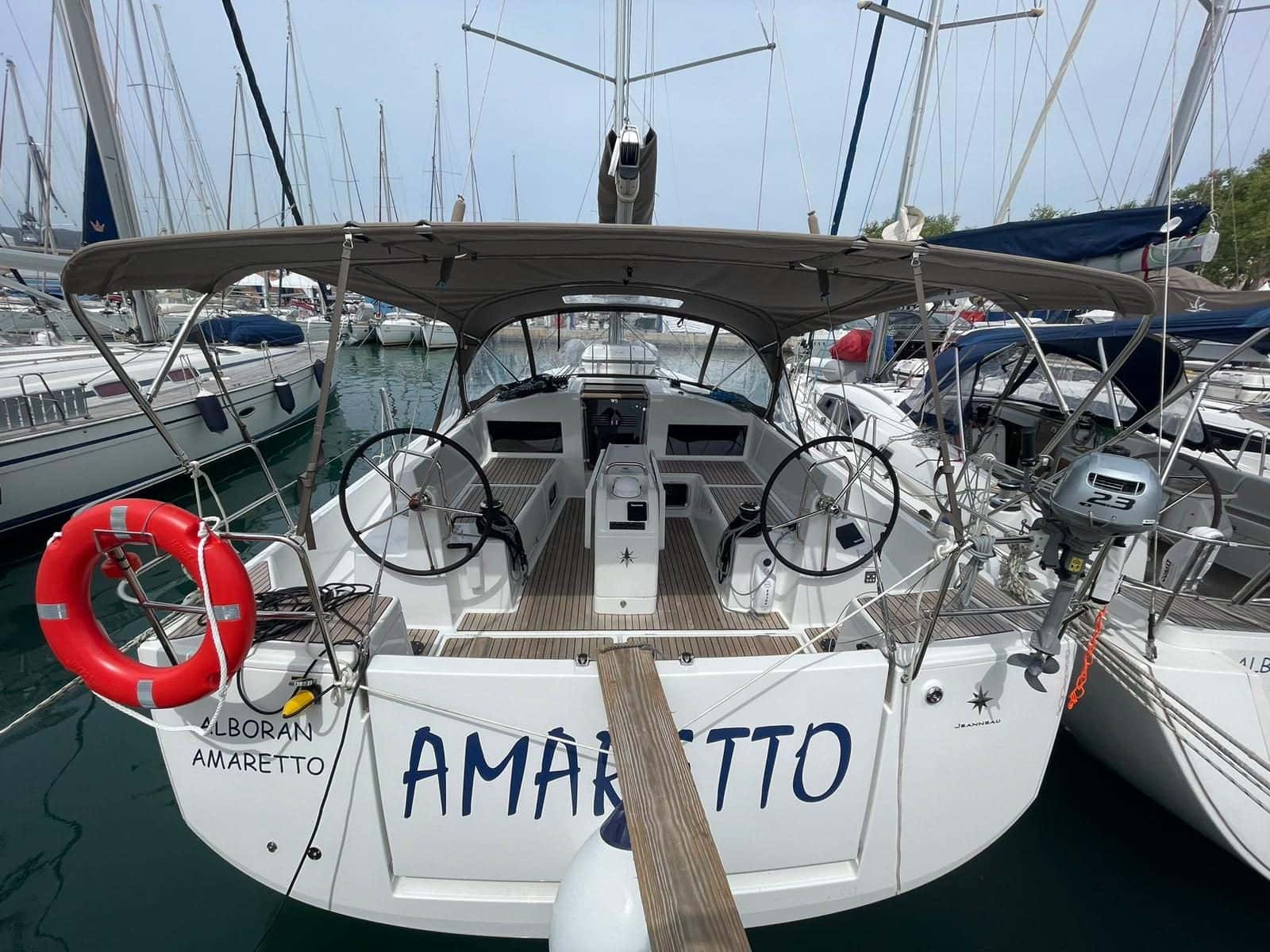
Sun Odyssey 440
10 People · 4 Cabins · 13.4 m
Total price from €3,260 for 7 days
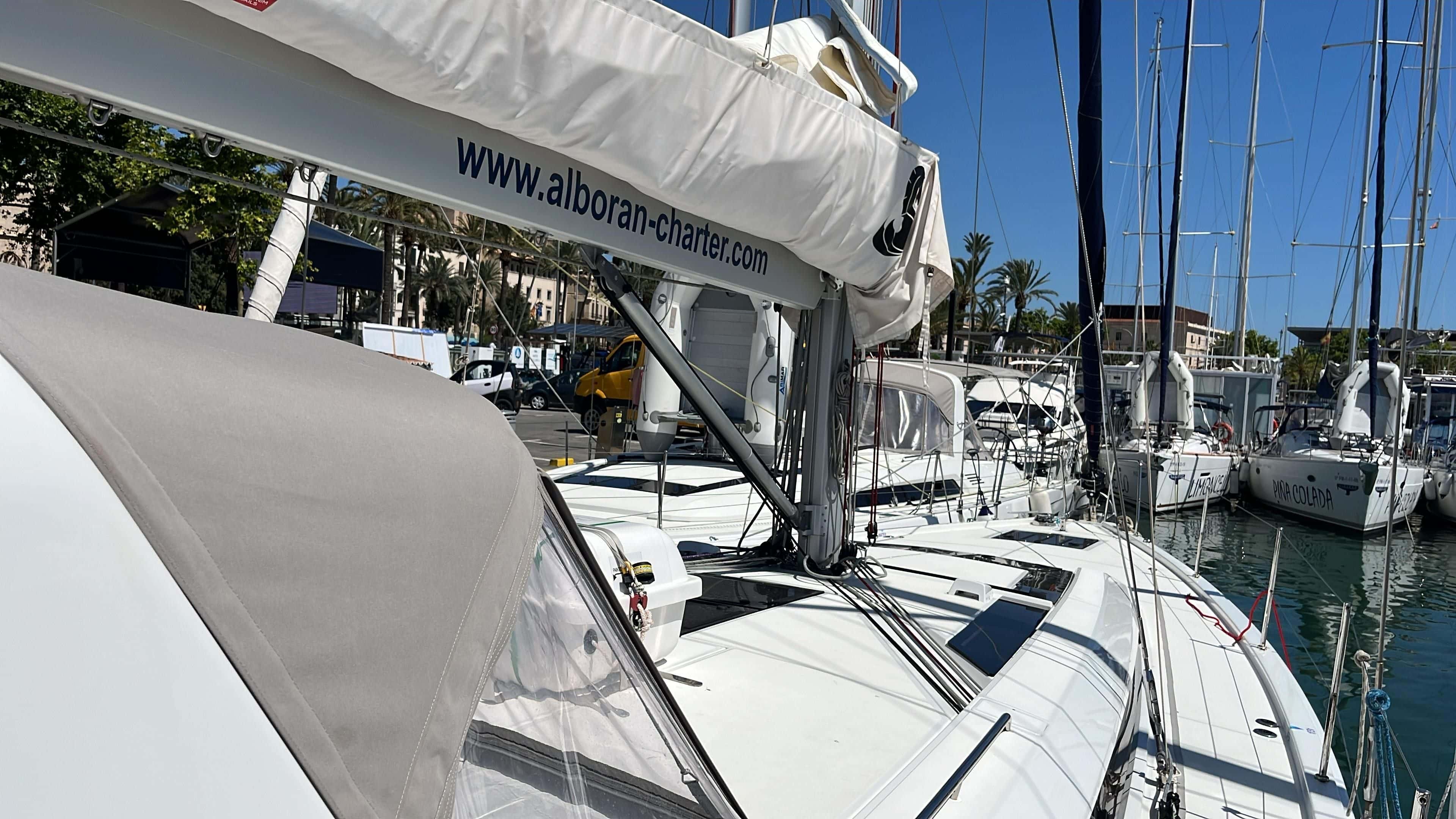
Oceanis 51.1
12 People · 5 Cabins · 15 m
Total price from €4,395 for 7 days
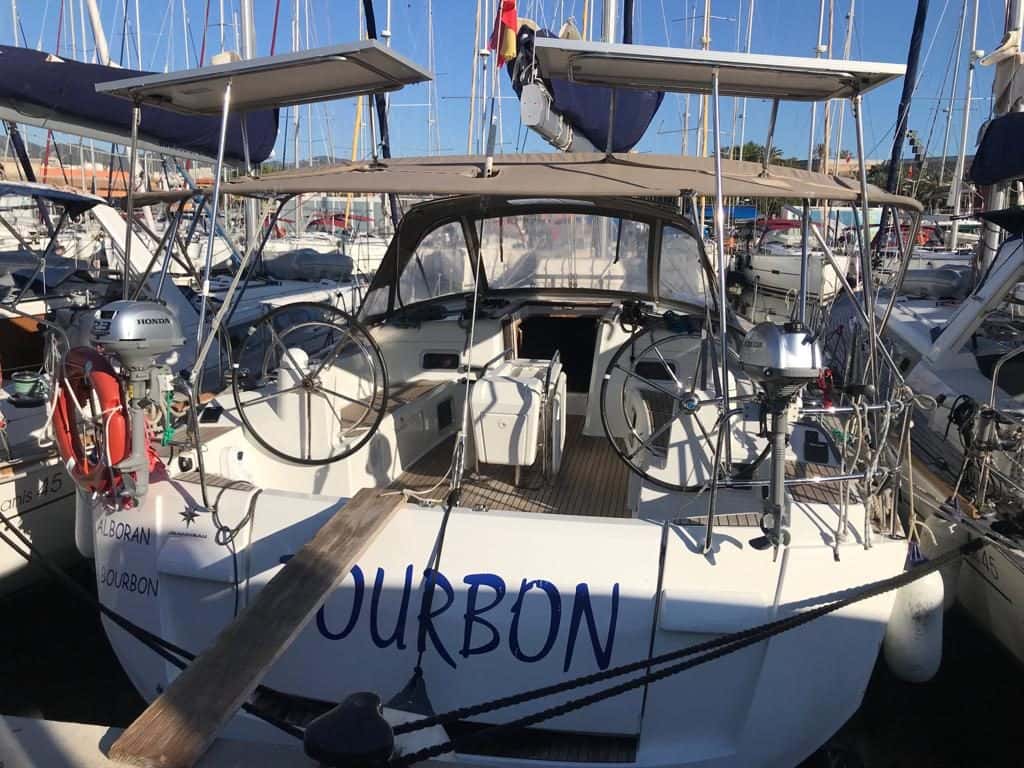
Sun Odyssey 519
12 People · 5 Cabins · 15.8 m
Total price from €2,208 for 7 days
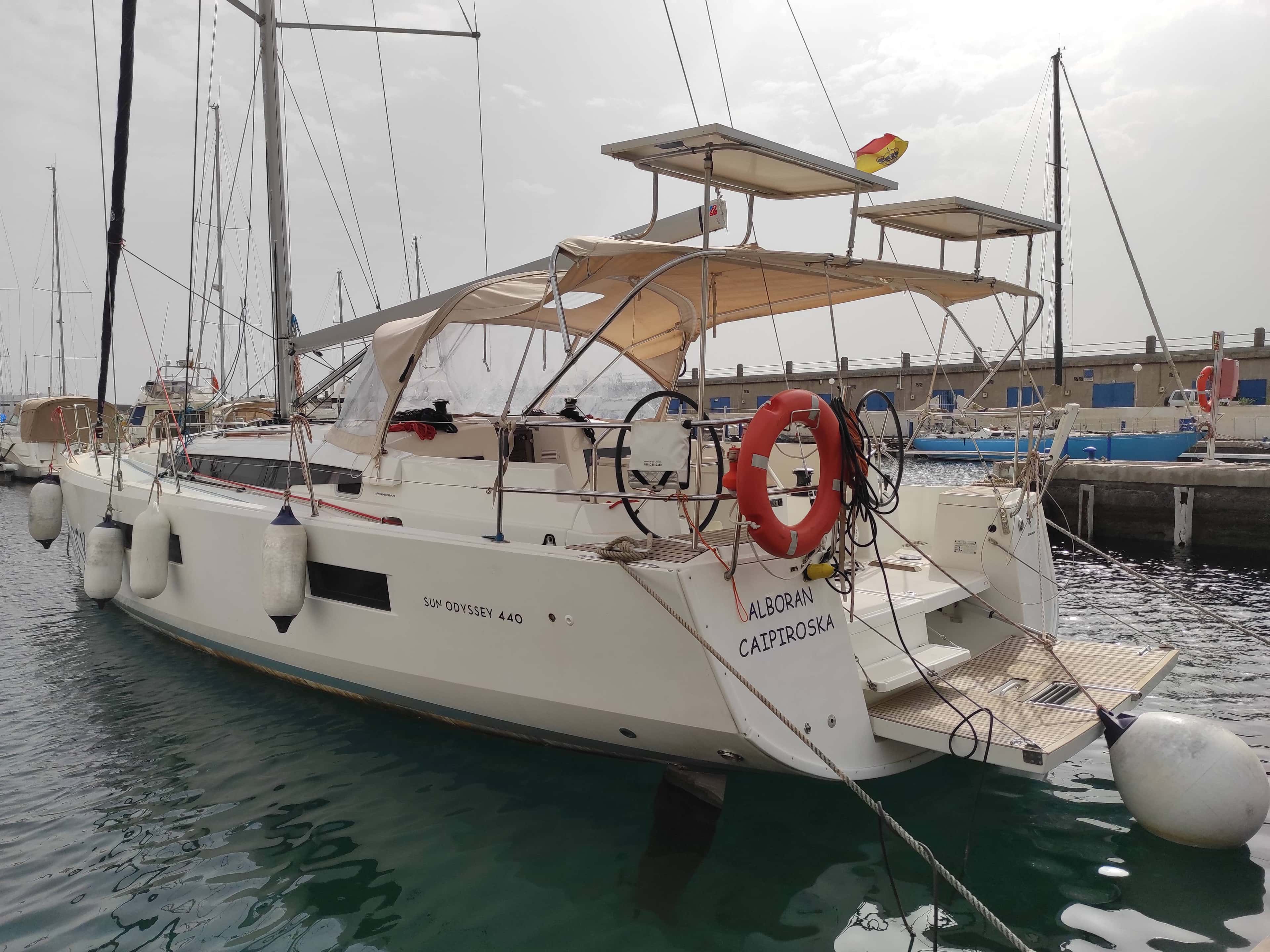
Sun Odyssey 440
10 People · 4 Cabins · 14.4 m
Total price from €3,605 for 7 days
Sun Odyssey 519
12 People · 5 Cabins · 15.8 m
Total price from €3,193 for 7 days
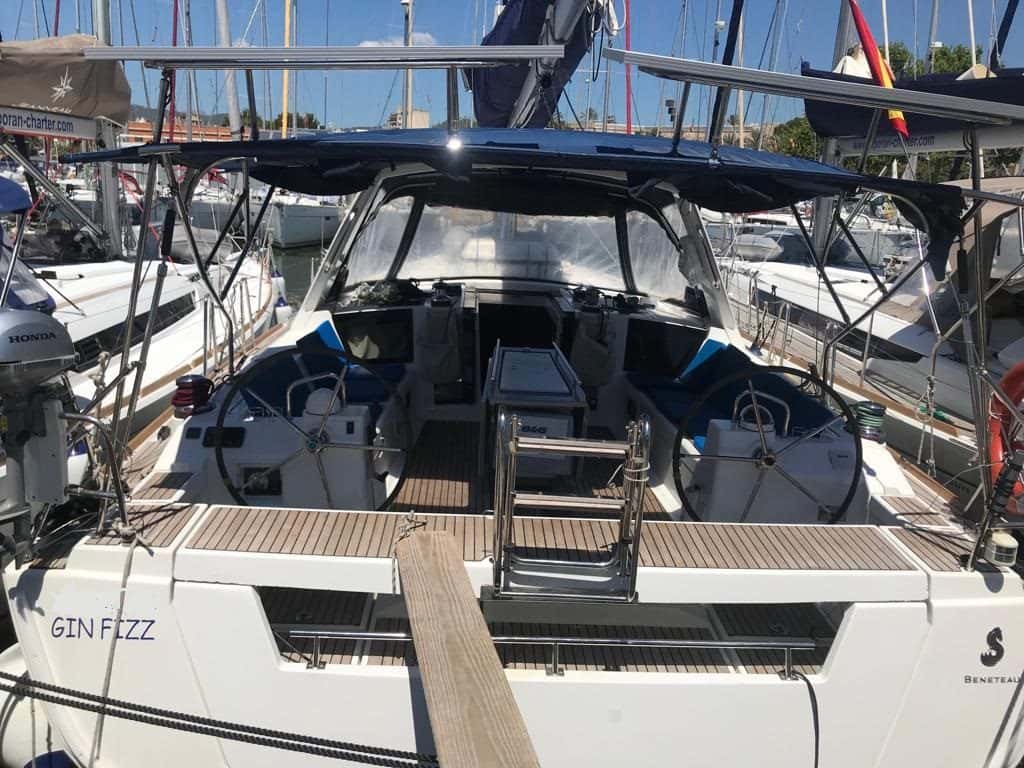
Oceanis 45
10 People · 4 Cabins · 13.9 m
Total price from €1,846 for 7 days
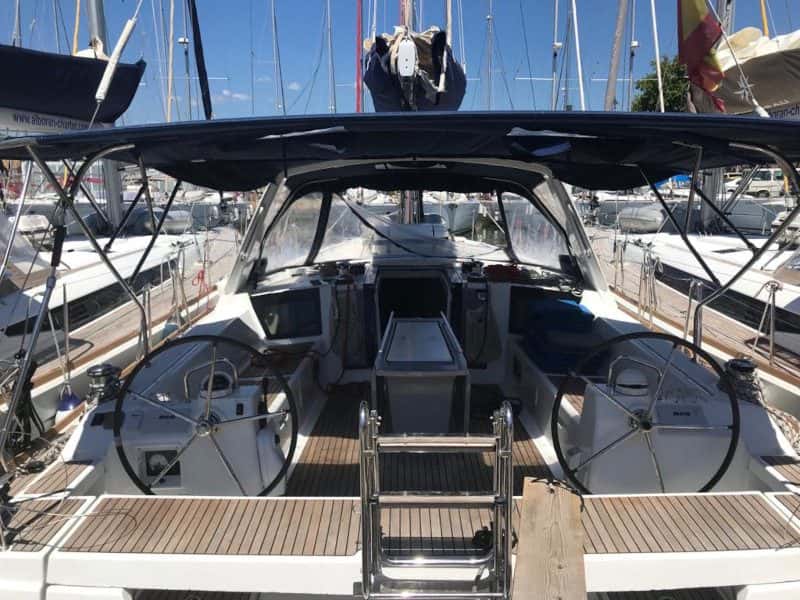
Oceanis 45
10 People · 4 Cabins · 13.9 m
Total price from €1,710 for 7 days
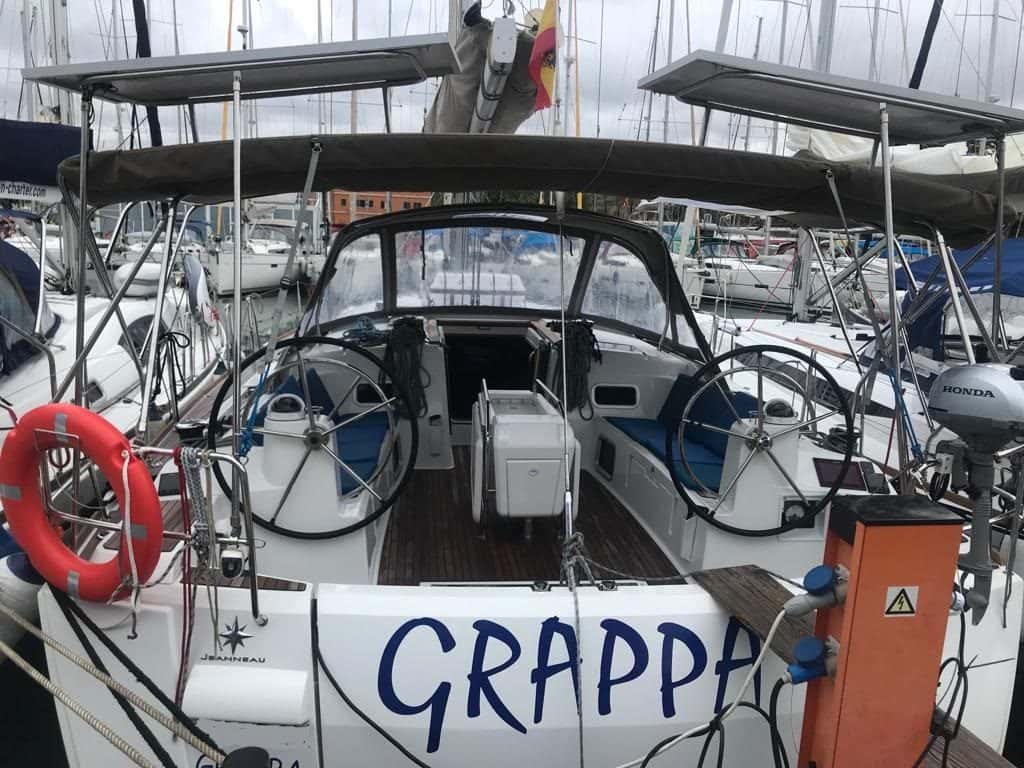
Sun Odyssey 519
12 People · 5 Cabins · 15.8 m
Total price from €3,475 for 7 days
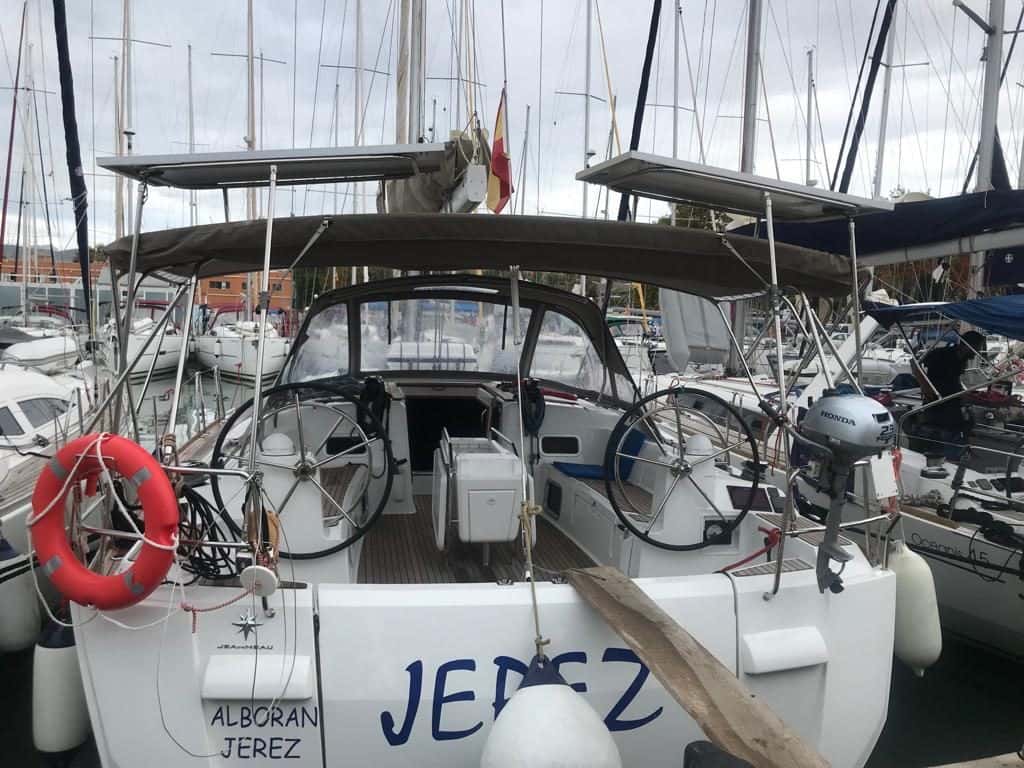
Sun Odyssey 519
12 People · 5 Cabins · 15.8 m
Total price from €2,575 for 7 days
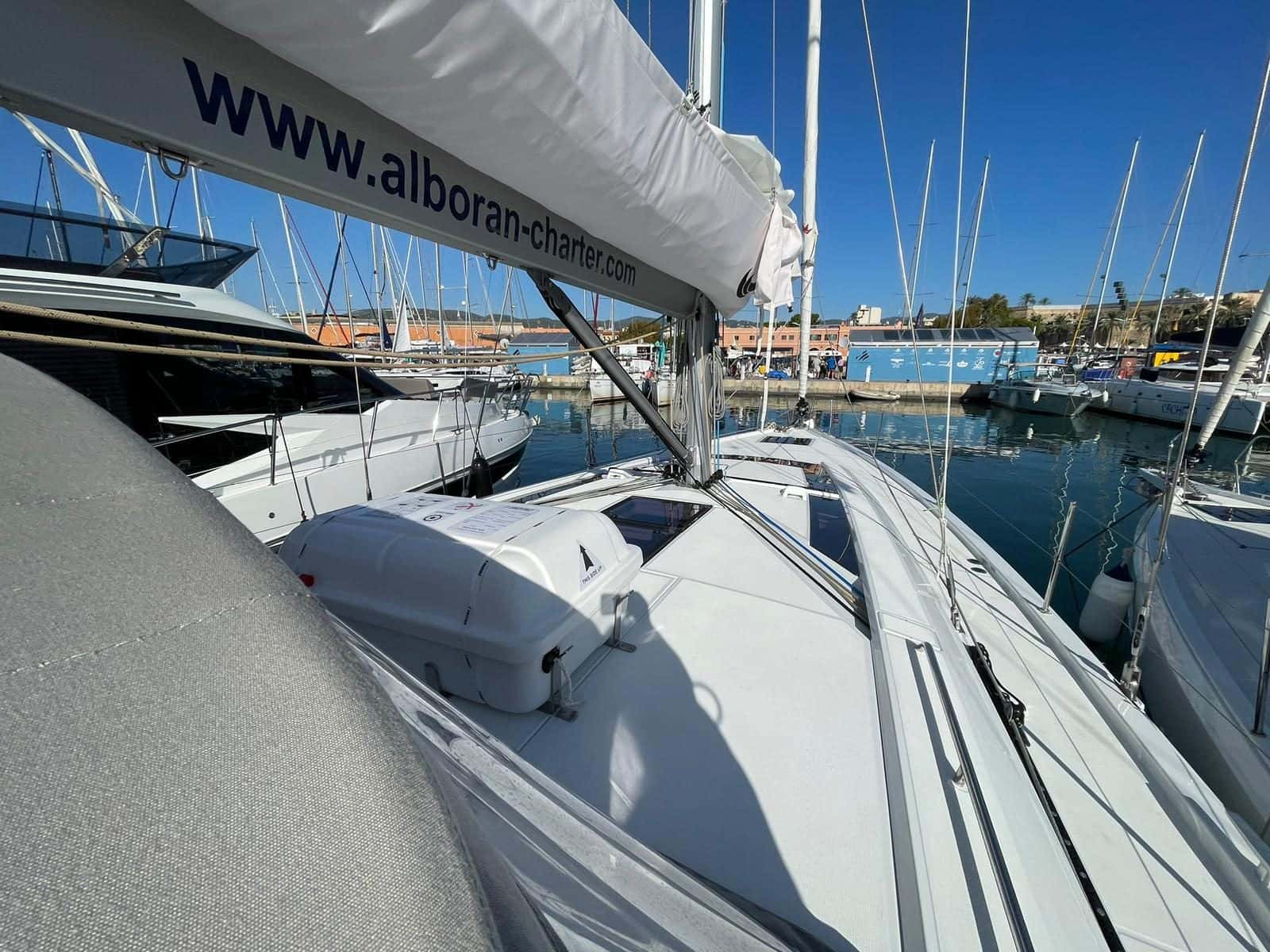
Oceanis 51.1
12 People · 6 Cabins · 15 m
Total price from €4,525 for 7 days
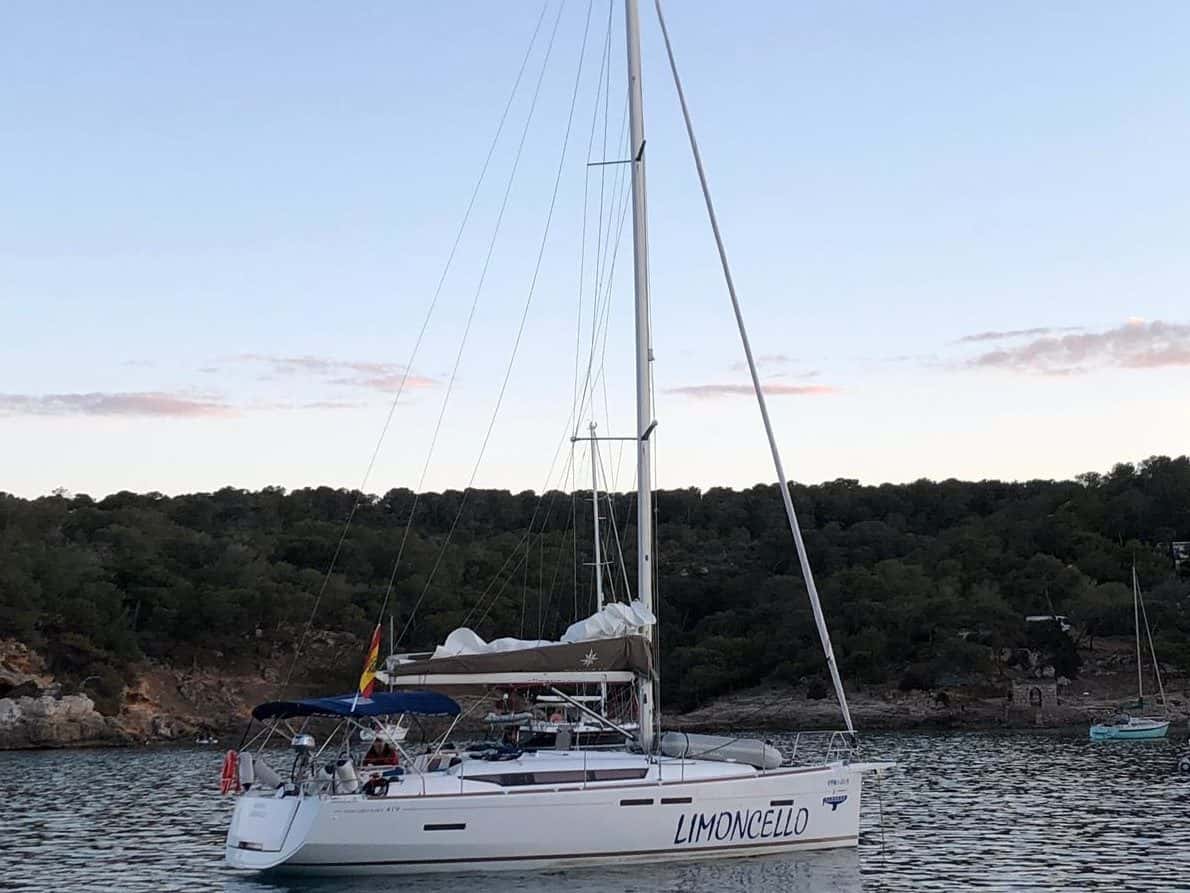
Sun Odyssey 419
8 People · 3 Cabins · 12.8 m
Total price from €2,560 for 7 days
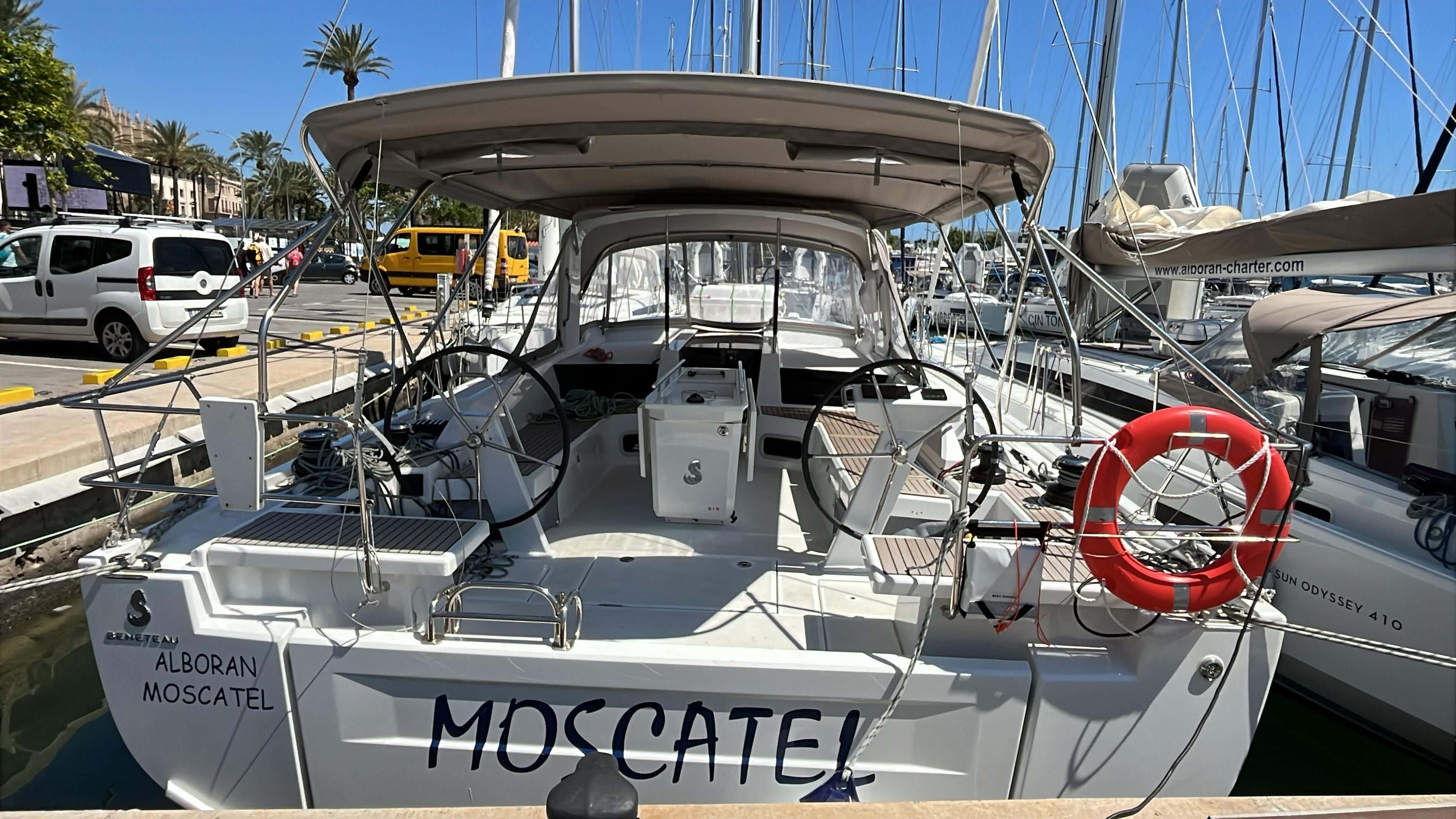
Oceanis 51.1
12 People · 5 Cabins · 15 m
Total price from €4,395 for 7 days
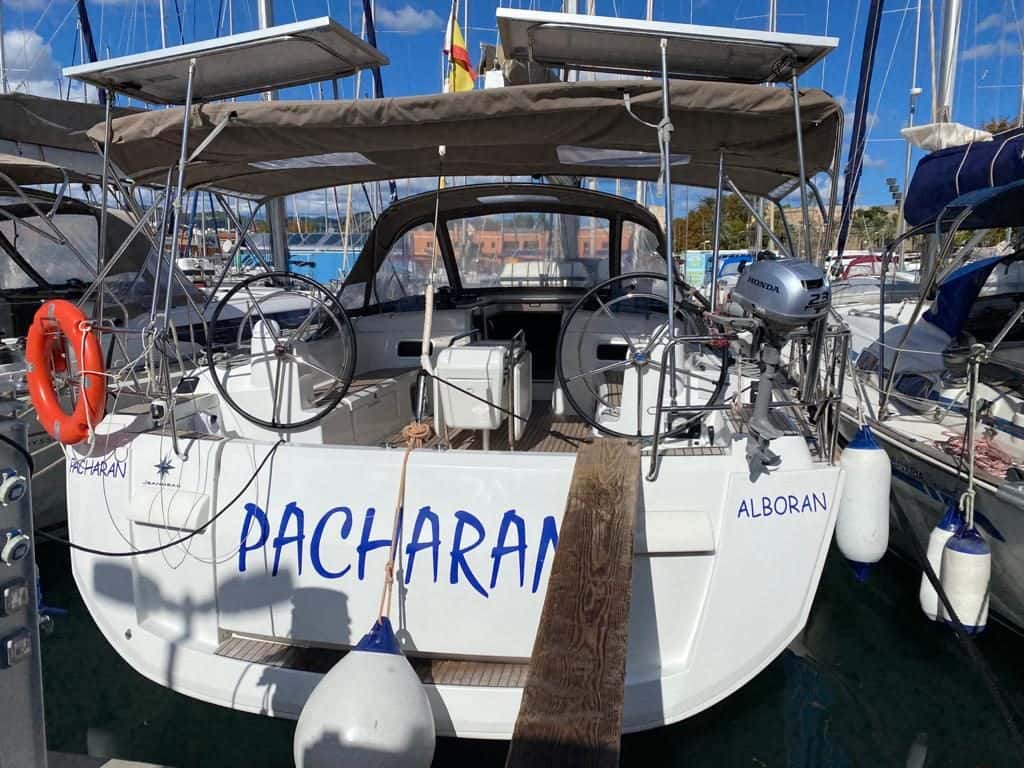
Sun Odyssey 519
12 People · 5 Cabins · 15.8 m
Total price from €4,930 for 7 days
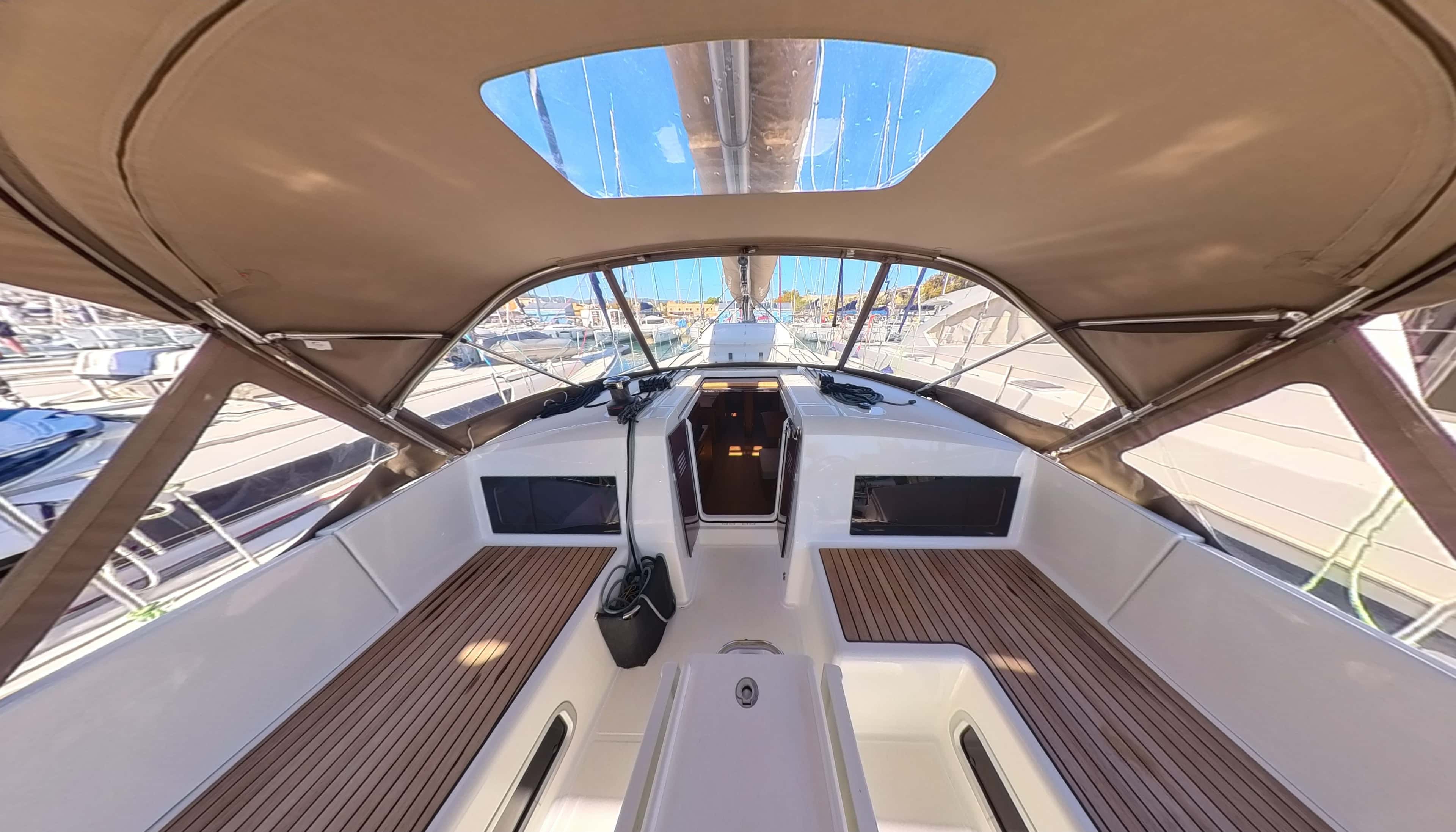
Sun Odyssey 490
10 People · 4 Cabins · 13.4 m
Total price from €3,205 for 7 days
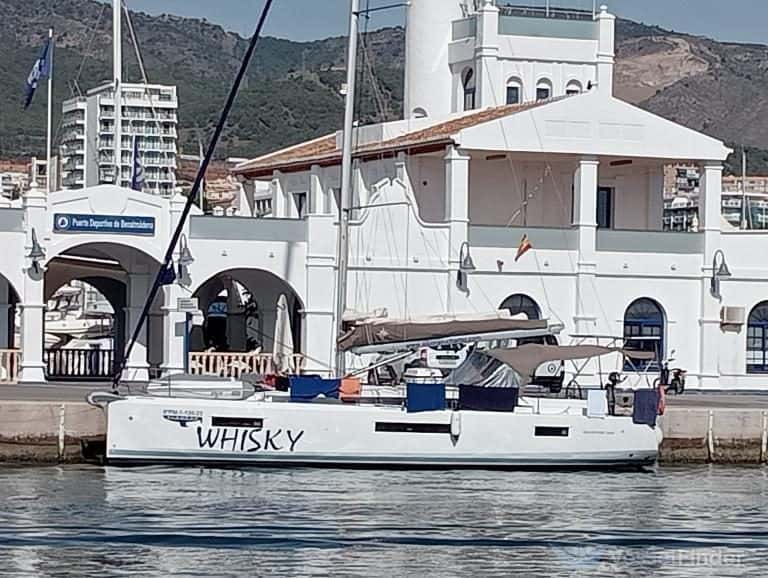
Sun Odyssey 440
10 People · 4 Cabins · 13.4 m
Total price from €4,460 for 7 days

Elan Impression 434
8 People · 3 Cabins · 13.4 m
Total price from €1,306 for 7 days

Elan Impression 434
10 People · 4 Cabins · 13.4 m
Total price from €1,841 for 7 days

Oceanis 43
8 People · 3 Cabins · 13.1 m
Total price from €1,921 for 7 days
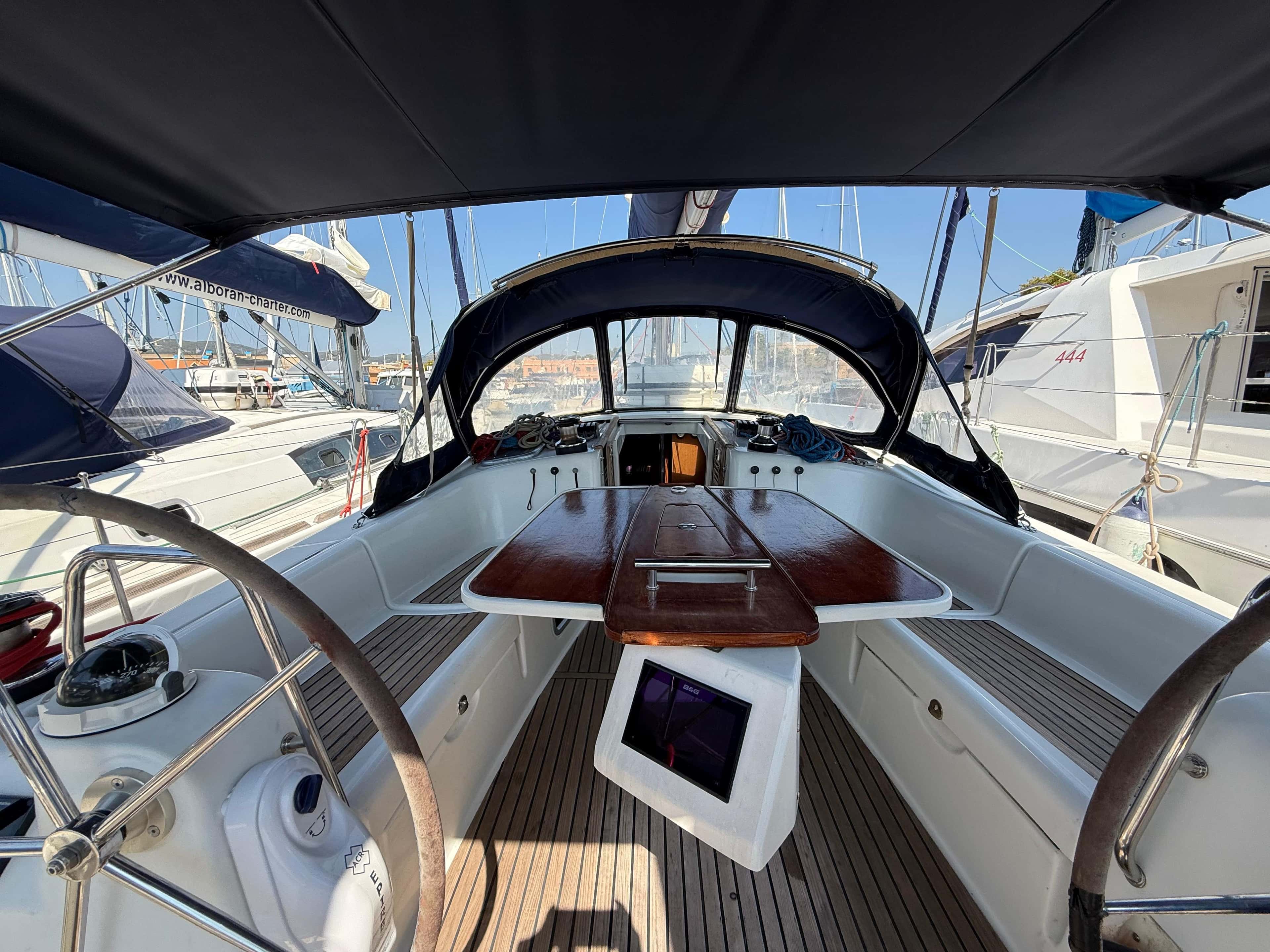
Oceanis 43
10 People · 4 Cabins · 12.8 m
Total price from €2,150 for 7 days
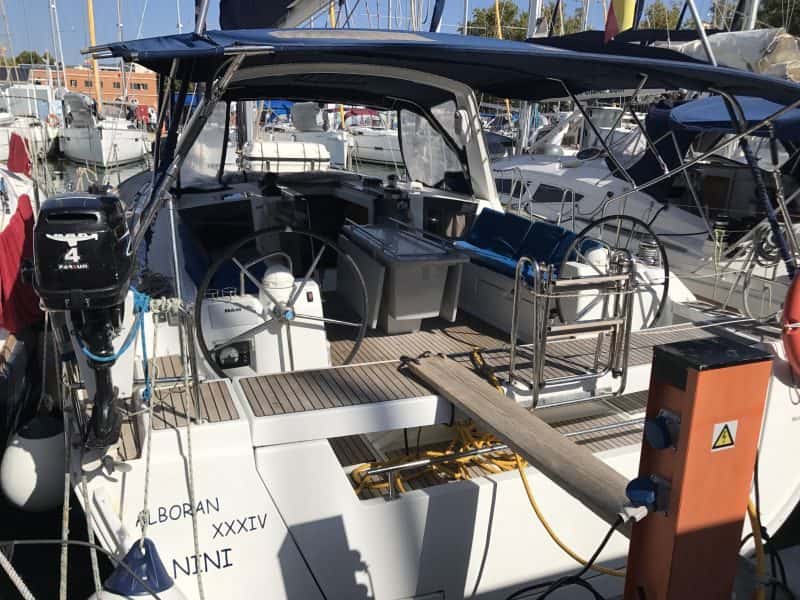
Oceanis 45
10 People · 4 Cabins · 13.9 m
Total price from €3,164 for 7 days
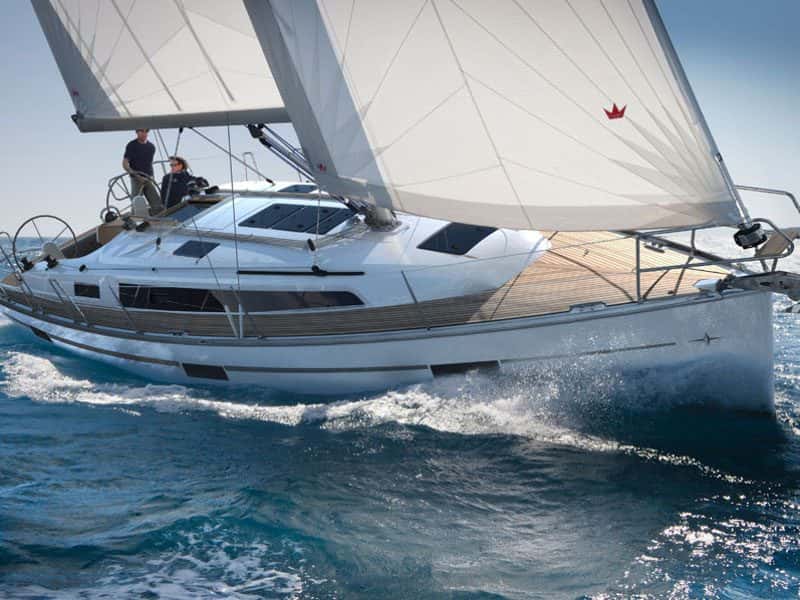
Bavaria Cruiser 37
6 People · 3 Cabins · 11.3 m
Price on request
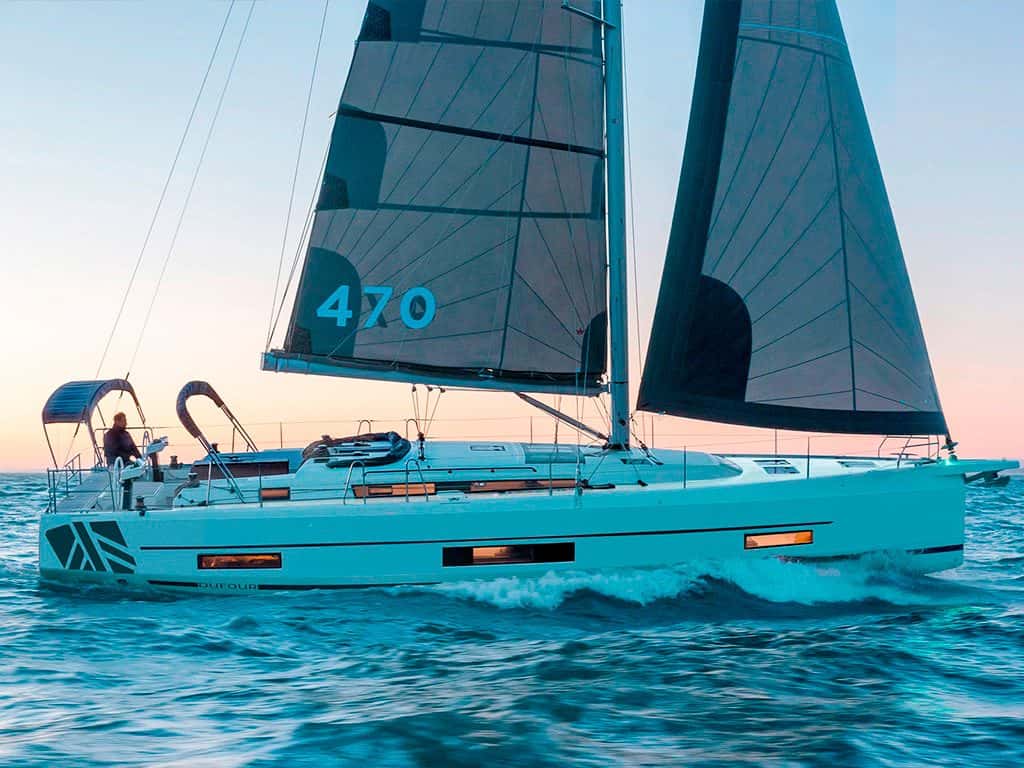
Dufour 470
8 People · 4 Cabins · 14.9 m
Total price from €5,058 for 7 days
A sailing yacht charter in Mallorca offers a flexible way to explore the island’s contrasting coastline, from broad bays and established marinas to quieter coves framed by pine-covered slopes or pale limestone. The right yacht can serve as both transport and accommodation, letting you adjust the plan around the weather, the preferences of your group, and the berths or anchorages that are genuinely available. Mallorca also works well for different styles of holiday: relaxed coastal cruising, active sailing, family time on the water, or a longer itinerary linking several parts of the island. Choosing well involves more than comparing yacht size and appearance. Think about who will sail the yacht, how much living space the group needs, whether easy marina access matters, and how comfortable everyone is with anchoring or changing plans. A yacht with generous cabins and social areas may suit a group that values comfort, while a more performance-oriented design may appeal to sailors who want a livelier experience under sail. Storage, shade, ventilation, galley layout, bathroom arrangements, and access from the deck to the water can all affect daily life aboard. You can charter a sailing yacht without a skipper if the nominated sailor has the qualifications and experience accepted by the operator. Alternatively, booking with a skipper or crew can reduce the pressure of navigation, manoeuvring, and day-to-day planning. A local professional may also help the group interpret forecasts, assess anchorages, and choose realistic alternatives when conditions change. The precise scope of the service varies, so confirm whether the skipper is responsible only for operating the yacht or whether additional hospitality services are included. Mallorca rewards flexible planning. A route that looks simple on a map may become unsuitable because of wind direction, swell, berth availability, or the comfort level of the people aboard. Rather than treating a fixed list of stops as a promise, build an itinerary around preferred areas and acceptable alternatives. Always review the latest forecast, navigational information, operator instructions, and local restrictions before departure and throughout the charter.
The total cost of a Mallorca sailing yacht charter depends on the yacht, the travel period, the length and structure of the booking, and the services selected. Larger or newer yachts generally command a higher rate, but headline size is not the only consideration. Design, condition, equipment, cabin arrangement, maintenance standard, and demand for a particular model can all influence the offer. A yacht that appears more expensive may suit the group better if it provides practical sleeping arrangements, better shade, or equipment that would otherwise need to be added separately. Seasonal demand is an important driver. Popular travel periods can bring stronger competition for both yachts and marina space, while quieter periods may offer greater flexibility but less predictable conditions or fewer shore services. Prices and availability can change, so use the displayed quotation for your chosen dates rather than relying on a general estimate from another season. Check carefully what the charter rate includes. Depending on the operator and yacht, the quotation may treat final cleaning, linen, towels, local taxes, insurance-related charges, outboard use, water-sports items, and administrative services differently. Fuel is commonly linked to actual use, but the charging method should still be confirmed. Marina fees, mooring charges, shore power, water, provisions, restaurant visits, and transport to the departure base may also sit outside the initial rate. If you plan to spend several nights in marinas, the location, yacht dimensions, and local demand may noticeably affect the trip budget. A refundable security deposit or an alternative damage-related arrangement may apply. Read the terms rather than assuming that every type of incident is covered. Pay particular attention to exclusions, reporting requirements, navigation limits, weather restrictions, and the responsibilities of the nominated skipper. Ask how pre-existing damage is documented during handover and what must be reported before departure. Booking with a skipper or crew adds professional service costs and may create additional practical requirements. The yacht must normally provide suitable accommodation for everyone staying aboard, including professionals, and the agreement may address meals or provisioning for them. Clarify these points before confirming the yacht, especially if every guest cabin is important to your group. Optional extras can include transfers, early access where offered, paddleboards, safety netting, additional linen, communications packages, or provisioning assistance. Availability and suitability vary by yacht. Instead of selecting extras automatically, consider how the group will actually use the boat. Families may prioritise shade, safe movement around the deck, and straightforward water access, while keen sailors may care more about sail configuration, deck gear, and handling characteristics. To compare offers fairly, create a trip-wide budget rather than comparing only the base rates. Include likely marina stays, fuel, food, transport, optional equipment, professional services, and a contingency for itinerary changes. Request a current written breakdown from the operator and verify cancellation, amendment, and weather policies before paying.
| Month | Air ↑ (°C) | Air ↓ (°C) | Water (°C) | Sunshine hours (h/d) | Wind (km/h) |
|---|---|---|---|---|---|
| January | 15.4 °C | 5.2 °C | 14.5 °C | 5.5 h/d | 13 km/h |
| February | 15.7 °C | 5 °C | 13.7 °C | 6.1 h/d | 13.4 km/h |
| March | 17.6 °C | 6.4 °C | 13.9 °C | 6.7 h/d | 13.7 km/h |
| April | 19.3 °C | 8 °C | 14.9 °C | 7.3 h/d | 14 km/h |
| May | 22.7 °C | 11.4 °C | 17 °C | 9.4 h/d | 13.4 km/h |
| June | 26.9 °C | 15.6 °C | 21 °C | 10.4 h/d | 13 km/h |
| July | 29.7 °C | 18.4 °C | 24.3 °C | 11.1 h/d | 12.6 km/h |
| August | 30.2 °C | 19 °C | 26.2 °C | 10.3 h/d | 12.2 km/h |
| September | 27 °C | 16.6 °C | 24.7 °C | 7.9 h/d | 11.9 km/h |
| October | 23.2 °C | 13.4 °C | 22 °C | 6.4 h/d | 12.2 km/h |
| November | 19.1 °C | 9.1 °C | 18.7 °C | 5.4 h/d | 12.6 km/h |
| December | 16.2 °C | 6.6 °C | 16 °C | 4.9 h/d | 13 km/h |
Mallorca has a long Mediterranean sailing season, but there is no universally best period. The right choice depends on whether your priority is warmer water, lively harbours, quieter anchorages, stronger sailing conditions, or a more relaxed pace ashore. Busier holiday periods tend to bring more competition for yachts, berths, restaurants, and popular coves. Travel outside the busiest weeks can feel calmer, although some shoreside businesses or services may operate differently and the weather may be less settled. Warm-season cruising often supports a swim-and-sail itinerary, with afternoons spent in coves and evenings in a marina or sheltered anchorage. Heat and sun exposure can be significant aboard, so shade, drinking water, suitable clothing, and sun protection deserve careful attention. Thermal effects can influence local wind patterns during the day, but they should never be treated as guaranteed or uniform around the island. The island’s shape and terrain create meaningful local differences. Conditions on one coast may not match those on another, and the mountainous north-west can interact with wind and cloud differently from the broader bays elsewhere. Headlands may accelerate wind, while exposed stretches can develop uncomfortable seas even when a departure harbour feels calm. Swell may also enter an anchorage from a different direction than the local breeze, turning an appealing daytime stop into a poor overnight choice. Shoulder-season sailing can appeal to experienced groups interested in active passages and quieter ports. It also calls for more conservative planning. Cooler air or water, shorter useful daylight, rapidly changing forecasts, and reduced availability of some local services may affect the itinerary. Bring layers and suitable waterproof clothing, and check that the yacht’s comfort features match the expected conditions. Thunderstorms, strong wind events, poor visibility, and unsettled seas are possible. Forecast models are useful, but a safe plan should also consider official marine warnings, observed conditions, local notices, and advice from the charter base. Reassess the route every day and before any exposed passage. If the forecast is uncertain, favour a sheltered local plan, remain in harbour, or follow the operator’s direction. Anchoring requires more than finding attractive blue water. Check charted depths, seabed type, swinging room, underwater hazards, weather exposure, and local environmental rules. Seagrass habitats are protected in the Balearic Islands, and anchoring restrictions or managed mooring arrangements may apply. Use current official guidance and onboard charts, and make sure the anchor is set only where anchoring is permitted. A responsible itinerary protects the seabed, avoids disturbance, and keeps noise and waste under control. For most visitors, the best period is therefore the one that aligns realistic weather expectations with the group’s abilities and preferred atmosphere. Keep spare options in different parts of the coast, avoid planning every day to its maximum extent, and allow weather rather than a fixed wish list to shape the final route.
Palma and the broad bay around it are natural reference points for many Mallorca charters. The area combines substantial nautical infrastructure with straightforward access to the island’s capital, making it practical for provisioning, travel connections, and a first or final night near shore. Harbour procedures and assigned berths vary, so contact the relevant marina and follow local instructions rather than entering on assumptions. The bay can also be busy, and commercial traffic, ferries, local boats, and sailing activity require a careful watch. To the west, Port d’Andratx provides access to a dramatic section of coastline. The surrounding shore is attractive, but exposure and limited alternatives can influence planning once a yacht continues towards the north-west. Berths should be requested directly through the relevant facility, and a reservation should not be considered secure until it is confirmed under the marina’s current process. The north-west coast, associated with the Serra de Tramuntana and Port de Sóller, is visually striking and often high on charter wish lists. It is also a coast that deserves respect. Shelter options are more widely separated than in areas with numerous established ports, and cliffs, swell, wind acceleration, and changing weather can make a rigid schedule unwise. Port de Sóller can be a valuable harbour in this region, but space and entry conditions must be checked. Plan the passage using current forecasts and charts, and retain enough flexibility to remain elsewhere if conditions are unsuitable. Around the north, the bays of Pollença and Alcúdia offer a different cruising character, with broad water, several shore bases, and access to prominent headlands. Port de Pollença and the Alcúdia area can support provisioning and crew changes, subject to local arrangements. Capes and open approaches may experience stronger wind or rougher seas than the inner bay, so assess conditions before committing to an exposed route. Do not infer safety from the appearance of a sheltered beach; wind shifts and swell can change an anchorage quickly. The eastern coast is known for a sequence of coves, resort areas, and harbours such as Porto Cristo and the Cala d’Or area. This can suit groups that enjoy shorter coastal legs and frequent swimming stops. However, the most recognisable coves may be crowded, and some inlets offer limited room for safe swinging. Depth, seabed, traffic, wash, and overnight exposure must all be assessed. If a cove is full or the anchor cannot be placed without harming protected habitat, continue to an alternative rather than forcing the stop. The south-east and south include departure points and shore visits around places such as Colònia de Sant Jordi, along with low-lying coastal scenery and routes towards nearby protected waters. Nature reserves and marine protected areas may have access, anchoring, fishing, speed, or permit rules. These rules can change and may differ by zone. Consult official sources, current charts, and operator guidance before including a protected area in the itinerary. Mallorca’s harbours range from larger marinas to smaller local ports, and not every facility accepts every yacht or every type of visit. Draft, beam, yacht length, shore-power compatibility, sanitation rules, and booking procedures may matter. Services shown in older guides may be seasonal, changed, or unavailable. Contact the marina directly for current information about berths, facilities, check-in steps, and payment terms. A sensible island itinerary usually focuses on one region rather than attempting to cover the entire coastline regardless of weather. A group departing near Palma might explore the bay and western shore, while a departure in the north or east may make nearby coves and ports more practical. The operator can advise on navigation limits and realistic routing for the yacht. Build in alternative harbours and sheltered stops, and treat every suggested route as a flexible outline rather than a guaranteed schedule.
To charter a sailing yacht without a skipper in Mallorca, the person responsible for the yacht generally needs a valid sailing qualification that the operator accepts for the vessel and cruising area. A radio certificate may also be requested, and operators often consider practical experience as well as formal paperwork. Requirements can depend on the yacht’s characteristics, registration, insurance conditions, flag, and intended navigation area. Do not assume that a qualification accepted at home will automatically be sufficient. Send clear copies of all relevant certificates and a summary of recent sailing experience before booking. The operator should confirm acceptance in writing. You may be asked about experience with yachts of a similar size and type, Mediterranean mooring methods, anchoring, navigation, and manoeuvring in confined marinas. An additional experienced member of the group may also be expected, depending on the operator’s policy. The skipper named in the agreement carries significant responsibility for safe navigation, compliance with local rules, care of the yacht, and the welfare of those aboard. This includes monitoring weather, following navigation limits, respecting protected areas, avoiding alcohol while in charge, and responding appropriately to faults or incidents. The charter company’s operational limits may be stricter than the minimum legal framework and form part of the contract. If qualifications or experience are not sufficient, choose a yacht with a skipper. This is also a good option for groups that want to relax, learn about local sailing, or avoid the pressure of harbour manoeuvres and route decisions. A skipper’s presence does not remove the need for guests to follow safety instructions, and it does not guarantee access to a particular cove or marina. Weather, safety, and local restrictions still take priority. Rules and recognition standards can change. Before travel, verify the current position with the charter operator and, where necessary, the relevant Spanish or Balearic authority. Carry original documents if requested, along with identification and the charter papers supplied at handover. Complete the yacht briefing carefully, ask about emergency procedures and restricted areas, and do not leave the base until controls, safety equipment, communications, and onboard systems are understood.
Choose without a skipper only if the nominated sailor has qualifications accepted by the operator and enough recent experience for the yacht, local conditions, anchoring, and marina manoeuvres. A skipper is useful when the group wants local support or less responsibility. Confirm what the service includes, along with accommodation and meal arrangements for the professional aboard.
Review the cabin layout, maximum permitted occupancy, bathrooms, shade, ventilation, galley, water access, safety equipment, sail handling, and storage. Ask for a current list of included and optional equipment. Also read the payment, cancellation, damage, weather, and navigation terms before booking.
Advance enquiries are sensible, especially during popular periods, but procedures vary by marina and a request is not always a confirmed berth. Contact the facility directly, provide the yacht’s dimensions and draft, and obtain confirmation. Keep an alternative plan in case availability or weather changes.
No. Anchoring depends on charted conditions, weather, space, seabed, and local restrictions. Protected seagrass must not be damaged, and managed moorings or prohibited zones may apply. Use current charts and official environmental guidance, inspect the seabed where appropriate, and move on if safe, lawful anchoring is not possible.
Possible additions include fuel, marina or mooring fees, cleaning, linen, local charges, provisions, transfers, optional equipment, and skipper or crew services. Deposit or damage arrangements may also apply. Inclusions differ by operator, so request a current written breakdown for the selected yacht and dates.
It can be, provided the yacht, area, and support match the group’s abilities. Beginners may prefer a skipper and a flexible itinerary focused on sheltered coastal cruising. Even experienced sailors should avoid treating local weather, exposed capes, or crowded coves casually.
Bring soft luggage, non-marking deck shoes, sun protection, light layers, a waterproof outer layer, swimwear, personal medication, and suitable identification and certificates. Space aboard is limited, so avoid rigid suitcases. Ask the operator what linen, towels, safety gear, and kitchen items are already provided.
No. Wind, swell, harbour availability, yacht condition, protected-area rules, and the group’s comfort can all require changes. Treat sample routes as inspiration and agree on priorities rather than fixed promises. The skipper and operator should place safety and current restrictions ahead of the planned schedule.
The operator normally explains the yacht’s systems, controls, safety equipment, inventory, known damage, and return expectations. Inspect the yacht, record concerns before departure, and ask questions about communications, engine use, sails, anchoring, sanitation, emergency procedures, and local navigation limits. Follow the specific checklist and reporting process supplied by the operator.
Data powered by Booking Manager