
Sant Agustí, Mallorca – Coastal District near Palma
.jpg)
Places to stay in Sant Agustí
AdTo load the accommodation map by our partner Stay22, we need your consent for marketing cookies. Your consent applies to all marketing content on mallorca.com.
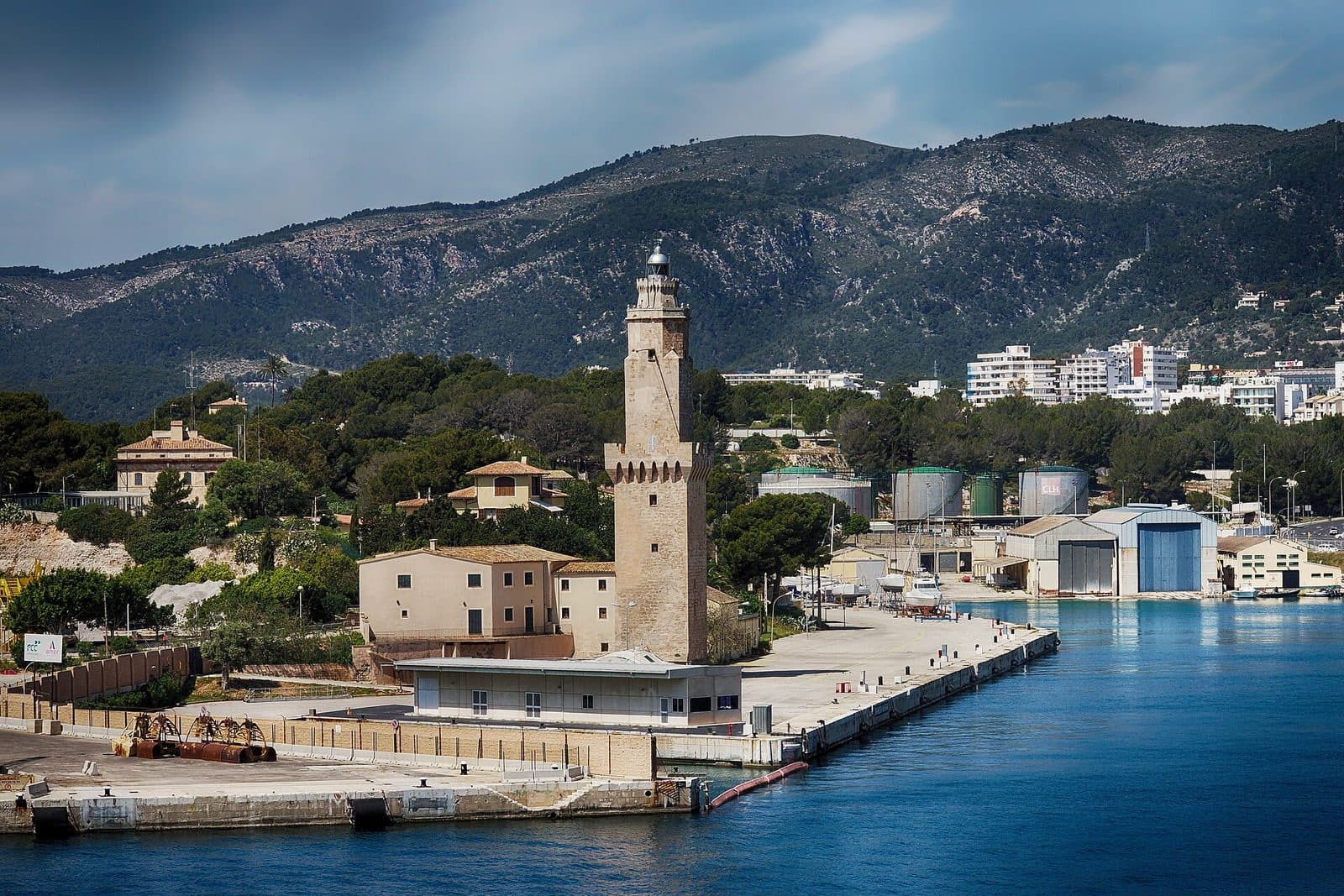
Sant Agustí is Palma’s western coastal district for people who like having the sea on their doorstep but do not want to give up proximity to the capital. The waterfront around the Cala Nova marina defines the district. Boats, terraces and views across the bay shape the first impression; behind them begins a densely built-up residential area with a distinctly more urban character than the traditional holiday resorts of the southwest.
For visitors, Sant Agustí is particularly worthwhile as a base and as a stop along the coast. The area offers the Cala Nova marina, the small Platja de Cala Guix, restaurants and bars, but it is not a destination for a long tour of monuments. Palma, Cala Major, Portopí and the caves of Gènova can easily be included in a stay here.
Sant Agustí reveals its real strength in everyday life. Grocery stores, dining, sports facilities, hairdressers and beauty salons cater not only to holidaymakers. At the same time, Palma’s centre and larger urban facilities remain within easy reach by road. This makes the district appealing to commuters, long-stay visitors and residents who do not want to choose between a coastal location and access to the city.
Sant Agustí is best suited to travellers who want to be by the water in the morning, explore Palma during the day and dine near the marina in the evening. Boating and water sports enthusiasts will also find it a practical base. Although quieter than a major nightlife hub, the area is not completely silent: bars and restaurants are as much a part of its character as apartments and the marina.
Sights in Sant Agustí
The places worth seeing are located by the water and can be explored on a walk through the coastal area. The marina, rocky shoreline and small Platja de Cala Guix explain better than any single monument why the district differs from Palma’s neighbourhoods farther inland.
Cala Nova
Cala Nova is the defining place in Sant Agustí. The marina brings sailing boats, water sports and dining together in one location and opens up views across the Bay of Palma. Rather than being an isolated visitor attraction, it is part of the district: residents come here to eat or exercise, while visitors use the marina as a starting point for boat trips and walks by the water.
The interplay of breakwaters, boats and the built-up coast is the main attraction. Here, Sant Agustí presents itself as a coastal district close to the city and shaped by nautical life. Anyone who wants to understand the character of the area should therefore head to Cala Nova first and explore the surroundings on foot from there.
Platja de Cala Guix
Platja de Cala Guix is a small sandy bathing spot on the coast of Sant Agustí. It provides access to the sea. Its limited size, however, clearly illustrates the compact nature of the district’s shoreline: the small Platja de Cala Guix lies between buildings and rocks.
Before visiting, it is best to plan for Cala Guix as a small sandy bathing spot. Space and conditions may be more heavily influenced by the coastline and current activity by the water than at an expansive playa. Cala Major beach is nearby.
The Coast on the Bay of Palma
Even away from a named beach, the view across the bay is one of Sant Agustí’s most important qualities. Depending on the vantage point, the view extends across open water, marina facilities and the outlines on the opposite side of the bay. In the morning, quiet coastal life takes centre stage; later, dining, sports and boat movements have a stronger influence on the atmosphere.
A walk should therefore not be regarded merely as a route to a particular sight. The changing scenery between the marina, rocky shore, residential buildings and Platja de Cala Guix is the real tour of the area. Sturdy footwear is more practical than beach gear alone for these sections of shoreline.
Cala Major
Cala Major borders Sant Agustí to the east and is the natural extension of a coastal walk. It has another beach. The two areas are close together.
Connecting both districts is particularly worthwhile for visitors who do not want to spend the entire day at the same bathing spot. A visit can begin at the marina, continue through the coastal area and carry on into Cala Major. This provides a fuller picture of Palma’s western edge by the sea.
Sights in Sant Agustí
Food and Drink
Dining is one of Sant Agustí’s strongest and most visible features. Restaurants, bars and evening venues are concentrated especially near the coast and around Cala Nova. The appeal lies less in a single historic inn than in the opportunity to combine a meal with marina views, a walk or an excursion on the water. The clientele accordingly ranges from local residents and boat crews to day visitors from Palma.
Cala Nova as a Dining Hub
Around the marina, the nautical setting shapes the dining experience. Terraces and restaurants benefit from views of the boats and bay, without the marina being completely separated from the residential district. Anyone coming to Sant Agustí solely for a meal will also gain the clearest impression of the area here. The marina can be explored on foot before or after visiting a restaurant, so there is no need to plan an additional sightseeing circuit.
The location also makes Cala Nova attractive for a late lunch or an evening by the water. The marina atmosphere is livelier during busier periods; those who prefer conversation, views and a quieter walk should come earlier in the day. The current selection of individual establishments may change, so the lasting value lies less in a particular name than in the concentration of dining options around the marina.
Restaurants Between the Residential District and Coast
Not every restaurant in Sant Agustí caters exclusively to holidaymakers. The close connection with the surrounding residential areas also supports everyday dining: establishments are used by people who live, work or exercise nearby. This distinguishes the district from a purely hotel-based area where the offering is almost entirely geared towards seasonal visitors.
Location is crucial when choosing a restaurant. Directly by the water, the maritime setting takes centre stage; farther into the district, the atmosphere becomes more urban and functional. Those looking not only for the finest sea view but also for an uncomplicated evening meal should therefore consider the streets behind Cala Nova. The short distance to Cala Major and Portopí expands the choice further without requiring a trip into central Palma.
Bars and Late Evenings
Bars are firmly established as part of Sant Agustí’s character, along with some options for a later crowd. Nevertheless, the district cannot be compared with the major nightlife hubs of the southwest. There is a suitable selection for a drink by the water or an evening near the marina; those planning a long night with clubs close together will find more extensive nightlife in other coastal resorts.
For residents, this structure has two sides. On the one hand, dinner and drinks are possible without travelling into the centre. On the other, streets near popular venues can be livelier during the usual evening hours than purely residential areas farther from the water. When choosing accommodation or a home, it is therefore worth distinguishing between immediate proximity to the marina and a quieter location in the streets behind it.
Dining as Part of a Day in Palma
Sant Agustí is well suited to ending a day in Palma by the sea. The road from the centre leads directly to the western part of the city, making it easy to combine culture and shopping in Palma with dinner at Cala Nova. Conversely, the day can begin with breakfast or a walk around the marina before heading into the city centre.
The district is a versatile dining destination on Palma’s coast. A current ranking of individual restaurants is more helpful when making a specific choice; for planning purposes, the key point is that food and drink fit naturally into any sensible daily itinerary here and do not have to be sought in another location.
Eating, drinking and staying in Sant Agustí
The best-rated businesses from our directory, ordered by Google rating — not by advertising.
Restaurants
- GUAPA'S5.0· 110 reviews
- Sabor Patricio5.0· 15 reviews
- Don Neko Sushi4.9· 721 reviews
- BULLDOG GRILL burger&rooster4.9· 548 reviews
- PACO & BEGOÑA Street Food4.9· 28 reviews
- Sodapop caffe4.8· 709 reviews
- Navarros Restaurante4.8· 233 reviews
- Rottehullet Danish Eatery.4.8· 229 reviews
- Neko Pokes4.8· 174 reviews
- Il Mediterraneo4.7· 360 reviews
- Bar Cafetería Mami4.7· 359 reviews
- Così Cucina & Aperitivi - Restaurante Italiano Cala Major - Palma Mallorca4.7· 192 reviews
Cafés and bakeries
Activities and Excursions
Sant Agustí’s leisure profile is shaped by the water and its proximity to Palma. Those living or holidaying here can alternate between boating activities, short swimming breaks and city excursions without planning long routes across the island every day. The district itself is not designed for major hikes or expansive natural beaches; those activities begin beyond the densely developed coast.
Sailing, Boat Trips and Water Sports in Cala Nova
Cala Nova is the natural starting point for activities at sea. Charter companies and boat tour operators are strongly represented in Sant Agustí. Water sports such as diving, snorkelling, water skiing and parasailing are also offered in the area. Which activities actually take place depends on the provider, weather and conditions on the water.
Even without a booked tour, the marina is worthwhile for anyone interested in sailing. Activity around the berths, boats setting out and views across the bay give Cala Nova a different rhythm from a beach devoted solely to swimming. Anyone wishing to get out on the water should make the marina a fixed part of the itinerary rather than waiting to look spontaneously for an operator in another coastal resort.
Swimming at Cala Guix and Cala Major
Cala Guix is a small sandy bathing spot. Cala Major beach is nearby.
Both beaches can be included in an excursion. Visitors can first explore Sant Agustí, including the marina and Cala Guix, and then continue their stay in Cala Major. This keeps journeys short and prevents the day from being dominated by a long drive to a more distant coast.
Coves de Gènova
Coves de Gènova is a notable excursion destination above the coast. The limestone caves provide a clear contrast to the marina, bars and urban beach and are particularly suitable when the day is not meant to be spent exclusively by the sea. As Gènova lies directly behind Palma’s western coastal districts, a cave visit can easily be combined with Sant Agustí.
This combination is particularly practical on very warm days or when beach weather is changeable. The coastal stop can then be shorter, while the caves provide the main cultural and natural-history focus. The historic building L’Ermita is also mentioned as a sight near Sant Agustí.
Puig Gros de Bendinat and Carrer Sant Gabriel Viewpoint
For activity on land, Puig Gros de Bendinat and the viewpoint on Carrer Sant Gabriel are good options. Both destinations lead out of the dense development or uphill to views across the coast and bay. They suit visitors who find a walk around the marina too short and want to include Sant Agustí in a more active day.
The land rises behind the sea, so suitable footwear and a pace adapted to the weather are advisable for routes to viewpoints. The outing can easily be combined with a later meal at the marina.
Palma and the Southwest
Sant Agustí is a practical base for Palma without being in the heart of the historic centre. Museums, architecture, shopping streets and the old town can be visited during the day while accommodation and evening plans remain on the coast. This is particularly appealing for longer stays when neither a full beach day nor an entire day in the city is planned every day.
To the west, the area also provides access to the holiday resorts and coves of the southwest. Sant Agustí therefore functions as a transition between city and coastal region: Palma remains close, while destinations beyond the urban area can be reached without first crossing the entire capital. For frequent excursions in both directions, this location matters more than a long list of monuments of its own.
Getting There and Getting Around
Sant Agustí lies on the western edge of Palma’s continuous urban area. The main roads lead towards the centre in one direction and continue along the southwestern coast in the other. This makes the district practical both for short stays and for people who travel regularly to Palma.
From Palma Airport
From Palma Airport, Sant Agustí is 20 road kilometres away via the Ma-20. The drive takes around 21 minutes. The route bypasses the central urban area and then reaches Palma’s western coast. For arriving travellers, this means that neither crossing the island nor driving through the historic centre is necessary.
Anyone collecting a rental car should regard Sant Agustí as an urban destination rather than a remote coastal village. The final sections pass through a densely built-up area with residential streets, restaurants and marina traffic. The navigation destination should therefore be selected as precisely as possible, especially if the accommodation is not directly at Cala Nova.
From Central Palma
The route from central Palma to Sant Agustí follows the Ma-1. It covers 6 road kilometres and takes around 16 minutes. This short connection is one of the district’s main advantages: visiting a museum, shopping or attending a business appointment in the city centre does not require a long overland journey.
The Ma-1 is also the main route towards the southwest. The basic connection remains straightforward: Sant Agustí is effectively part of everyday life in Palma rather than a separate holiday resort with a long journey into the city.
Buses and Getting Around Without a Car
Sant Agustí and the neighbouring Portopí area are served by several bus stops. The specific routes and stops are shown in the timetable module on the local page. For visitors, the key point is that travelling towards Palma does not necessarily require a rental car. This is especially true when the stay is focused on the marina, Cala Major and the city centre.
Many destinations within the coastal area can be connected on foot. A car is more convenient for Gènova, elevated viewpoints or more distant destinations in the southwest.
Parking and Portopí
There is a park-and-ride facility in the Portopí area, which can provide an alternative to searching for parking in the centre when travelling towards Palma. For Sant Agustí itself, precise destination planning is advisable because the marina, coastal access points and residential streets offer different starting points. A parking space near the accommodation avoids unnecessary walking with luggage.
Anyone who only wants to visit Cala Nova and then continue to Palma should not automatically drive all the way into the old town. Combining parking on the western edge of the city with public transport can be more relaxing on busy days. For excursions to Gènova or the southwest, however, a car remains more flexible.
Bus lines to Sant Agustí at a glance
| Line | Route | Departures/day | First | Last |
|---|---|---|---|---|
| 1 | Portopí - Sindicat | 6 | 07:01 | 08:37 |
From the official GTFS feeds (TIB/SFM), no real-time data. The figures cover all stops in the town; weekend and holiday services differ — check with the operator before travelling.
Getting there by bus
17-Museu Sant Carles · 0.5 km as the crow flies
- 1Portopí - Sindicat · 08:00–08:00 · Daily
23-Dic de l'Oest - Museu Sant Carles · 0.5 km as the crow flies
- 1Portopí - Sindicat · 08:00–08:00 · Daily
25-rotonda de Portopí - aparcament dissuasiu · 0.6 km as the crow flies
- 1Portopí - Sindicat · 08:00–08:00 · Daily
16-rotonda de Portopí - aparcament dissuasiu · 0.6 km as the crow flies
- 1Portopí - Sindicat · 08:00–08:00 · Daily
Timetable data: official GTFS feeds (TIB/EMT), no real-time — check with the operator before travelling.
Living in Sant Agustí
Sant Agustí is not only a holiday address but also a residential district by the sea. Its proximity to Palma, everyday amenities and mixture of apartments, dining and marina activity distinguish it from small coastal settlements that become largely quiet outside the season. Life takes place between urban infrastructure and maritime leisure.
Local Amenities and Services
Supermarkets and grocery stores are among the more strongly represented businesses in the district. Sports and fitness facilities, hairdressers and beauty salons are also part of everyday local life. Medical facilities are likewise listed for Sant Agustí. Central Palma remains accessible via short road connections.
This range of amenities is particularly relevant to people staying for more than a few days. Basic shopping can be done within the district, while the nearby urban area offers a significantly broader selection. Sant Agustí therefore does not require a long journey across the island for every everyday errand.
Living Between the Marina and the Streets Behind It
Residential locations differ mainly according to their proximity to the water and dining venues. Around Cala Nova, sea views, the marina atmosphere and short walks to restaurants take centre stage. Farther behind the coast, Sant Agustí feels more like a densely developed urban district. There, the tourist impression recedes while the practical connection to Palma becomes more important.
When choosing a home, the view of the bay should not be the only consideration. Evening activity and visitor movements may be more noticeable near the marina. Streets farther back offer more distance from nightlife but are not directly by the water. Changes in elevation between the coast and the streets above also affect daily journeys on foot.
Commuting to Palma
The journey to the centre covers 6 road kilometres via the Ma-1 and takes around 16 minutes. This is a practical everyday connection for working residents, especially since public transport towards the city is also available. Regular commuters can combine the quality of coastal living with a workplace in Palma without travelling between distant parts of the island.
A car is therefore useful but not essential in every situation. Those who work in the centre and live near a suitable bus connection can organise many journeys without their own vehicle. A car offers greater flexibility for changing workplaces, excursions or appointments outside Palma.
Who Sant Agustí Suits as a Place to Live
Sant Agustí is particularly suitable for people who regularly need access to Palma but still want to live by the sea. Water sports enthusiasts benefit from Cala Nova, commuters from the Ma-1 and bus connections. Even without a large plot or village surroundings, the district offers a clear locational advantage: city and coast can be part of the same daily routine.
Sant Agustí is less suitable for those seeking rural tranquillity, a historic village structure or an enclosed neighbourhood far from tourist routes. The area is urban, international in character and enlivened by dining and leisure facilities. Long-established residents, newcomers, employees of surrounding businesses and temporary guests share the same coastal space.
Practical Information for Your Visit
Sant Agustí is best experienced as part of a day on the coast or as a base for Palma. Anyone who only wants to see the marina, Cala Guix and the immediate waterfront does not need an extensive sightseeing programme. The area’s appeal comes from spending time here, enjoying the views and dining, rather than from a sequence of ticketed attractions.
A Suitable Daily Itinerary
Cala Nova is quieter in the morning and is well suited to a walk and a first look across the bay. Later, water sports, restaurant visits and swimming breaks move more strongly into focus. For an evening at the marina, it makes sense to spend the earlier part of the day in Palma, Gènova or Cala Major and return to Sant Agustí afterwards.
The coast can also be explored later in the day when a restaurant visit is planned. Travelling here solely for a tour of monuments is not worthwhile; for a varied day combining the sea, caves and city, the location is excellent.
Useful Combinations
Cala Major is an easy addition when another sandy beach is desired. Coves de Gènova adds a completely different experience to the same excursion and is a good choice when swimming is not the sole focus. Palma, meanwhile, provides the historic and cultural counterpoint to Sant Agustí’s modern coastal development.
With children, a marina visit can be combined with time at the beach in Cala Major. Water sports and boat trips may also be suitable for families, provided the age requirements, conditions and rules of the respective operator are met. Sturdy shoes are more suitable than beach sandals for walks along rocky sections of coast.
What to Expect
Visitors can use Cala Nova as their main point of reference. Those who appreciate this maritime identity will find a practical and pleasant coastal stop immediately beside Palma.
Quietness is also relative: the district is more relaxed than major nightlife hubs but remains lively because of its restaurants, bars, sports and marina activity. It is not the first choice for a secluded nature holiday. For short journeys, sea views and flexible daily planning, however, this urban energy is precisely one of its advantages.
Local businesses and services
The best-covered sectors in our directory for Sant Agustí — each with address, contact details and opening hours.
- Restaurant / Gastronomy35 listings
- Boat Charter & Tours18 listings
- Hairdresser / Beauty15 listings
- Supermarket14 listings
- Sports & Fitness12 listings
- Bar, Nightclub & Disco11 listings
Run a business here? Add it to the directory for free and be found on this page. Add your business
Upcoming dates
Latest news from Palma
- Palma transport push: plan sought with three neighbours
- Palma: nine Ñaco Fabré works slow the pace at CaixaFòrum
- Mallorca airport plan: 50m passengers by 2031
- Mallorca neighbours pitch 32 rubbish fixes for Pere Garau