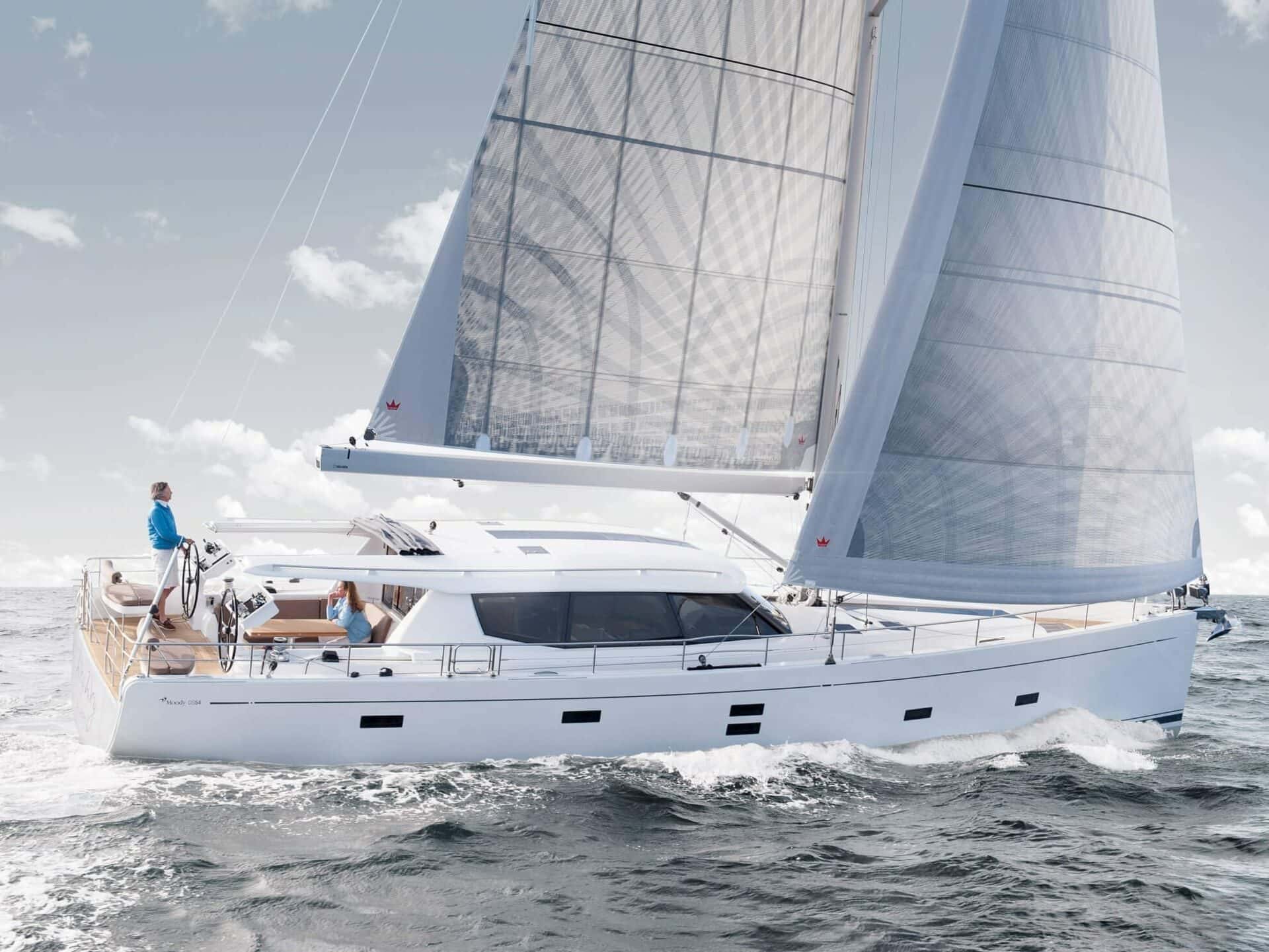
1/6
Adventuro
Moody 54
Without skipperSailing yacht
8 People · 4 Cabins · 17.2 m
Total price from €8,500 for 7 days
Can PastillaDetails

12 yachts
Moody 54
8 People · 4 Cabins · 17.2 m
Total price from €8,500 for 7 days
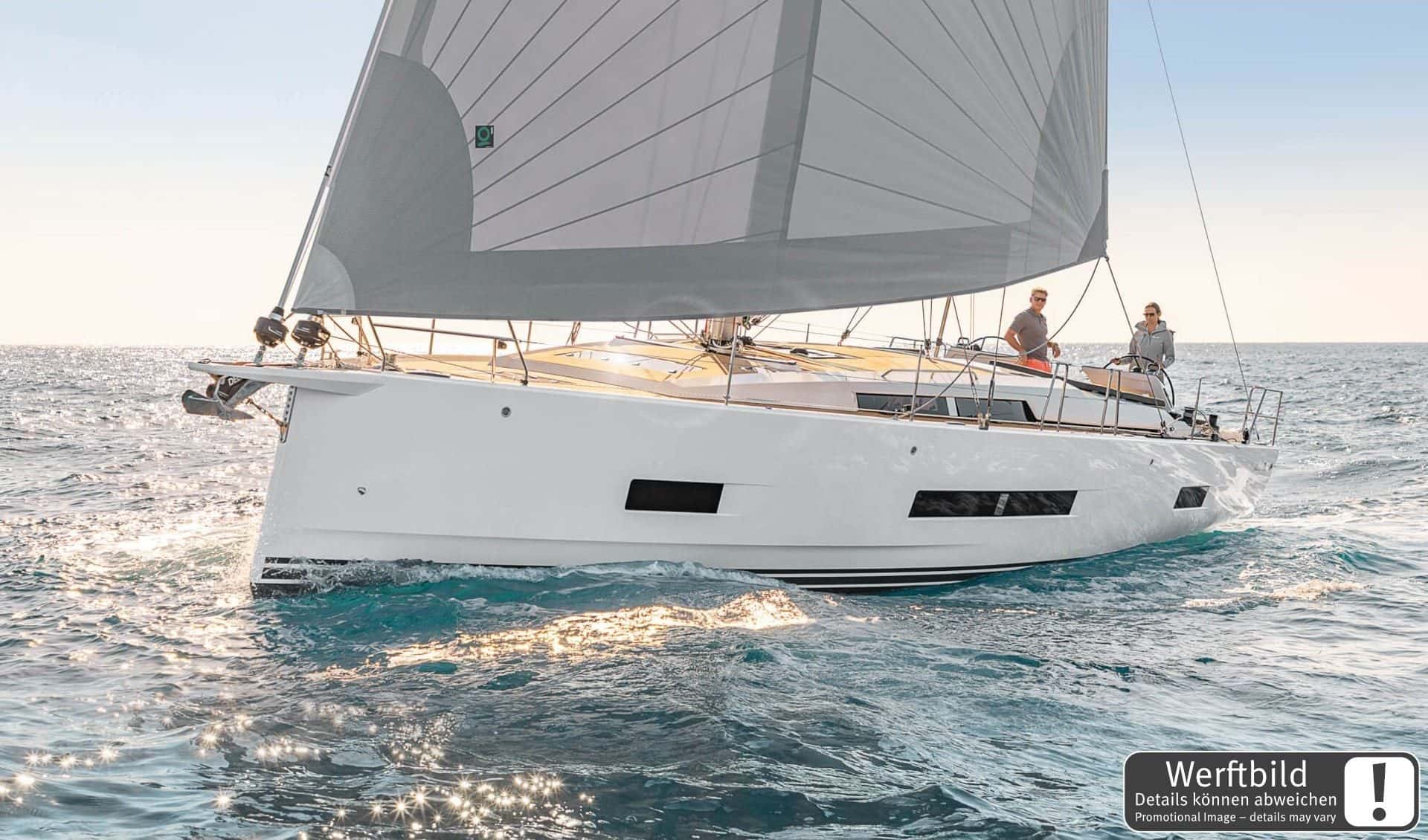
Hanse 460
10 People · 4 Cabins · 14.6 m
Total price from €3,560 for 7 days
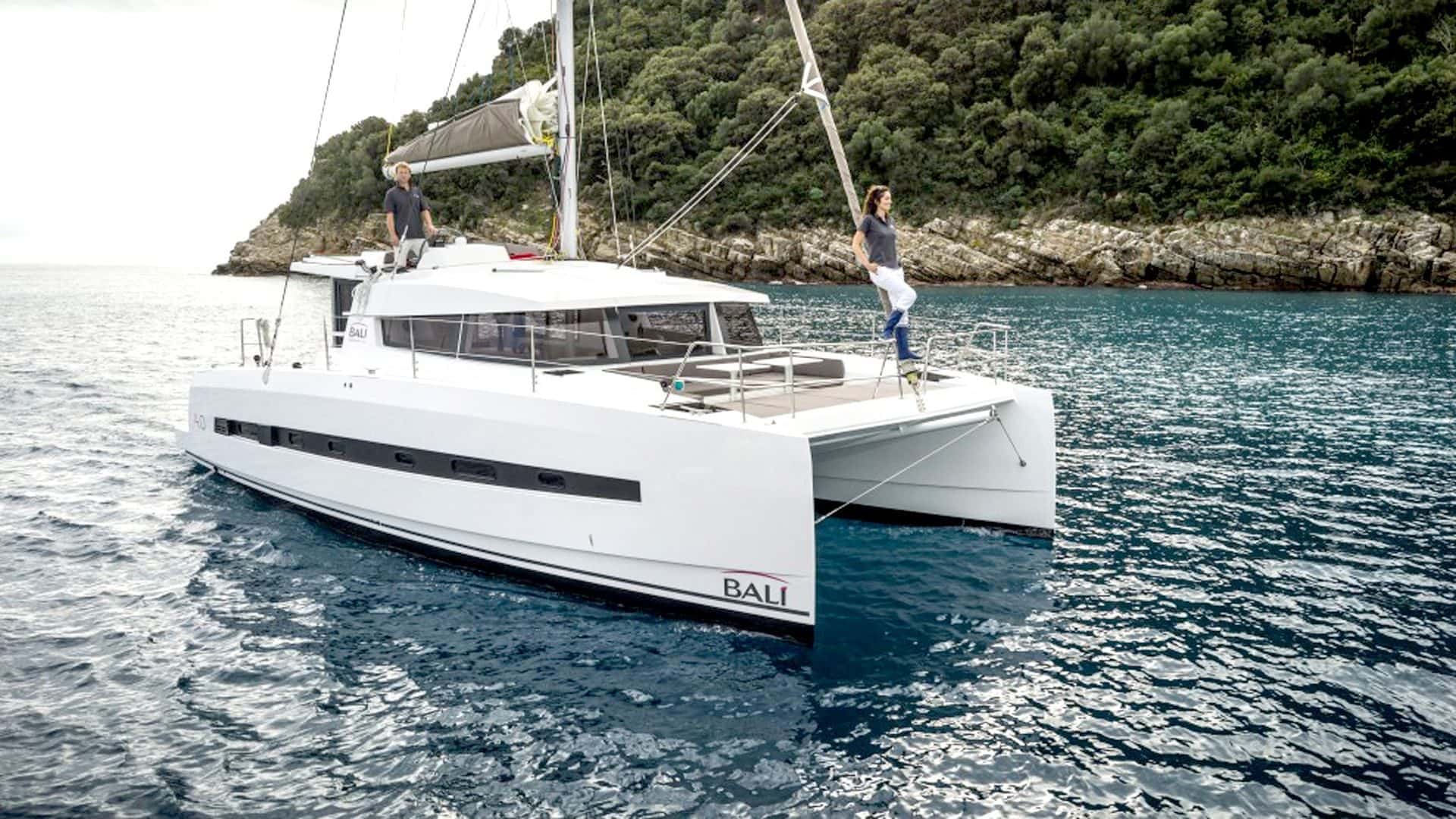
Bali 4.0
10 People · 4 Cabins · 12 m
Total price from €2,753 for 7 days
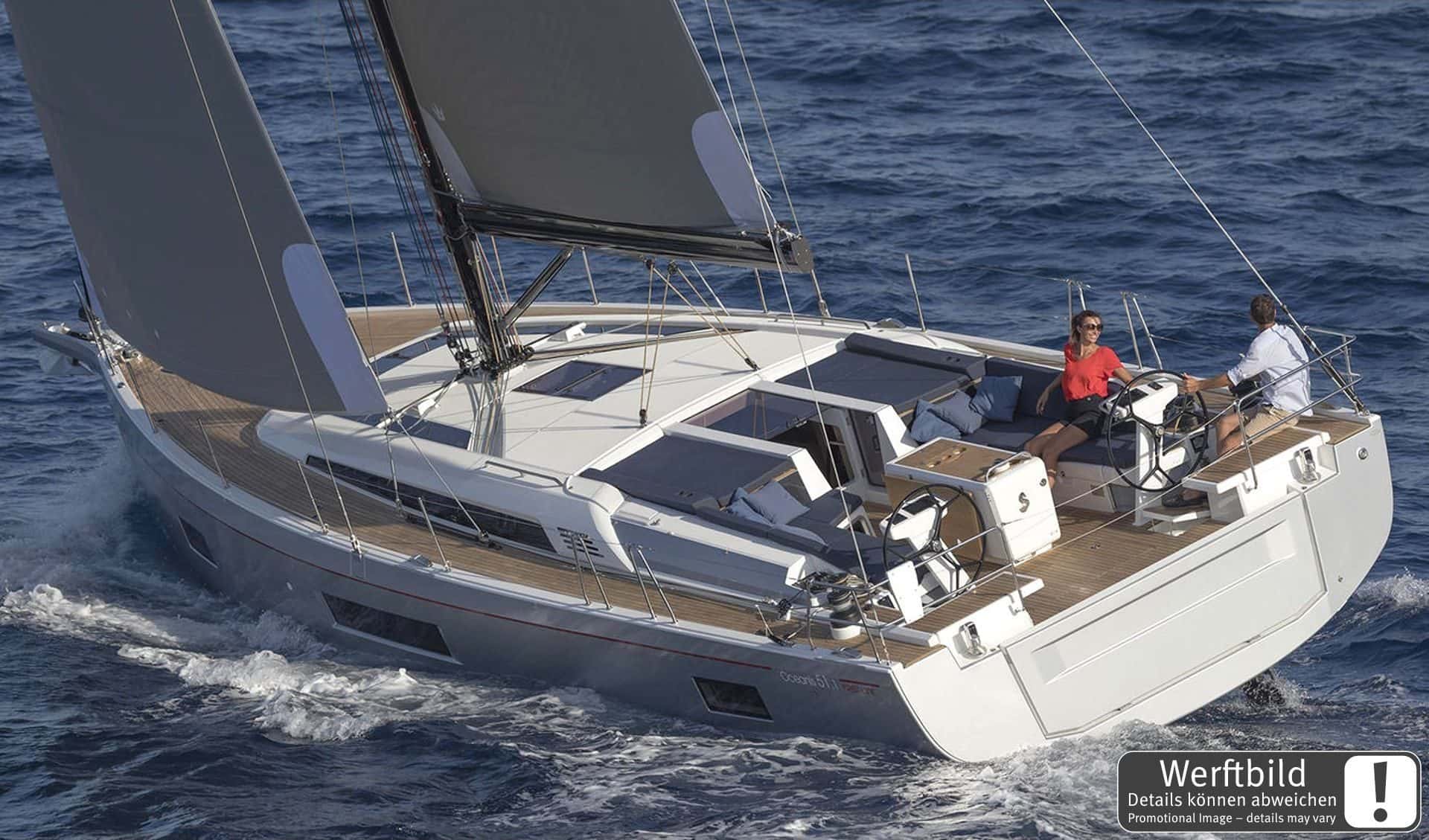
Oceanis 51.1
12 People · 5 Cabins · 15.9 m
Total price from €3,815 for 7 days
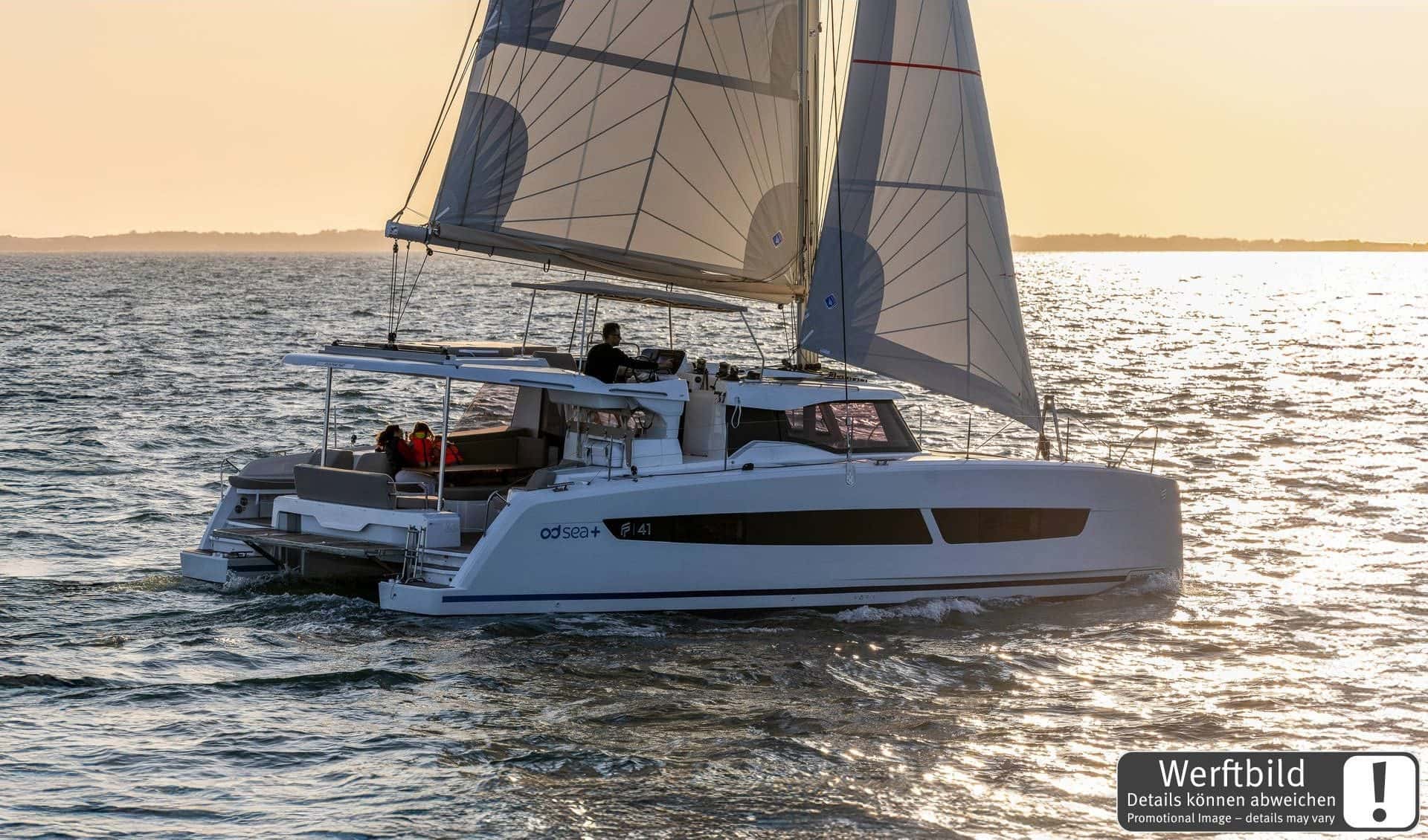
FP 41
8 People · 3 Cabins · 12.1 m
Total price from €3,200 for 7 days
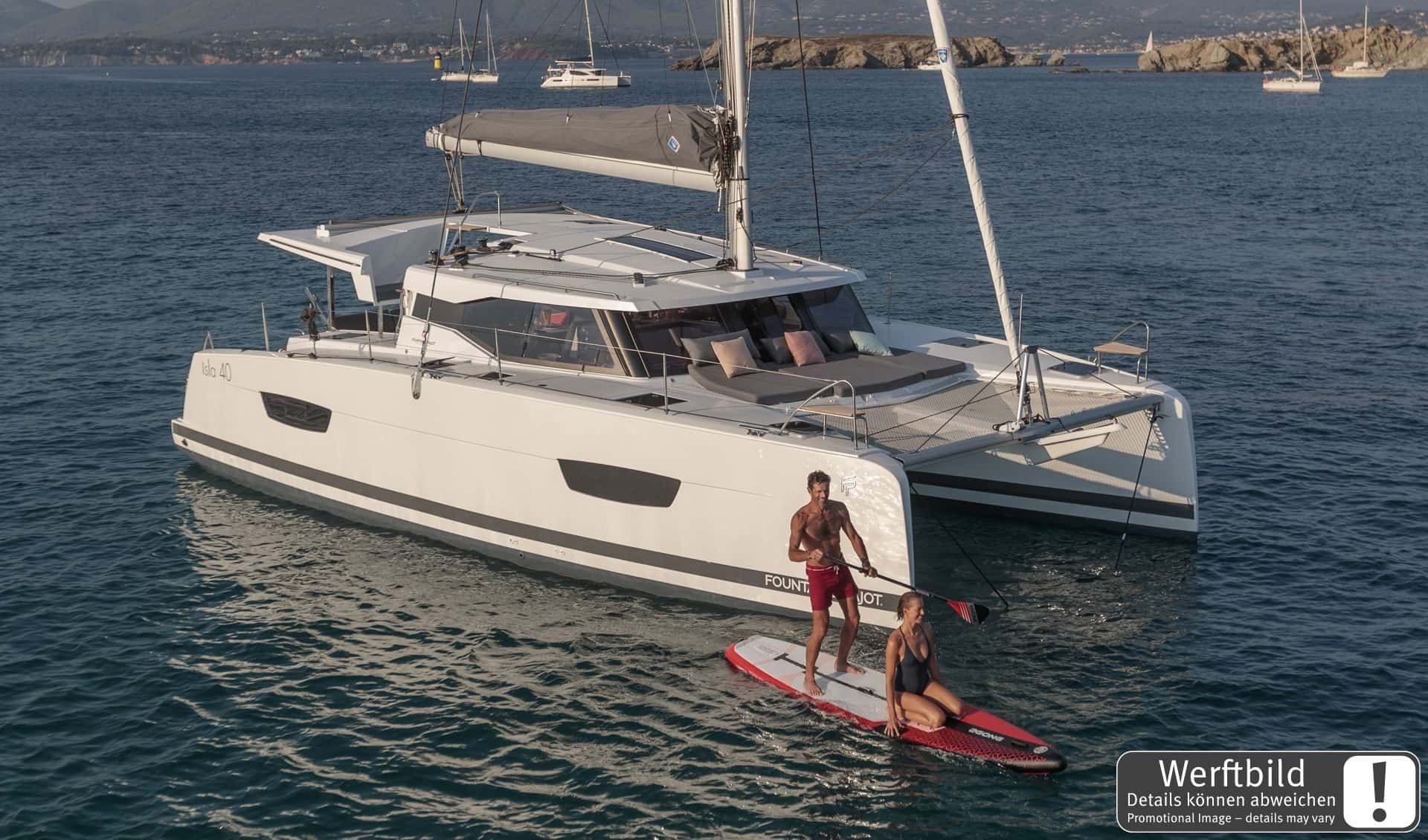
Isla 40
11 People · 5 Cabins · 11.9 m
Total price from €3,020 for 7 days

Lagoon 51
9 People · 4 Cabins · 15.6 m
Total price from €7,275 for 7 days

Oceanis 46.1
10 People · 4 Cabins · 14.6 m
Total price from €3,200 for 7 days
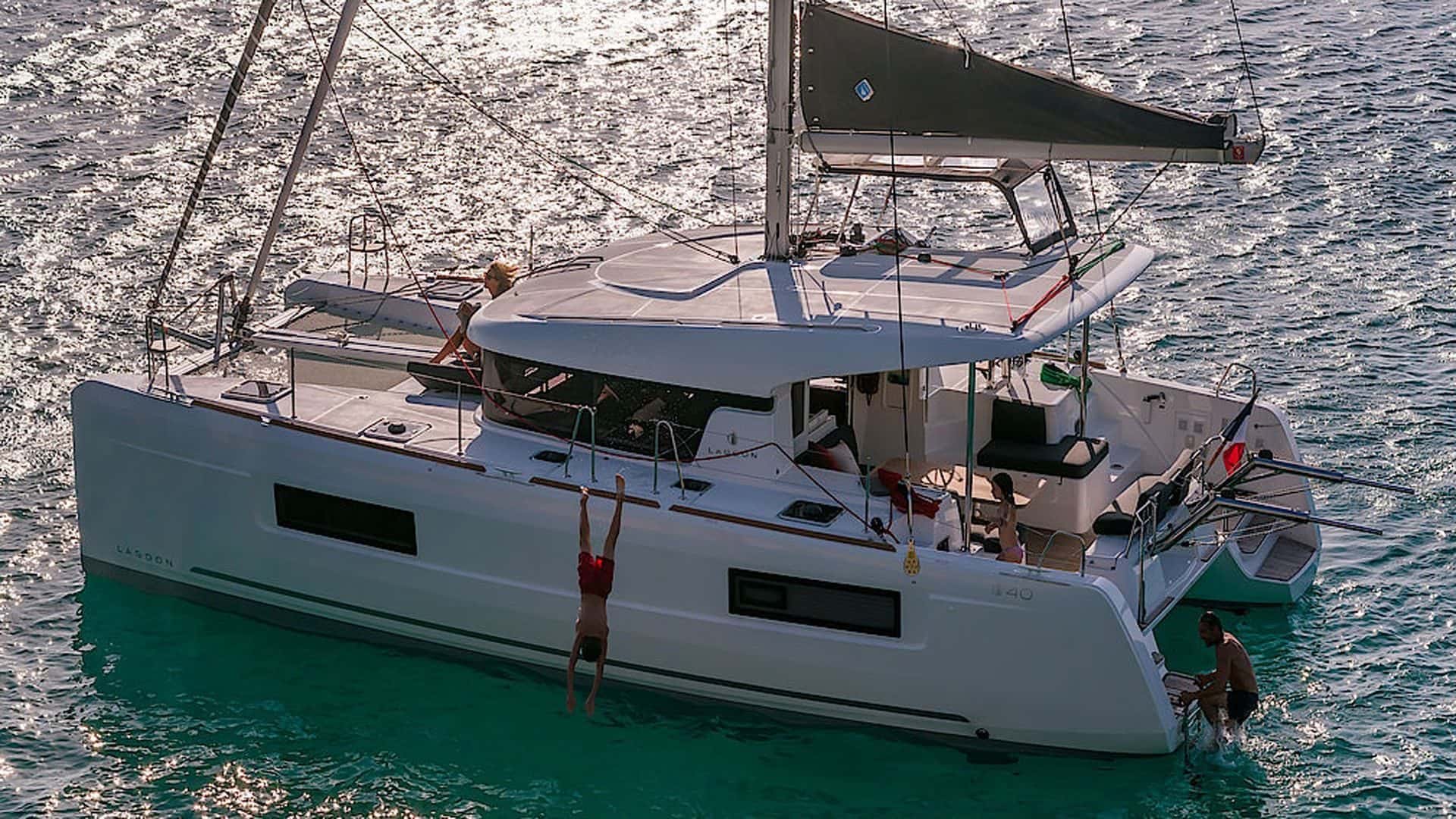
Lagoon 40
11 People · 5 Cabins · 11.7 m
Total price from €2,885 for 7 days
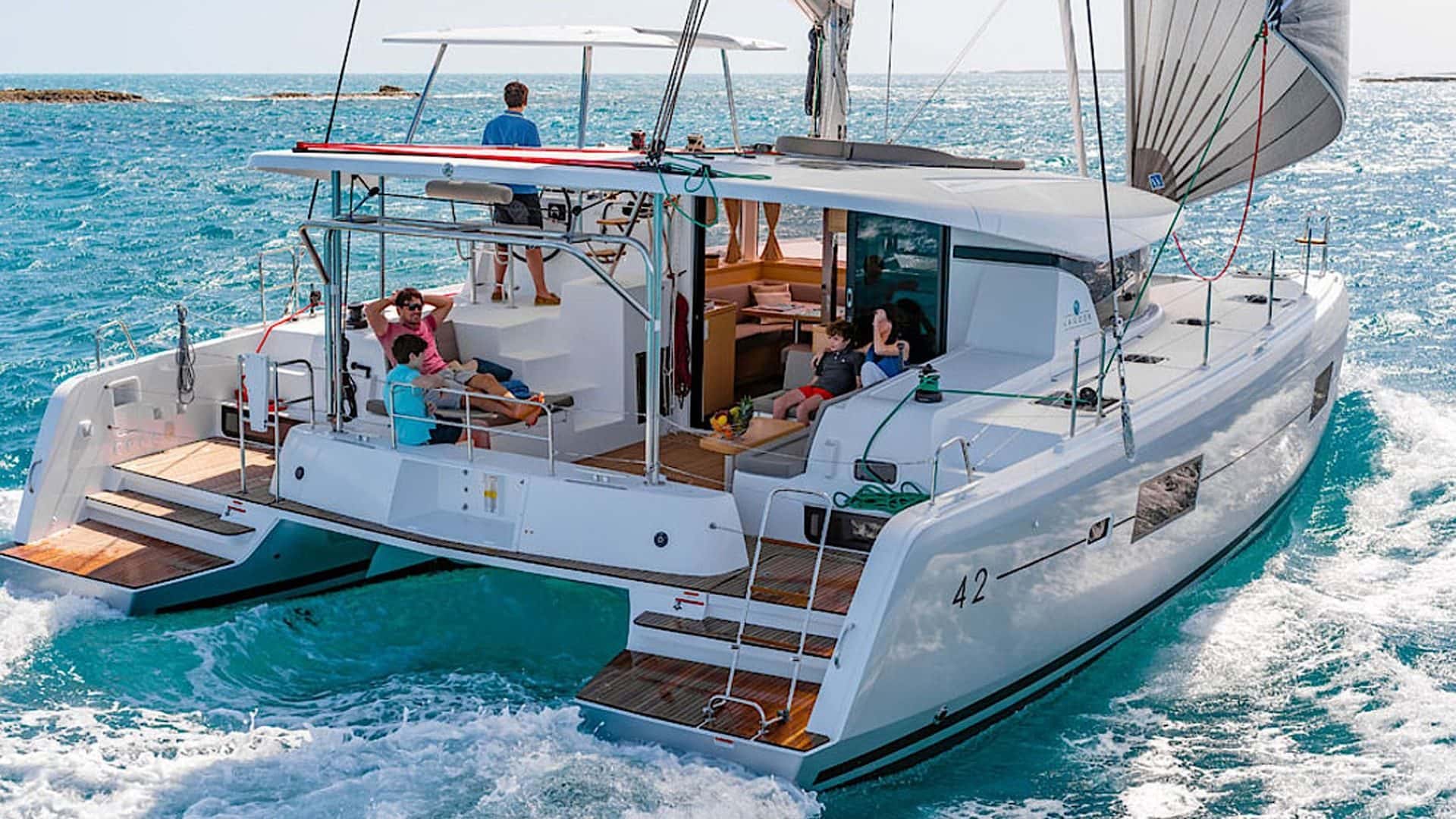
Lagoon 42
12 People · 6 Cabins · 12.8 m
Total price from €3,380 for 7 days
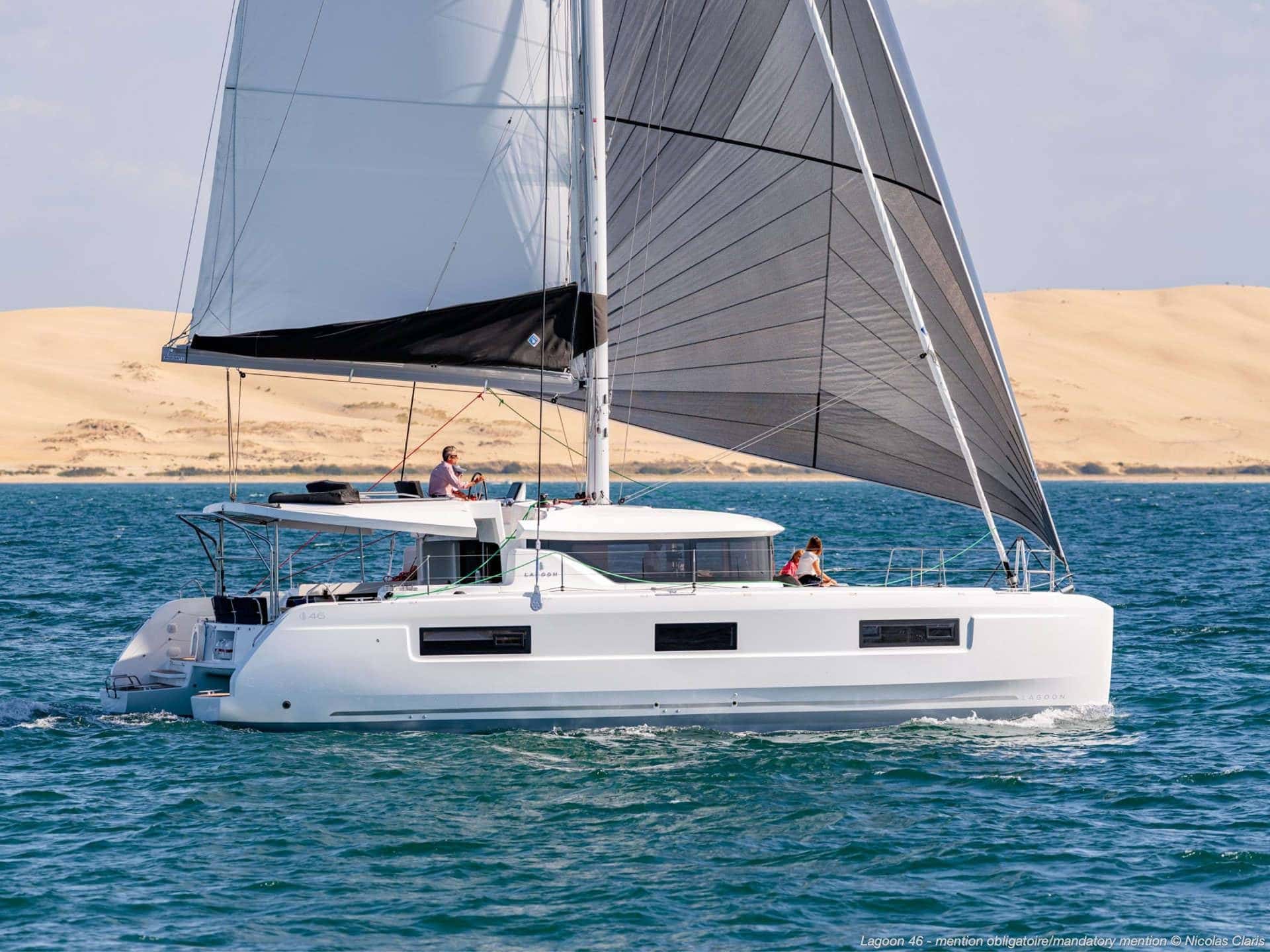
Lagoon 46
12 People · 6 Cabins · 14 m
Total price from €4,963 for 7 days
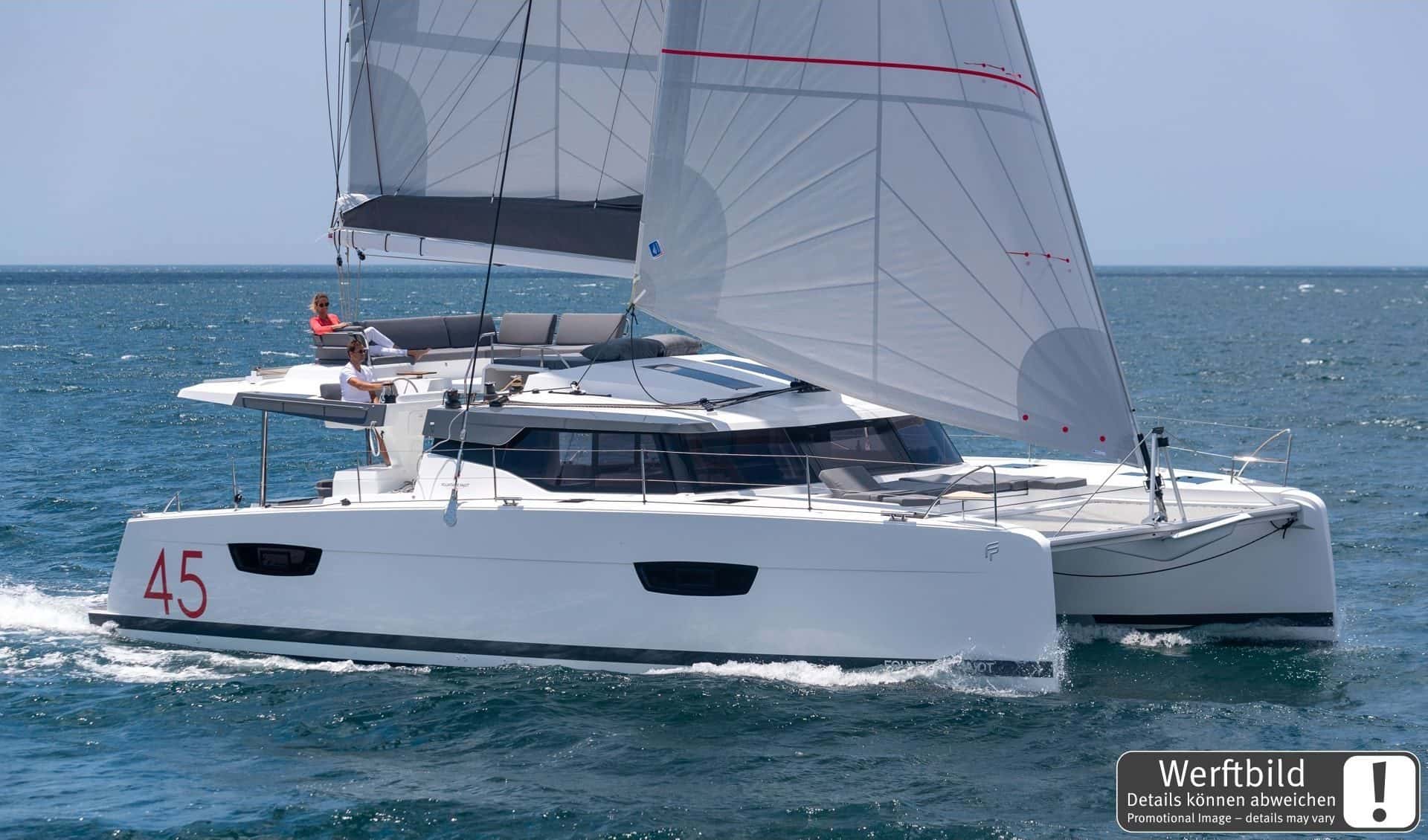
Elba 45
9 People · 4 Cabins · 13.5 m
Total price from €5,813 for 7 days
A yacht charter from Can Pastilla offers a practical way to experience Mallorca from the water, whether you want a relaxed day along the coast, a longer stay aboard, or a trip shaped around swimming, sailing, and quiet anchorages. The right plan depends less on covering a long list of destinations and more on matching the yacht, route, and level of support to your group. Before booking, consider how much space you need, whether anyone in the party is comfortable taking responsibility for the vessel, and how flexible you can be if wind or sea conditions change. Can Pastilla can work well as a starting point for exploring the wider Bay of Palma and adjoining stretches of Mallorcan coastline, but the most suitable itinerary will vary with the forecast, the yacht's characteristics, and local navigation restrictions. A route that feels easy in calm weather may be inappropriate when wind, swell, or visibility deteriorates. Treat suggested cruising ideas as options rather than promises, and discuss your priorities with the operator or skipper before departure. You can choose a yacht without a skipper if you hold the required qualifications and have suitable practical experience, or arrange a yacht with a skipper or crew if you prefer local support. A skipper can manage navigation and handling while helping the group make realistic decisions about stops and timing. Even with professional support, it is worth explaining whether your priority is active sailing, family time, swimming, waterfront dining, or simply enjoying the scenery. Clear expectations make it easier to select the appropriate yacht and build a satisfying itinerary. The sections below explain the main cost drivers, seasonal considerations, harbour preparation, cruising choices, and qualification checks. Because prices, operating policies, weather patterns, and legal requirements can change, confirm all important details directly with the charter provider and consult current official guidance before travelling.
The total cost of a Can Pastilla yacht charter is shaped by more than the advertised hire rate. The type and size of yacht, travel period, booking duration, onboard capacity, age and specification of the vessel, and whether you add a skipper or other professional support can all affect the final amount. Demand also changes through the year, so a yacht that suits your budget during a quieter period may cost more or have stricter booking conditions during popular holiday dates. Start by deciding what kind of experience you actually need. A compact sailing yacht may suit a group that values the sailing itself and is comfortable with shared spaces. A larger sailing yacht can offer more cabins, storage, and social space, but may also bring higher running costs and require more handling experience. A motor yacht may make it easier to move between areas when conditions allow, although fuel use can become a significant variable. A catamaran often appeals to groups looking for generous deck space and a stable living layout, but marina charges and handling requirements may differ from those for a single-hull yacht. Ask for a written breakdown of what is included. Depending on the operator and vessel, the quoted rate may or may not cover final cleaning, bed linen, towels, cooking gas, local taxes, marina services, tender use, safety equipment, or administrative charges. Optional extras can include paddleboards, additional bedding, protective netting, early access where offered, food provisioning, airport transfers, or specialist water-sports equipment. Availability and rules differ, so do not assume that an item shown in photographs is automatically part of the booking. Fuel is another important cost driver. On a sailing yacht, consumption depends on how often the engine is used for manoeuvring, charging systems, or making progress when sailing is impractical. Motor-yacht consumption varies substantially with vessel design, cruising speed, sea state, load, and route. Ask how the fuel level is recorded at handover and what refuelling procedure applies on return. If you want a rough planning estimate, request one from the operator for your preferred itinerary, while recognising that actual use can change. Mooring and marina fees are not always included. Costs can depend on the yacht's dimensions, location, date, services used, and whether a berth is reserved in advance. Anchoring may reduce reliance on paid berths, but it is only appropriate where regulations, seabed conditions, depth, weather, and the vessel's equipment allow it. Protected areas may have restrictions or designated mooring systems. Check current charts, notices, and local rules rather than choosing an anchorage solely from a travel article or social-media post. If you book with a skipper or crew, clarify how professional fees, meals, and accommodation are handled. Ask whether the yacht layout provides an appropriate sleeping arrangement and whether any additional expenses are settled in advance or during the charter. If you charter without a skipper, a security deposit or deposit alternative may apply. Read the damage, insurance, excess, and cancellation terms carefully. Understand what happens if the operator considers the nominated person insufficiently qualified, if weather prevents the planned route, or if the yacht needs technical attention. Provisioning can also influence the budget. Shopping in advance may be convenient, but storage and refrigeration aboard are limited compared with a house or hotel. Plan simple meals, avoid unnecessary packaging, and ask what galley equipment is provided. Finally, compare offers on a like-for-like basis. The lowest initial rate is not necessarily the lowest total cost once mandatory fees, fuel, berthing, optional equipment, and professional services are included.
| Month | Air ↑ (°C) | Air ↓ (°C) | Water (°C) | Sunshine hours (h/d) | Wind (km/h) |
|---|---|---|---|---|---|
| January | 15.4 °C | 5.2 °C | 14.5 °C | 5.5 h/d | 13 km/h |
| February | 15.7 °C | 5 °C | 13.7 °C | 6.1 h/d | 13.4 km/h |
| March | 17.6 °C | 6.4 °C | 13.9 °C | 6.7 h/d | 13.7 km/h |
| April | 19.3 °C | 8 °C | 14.9 °C | 7.3 h/d | 14 km/h |
| May | 22.7 °C | 11.4 °C | 17 °C | 9.4 h/d | 13.4 km/h |
| June | 26.9 °C | 15.6 °C | 21 °C | 10.4 h/d | 13 km/h |
| July | 29.7 °C | 18.4 °C | 24.3 °C | 11.1 h/d | 12.6 km/h |
| August | 30.2 °C | 19 °C | 26.2 °C | 10.3 h/d | 12.2 km/h |
| September | 27 °C | 16.6 °C | 24.7 °C | 7.9 h/d | 11.9 km/h |
| October | 23.2 °C | 13.4 °C | 22 °C | 6.4 h/d | 12.2 km/h |
| November | 19.1 °C | 9.1 °C | 18.7 °C | 5.4 h/d | 12.6 km/h |
| December | 16.2 °C | 6.6 °C | 16 °C | 4.9 h/d | 13 km/h |
There is no single best season for every Can Pastilla yacht charter. The right period depends on whether you prioritise warm water, lively coastal areas, quieter harbours, active sailing, or greater flexibility in yacht choice. Popular summer periods tend to bring stronger demand, warmer conditions, and busier marinas and anchorages. Travelling outside the busiest holiday weeks may offer a calmer atmosphere, but weather can be less settled and some visitor-oriented services may operate differently. Warm, sunny conditions should never be treated as guaranteed. Mallorca can experience changing wind, swell, cloud, rain, and reduced visibility at any time. Local effects around headlands, bays, and built-up coastal areas may make conditions on the water differ from those observed at the marina. Sea breezes can also develop or strengthen during the day, while offshore forecasts may not describe every local variation. Review an authoritative marine forecast before departure and continue monitoring updates throughout the trip. For groups seeking leisurely swimming and outdoor living, the warmer part of the year is often attractive. Heat and strong sun, however, create their own practical issues. Bring adequate drinking water, sun protection, hats, and light layers that cover the skin. Plan shade breaks, particularly for children and anyone sensitive to heat. Dehydration and fatigue can affect judgement, so the person responsible for the yacht should remain rested and avoid alcohol while navigating. The periods around peak summer can appeal to sailors who prefer less intense heat and potentially quieter surroundings. Conditions may still be excellent, but day-to-day variability can be greater. Pack a waterproof outer layer and warmer clothing for wind exposure, especially if you expect to remain on deck. Water temperature and evening comfort may not match summer expectations, so ask the operator for current local observations rather than relying on broad seasonal averages. Cooler months can provide rewarding days on the water for experienced groups, but they require conservative planning. Shorter daylight, cooler spray, changing forecasts, and reduced availability of some shoreside services can affect the itinerary. Confirm the yacht's heating, weather protection, bedding, and safety equipment if these matter to your group. It is also sensible to identify alternative plans ashore in case conditions are unsuitable. Whatever the season, avoid building a trip around one indispensable anchorage or destination. A good itinerary has several options: a preferred route, a shorter alternative, and a safe return plan. The operator or skipper should have the final say where safety, vessel limits, or local restrictions are concerned. If the forecast is marginal, changing the route is a normal part of yachting rather than a failure of the holiday.
Good preparation at the base is one of the most valuable parts of a Can Pastilla charter. Allow enough time for the handover and resist the temptation to rush away from the berth. Inspect the yacht with the operator's representative, note any existing damage, and learn how the engine, electrical system, batteries, water system, heads, stove, anchor equipment, and navigation instruments work. Locate lifejackets, fire extinguishers, emergency controls, first-aid supplies, and the method for contacting the operator. Ask questions while assistance is readily available. Before leaving, confirm the yacht's permitted navigation area and any return conditions. Check current harbour directions, speed restrictions, shallow areas, traffic patterns, and local notices using official information and up-to-date charts. Marina layouts and operating procedures can change, so online photographs or older guidebooks are not sufficient for close-quarters navigation. Prepare mooring lines and fenders before manoeuvring, brief everyone on their role, and keep children or inexperienced guests away from lines under load. The wider cruising area can support several styles of trip when weather and vessel limits permit. A relaxed outing might focus on a short coastal passage, time at anchor in a suitable sheltered place, and an unhurried return. A sailing-focused group may prefer open water and a route chosen for the day's wind. Longer charters can combine nights at anchor with marina stays, but it is wise to preserve flexibility rather than committing to an ambitious sequence of stops. When selecting a bay or anchorage, consider wind direction, expected changes, swell, depth, holding ground, room to swing, underwater hazards, and the presence of other boats. Do not anchor on protected habitats or in prohibited zones. Where regulated moorings are provided, follow the current booking and usage instructions. A visually attractive cove is not automatically safe for an overnight stay, and a place that is comfortable in the afternoon can become exposed if conditions shift. Shore access also deserves planning. A tender may be useful, but its capacity, equipment, engine rules, and permitted operating area should be confirmed during handover. Keep essential items dry, use lights when required, and avoid overloading. If you plan to eat ashore, verify whether landing is practical and whether a table or berth reservation is needed. Never assume that a waterfront venue provides a safe place to leave a tender or yacht. Environmental care is especially important around Mallorca's coast. Use holding and waste systems as instructed, take rubbish back to an appropriate disposal point, and avoid releasing soaps, oils, or litter into the sea. Keep a respectful distance from wildlife and swimmers. Reduce speed where wash could affect other vessels, the shoreline, or people in the water. Follow current local requirements for protected areas, fishing, diving flags, and water-sports zones. For the return to Can Pastilla, review the latest conditions before approaching the harbour. Secure loose items, prepare lines and fenders, and assign simple tasks to capable members of the group. Contact the base as instructed if assistance is required. Leave time for refuelling where applicable, condition checks, unloading, and any return paperwork. If weather or a technical concern affects your return, contact the operator promptly rather than improvising a risky solution.
If you want to charter a yacht from Can Pastilla without a skipper, you may need an accepted boating qualification and evidence of relevant practical experience. The required documents can depend on the yacht, its flag, engine power, size, navigation area, insurer, and operator policy. A qualification that is valid at home is not automatically accepted for every vessel in Mallorca. Send clear copies of your certificates to the operator before booking and ask for written confirmation that they are sufficient for the specific yacht. Some bookings may also require a recognised marine radio certificate or proof that someone aboard is authorised to operate the installed radio equipment. Requirements vary, so verify the current position with the operator and consult official Spanish or flag-state guidance where appropriate. Carry original documents if requested, along with identification and any supporting experience record. Formal certification is only part of the assessment. The responsible person should be comfortable with marina manoeuvres, anchoring, navigation, weather interpretation, safety briefings, collision-avoidance rules, and emergency procedures. Experience on a small boat in sheltered inland water may not prepare someone to manage a larger yacht in a busy coastal setting. Be honest about recent experience, including the types of vessel handled and the conditions encountered. The operator may ask questions during check-in or require a practical demonstration. If the representative believes that the nominated person cannot safely manage the yacht, the operator's contract may allow additional support, a change of vessel, or cancellation under specified terms. Read this policy before paying and do not rely on assumptions about how qualifications will be interpreted on arrival. Booking with a skipper is a sensible alternative for groups without the required documents, those who have limited recent experience, or anyone who wants to focus on the holiday rather than vessel management. The skipper remains responsible for navigational and safety decisions, and guests should follow instructions promptly. You can still participate in sailing tasks if the skipper agrees and conditions are appropriate. Do not confuse hiring a skipper with an exemption from all passenger responsibilities. Everyone should attend the safety briefing, understand how to move safely on deck, and know where essential equipment is stored. Parents and guardians remain responsible for supervising children unless the contract explicitly states otherwise. Alcohol, swimming, and water-sports decisions should always respect the skipper's directions and current conditions. Licensing law, recognition of certificates, and operator rules can change. Before travel, verify the latest requirements with the charter provider and relevant official authorities. Written confirmation tied to the chosen yacht is more reliable than general advice from forums or previous visitors.
Choose a skipper if nobody in your group has qualifications accepted for the selected yacht, if practical experience is limited, or if you prefer not to manage navigation and manoeuvring. A local professional can also help adapt the route to current conditions. Confirm the skipper's fee, meals, sleeping arrangements, and responsibilities before booking.
Inclusions vary by operator and yacht. The basic hire may be separate from cleaning, fuel, marina charges, linen, towels, taxes, provisioning, optional equipment, and professional services. Request a complete written breakdown and check which items are mandatory, refundable, or payable locally.
You can discuss preferred destinations and activities, but the final route must account for weather, sea state, yacht limits, local restrictions, and safe return requirements. Build flexibility into the plan and identify shorter alternatives. A skipper or operator may change the itinerary when conditions make the original idea unsuitable.
It can be suitable if the yacht and support level match your experience. First-time groups often benefit from a skipper, a conservative route, and a thorough handover. Explain the group's mobility, sailing background, and priorities to the provider so it can recommend an appropriate arrangement.
Bring soft luggage, non-slip shoes, sun protection, a hat, swimwear, light layers, a waterproof outer layer, personal medication, and dry protection for electronics. Space aboard may be limited, so avoid rigid suitcases where possible. Ask whether towels, bedding, snorkelling equipment, and child-sized lifejackets are supplied.
The response depends on the conditions, booking terms, yacht, and operator policy. The route may be shortened, changed, or delayed, and occasionally departure may be considered unsafe. Review the weather and cancellation clauses before booking. Contact the operator for current guidance rather than making assumptions from a general forecast.
Not necessarily. Fuel may be charged according to use, while marina or regulated mooring fees may be paid separately. The amount depends on the vessel, route, operating style, location, and date. Ask how fuel is measured, where refuelling takes place, and how berthing expenses are settled.
Children can often join, but suitability depends on the yacht, conditions, itinerary, and operator rules. Request correctly sized safety equipment and ask whether protective netting is available or appropriate. Adults must supervise children closely, especially near hatches, steps, lines, the bathing platform, and the water.
Advance arrangements may be advisable during busy periods or where regulated systems apply, but availability and procedures change. Confirm current requirements directly with the marina, mooring authority, operator, or skipper. Always keep an alternative destination or anchoring plan that is safe and legally permitted.
Data powered by Booking Manager