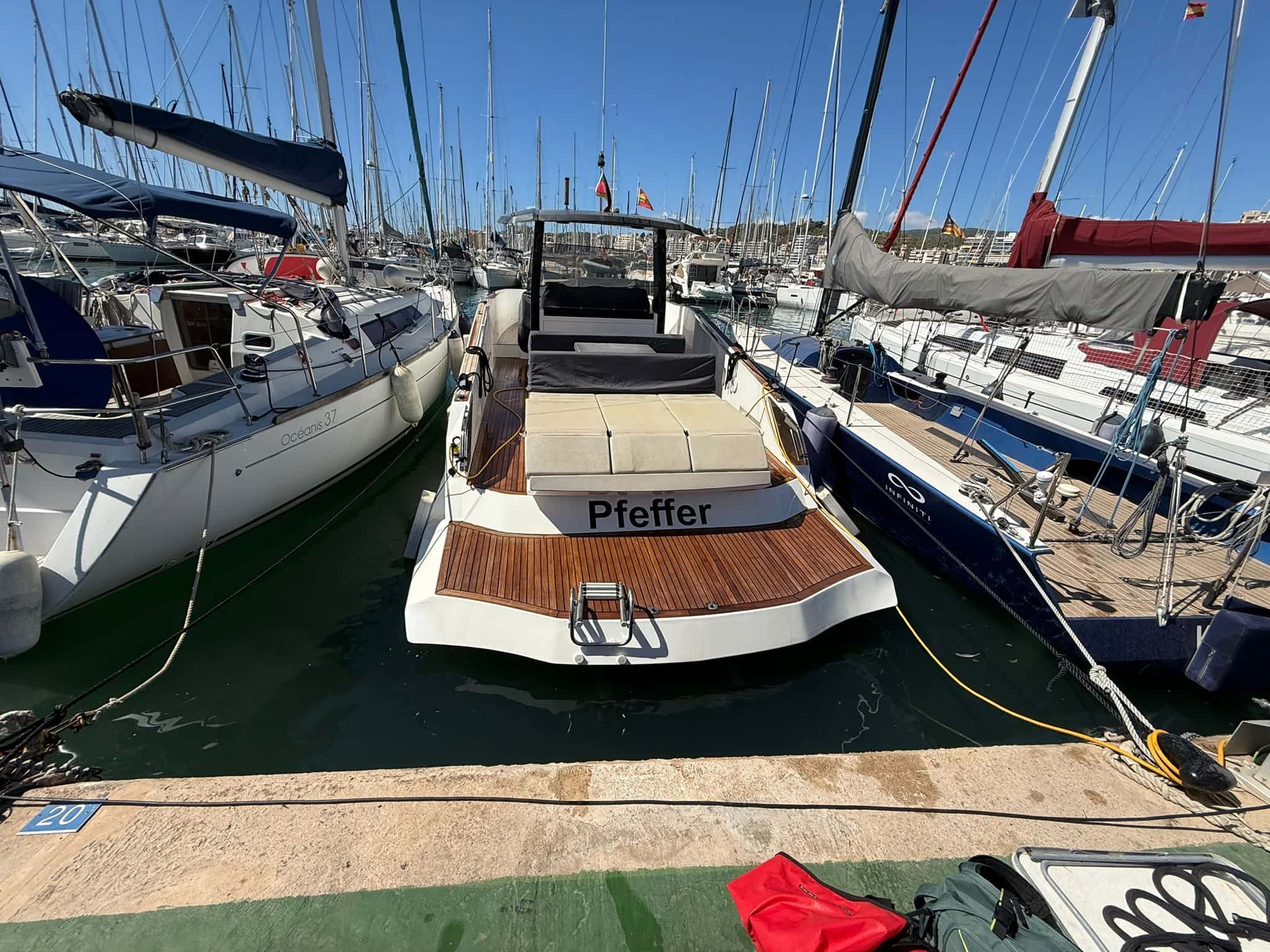
1/3
Day charter
Pfeffer
x-reuse
With skipperWithout skipperMotorboat
4 People · 1 Cabins · 11.3 m
Total price from €7,779 for 7 days
Palma de MallorcaDetails

30 yachts
x-reuse
4 People · 1 Cabins · 11.3 m
Total price from €7,779 for 7 days
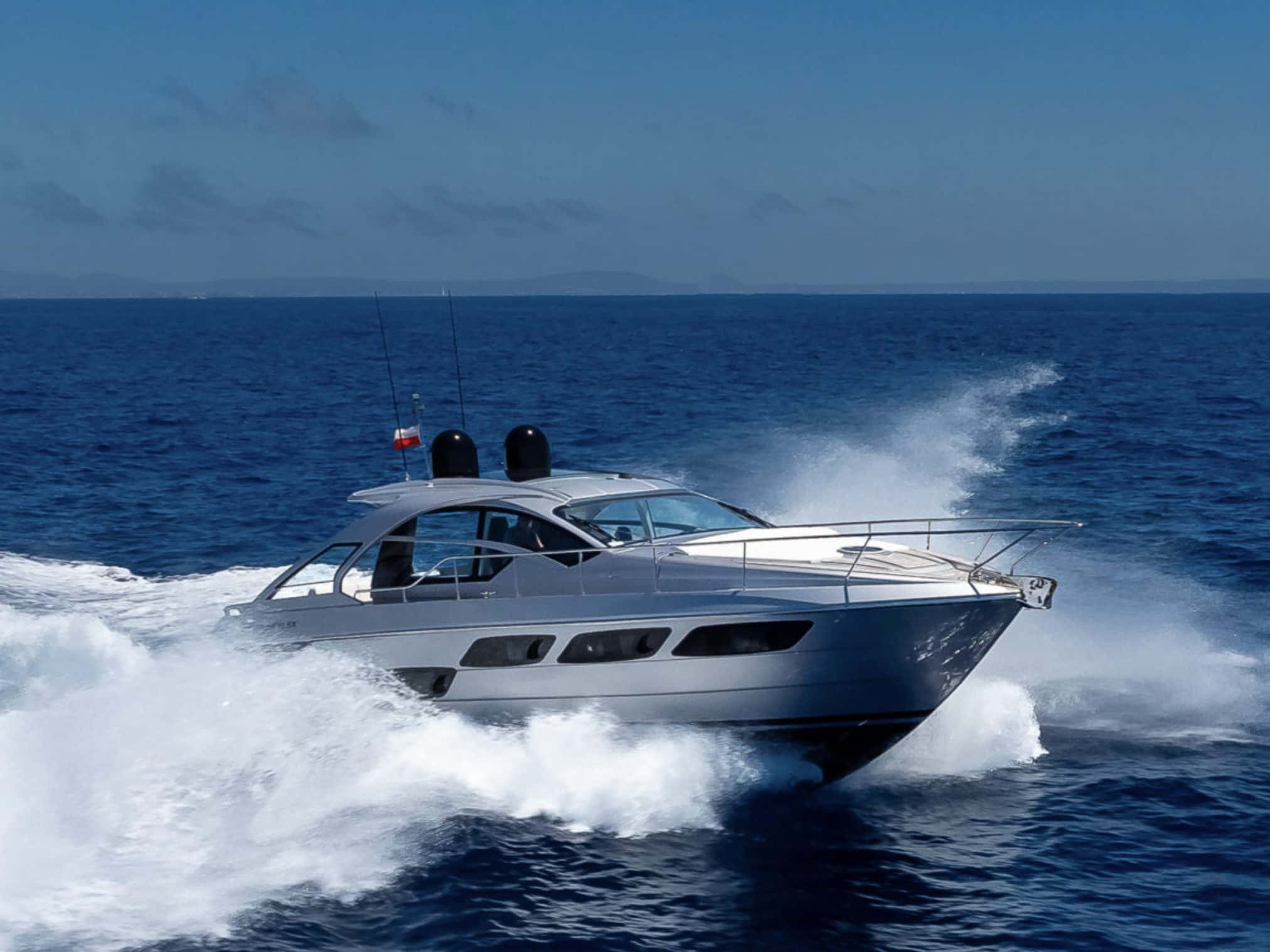
Pershing 50
10 People · 2 Cabins · 16.5 m
Total price from €33,660.50 for 7 days
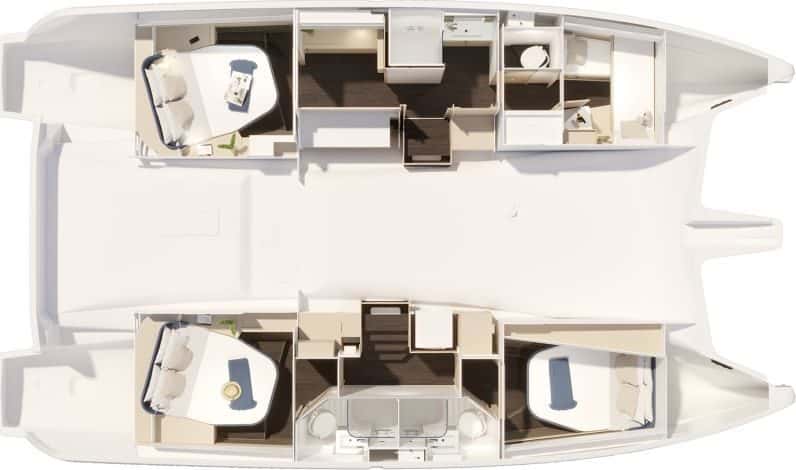
FP 44
6 People · 3 Cabins · 13.3 m
Total price from €8,650 for 7 days

Dufour 460 Grand Large
10 People · 4 Cabins · 14.2 m
Total price from €2,654 for 7 days
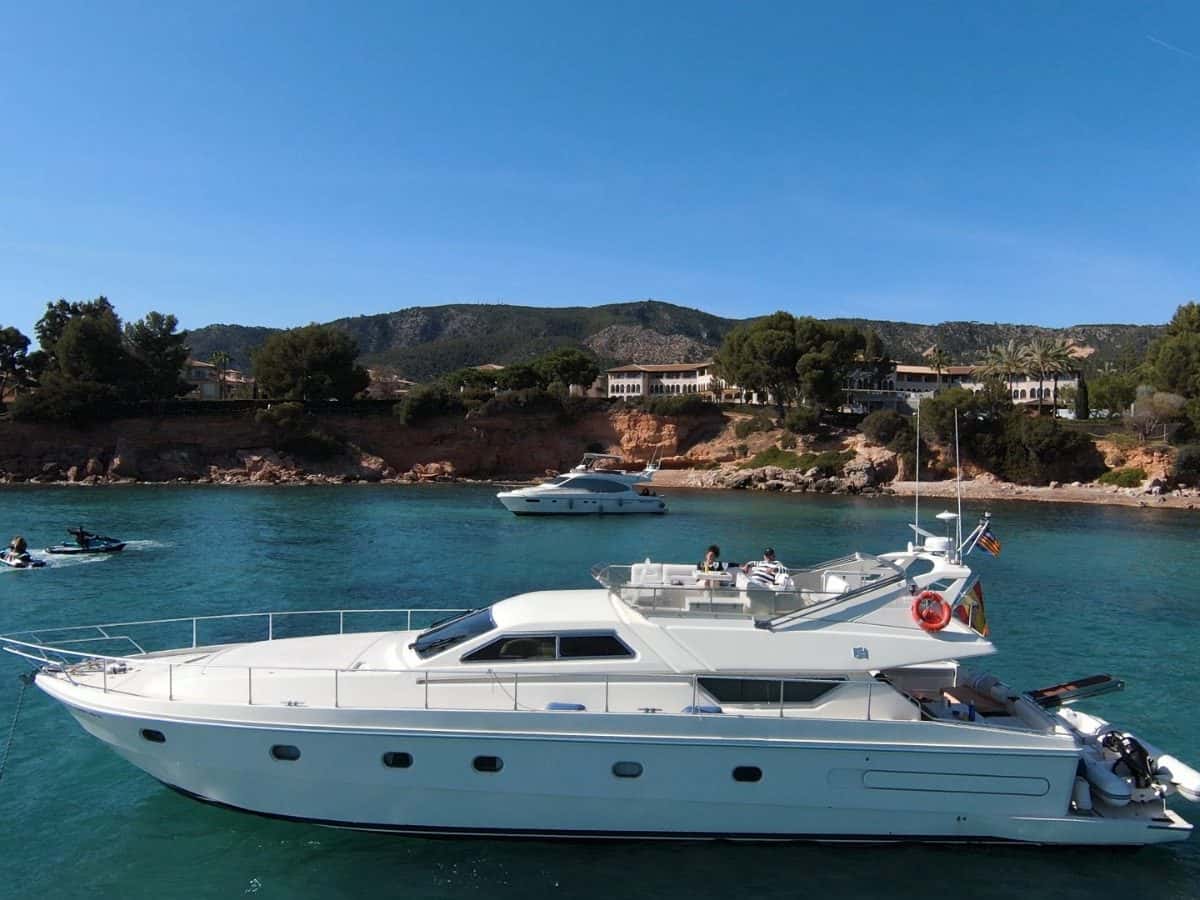
Ferretti 175 FLY
6 People · 3 Cabins · 18.1 m
Total price from €12,800 for 7 days

Excess 11
8 People · 4 Cabins · 11.3 m
Total price from €8,950 for 7 days
A Mallorca yacht charter with a skipper combines the freedom of a private voyage with the reassurance of having a local maritime professional in charge of navigation and manoeuvring. It can suit first-time charter guests, experienced sailors who would rather relax, families who want an extra pair of capable hands, and groups hoping to make better use of limited holiday time. The skipper normally handles the yacht, monitors conditions, plans safe passages, communicates with marinas when necessary, and adapts the itinerary as the trip develops. You can still take an interest in sailing, but participation should always be discussed with the skipper and remain subject to safety considerations. Mallorca is especially varied when seen from the water. Its coastline includes broad bays, developed harbours, sheltered-looking coves, lively resort areas, fishing communities and more rugged stretches where suitable stopping places may be limited. This variety makes thoughtful planning important. A pleasant anchorage in settled weather may not be suitable after a change in wind or swell, while a short-looking coastal leg can become uncomfortable if conditions deteriorate. A skipper helps interpret forecasts, select realistic destinations and identify alternatives rather than treating a proposed itinerary as a fixed promise. The right charter is not just about choosing a yacht. Consider how much privacy and interior space your group needs, whether anyone has reduced mobility, how comfortable guests are at sea, and whether you prefer long sailing days or leisurely stops close to port. Ask what the skipper’s service includes, which expenses are separate, where the skipper sleeps, and what responsibilities remain with the charterer. If additional crew such as a host or cook is available, confirm the arrangement directly with the operator. Availability, operating policies, yacht specifications and local requirements can change, so review the current contract and pre-departure information before booking.
The advertised yacht rate is only the starting point for planning a skippered charter. The final budget can depend on the yacht’s type, size, age, layout and onboard systems, as well as the trip period and booking conditions. Demand often varies across the year and around popular travel dates, but there is no universal pricing pattern that applies to every vessel or operator. Compare like with like and check what is included rather than relying on the headline rate alone. The skipper’s professional fee may be included in the displayed charter price or charged separately. In many arrangements, the charterer is also expected to provide or cover the skipper’s meals. If overnight accommodation ashore is preferred or required, that can affect the budget too. Clarify sleeping arrangements before confirming the yacht: some layouts provide a separate berth, while others require the group to allocate one of the guest spaces. This can change the practical passenger capacity even when the yacht’s technical documentation permits more people onboard. Other possible costs include fuel, marina berths, mooring services, shore power, water, cleaning, local charges, food, drinks, transfers and optional equipment. Fuel use varies with the yacht, speed, sea state, use of engines or generators, and the distance covered. Marina costs can depend on the vessel’s dimensions, location, season and availability. Anchoring may reduce reliance on paid berths, but it is not automatically free or appropriate everywhere. Local environmental restrictions, seabed protection rules, weather and safe swinging room all matter. Ask for a written breakdown of included and excluded items, the security-deposit procedure, payment schedule, cancellation terms and any allowance used for onboard expenses. Find out how unused funds are reconciled and how additional expenditure is approved during the trip. Insurance terms also deserve attention, including exclusions, deductibles and what happens if accidental damage occurs. Travel insurance and charter-specific cancellation protection may offer different forms of cover, so read the relevant policy documents rather than assuming they overlap. A realistic budget should retain flexibility for itinerary changes. Strong winds, swell, marina congestion or a technical issue may make the original plan unsuitable and lead to a different berth or route. Such changes do not necessarily indicate poor planning; they are part of responsible decision-making at sea. Confirm current charges and operator policies before departure, because fees and contractual arrangements can change.
| Month | Air ↑ (°C) | Air ↓ (°C) | Water (°C) | Sunshine hours (h/d) | Wind (km/h) |
|---|---|---|---|---|---|
| January | 15.4 °C | 5.2 °C | 14.5 °C | 5.5 h/d | 13 km/h |
| February | 15.7 °C | 5 °C | 13.7 °C | 6.1 h/d | 13.4 km/h |
| March | 17.6 °C | 6.4 °C | 13.9 °C | 6.7 h/d | 13.7 km/h |
| April | 19.3 °C | 8 °C | 14.9 °C | 7.3 h/d | 14 km/h |
| May | 22.7 °C | 11.4 °C | 17 °C | 9.4 h/d | 13.4 km/h |
| June | 26.9 °C | 15.6 °C | 21 °C | 10.4 h/d | 13 km/h |
| July | 29.7 °C | 18.4 °C | 24.3 °C | 11.1 h/d | 12.6 km/h |
| August | 30.2 °C | 19 °C | 26.2 °C | 10.3 h/d | 12.2 km/h |
| September | 27 °C | 16.6 °C | 24.7 °C | 7.9 h/d | 11.9 km/h |
| October | 23.2 °C | 13.4 °C | 22 °C | 6.4 h/d | 12.2 km/h |
| November | 19.1 °C | 9.1 °C | 18.7 °C | 5.4 h/d | 12.6 km/h |
| December | 16.2 °C | 6.6 °C | 16 °C | 4.9 h/d | 13 km/h |
Mallorca has a Mediterranean climate, but no period can guarantee calm water, clear skies or a particular wind. The best time for your charter therefore depends on what you value most. Guests looking for warm conditions and a lively atmosphere may favour the busier summer period. Travellers who prefer a quieter feel may consider the shoulder seasons, when conditions can still be attractive but services, water temperature and weather patterns may differ. Outside the main holiday period, some waterfront businesses and seasonal facilities may operate on reduced schedules, so verify what will be open for your intended dates. Summer can bring heat, strong sunshine and busy anchorages. Sea breezes may build as the day develops, while local topography can influence wind direction and strength. Spring and autumn can offer pleasant sailing, but changing systems, rain, swell or cooler evenings remain possible. Winter conditions are more variable and may be better suited to guests who are comfortable with flexible plans and reduced shoreside activity. These are broad tendencies rather than promises. A skipper will use current marine forecasts and direct observations to shape each day. General weather applications are useful for background information, but they should not replace official marine forecasts or professional judgement. Wind is only part of the picture: swell direction, wave period, visibility, thunderstorms, local acceleration zones and the security of an anchorage can all affect the decision. A cove that appears protected on a map may be exposed to swell entering from another direction. Bring sun protection, secure footwear, light layers and a waterproof outer layer even during warm periods. Soft luggage is usually easier to stow than rigid cases, although the yacht’s operator should confirm specific packing guidance. Anyone prone to motion sickness should seek suitable advice before travelling and discuss concerns with the skipper. Staying hydrated, eating sensibly and spending time in fresh air can help some guests, but personal medical guidance should come from a qualified professional. Do not build a holiday around a rigid sequence of stops. A more resilient plan identifies preferred areas, acceptable alternatives and activities ashore if sailing conditions become unsuitable. The skipper has the final operational responsibility for safe navigation, and a destination may need to change at short notice. Check official forecasts and current operator advice close to departure.
Mallorca’s principal cruising areas have different characters, and the most suitable choice depends on your embarkation point, forecast, yacht and priorities. Palma Bay is a practical starting area for many visitors, combining substantial harbour infrastructure with access to the island’s capital. It may suit groups that want to combine time on the water with restaurants, historic streets and convenient transport connections. As with any large harbour, follow the skipper’s instructions during departure and arrival, and do not assume that a berth will be available without a confirmed reservation. The southwest is known for developed ports, resort communities and a coastline where short coastal outings may be possible in suitable conditions. Port d’Andratx is often considered by visitors who enjoy an attractive harbour setting and access to the western side of the island. The nearby coast becomes more rugged as it approaches the Tramuntana region. This western and northwestern shore can be visually dramatic, but shelter options may be more limited than they first appear, and swell can affect exposed areas. Plans here should remain particularly responsive to the forecast. Along the north, the waters around Pollença and Alcúdia offer broad coastal scenery and access to prominent headlands. The shape of the bays can provide route options, but conditions can still vary significantly across open water and near capes. Port de Pollença and Port d’Alcúdia can serve as useful bases, subject to the yacht’s arrangements and current berth availability. A skipper may recommend remaining within a bay, changing the order of stops or avoiding a headland when wind and sea state make the original idea uncomfortable. The east coast attracts guests with its coves, beaches and established visitor ports. Cala Ratjada, Porto Cristo and Portocolom are among the names commonly encountered when researching this side of Mallorca. Some coves are compact and can become crowded, while others may be affected by swell or wind despite appearing enclosed. Safe anchoring requires adequate depth, room, suitable holding and respect for protected seabed. Never assume that dropping an anchor is permitted simply because other boats are present. The southeast and south include further coves, beach areas and harbours such as Cala d’Or and Colònia de Sant Jordi. Depending on conditions, these areas can be considered for relaxed coastal cruising, swimming stops or time ashore. Access near protected landscapes or marine zones may be regulated, and rules can cover anchoring, buoys, speed, waste and approach distances. Use designated moorings where required and follow the skipper’s directions. Rather than choosing a route solely from photographs, tell the skipper what kind of experience you want: quiet swimming, sailing practice, waterfront dining, remote scenery or easy access to shore. The skipper can then balance those wishes against current conditions and the yacht’s capabilities. Marina reservations, buoy availability and access rules should be checked with operators and the relevant local authorities, especially during popular travel periods.
When a professional skipper is formally responsible for operating the yacht, guests will not normally be expected to act as the vessel’s qualified master. That does not mean every contractual or legal question disappears. Requirements can depend on the yacht’s registration, the operator’s procedures, the cruising area, insurance conditions and the exact division of responsibilities. The person signing the charter agreement may still have important duties relating to payment, passenger conduct, damage reporting and compliance with onboard rules. Ask the operator to confirm in writing that the skipper supplied for the charter holds the qualifications, endorsements and experience required for that yacht and area. The operator should also explain who has command, who is authorised to handle the vessel, and whether guests may assist under supervision. Do not assume that recreational experience or a certificate from another country automatically permits independent operation of the yacht or its tender. If you hope to take the helm, practise manoeuvres or gain experience, raise this before booking. Some skippers are happy to explain navigation and sailing techniques when conditions allow, but instruction may not be part of the service. Insurance or operator rules may restrict guest involvement. A leisure charter should not be treated as an accredited training course unless an authorised training arrangement is explicitly included. Tender use also needs clarification. A small auxiliary craft can be subject to local regulations, safety rules and operator limitations. The skipper may decide who can operate it and under what circumstances. Personal watercraft and other optional equipment can have separate licence, age, insurance or area restrictions. Verify current official requirements rather than relying on informal advice from previous visitors. All guests should attend the safety briefing. Learn where life-saving equipment is kept, how to move safely on deck, what to do in an emergency and how toilets and waste systems must be used. Follow instructions concerning smoking, swimming, alcohol, children, hatches and electrical equipment. The skipper’s authority on safety and navigation must be respected, including decisions to delay departure, change course or remain in port. For definitive legal guidance, consult the operator and the relevant maritime authorities before travel.
The skipper normally takes responsibility for navigation, manoeuvring, route planning and day-to-day safety decisions. They monitor weather and sea conditions, communicate with marinas when needed, and help identify suitable places to stop. The precise service varies, so confirm whether the skipper also assists with provisioning, restaurant bookings, local recommendations or water activities. Cooking, housekeeping and continuous guest service should not be assumed unless additional crew and duties are specifically included.
You can usually share preferences and proposed destinations, but the itinerary should be treated as flexible. The skipper must consider forecasts, sea state, yacht capabilities, safe anchorages, marina access and the comfort of the group. A requested cove or harbour may be unsuitable on the day, even if it looked appropriate during planning. Discuss priorities rather than insisting on a fixed route, and agree on acceptable alternatives before departure.
Guests generally do not need sailing experience when the supplied skipper is formally in command. However, contractual obligations and local rules still apply, and guests should not operate the yacht or tender independently without explicit permission. If you want to participate in sailing, ask the operator in advance what is allowed. Verify current qualification and insurance requirements with the charter provider and relevant authorities.
Not always. Some agreements require the charterer to provide or pay for the skipper’s meals, and the yacht may need a designated sleeping space for them. If there is no suitable separate cabin, allocating a berth can reduce the practical space available to guests. Ask for the meal policy, accommodation arrangement and any related charges in writing before booking.
Pack light, practical clothing, secure non-marking footwear, sun protection, a warm layer and a waterproof outer layer. Soft-sided luggage is often easier to store, but check the yacht’s guidance. Bring personal medication and any recommended motion-sickness products after seeking appropriate medical advice. Avoid unnecessary valuables, and ask whether towels, bedding, toiletries, charging adapters and snorkelling equipment are supplied.
An overnight anchorage may be possible when conditions, seabed rules, yacht equipment and local restrictions allow it. It should never be guaranteed in advance. Wind shifts and swell can make a daytime swimming stop unsuitable after dark, and protected seabed may restrict anchoring. The skipper will decide whether to anchor, use an authorised buoy or enter a harbour based on current information and safe practice.
It can be, provided the yacht, itinerary and safety arrangements match the children’s ages, mobility and experience. Ask about guardrails, cabin access, shade, life jackets and operator policies before booking. An adult should supervise children closely at all times; the skipper cannot replace parental supervision. Swimming and deck access may be restricted when the yacht is moving or when conditions are unsuitable.
The skipper may alter the route, delay a passage, choose a different anchorage or remain in harbour. Safety decisions are based on current forecasts, observations and the yacht’s limitations, not solely on the group’s preferred plan. Review the contract for terms covering weather disruption, cancellations and unused services. Travel insurance may help in some circumstances, but coverage depends on the policy.
Advance planning can be useful, especially when a particular harbour matters to the trip, but reservations remain subject to the marina’s rules and operational conditions. A confirmed restaurant table does not make a sea passage safe, and the route may still need to change. Ask who is responsible for reservations, deposits and cancellation charges, and keep shoreside plans flexible.
Consider sleeping arrangements, bathroom access, cockpit shade, storage, boarding ease and the amount of shared space rather than focusing only on appearance. Tell the operator about children, reduced mobility, medical considerations and any need for privacy. Confirm where the skipper sleeps and how that affects guest accommodation. Review the current specification directly with the operator because equipment, layouts and permitted capacity can differ between yachts.
Data powered by Booking Manager