1/6
Day charter
Madona
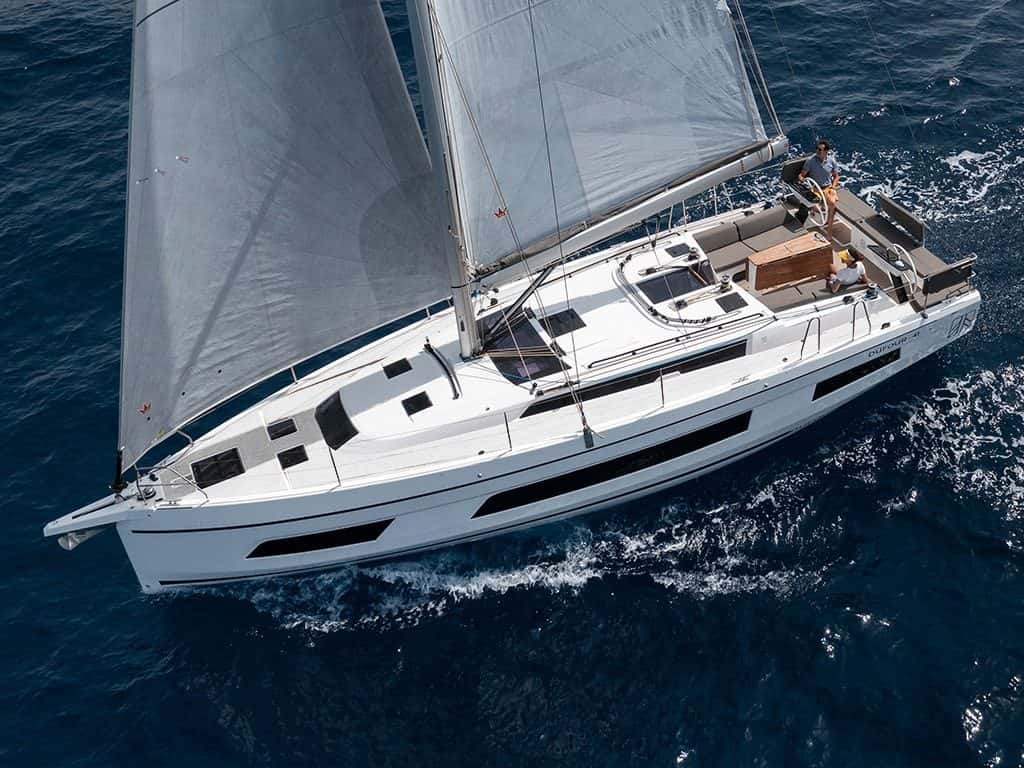
Dufour 41
With skipperSailing yacht
6 People · 3 Cabins · 12.8 m
Total price from €5,460 for 7 days
Palma de MallorcaDetails

72 yachts
Dufour 41
6 People · 3 Cabins · 12.8 m
Total price from €5,460 for 7 days
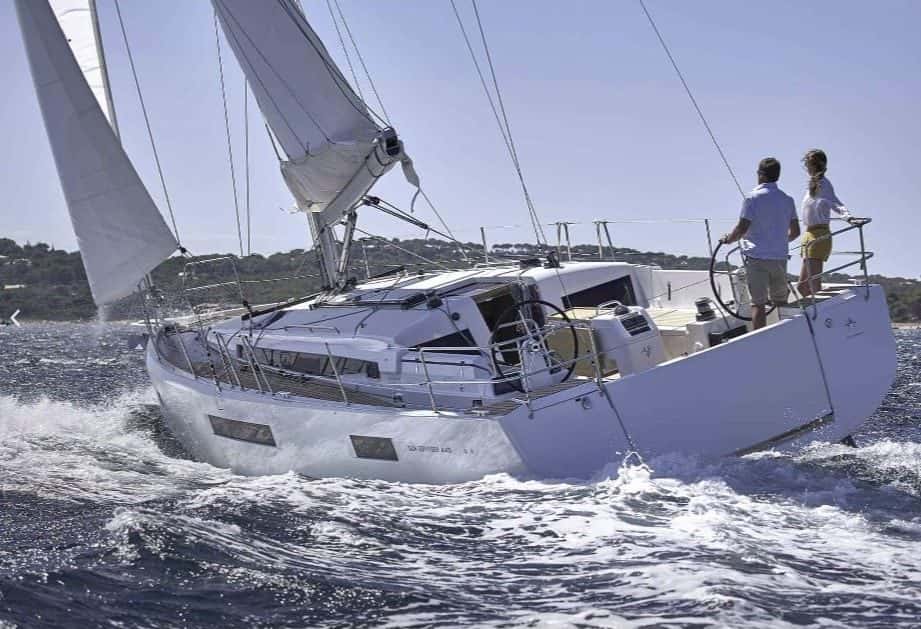
Sun Odyssey 440
8 People · 4 Cabins · 13.4 m
Total price from €3,340 for 7 days

Isla 40
8 People · 4 Cabins · 11.9 m
Total price from €3,735 for 7 days

MY6
6 People · 3 Cabins · 14 m
Total price from €9,810 for 7 days
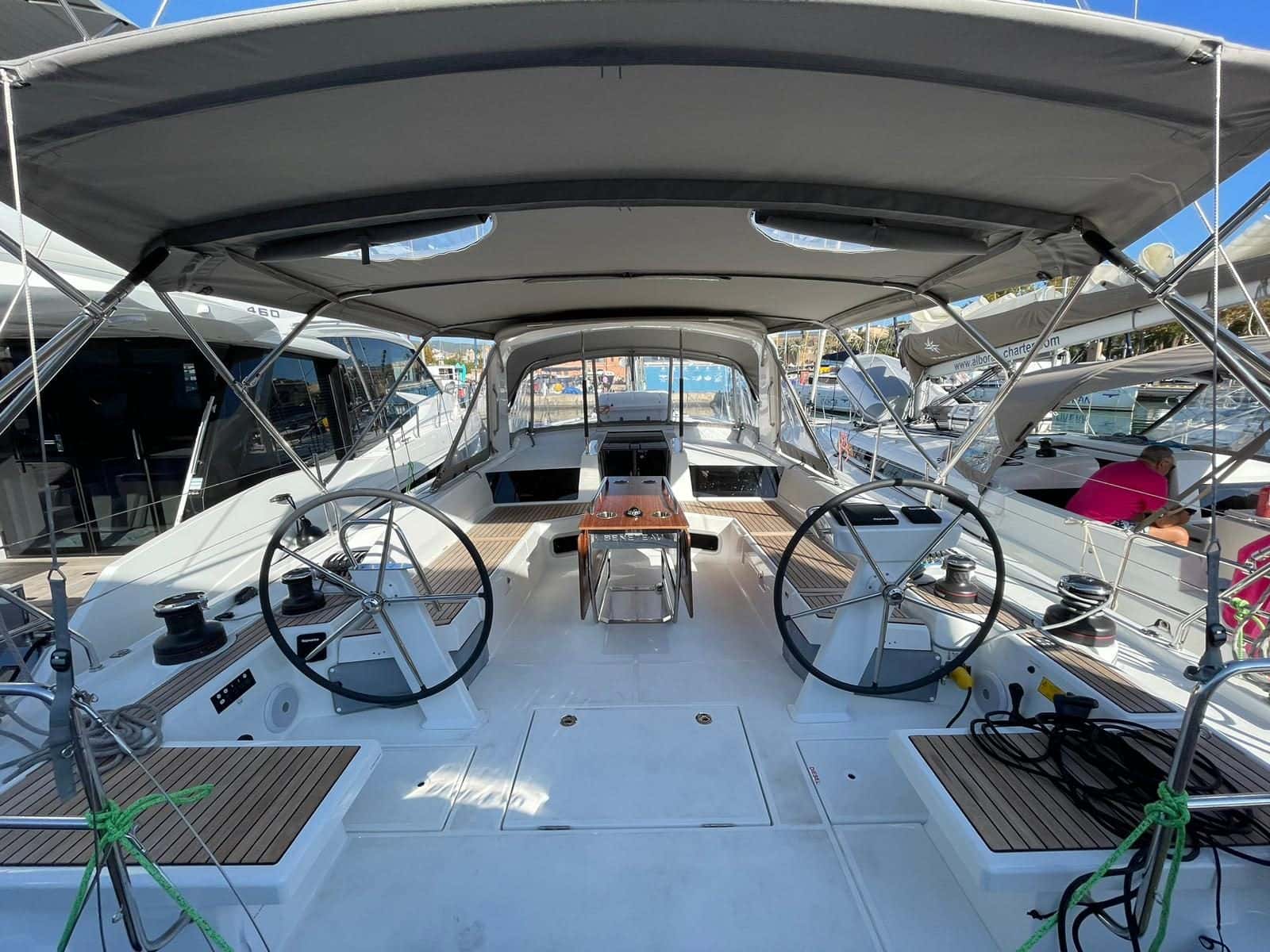
Oceanis 51.1
12 People · 5 Cabins · 15 m
Total price from €4,060 for 7 days
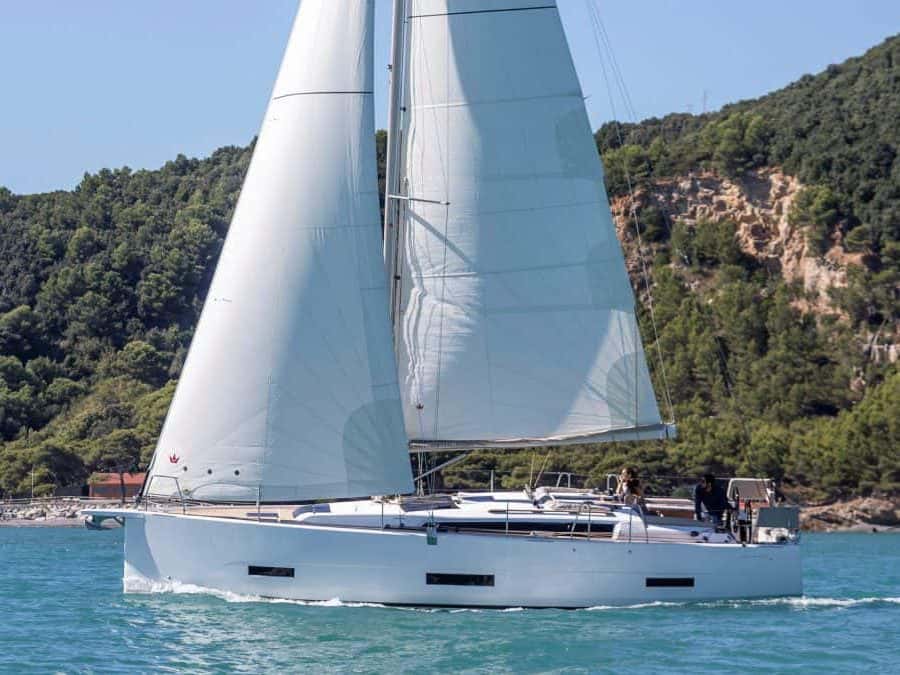
Dufour 390
6 People · 3 Cabins · 11.9 m
Total price from €2,600 for 7 days
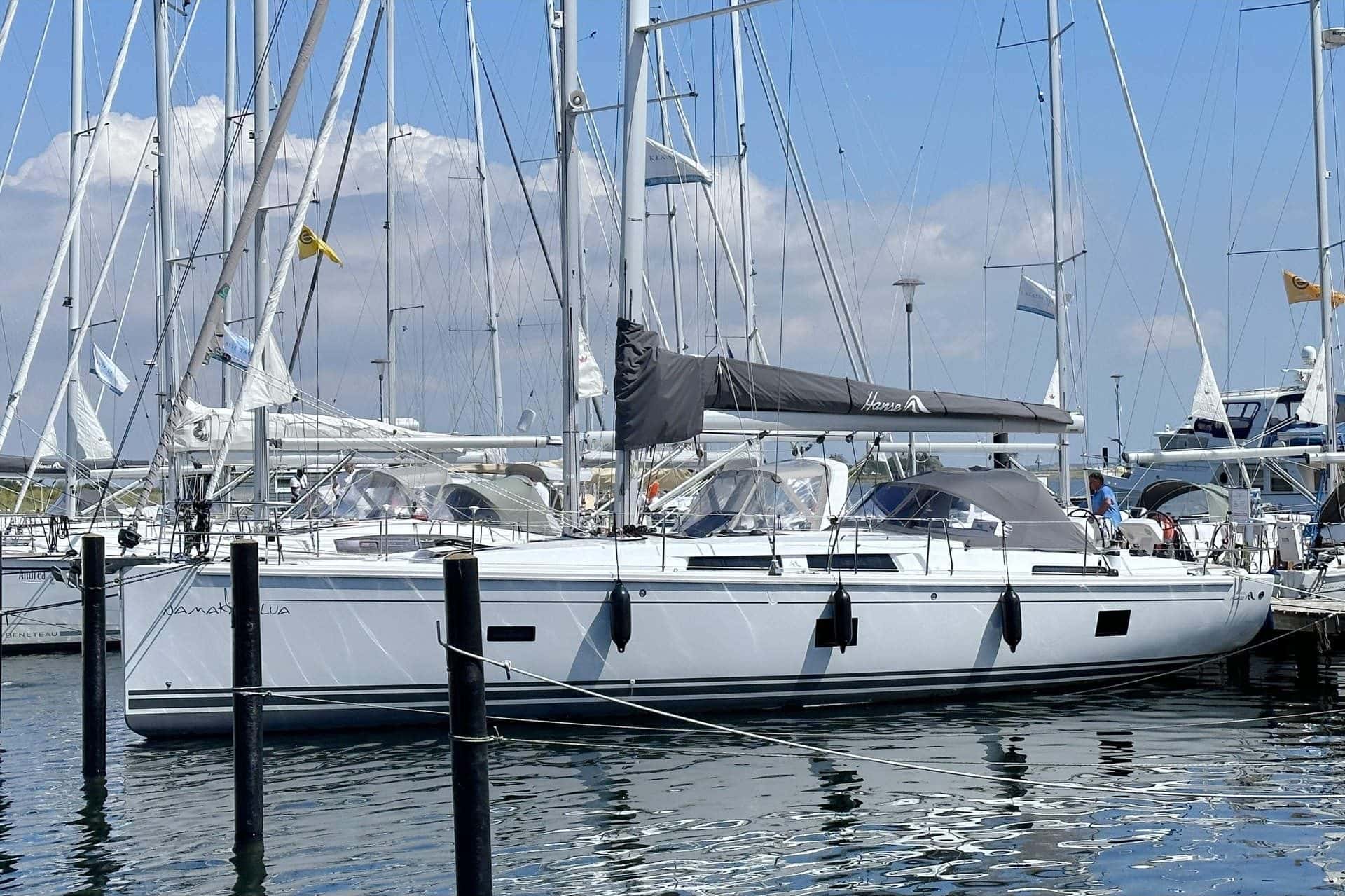
Hanse 458
8 People · 3 Cabins · 14 m
Total price from €2,965 for 7 days
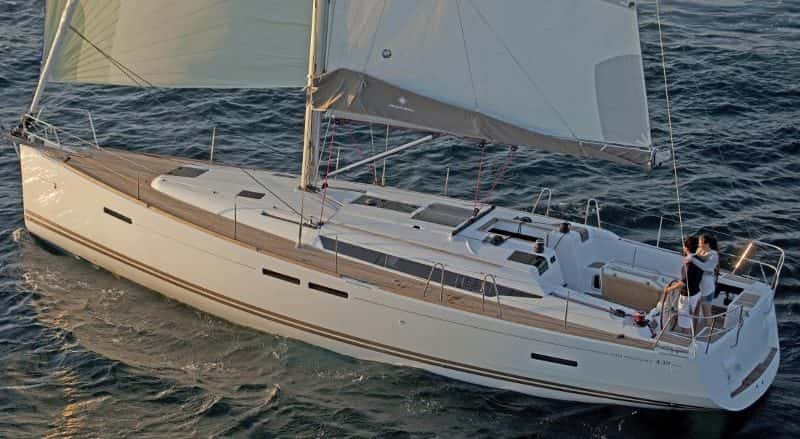
Sun Odyssey 410
8 People · 3 Cabins · 12.4 m
Total price from €2,430 for 7 days
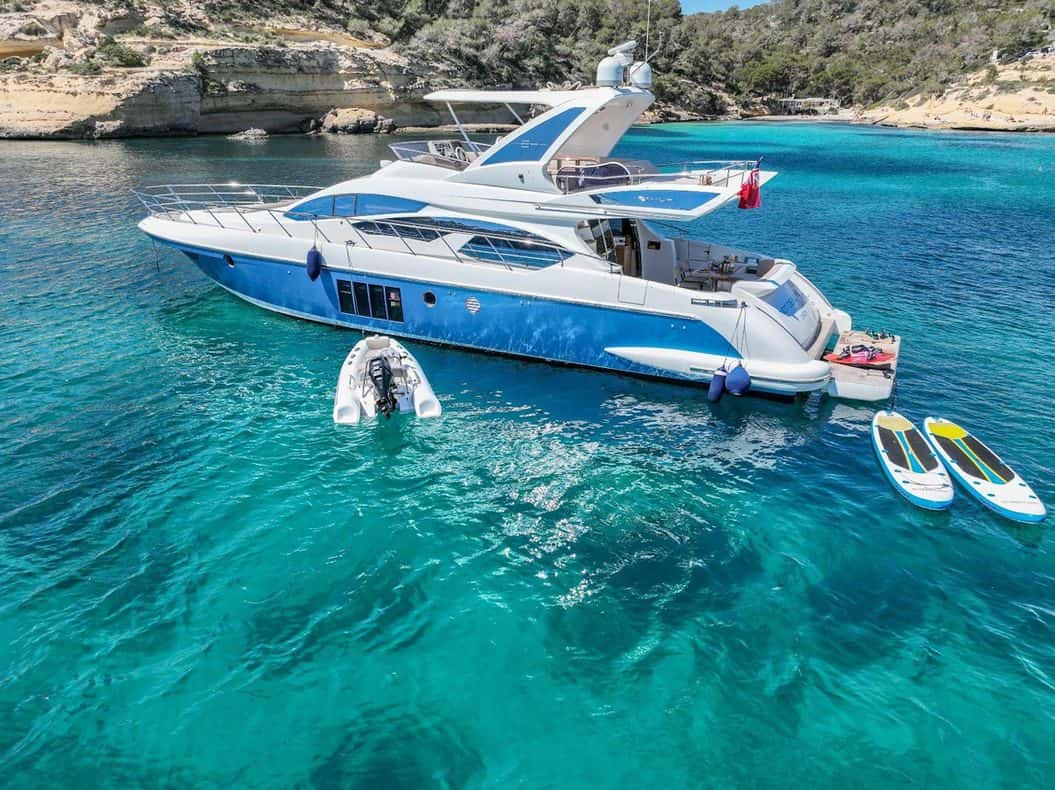
Azimut 64
6 People · 3 Cabins · 19.5 m
Total price from €24,800 for 7 days
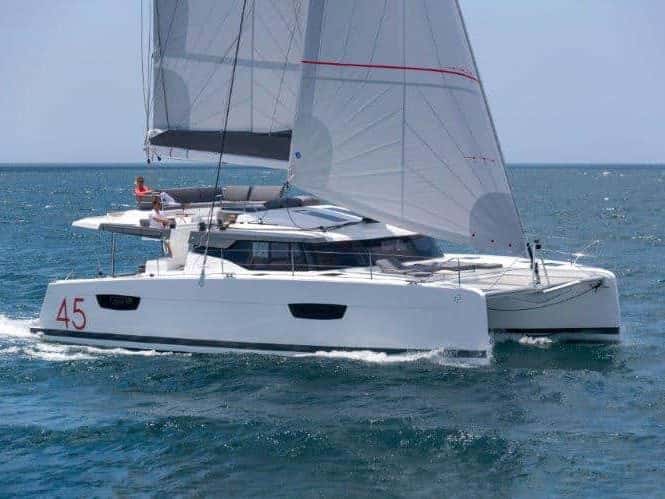
Elba 45
8 People · 4 Cabins · 13.5 m
Total price from €4,975 for 7 days
Prestige 460
4 People · 2 Cabins · 14.3 m
Total price from €13,040 for 7 days
x-reuse
4 People · 1 Cabins · 11.3 m
Total price from €7,779 for 7 days
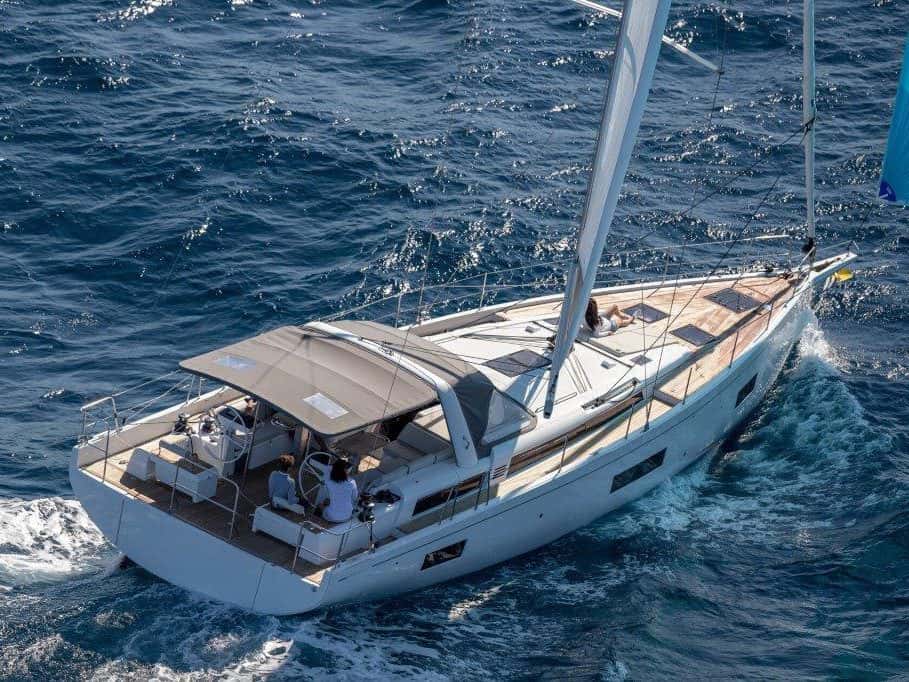
Oceanis 54
6 People · 3 Cabins · 16 m
Total price from €4,900 for 7 days
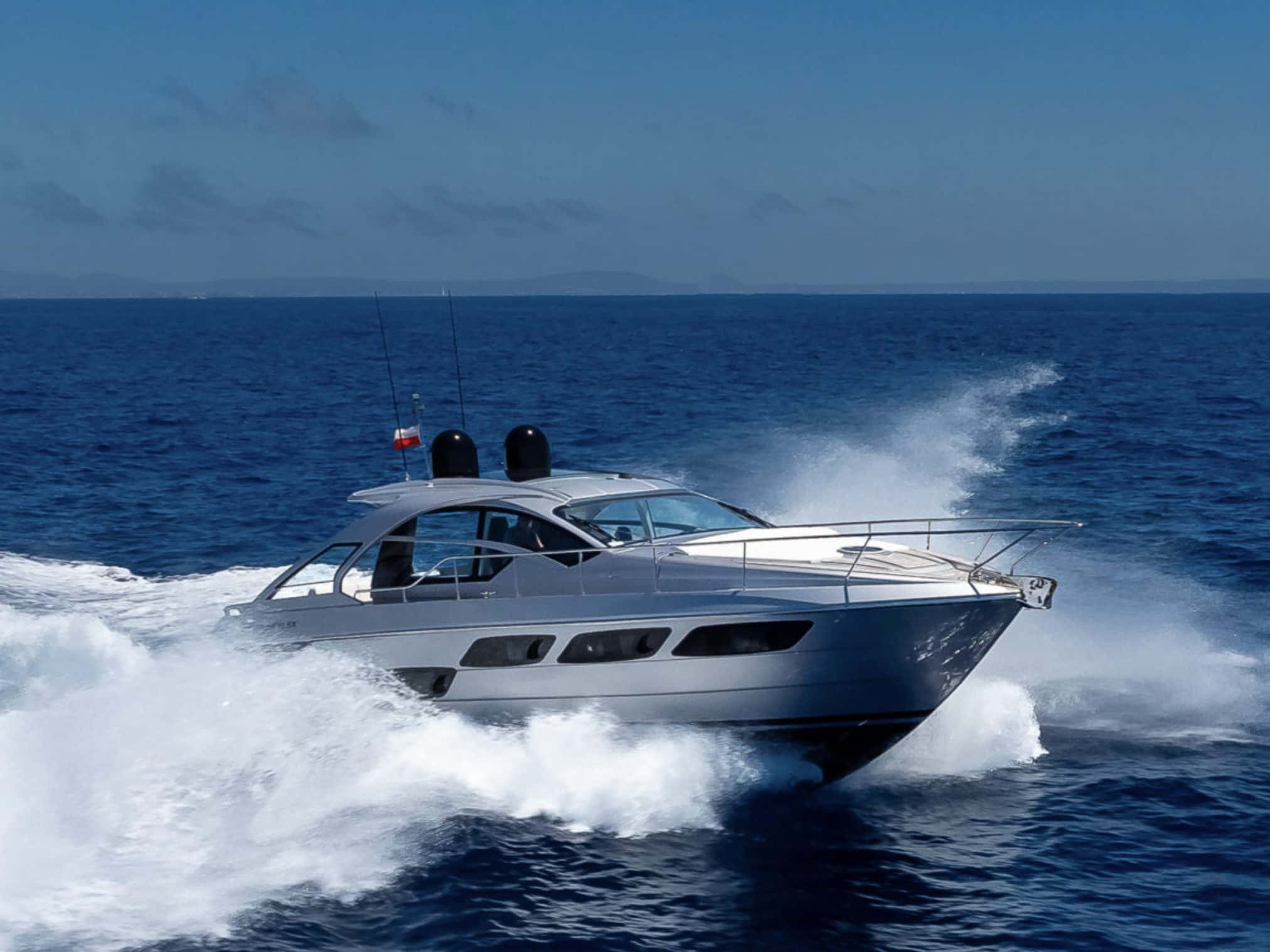
Pershing 50
10 People · 2 Cabins · 16.5 m
Total price from €33,660.50 for 7 days
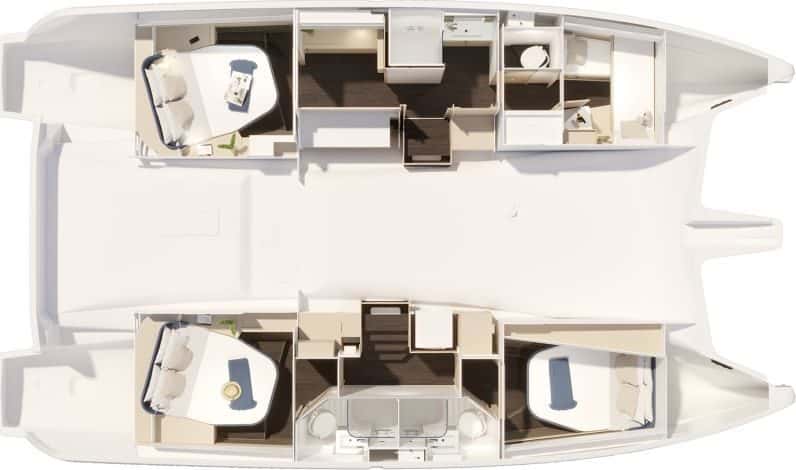
FP 44
6 People · 3 Cabins · 13.3 m
Total price from €8,650 for 7 days

Sun Odyssey 440
6 People · 3 Cabins · 13.4 m
Total price from €4,950 for 7 days
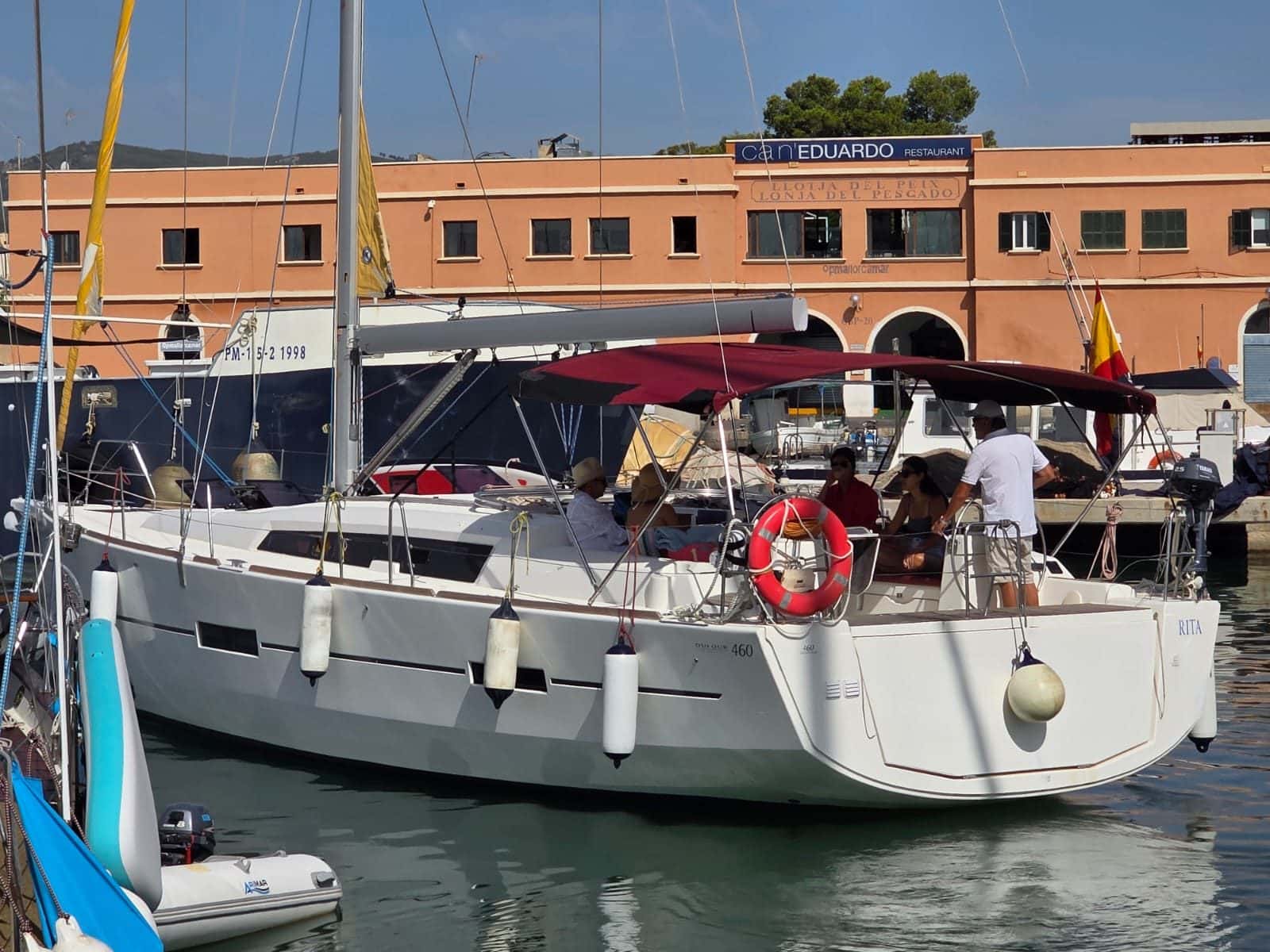
Dufour 460 Grand Large
10 People · 4 Cabins · 14.2 m
Price on request
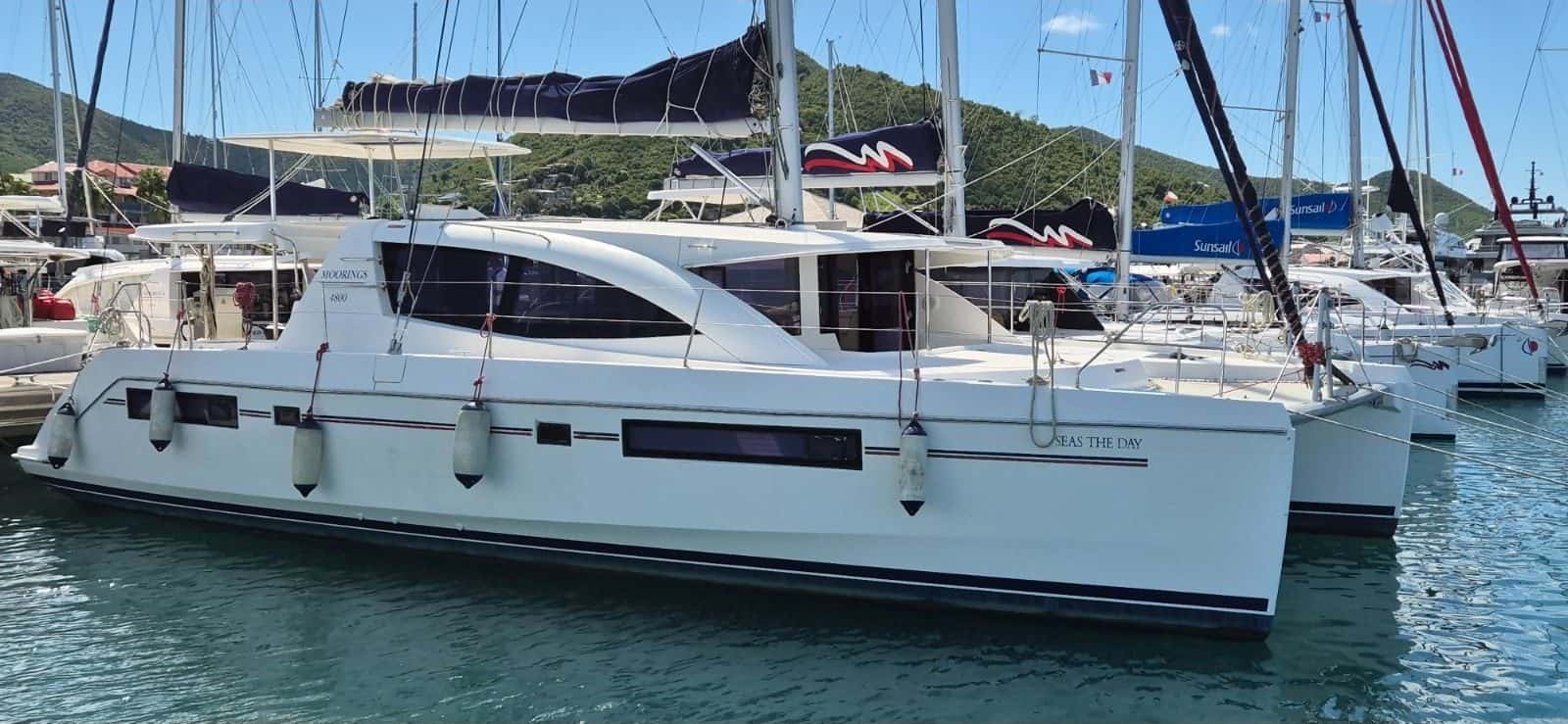
Leopard 48
11 People · 4 Cabins · 14.8 m
Total price from €4,350 for 7 days
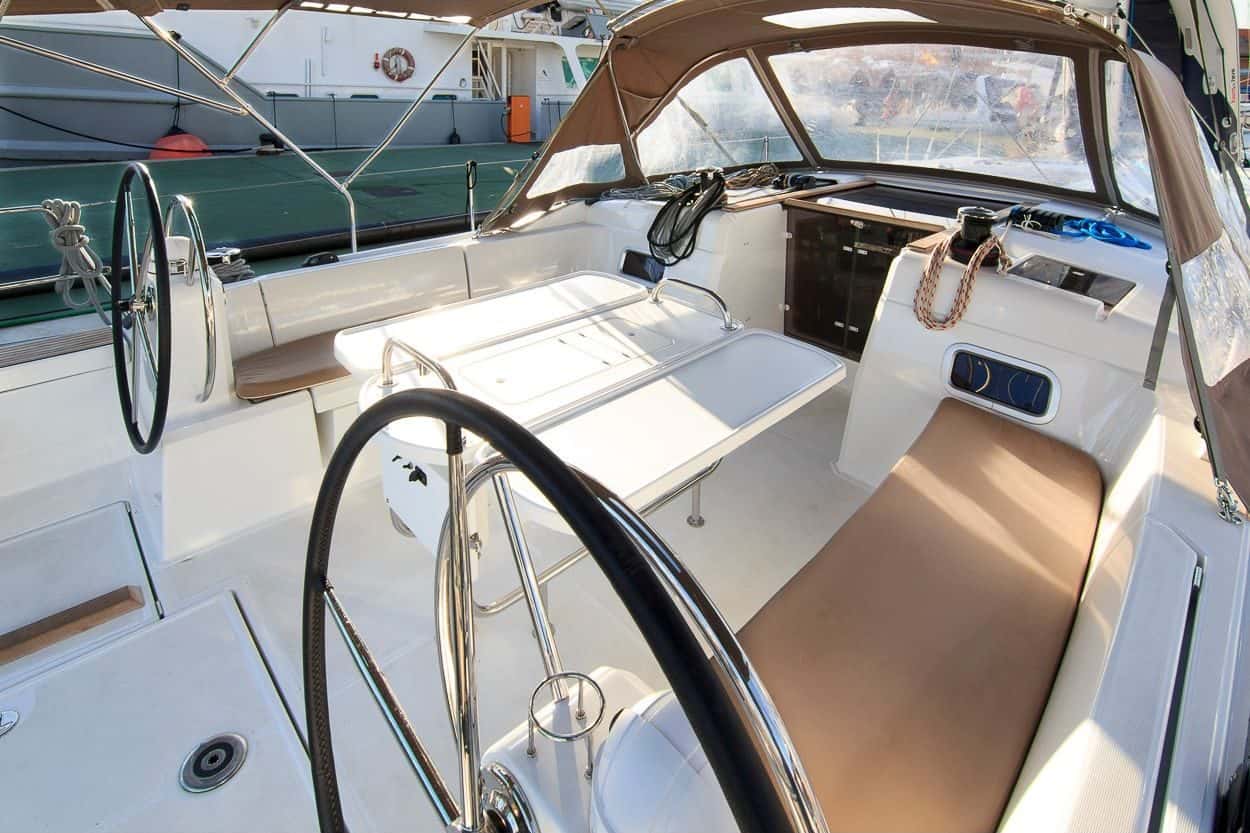
Sun Odyssey 519
12 People · 5 Cabins · 15.8 m
Total price from €3,400 for 7 days
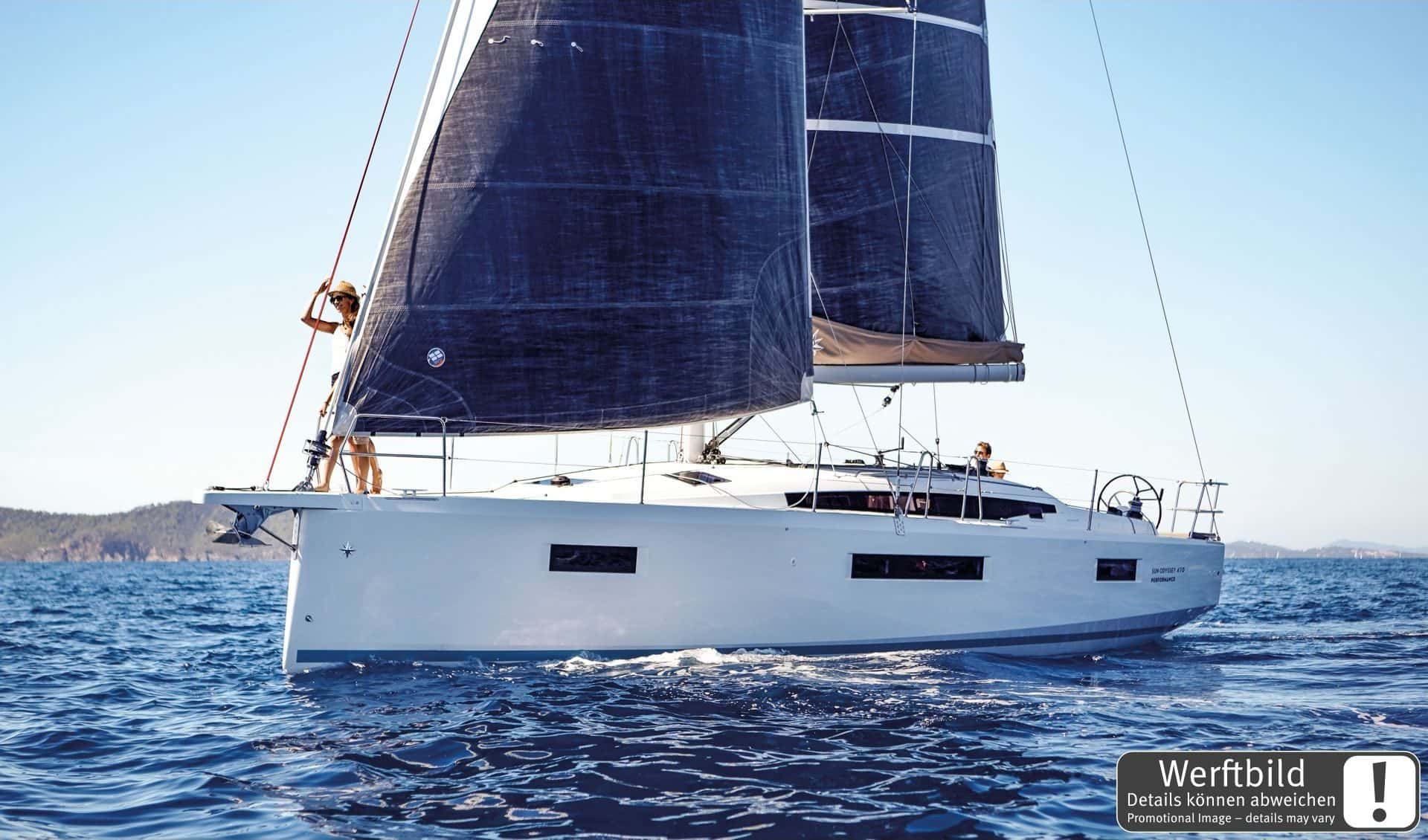
Sun Odyssey 410
8 People · 3 Cabins · 12.4 m
Total price from €2,930 for 7 days
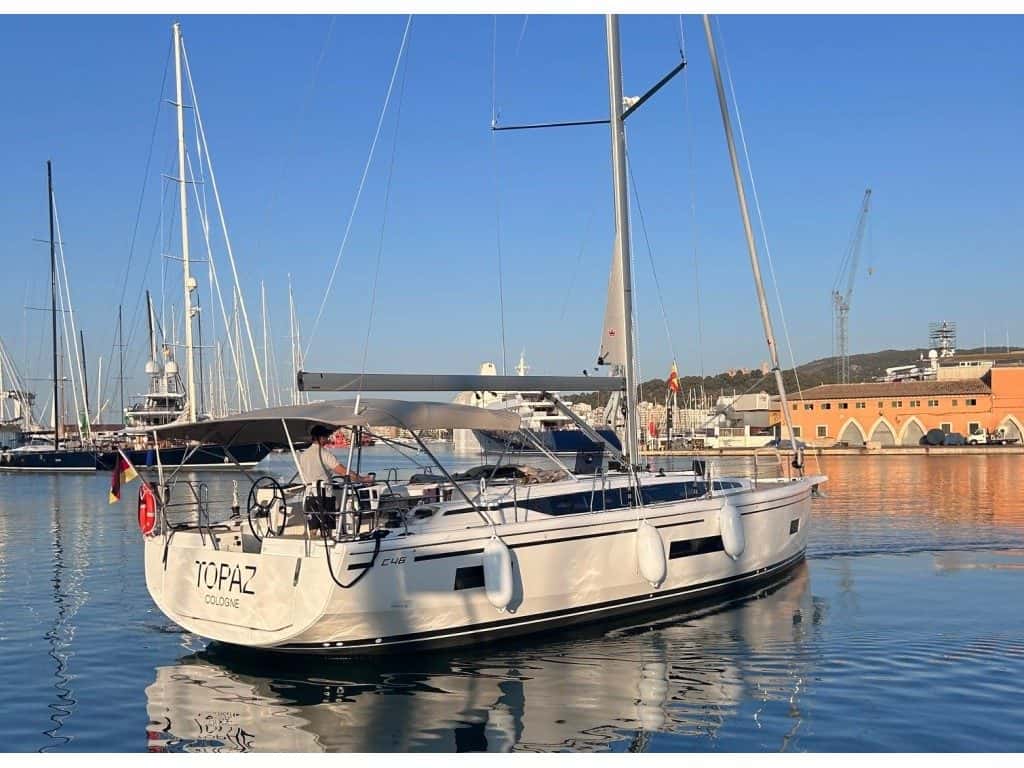
Bavaria C46
8 People · 4 Cabins · 14.5 m
Total price from €4,160 for 7 days
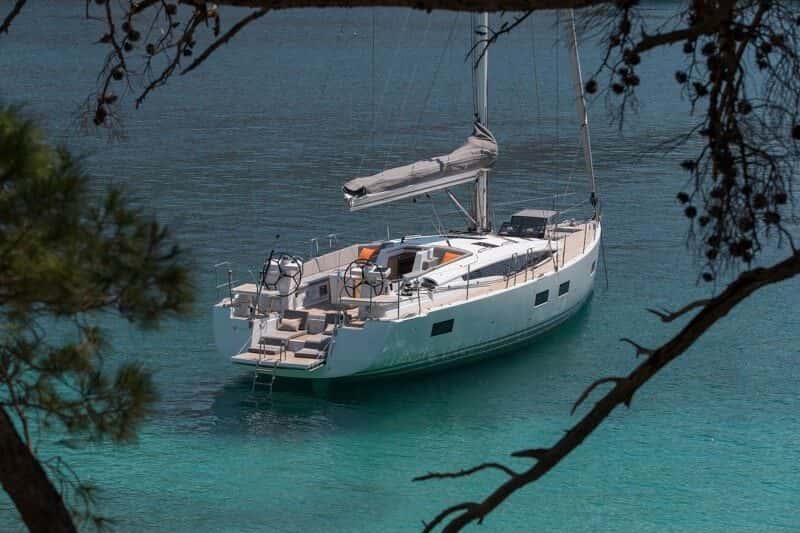
Jeanneau 54
10 People · 6 Cabins · 16.2 m
Total price from €5,450 for 7 days
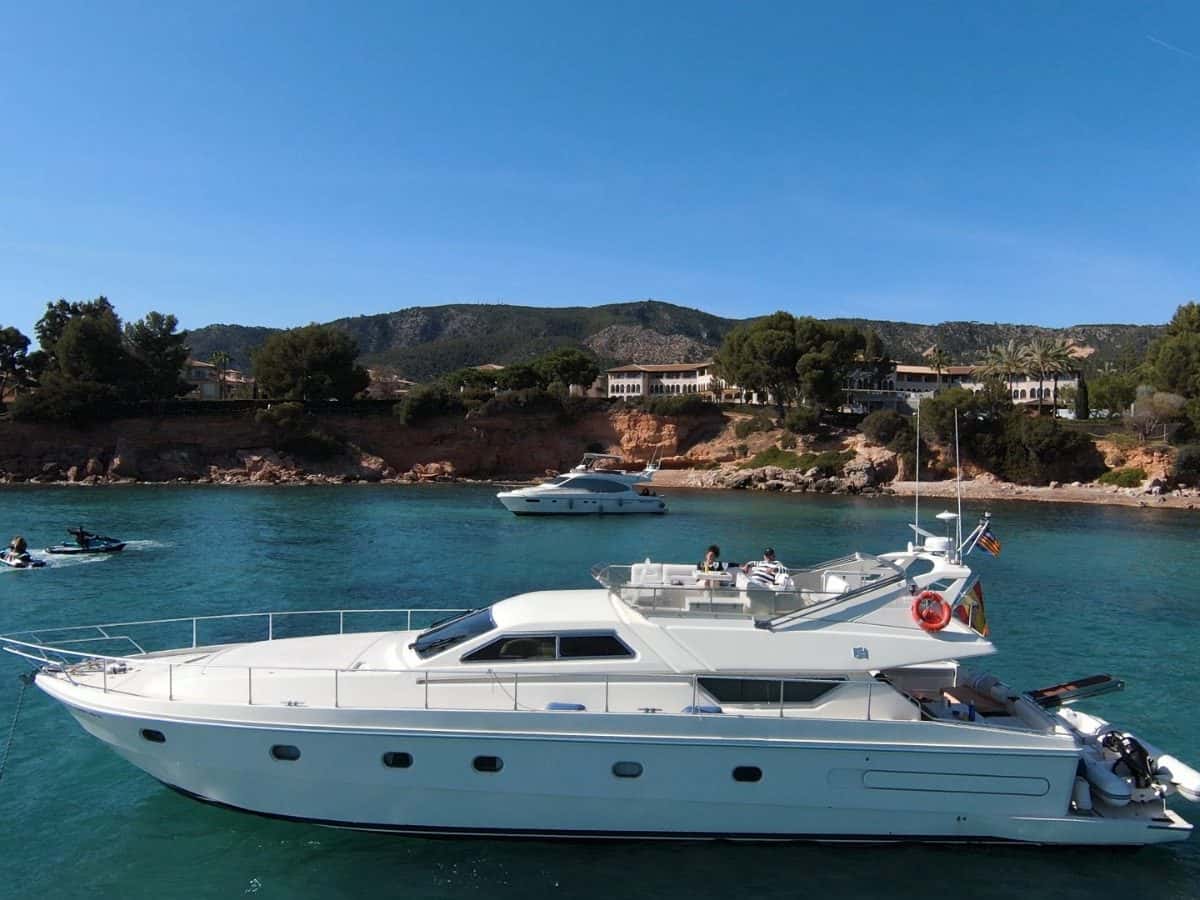
Ferretti 175 FLY
6 People · 3 Cabins · 18.1 m
Total price from €12,800 for 7 days
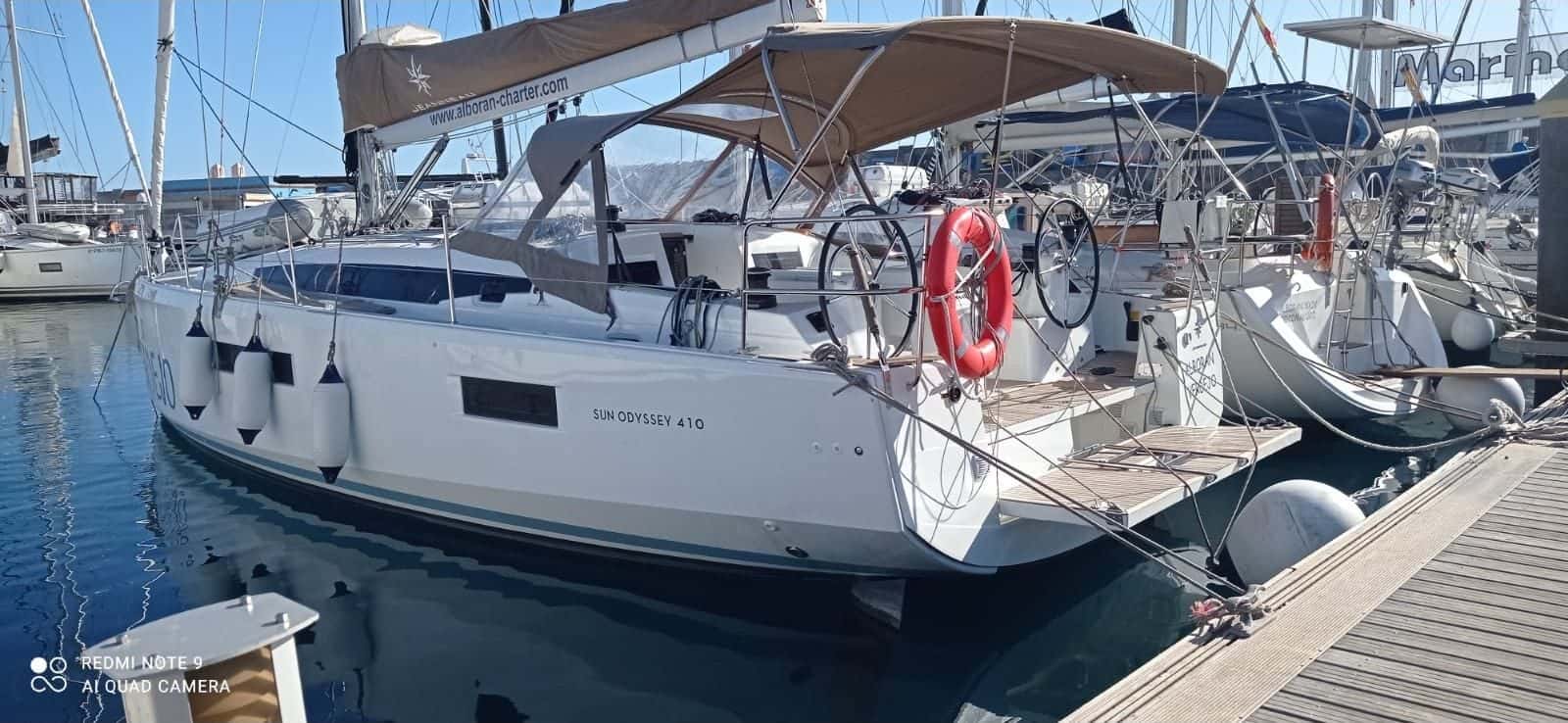
Sun Odyssey 410
8 People · 3 Cabins · 12.4 m
Total price from €3,195 for 7 days
A yacht charter from Palma combines an urban waterfront base with access to the varied coastline of Mallorca. It can suit travellers planning relaxed days between sheltered anchorages, families who want a flexible holiday on the water, and experienced sailors looking for a more active passage plan. The right charter is not simply the most attractive yacht in the search results. It should also match the group’s experience, preferred level of support, sleeping arrangements, luggage, intended cruising style, and tolerance for changing conditions. Start by deciding whether you want to sail without a skipper or would prefer a yacht with a skipper or crew. An independent charter gives suitably qualified guests more control over the route and daily decisions, but it also brings responsibility for navigation, weather assessment, manoeuvring, safety, and care of the yacht. A professional skipper can reduce that workload and may be especially helpful for groups unfamiliar with Mallorca, larger yachts, or itineraries that involve frequent harbour visits. Additional crew services may provide more help with meals, housekeeping, or guest comfort, depending on the yacht and the operator’s offering. Palma is well suited to flexible planning because a charter can be shaped around the conditions rather than a rigid list of stops. A leisurely itinerary might favour short sailing periods, swimming breaks, and evenings in port. A more ambitious plan may explore farther along Mallorca’s coast, provided the forecast, yacht, and experience of the person in command support it. Mooring availability, local restrictions, sea state, and the needs of the group should always take priority over completing a prewritten route. Use this page to compare yachts associated with Palma, but confirm the practical details directly in the current listing and charter agreement. Equipment, included services, check-in arrangements, deposit terms, cancellation conditions, and operating rules can differ between yachts. Before booking, ask for a complete quotation and make sure every mandatory and optional charge is clearly identified.
The charter fee is usually the largest part of the budget, but it is rarely the only expense. Pricing can change with the type and size of yacht, its age and specification, the booking period, the length of the charter, and demand around the selected dates. A larger yacht may provide more cabins, deck space, and privacy, yet it can also bring higher operating, berthing, and deposit costs. Newer or extensively equipped models may command a premium even when their nominal capacity is similar to that of another yacht. Seasonality is an important cost driver. Periods with strong holiday demand generally offer less flexibility, particularly for popular yacht layouts and convenient departure dates. Travelling outside peak demand can broaden the choice, but a lower headline rate should be weighed against weather preferences, reduced daylight, and the possibility that some shoreside services operate differently. Rather than selecting dates on price alone, compare the likely overall experience. Check exactly what the quoted charter fee includes. Depending on the operator, the final budget may also need to cover fuel, marina or mooring charges, local taxes or visitor-related fees, cleaning, linen, towels, water-sports equipment, transfers, provisions, and optional insurance products. If you book with a skipper or crew, ask whether their fees, meals, travel costs, and accommodation arrangements are included. Crew members usually require appropriate sleeping space, so clarify whether any cabin is reserved for them rather than available to guests. A refundable security deposit or an alternative damage-liability arrangement may be required. Read the conditions carefully, including exclusions and the procedure for recording existing damage at handover. Deposit protection products do not necessarily remove every liability, especially where negligence, prohibited navigation, late return, or breach of the charter agreement is involved. Ask the operator to explain anything that is unclear before payment. Harbour choices also affect spending. A night at anchor may avoid a marina berth fee, but it is only appropriate where anchoring is lawful, the seabed and depth are suitable, the yacht has the necessary equipment, and the forecast supports a safe stay. Harbour fees can vary by yacht dimensions, location, demand, and services used. Advance reservations may be advisable during busy periods, although acceptance and berth allocation remain subject to the harbour’s current procedures. Provisioning deserves a separate allowance. Self-catering gives the group control over food costs, while pre-arrival delivery can save effort but may include service charges. Plan storage realistically and avoid buying more than the yacht can refrigerate or stow securely. Fuel consumption depends on the yacht, engine use, speed, weather, and use of onboard systems. Request the operator’s guidance rather than relying on a generic estimate. The most reliable comparison is a written total that separates included items, compulsory extras, optional services, deposits, and expenses payable during or after the charter.
| Month | Air ↑ (°C) | Air ↓ (°C) | Water (°C) | Sunshine hours (h/d) | Wind (km/h) |
|---|---|---|---|---|---|
| January | 15.4 °C | 5.2 °C | 14.5 °C | 5.5 h/d | 13 km/h |
| February | 15.7 °C | 5 °C | 13.7 °C | 6.1 h/d | 13.4 km/h |
| March | 17.6 °C | 6.4 °C | 13.9 °C | 6.7 h/d | 13.7 km/h |
| April | 19.3 °C | 8 °C | 14.9 °C | 7.3 h/d | 14 km/h |
| May | 22.7 °C | 11.4 °C | 17 °C | 9.4 h/d | 13.4 km/h |
| June | 26.9 °C | 15.6 °C | 21 °C | 10.4 h/d | 13 km/h |
| July | 29.7 °C | 18.4 °C | 24.3 °C | 11.1 h/d | 12.6 km/h |
| August | 30.2 °C | 19 °C | 26.2 °C | 10.3 h/d | 12.2 km/h |
| September | 27 °C | 16.6 °C | 24.7 °C | 7.9 h/d | 11.9 km/h |
| October | 23.2 °C | 13.4 °C | 22 °C | 6.4 h/d | 12.2 km/h |
| November | 19.1 °C | 9.1 °C | 18.7 °C | 5.4 h/d | 12.6 km/h |
| December | 16.2 °C | 6.6 °C | 16 °C | 4.9 h/d | 13 km/h |
There is no single best period for every Palma charter. The ideal choice depends on whether the priority is warm-water leisure, stronger sailing potential, quieter harbours, family holiday dates, or the widest selection of shoreside services. Seasonal descriptions are useful for planning, but they are not forecasts. Conditions can change quickly, and the latest marine information should always guide the day’s route. Spring can appeal to travellers who prefer a less intense atmosphere and comfortable conditions for exploring ashore. The sea may feel cooler than in the height of summer, and unsettled spells remain possible. Crews should pack layers and waterproof protection rather than assuming every day will be warm and calm. Summer is associated with greater heat and strong demand. Local daytime breezes can create enjoyable sailing, but apparently benign mornings do not guarantee an easy afternoon or a settled night at anchor. Sun exposure, hydration, shade, and ventilation become important parts of comfort and safety. Autumn may retain warmth while bringing more variable weather. Periods of calm can alternate with stronger winds, swell, heavy rain, or thunderstorms. A flexible itinerary and conservative decisions are particularly valuable when conditions are changing. Winter can offer a very different Mallorca experience, but it calls for realistic expectations about temperature, daylight, weather systems, and the availability of tourism services. Confirm that the selected yacht and its onboard equipment are suitable for the intended dates. Palma’s position on a broad bay can create conditions that differ from those found beyond it or along another side of Mallorca. Wind acceleration near headlands, reflected swell around harbour entrances, sea-breeze development, and the exposure of an anchorage can all affect the plan. An anchorage that is comfortable under one wind direction may become unsuitable after a shift. Do not choose an overnight stop solely because it looks protected on a general map; assess the current forecast, detailed chart information, seabed, escape options, and local notices. For a comfortable itinerary, leave room for a weather day or a shorter alternative. Agree in advance which priorities can be dropped if the forecast changes. Guests often enjoy the charter more when the plan has a preferred route, a sheltered alternative, and permission to remain in port when necessary. Obtain forecasts from official and reputable marine sources, monitor updates throughout the day, and follow warnings from the charter operator, harbour authorities, and the yacht’s skipper. If the professional skipper changes the route for safety, that decision should be respected. Packing should reflect exposure on the water rather than conditions in the city. Useful items include secure footwear, sun protection, light layers, a windproof outer layer, and soft luggage that can be stowed. Guests prone to motion sickness may wish to seek medical advice before travelling. Any medication should be used according to professional guidance, and the skipper should be informed of relevant health needs that could affect safety.
Palma works as both a departure base and part of the holiday experience. The waterfront setting gives charter groups access to urban services before departure and after return, while the surrounding bay provides a natural starting area for assessing the yacht and conditions. Exact embarkation points vary, however, and the word Palma may cover more than one marina, dock, or operator facility. Use the address and joining instructions supplied for your booking rather than assuming that every charter leaves from the same place. Plan your arrival with enough margin for luggage delays, provisioning, paperwork, and the technical handover. If travelling from elsewhere on Mallorca, confirm transfer arrangements and access rules with the operator. Marina gates, parking, vehicle access, and luggage trolleys may be managed locally. Keep passports, qualification documents, booking details, and any required payment method accessible instead of packing them deep inside a suitcase. The handover is an essential safety process. Check the hull and interior with the operator, photograph any existing marks if permitted, and make sure the inventory is recorded accurately. Locate life-saving equipment, fire extinguishers, emergency controls, seacocks, electrical panels, gas shut-offs, navigation instruments, spare lines, and anchoring equipment. Ask how to operate the toilets, water system, batteries, shore power, engine, and any fitted generator or air-conditioning system. Every adult should know how to summon help and what to do if the person in command becomes unable to continue. Before leaving the berth, review the route out of the marina, local speed and wake restrictions, fuel arrangements, and the return procedure. Harbour traffic can include commercial vessels, ferries, service craft, fishing boats, and recreational traffic. Maintain a proper lookout, follow official navigation marks and instructions, and avoid distractions during manoeuvres. The chart plotter is a useful aid, not a substitute for current charts, visual awareness, depth monitoring, and sound judgement. From Palma, itinerary planning can be approached by choosing a direction along Mallorca’s coast or by remaining within the wider bay when conditions and group preferences favour a gentler plan. The southwest can offer a mixture of developed harbours and coastal stops, while other routes may lead toward quieter coves, more exposed headlands, or longer passages. These are planning concepts rather than promises of safe access. Suitability changes with wind, swell, yacht draft, berth availability, environmental rules, and the experience of the skipper. Do not assume that every attractive cove allows unrestricted anchoring. Parts of Mallorca’s coast may be subject to environmental protection, anchoring controls, buoy systems, access limits, or other local rules. Sensitive seabed habitats must not be damaged. Consult current official information, use designated moorings where required, and verify whether a reservation or permit applies. When anchoring is allowed, confirm adequate swinging room and holding, account for changes in wind, and keep clear of marked swimming areas and other vessels. Harbour nights can provide shore power, water, easier access to restaurants, and greater convenience for some groups, but facilities differ. Confirm berth availability directly and avoid building an itinerary around an unconfirmed space. At anchor or on a mooring, manage water and battery use carefully, secure loose equipment, and agree an anchor-watch or monitoring plan appropriate to the conditions. A good Palma itinerary balances sailing ambitions with safe stopping options and a realistic return to the agreed base.
Guests who want to charter without a skipper should expect the operator to assess whether the proposed person in command has suitable qualifications and experience. The documents accepted can depend on the yacht, flag, insurer, operator policy, and the rules applicable to the intended cruising area. A certificate that is accepted in one country or for one type of vessel may not automatically be accepted for another charter. Do not book on the assumption that recreational experience alone will be sufficient. Send clear copies of all relevant certificates and a summary of recent experience before making a non-refundable commitment. The operator may ask about yacht sizes previously handled, tidal and non-tidal experience, night navigation, radio qualifications, and familiarity with Mediterranean-style mooring. Another competent adult may also need to be named. Original documents and identification may be required at check-in, so confirm what must be carried. Some operators or authorities may expect evidence of radio competence in addition to a boating qualification. Requirements can change, and translations or supplementary documents may be needed for certificates issued abroad. The charter company’s approval does not remove the skipper’s legal responsibilities. Verify current requirements with the operator and, where appropriate, the relevant official maritime authority. Even with acceptable paperwork, the operator may decline an independent handover if practical competence appears insufficient or if contractual requirements are not met. A local familiarisation session, assisted departure, or professional skipper may be proposed. Treat this as a safety measure rather than an administrative obstacle. Palma marina manoeuvres can require confident control in wind and confined spaces, while anchoring and route decisions demand more than the ability to operate the yacht in open water. Choosing a yacht with a skipper can be sensible when nobody in the group holds accepted documents, when experience is limited, or when guests want to spend less time managing navigation and harbour logistics. Discuss expectations before departure: the skipper remains responsible for safe operation, but the group should explain its interests, preferred activity level, dietary needs, and privacy concerns. The final route remains subject to safety, law, yacht capability, and current conditions. A skipper does not automatically provide every hospitality service. Cooking, cleaning, childcare, instruction, and water-sports supervision may require separate arrangements or may not be offered. If formal tuition is a goal, ask whether the person and yacht are authorised for instruction and whether any course or certification is included. Read the charter agreement carefully and obtain written confirmation of the qualification decision, required documents, and any conditions attached to the booking.
Choose without a skipper only if the operator accepts your qualifications and you have the practical experience to manage the yacht, harbour manoeuvres, navigation, weather decisions, and emergencies. A skipper is often preferable when the group is new to Mallorca, wants local support, or would rather focus on the holiday. The skipper will still need cooperation from guests and retains the final say on safety and routing.
Review the yacht layout, cabin allocation, guest capacity, bathroom arrangements, shade, refrigeration, safety equipment, and any accessibility needs. Ask for the complete cost breakdown, cancellation terms, deposit rules, accepted qualifications, exact embarkation point, and a list of included and optional services. Confirm important promises in writing and read the current charter agreement before paying.
Advance booking may be possible or advisable at some harbours, especially when demand is strong, but procedures differ and a request does not always guarantee a particular berth. Yacht dimensions and services required must be provided accurately. Check directly with the marina or ask the operator or skipper for help, and keep an alternative stop in case conditions or availability change.
No. Anchoring may be limited by environmental protections, swimming zones, local notices, seabed conditions, or other restrictions. Current official rules must be checked before stopping. Where anchoring is permitted, avoid sensitive habitats, use appropriate depth and scope, allow swinging room, and reassess the location if the wind or swell changes.
Use soft, compact luggage because rigid cases can be difficult to stow. Bring secure deck-friendly footwear, sun protection, a hat, reusable water bottle, light layers, a windproof outer garment, personal medication, and copies of essential travel documents. Ask whether towels, bedding, snorkelling equipment, charging adapters, and toiletries are supplied rather than assuming they are included.
The practical range depends on charter duration, yacht performance, weather, sea state, daylight, guest comfort, planned stops, and the need to return on schedule. A route that is feasible in settled conditions may be inappropriate after a forecast change. Discuss ambitions with the operator or skipper, then create a preferred plan and a more sheltered alternative.
The skipper should shorten the route, change the destination, remain in harbour, or select a safer anchorage as conditions require. Charter payments do not normally guarantee a particular itinerary or continuous sailing, but the applicable terms are set by the individual agreement. Review the weather and cancellation clauses before booking, and follow official warnings and the skipper’s safety decisions.
That depends on the planned itinerary and the service selected. Some groups shop locally, while others arrange delivery or ask about catering. Confirm when access to the yacht begins before scheduling supplies. Plan meals around available storage, refrigeration, cooking equipment, dietary needs, and opportunities to replenish water and food. Keep emergency drinking water and simple backup meals appropriate to the trip.
Data powered by Booking Manager